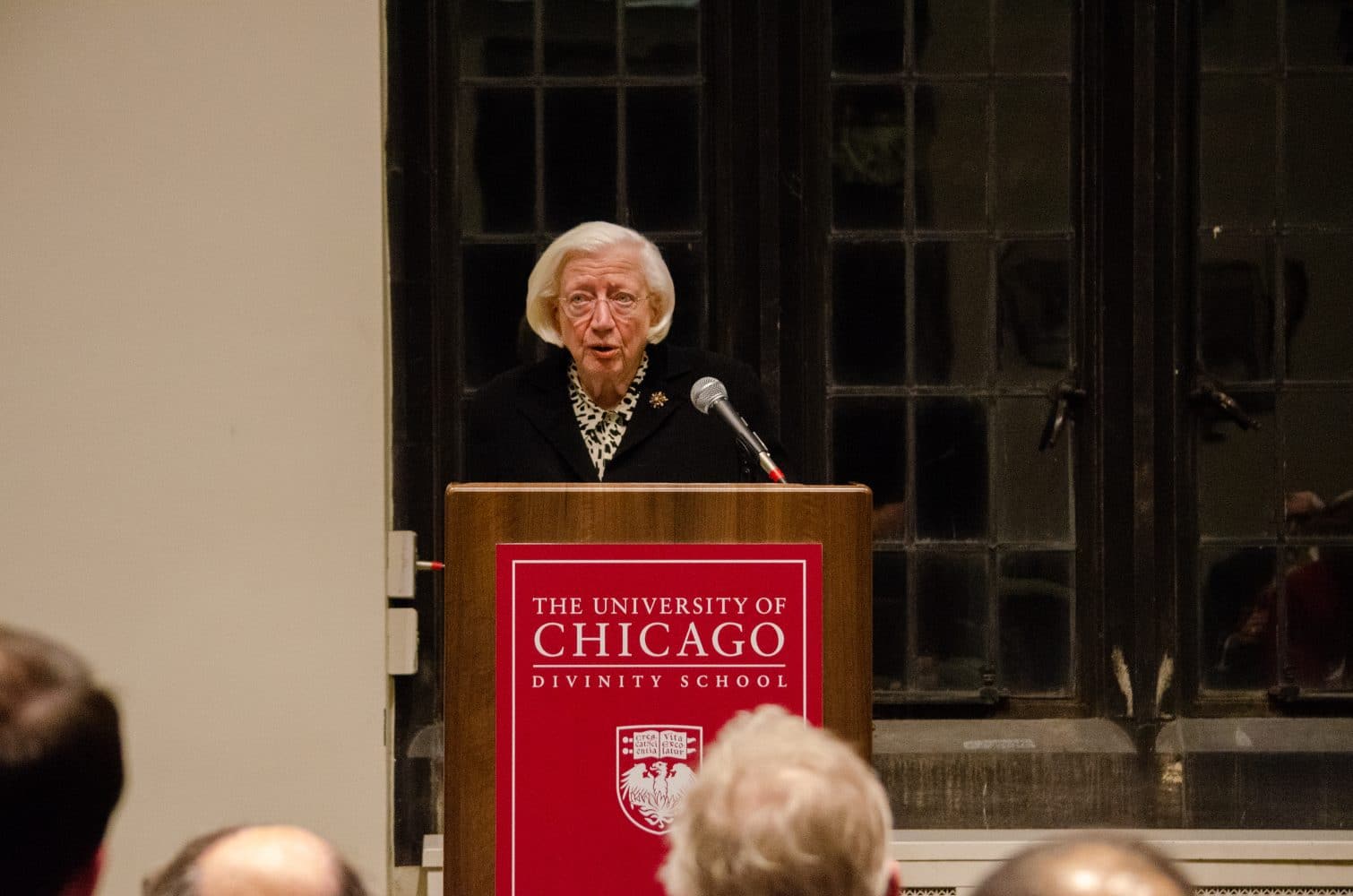
An Inquiry into the Value of Work: A Discussion of Matt Crawford’s Shop Class as Soulcraft

REGISTER HERE 5:30 Cocktail and Hors d’Oeuvres | 6:30 Opening Remarks | 6:45 Dialogue and Q&A | 7:30 End Through the generosity of LCI’s donors, undergraduate and graduate students are able to attend this event for free. Interested students should email Marial Corona at mcorona@lumenchristi.org to register. This event is cosponsored at The Point Magazine. Published in 2009, Matthew Crawford’s Shop Class as Soulcraft became an unexpected best-seller. Written by a University of Chicago PhD and motorcycle mechanic, the book explored the value of craftsmanship and manual work in a world increasingly dominated by technology and abstract thinking. Drawing on his own experiences as…
The Boldness of Belief and Timidity of Technology: A Symposium on Gratitude, Creation, and the Technological Mindset

REGISTER HERE FOR ZOOM LIVESTREAM REGISTER HERE FOR IN-PERSON Open to students and faculty. For more information, contact dstrobach@lumenchristi.org. This event is cosponsored and supported by the University of Chicago John U. Nef Committee on Social Thought. It is also cosponsored by The Point Magazine. This event is made possible through the support of ‘In Lumine: Supporting the Catholic Intellectual Tradition on Campuses Nationwide’ (Grant #62372) from the John Templeton Foundation. In his Introduction to Christianity, Joseph Ratzinger saw that at the root of the “technological mindset” was an anxiety about how man can come to know the world. Ratzinger contrasted…
Is Christianity a Slave Morality? Max Scheler on Ressentiment
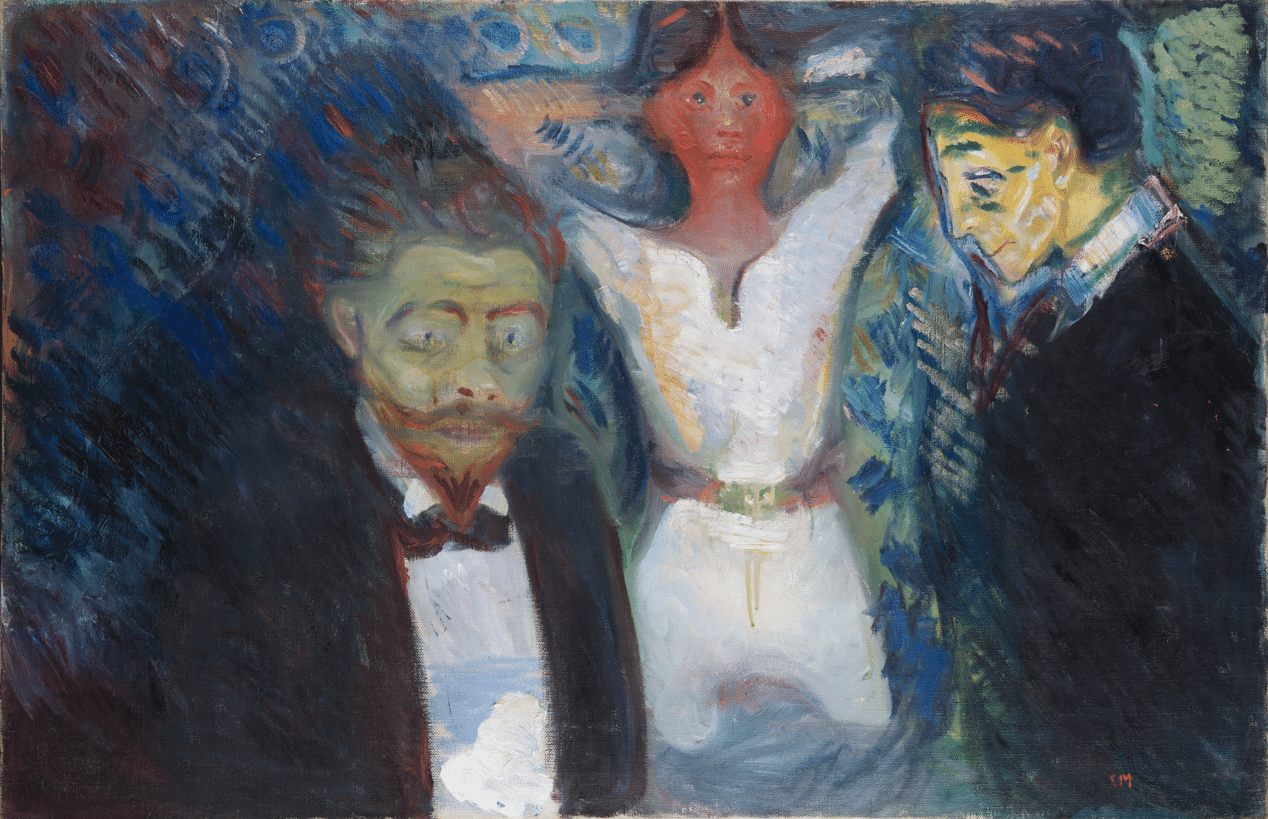
REGISTER HERE Open to current graduate students and faculty. Advanced undergraduates and others interested in participating should contact dstrobach@lumenchristi.org. This event is in-person only. All registrants will receive copies of the selected readings, which should be read in advance of the class. An optional wine and cheese reception will follow. This event is made possible through the support of ‘In Lumine: Supporting the Catholic Intellectual Tradition on Campuses Nationwide’ (Grant #62372) from the John Templeton Foundation. In his book Ressentiment, the German philosopher Max Scheler deepens Nietzsche’s account of ressentiment, the life-denying disposition of spite, envy and revenge. Nietzsche finds this spiritual sickness to be…
Civilization on the Brink? Modern Philosophy and the Abolition of Man
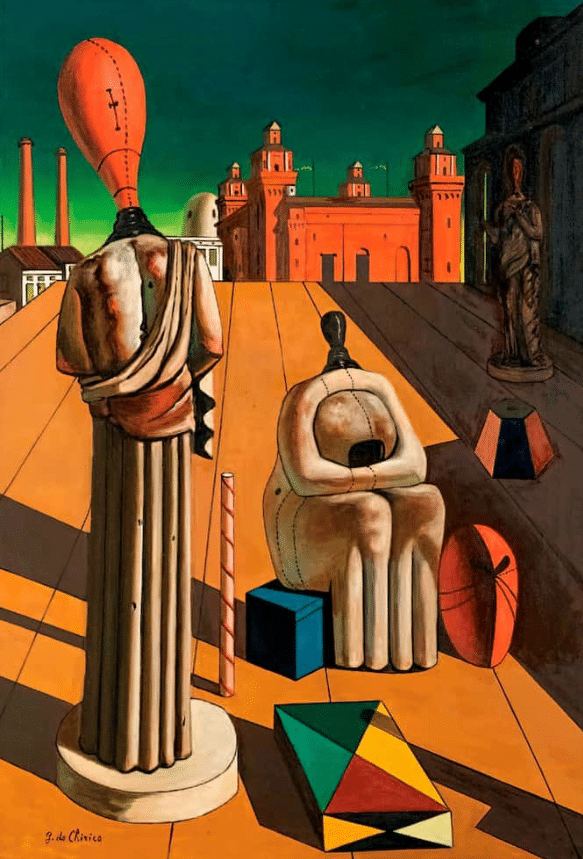
Open to current undergraduate students at the University of Chicago. Registration is capped at 25. Students who register after capacity has been reached will be put on a waitlist. All registrants will be provided with a free copy of the text. This seminar and the Nicklin Fellows are cosponsored by the First Analysis Institute, and this event is made possible through the support of ‘In Lumine: Supporting the Catholic Intellectual Tradition on Campuses Nationwide’ (Grant #62372) from the John Templeton Foundation. REGISTER HERE In 1944, CS Lewis looked upon civilization and was amazed by what he saw: In a sort of ghastly…
Virtue, Moral Formation, and the University
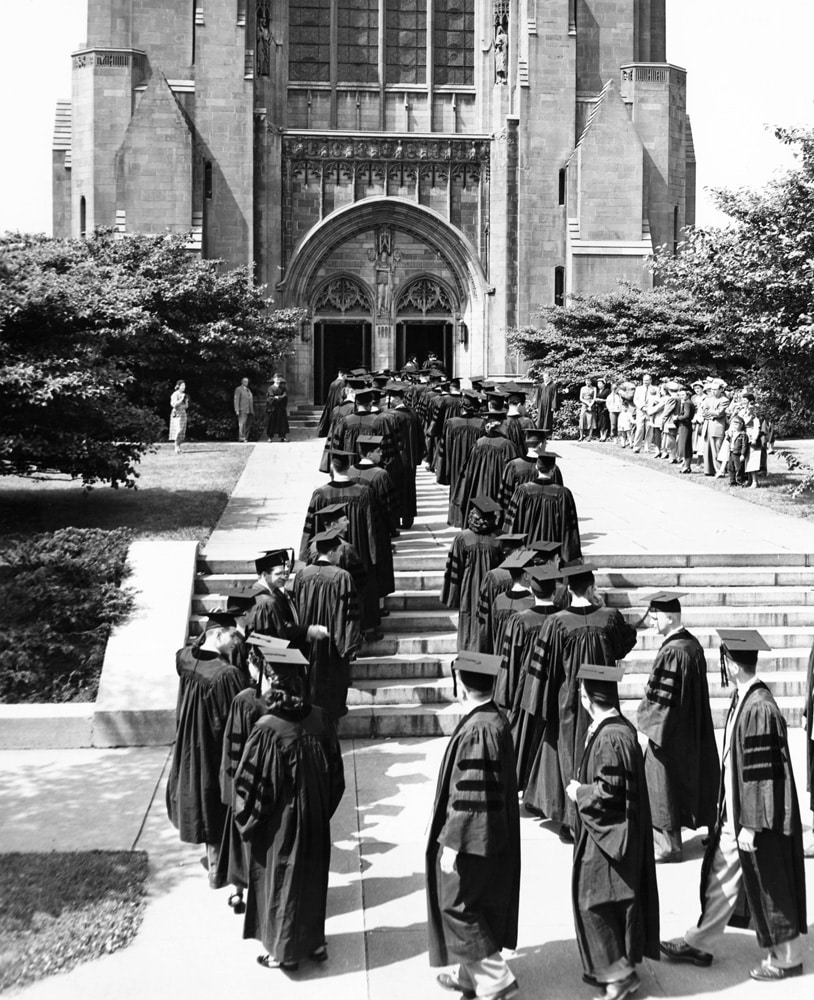
As scholars such as Julie Reuben have documented, there has been a decline in the mission of moral formation of students over the history of US higher education and this role of the university is no longer to be taken for granted. What role, if any, does the university play in the moral formation of its students? Is moral formation beyond the bounds of its mission or is it inescapable? What virtues are formed in the modern university? This public panel, part of the Annual Meeting of the In Lumine Network, will serve to provide a broad conversation about the role of the university in regard to virtue and moral formation.
2024 Annual Meeting of the In Lumine Network

INVITATION ONLY The In Lumine Network, consisting of thirteen independent institutes for Catholic Thought located at top research universities throughout the U.S., will hold its annual best practices meeting October 17th-18th at the Study Hotel at the University of Chicago. The meeting will be held in conjunction with Baylor University’s meeting of Christian study centers and institutes for Catholic thought on the topic of developing moral communities within higher education. This is the 3rd annual in-person meeting for the In Lumine Network. The 2 day event will bring together leaders from various Catholic institutes and Christian study centers for workshops…
Non-Credit Course | Reasonably Vicious
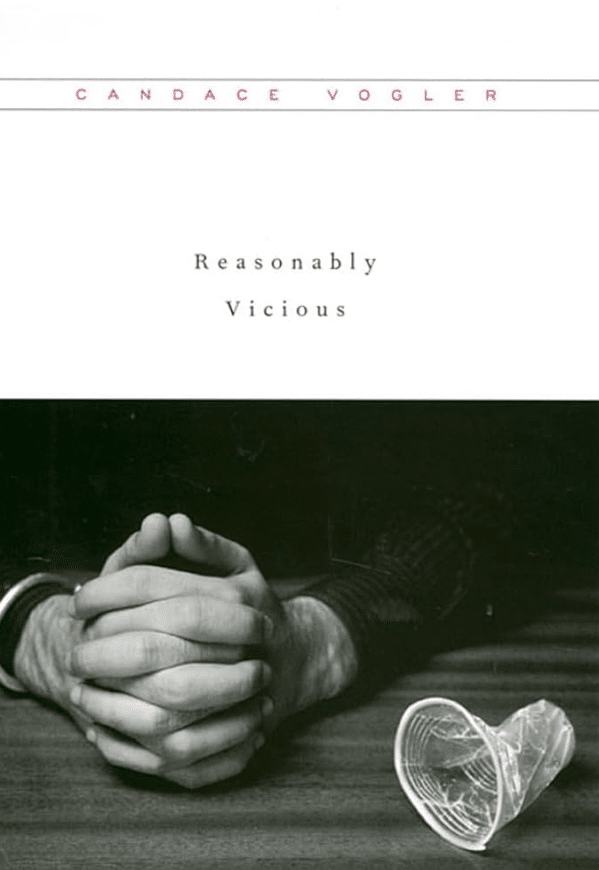
REGISTER HERE This event is in-person only. Intended for university students, faculty, and staff. Others interested in attending please contact dstrobach@lumenchristi.org. This non-credit is made possible through the support of ‘In Lumine: Supporting the Catholic Intellectual Tradition on Campuses Nationwide’ (Grant #62372) from the John Templeton Foundation. Registrants are free to attend as many sessions as they choose. Sessions do not presuppose previous attendance or prior knowledge of the subject. Reasonably Vicious, originally published in 2002, has been praised by Alasdair MacIntyre as a “distinctive, well-argued, in some key respects original and beautifully written account of practical reason.” Philosopher Candace Vogler explores the…
On the Dignity of Society: Catholic Social Teaching and Natural Law
Russell Hittinger has long been one of the world’s leading scholars of Catholic social teaching and natural law theory. His most recent book, On the Dignity of Society, presents the fruit of his mature thinking on fundamental issues in Catholic political thought. Rooted in Thomistic philosophy and natural law theory, but also animated by his study of St. Augustine and thus sensitive to historical contexts and arenas for moral and theological disputation, Hittinger articulates the deepest principles of the Church’s social teaching and sheds considerable light on their historical applications. At this event, Profs. Mary Hirschfeld and R. H. Helmholz will discuss Hittinger’s latest work, and the event will conclude with a response from Prof. Hittinger.
Can We Be Good on Our Own? A Symposium on Ancient and Modern Approaches to Virtue
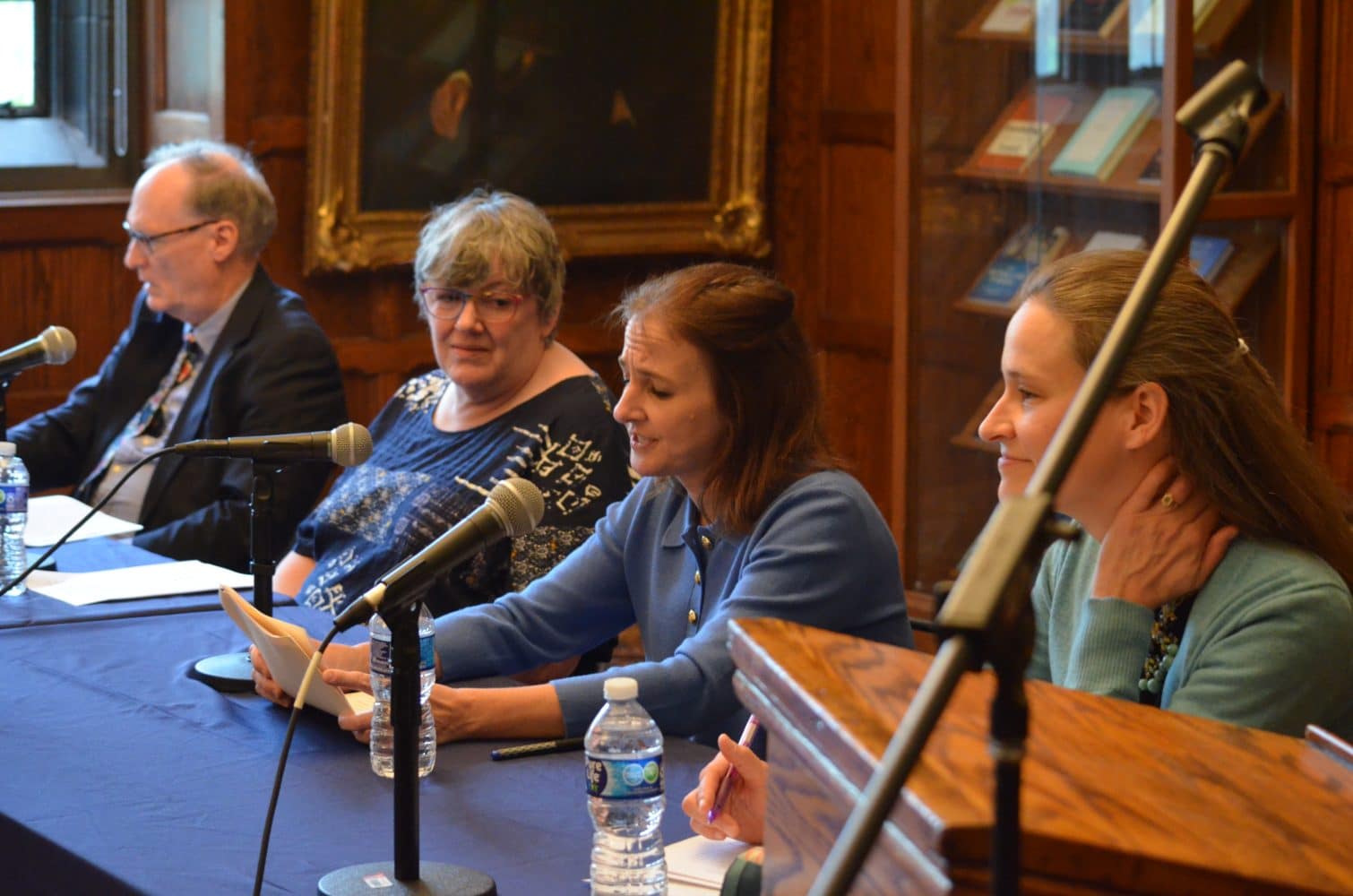
Can we be good on our own, or do we need divine assistance? Four scholars explored this question in a symposium that was the highlight of LCI’s spring University Program Series. With Emily Austin (University of Chicago) moderating, Angela Knobel (University of Dallas), Candace Vogler (University of Chicago), and Daniel Lapsley (University of Notre Dame) reflected on the relationship between Aristotle’s and Aquinas’ moral frameworks from theological, philosophical, practical, and behavioral-scientific perspectives.
WEBINAR: Answering Your Atheist Philosophy Professor