
Who Was Saint Patrick?
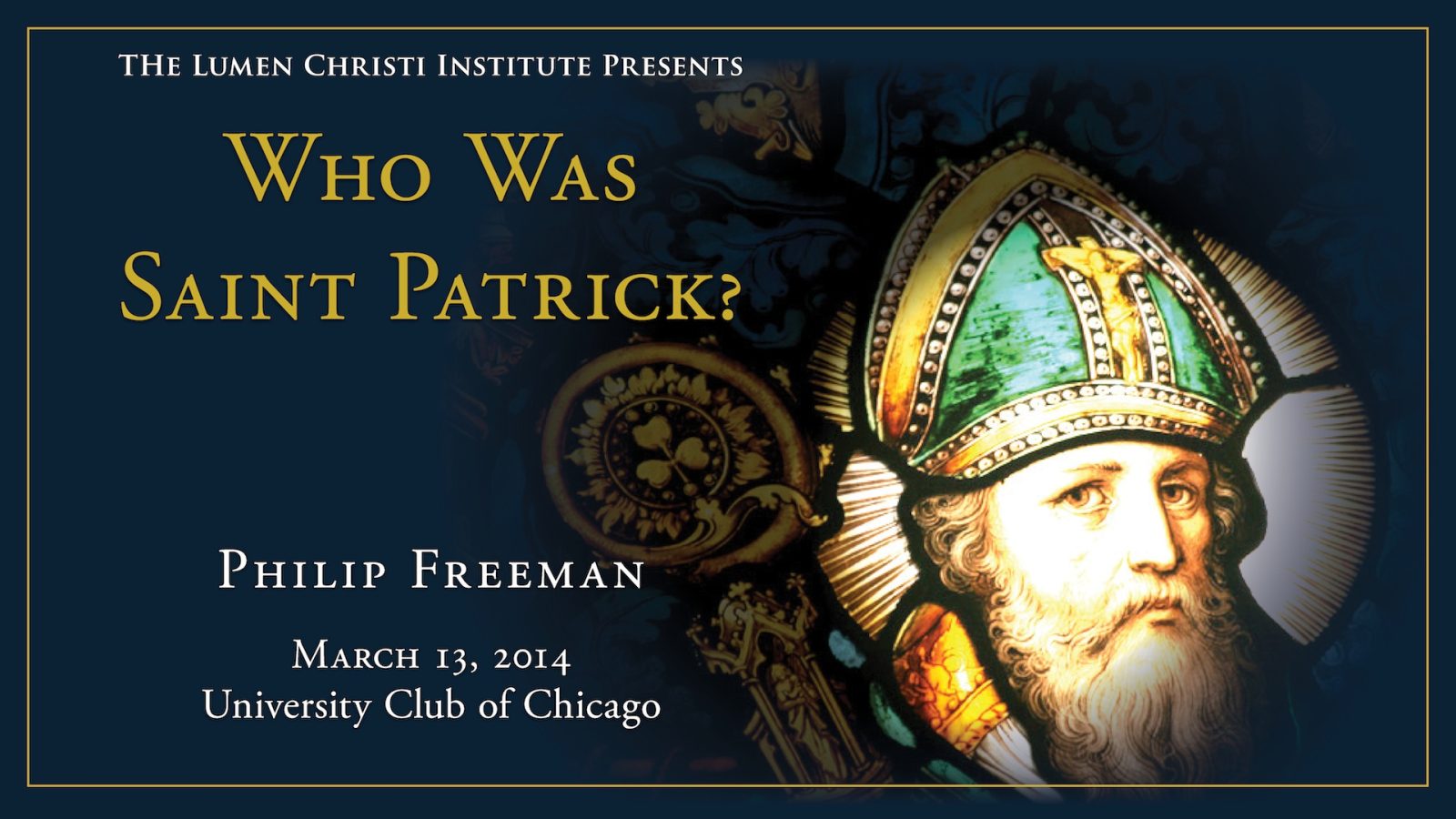
a luncheon address by Philip Freeman (Luther College) with an introduction by The Hon. Edward M. Burke (Alderman, 14th Ward; Chairman, Finance Committee, Chicago City Council) Sponsored by the Boshell Family Foundation Everyone knows about St. Patrick, the man who drove the snakes out of Ireland, defeated fierce druids in contests of magic, and used the shamrock to explain the Christian Trinity to the pagan Irish. It’s a great story, but none of it is true. Not only were there never any snakes in Ireland, but Patrick wasn’t even Irish. The real story of this saint—pirates, murder, slavery, escape, and…
After Huizinga: The Low Countries as Cradle of Spiritual Innovation in the Late Middle Ages
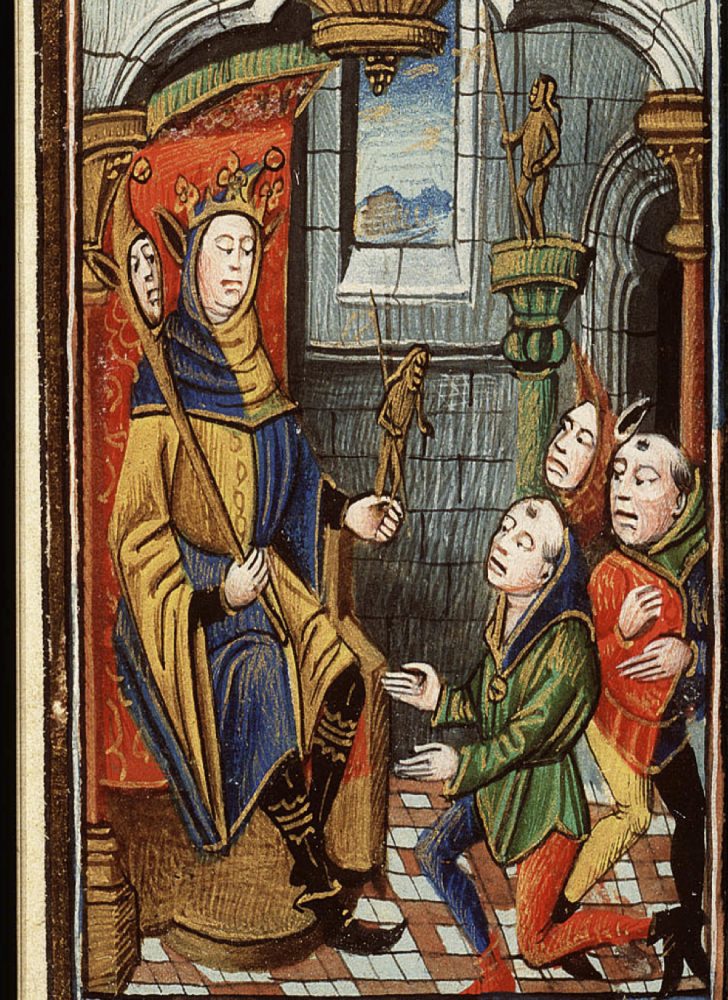
Frits van Oostrom (Ultrecht University) This public lecture is presented by the University of Chicago Divinity School. Cosponsored by the Martin Marty Center for the Advanced Study of Religion, the Medieval Studies Workshop, and the Lumen Christi Institute. Free and open to the public. Reception to follow.
Aquinas’ Third Way of Proving a God: Logic or Love?
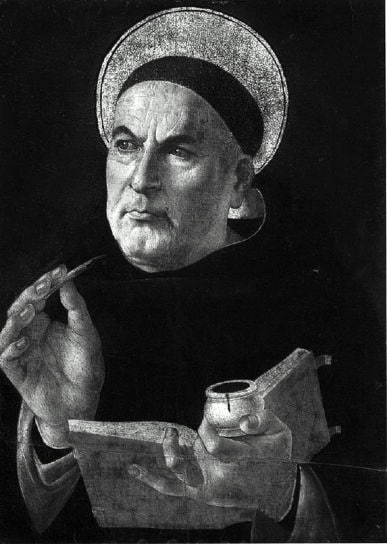
Cosponsored by the Medieval Studies Workshop Thomas Aquinas’ famous five ways of proving the existence of a God continue to intrigue and perplex his readers. The most troublesome is perhaps the third—the one based on the possible and the necessary—to which all sorts of objections can be heard: logical, scientific, theological, phenomenological, even Thomistic. Contrary to the usual assumption, however, the kind of possibility and necessity that the third way regards does not seem to be the logical kind. In a sense, it has more to do with love than with logic. This reading puts the problems that the third way faces, and also the…
Master Class on Pseudo Dionysius
Bernard McGinn (University of Chicago) REGISTER HERE REGISTRATION IS CURRENTLY FULL. If you are interested in attending, contact us and we will inform you if space becomes available. Cosponsored by the Medieval Studies Workshop Participants will be provided with a complimentary copy ofPseudo Dionysius: The Complete Works (Paulist Press). This master class is open to graduate and undergraduate students, including non-University of Chicago students. Space is limited and offered on a first-come, first-served basis. This one-time Seminar will discuss the writings of the mysterious Eastern monk (ca. 500 C.E.) who hid his identity under the name of the Athenian Dionysius of the Areopagus…
The Greek East and the Spiritual Franciscan View of History
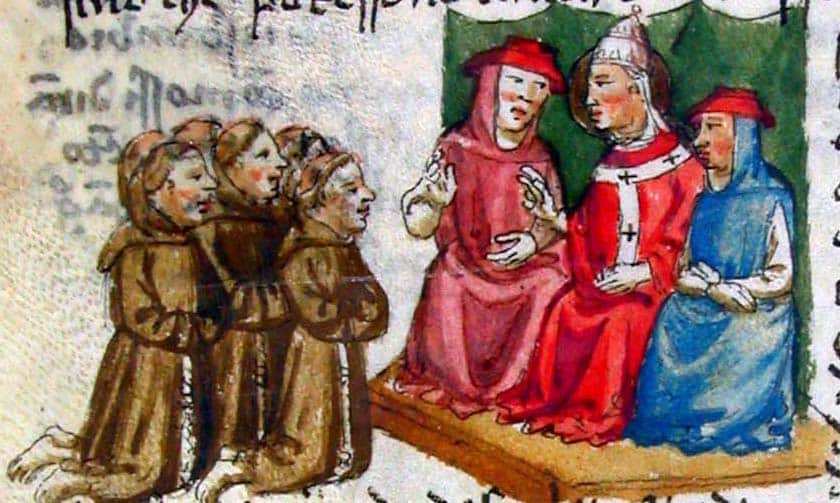
REGISTER HERE Cosponsored by the Theology & Religious Ethics Workshop The Spiritual Franciscan Angelo Clareno (d.1337) fervently promoted the view that St. Francis’ life and Rule renewed the true evangelic life. When ecclesiastical persecution led him to flee to Greece, Angelo came into contact with both Greek monasticism and Greek theology based on the Church fathers. While in Greece, he translated Greek texts and he found in Greek monastic traditions possibilities for living according to Francis’ rule outside the Franciscan order. Angelo’s time in Greece also led him to reflect on Church history and the relationship between Greek and Latin…
Master Class on The Wisdom of Bernard of Clairvaux
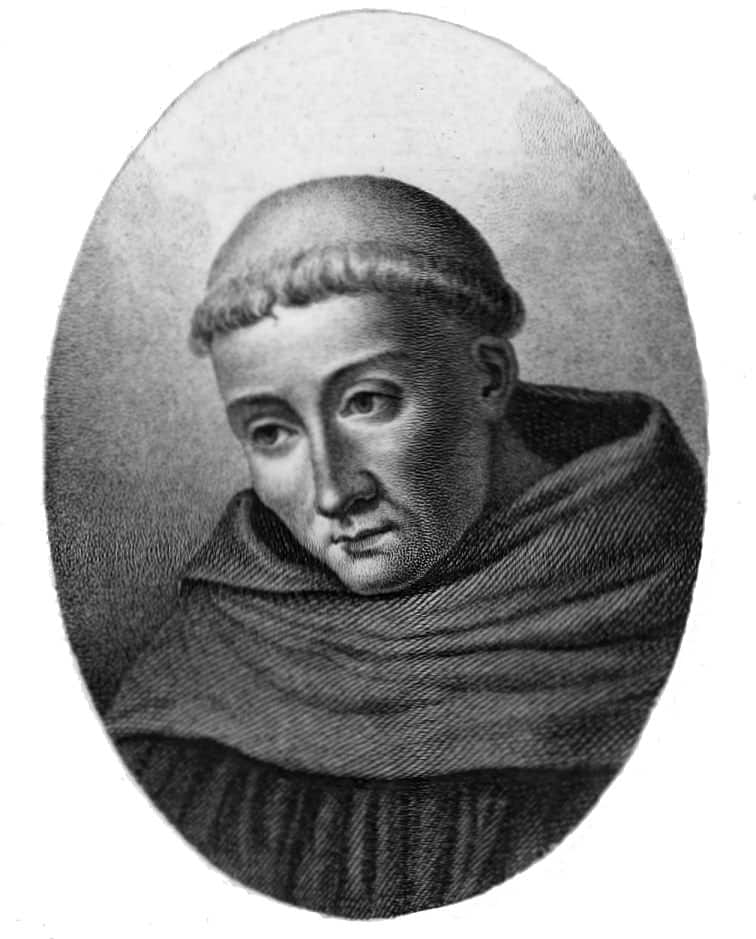
REGISTER HERE This master class is open to current students and faculty. PDFs of the readings will be made available for participants. This one-time Seminar will study selected writings of the great Cistercian theologian and mystic, Bernard of Clairvaux (1090-1157). Bernard was one of the most remarkable figures of the twelfth century—monastic leader, ecclesiastical politician, and noted theologian. His most important legacy, however, was as a mystic and mystical writer. His mystical treatises, such as On Loving God (De diligendo Deo), and especially his eighty-six sermons on the biblical Song of Songs (Sermones super Cantica Canticorum), are among the most…
Schola Antiqua Concert: Music in Secret
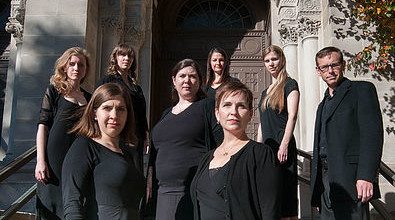
British organist and Renaissance music historian Naomi Gregory leads the women of Schola Antiqua in a wide-ranging program of music from medieval and early modern convents. “Music in Secret” offers some of the earliest known polyphony associated with nuns from the anonymous 1543 collection of printed partbooks Musica quinque vocum. In addition to plainchant sung from a recently unveiled source at the Art Institute of Chicago, Schola Antiqua’s program will include the music of Sulpitia Cesis, a nun from the northern Italian city of Modena. Gregory will also perform keyboard works linked to Italian convents. Guest viola da gamba player…
Master Class on “Saint Thomas Aquinas on the Metaphysics of Evil”
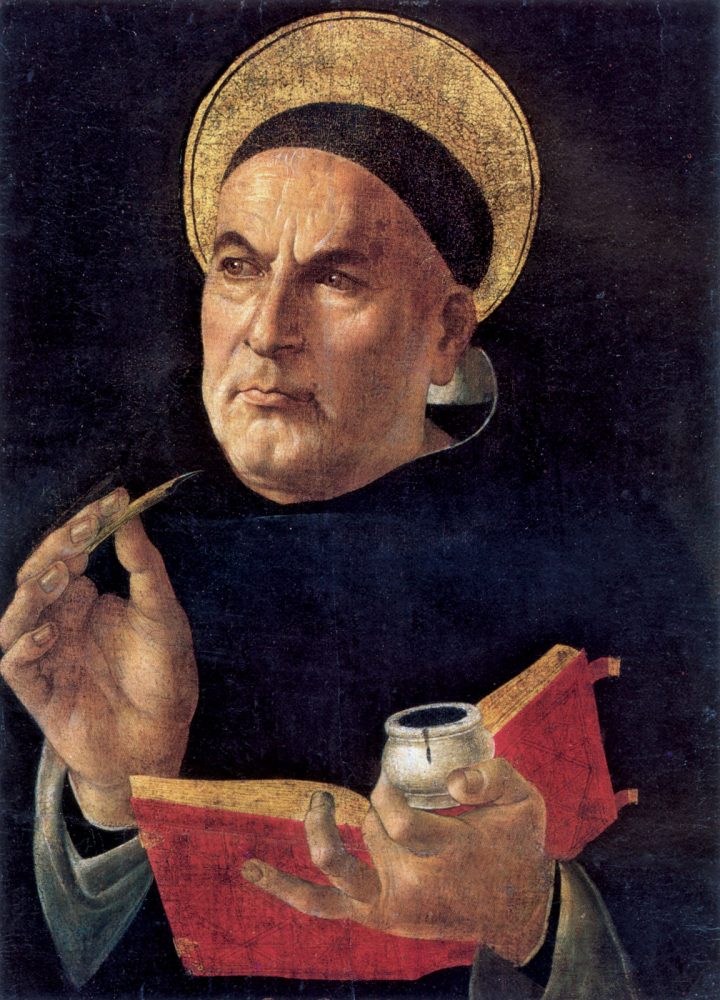
Registration Required. Open to current students and faculty. Copies of the readings will be provided. To view photos of the master class, visit Lumen Christi’s Facebook page. Saint Thomas Aquinas’s general conception of evil is very well known, and very simple. Evil, he holds, is nothing other than privation of due good. This conception has sometimes been criticized, as not adequate to our experience of evil or to certain types of evil. It is also connected with other controversial positions of his, such as that no one directly intends evil. And it is not easy to square with his own…
Angels, Demons, Heaven, and Hell: On Christian “Mythology” and the Spiritual Life
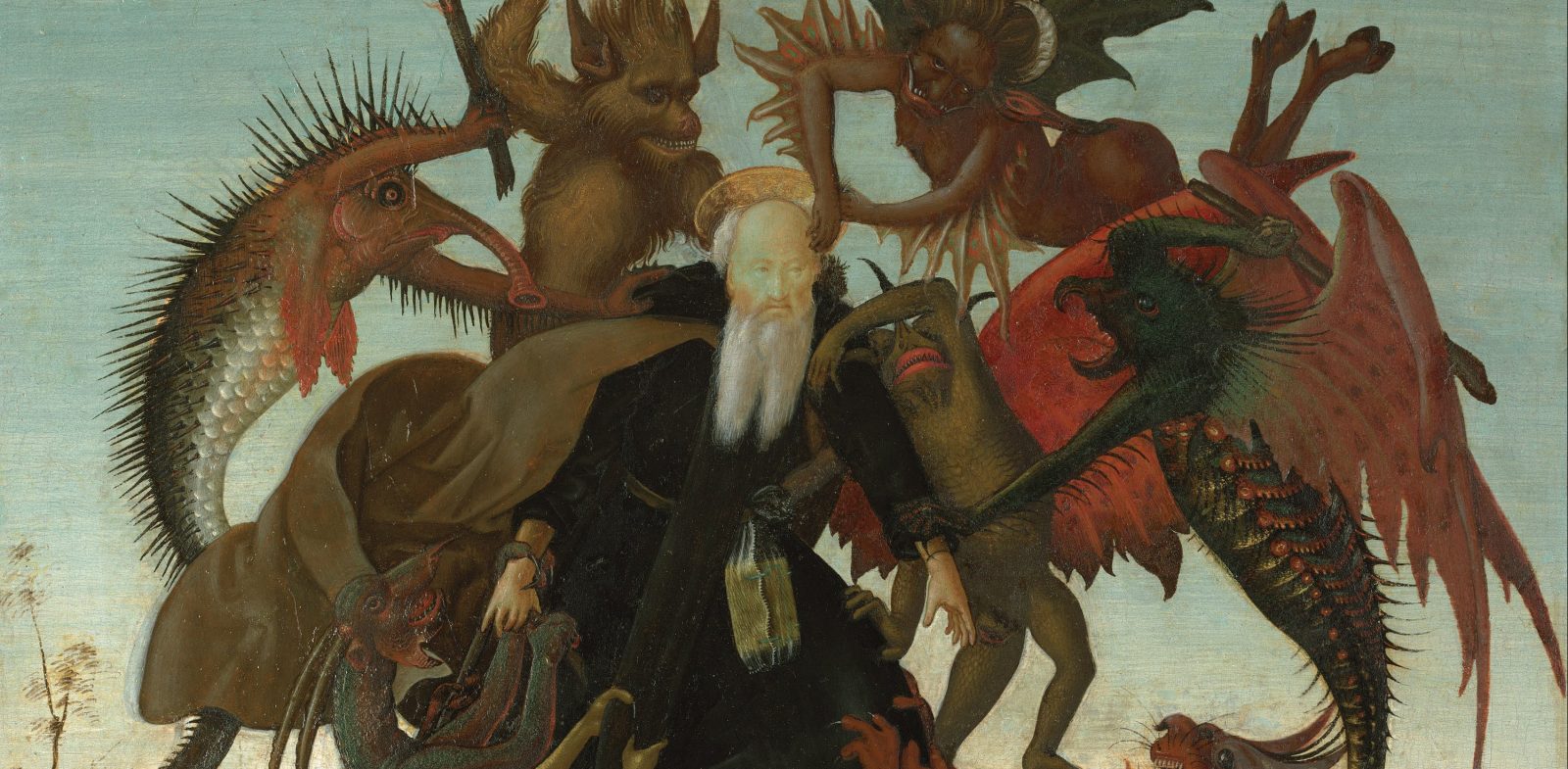
Join the Lumen Christi Institute for a special Epiphany symposium and reception with medieval historian Rachel Fulton Brown and Benedictine Monk Fr. Peter Funk, OSB. Free and open to the public. Many traditional Christian beliefs and teachings about spiritual realities have become unpalatable to modern sensibilities. Accounts of angelic visitations, demonic possessions, the stain of original sin, and the threat of eternal torment are today considered untrue or irrelevant by non-believers and even many Christians. Why were such “myths” so central to Christian belief and practice for so many centuries? Is there any value in understanding why ancient, medieval, and…
Master Class on Grace, Free Choice, and the Infused Virtues
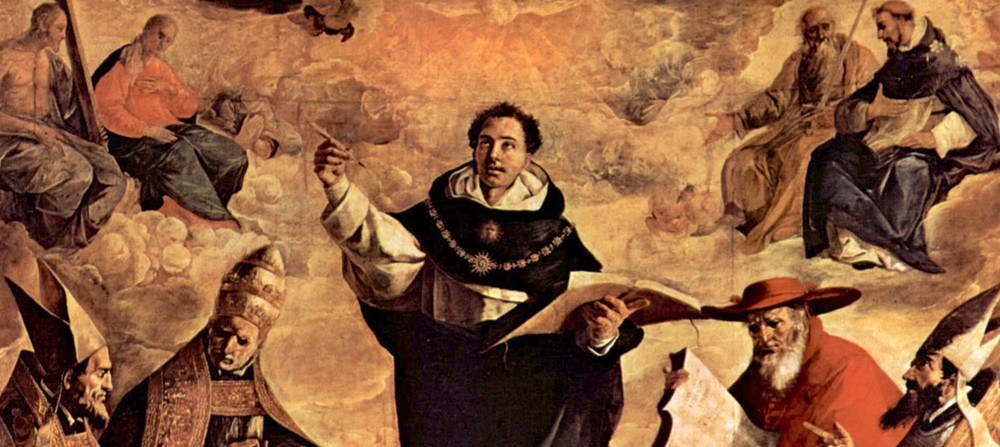
Open to current university students and faculty. A link to the readings will be provided for registrants. SESSION I: “Grace and Free Choice” Primary Reading: Thomas Aquinas, Summa Theologiae, Ia, q. 83, art. 1-4 Secondary Reading: Servais Pinckaers OP, The Sources of Christian Ethics, (Washington, D.C.: The Catholic University of America Press, 1995), chapters XIV-XV on the liberty of indifference and liberty of quality. Daniel Westberg, Right Practical Reason. Aristotle, Action, and Prudence in Aquinas, (Oxford: Clarendon Press, 1994), p. 119-135. Wojciech Giertych OP, “Conscience and the Liberum Arbitrium”, in: Crisis of Conscience, ed. by John M. Haas, (New York:…