
Master Class on The Cloud of Unknowing
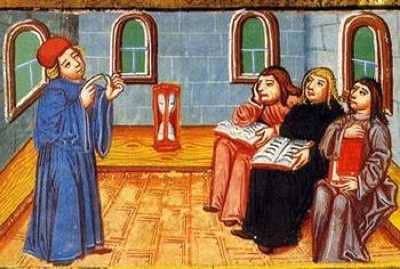
Co-sponsored by the Medieval Studies Workshop This master class is intended for graduate and advanced undergraduate students. If you have any questions, please contact Mark Franzen at mfranzen@lumenchristi.org. The Cloud of Unknowing is a work of spiritual counsel, a guide to a kind of contemplation, by a fourteenth-century English author, now unnamed but with several other works to his credit. It is a recognized masterpiece: serious, brilliant intellectually, and in literary terms cunning and audacious. It is easy to understand but hard to explain: making sense of its doctrine is not difficult, but making sense of what is means by that doctrine,…
The Spirit’s Bond: Gregory of Nyssa on the Inseparable Trinity
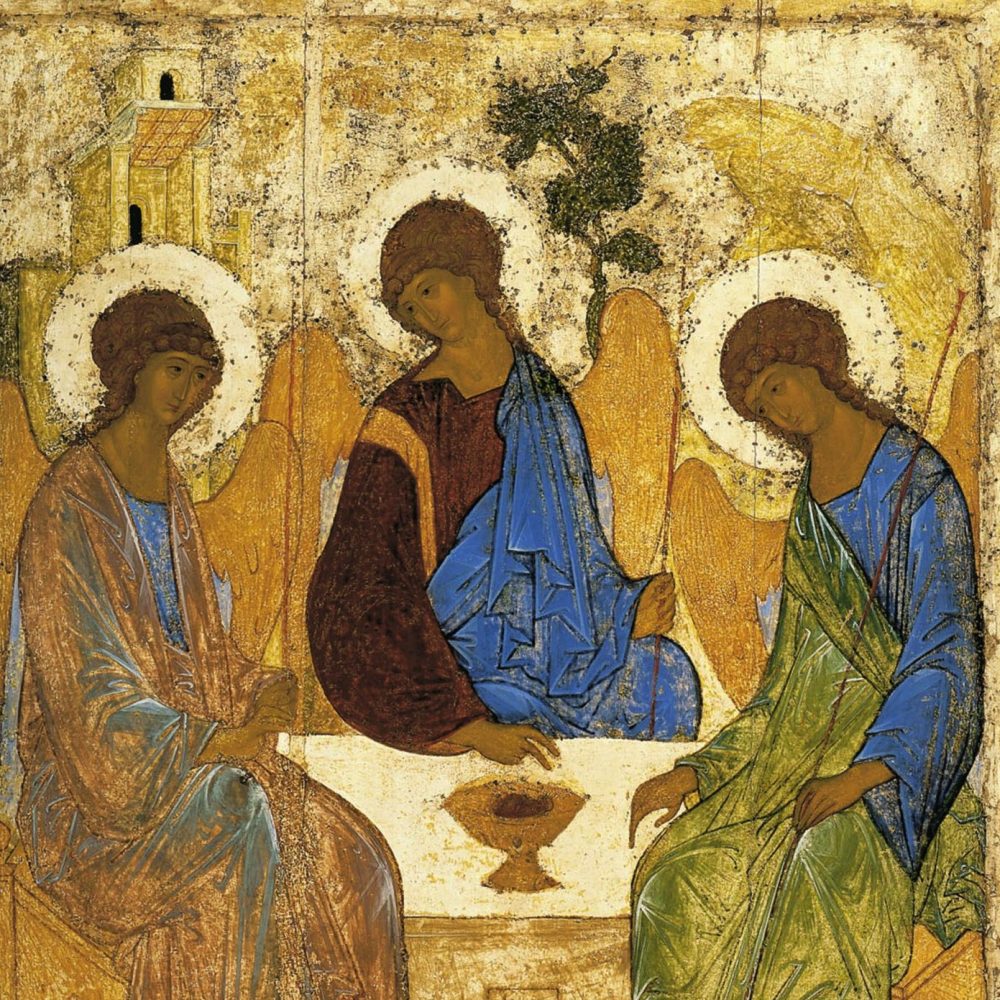
The creed recited by Catholic, Orthodox, Anglican, and many Protestant Christians every Sunday originated from the first two ecumenical councils of the Church, Nicea (325) and Constantinople (381), which affirmed the divinity of Christ and the unity of the Trinity. Among the Cappadocian Fathers who developed and defended the affirmations of the creed, Gregory of Nyssa (c. 335-395) is known for his contribution to the doctrine of the Trinity. Although he was cited by the Emperor Theodosius as an exemplar of Trinitarian orthodoxy, the exact nature of his doctrine remains a matter of dispute. He has been accused of every…
The Interior Castle of St. Teresa of Avila: A Map for our Spiritual Journey
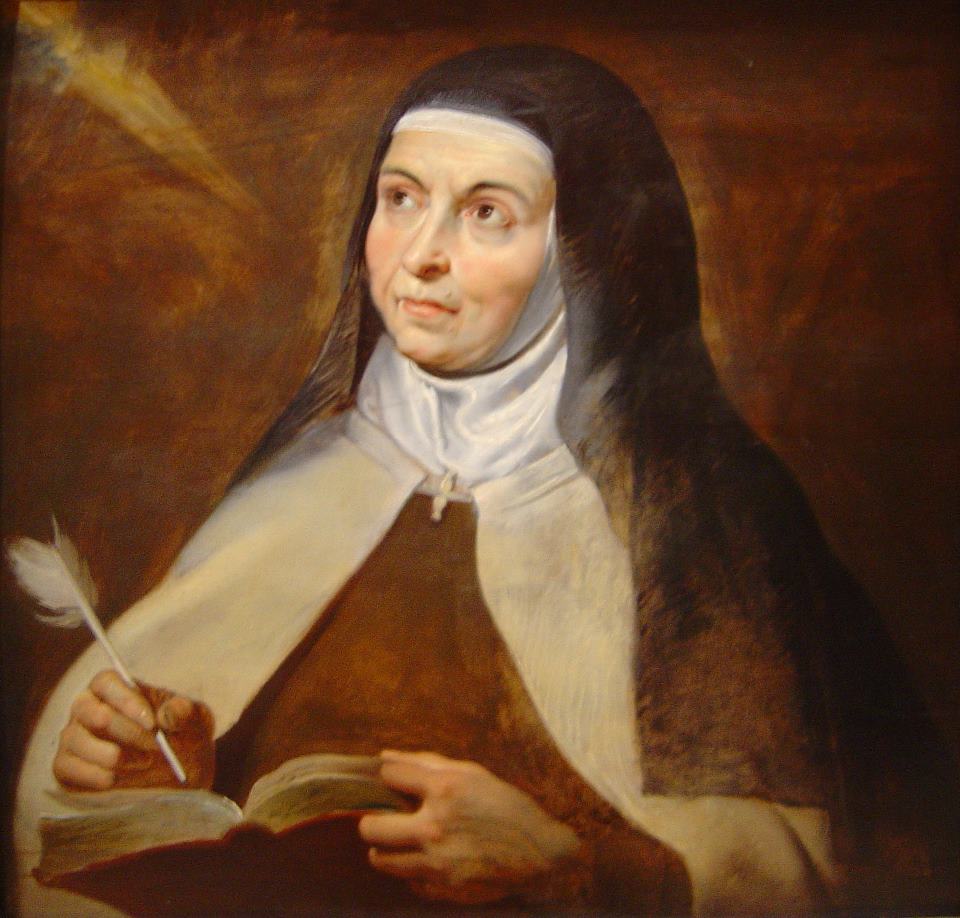
Long before developmental psychologists charted the seasons and passages of our human journey, St. Teresa of Avila mapped the transformation of her personality under the impact of God’s love in 16th century Spain. At age 62, this Carmelite nun wrote The Interior Castle, a classic summary of her prayer experience. She images the soul’s journey through a crystal castle to its center, culminating in intimate union with God. This lecture is cosponsored by the History of Christianity Club and made possible by a grant from the Carmelite Friars at St. Thomas the Apostle.
Bernard of Clairvaux, the Last of the Fathers and the End of the Middle Ages
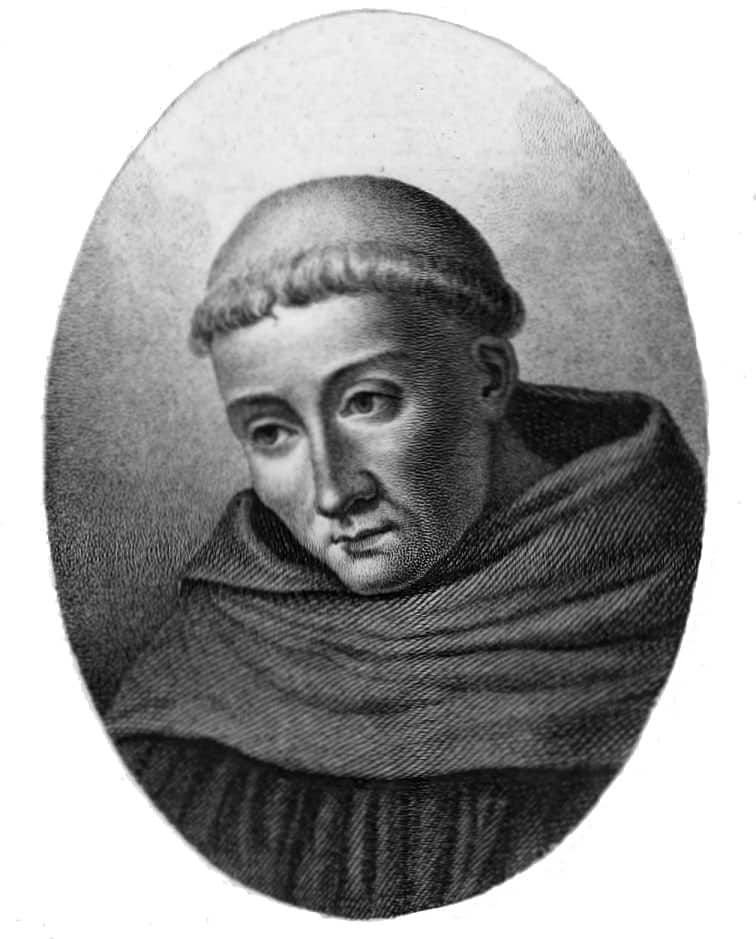
Cosponsored by The Medieval Studies Workshop and The Theology Workshop The 12th century monastic reformer Bernard of Clairvaux recruited hundreds of young men to the cloister or claustrum (enclosure) of Cistercian monastic life. The rhythm of life in the monastic enclosure not only rules the structured existence of the monks but also alters their experience of time from linear to circular while maintaining the goal of the world to come. Bernard’s eloquent insistence on this way of life represents the end of an era and, to an extent, the end of the Middle Ages.
The Divine is Everywhere
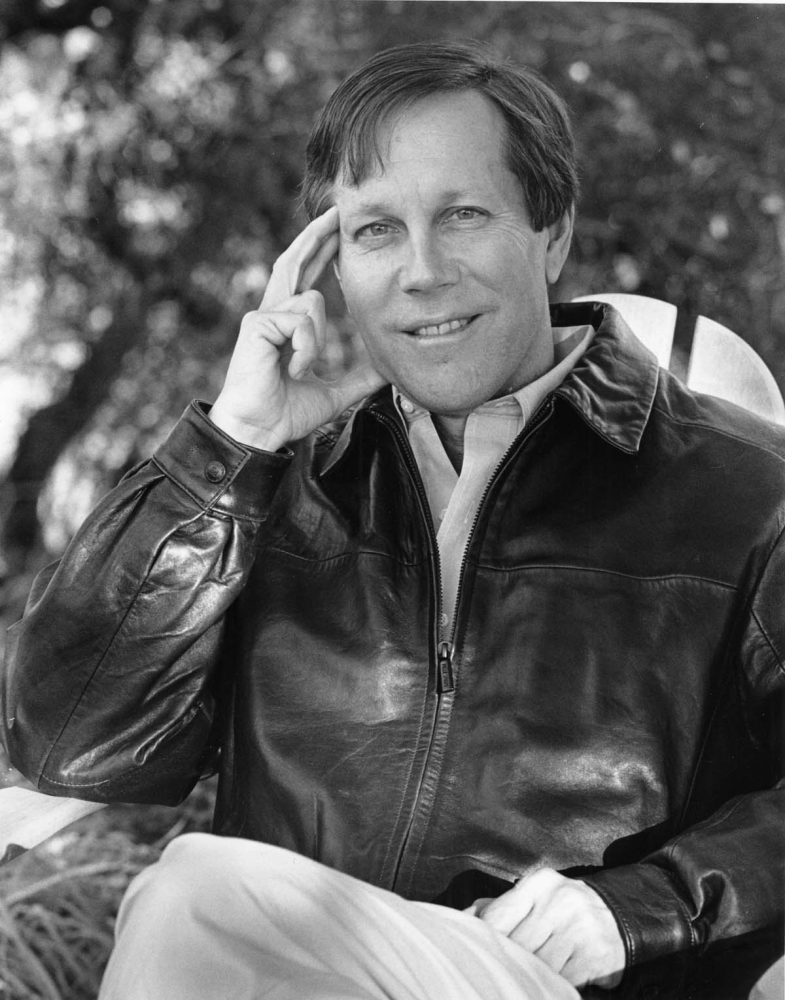
Read the Chicago Maroon article about Dana Gioia’s visit to the University of Chicago HERE. Dana Gioia—award-winning poet (American Book Award, 2002; Notre Dame’s Laetare Medal Recipient, 2010) and former Chairman of the National Endowment for the Arts—takes the faith seriously. During his career as a businessman and later when living in Washington D.C., he drew strength from rereading Augustine’s City of God, helping him resist the lust for wealth, power, and status that tempts many who find themselves in corporate America and the nation’s capital. Gioia eschews an understanding of the faith that is glib and glossy, that doesn’t explore the…
“Pacem in Terris after Fifty Years: Lessons for the Middle East?” at Harvard Law School
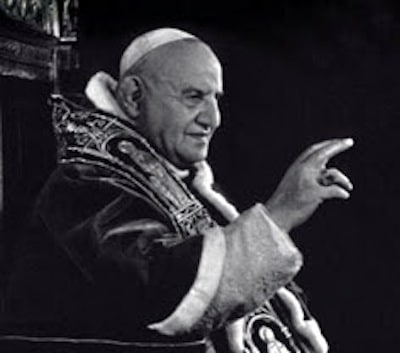
Presenter: Russell Hittinger (University of Tulsa) Respondents: Andrew Bacevich (Boston University) Habib Malik (Lebanese American University) Moderator: Mary Ann Glendon (Harvard Law School) REGISTER HERE On April 11, 1963, amid the tensions of the Cold War, and shortly after the erection of the Berlin Wall, Pope John XXIII addressed his encyclical Pacem in terris to all people of good will. He invites them to consider the conditions for establishing universal peace on earth in truth, justice, charity, and liberty. This symposium will examine the affirmations of Pacem in terris as they bear today on human rights, religious freedom, and the international political and economic…
After Huizinga: The Low Countries as Cradle of Spiritual Innovation in the Late Middle Ages
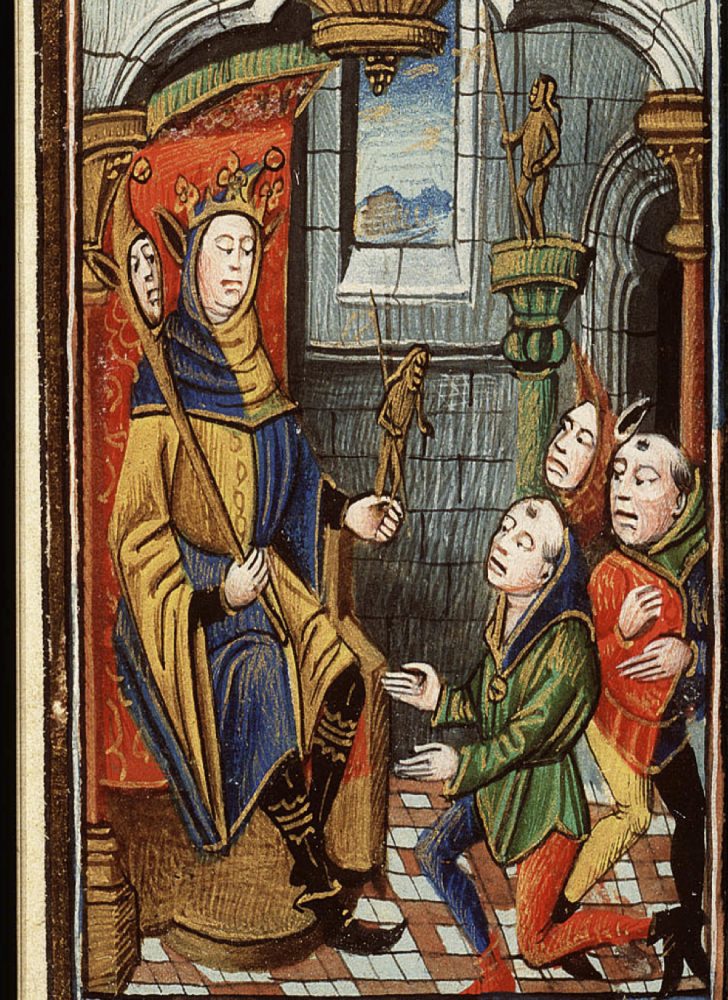
Frits van Oostrom (Ultrecht University) This public lecture is presented by the University of Chicago Divinity School. Cosponsored by the Martin Marty Center for the Advanced Study of Religion, the Medieval Studies Workshop, and the Lumen Christi Institute. Free and open to the public. Reception to follow.
Master Class on “Thinking on One’s Knees: Von Balthasar and Nasr on Theology and Sanctity”
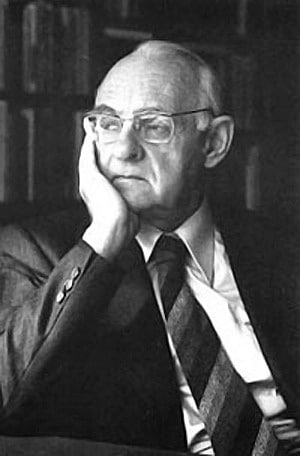
Fr. Raymond Gawronski, S.J. (Dominican School of Philosophy and Theology, Berkeley) REGISTER HERE Open to all graduate and undergraduate students (including non-University of Chicago students). Copies of the readings will be provided. Registration is required as space is limited. Please contact Mark Franzen with any questions. Hans Urs von Balthasar’s distinction between “sitting” and “kneeling” theologies has become paradigmatic. He also thought the split between thinking (dogmatic) and praying (mystical/spiritual) theologies has been the worst tragedy to befall Christianity in its long history. In his Gifford Lectures of 1980-81, Persian born scholar and “perennialist” Seyyed Hossein Nasr surveyed the sweep of Western intellectual history,…
Saint John Paul II and the Polish Catholic Experience
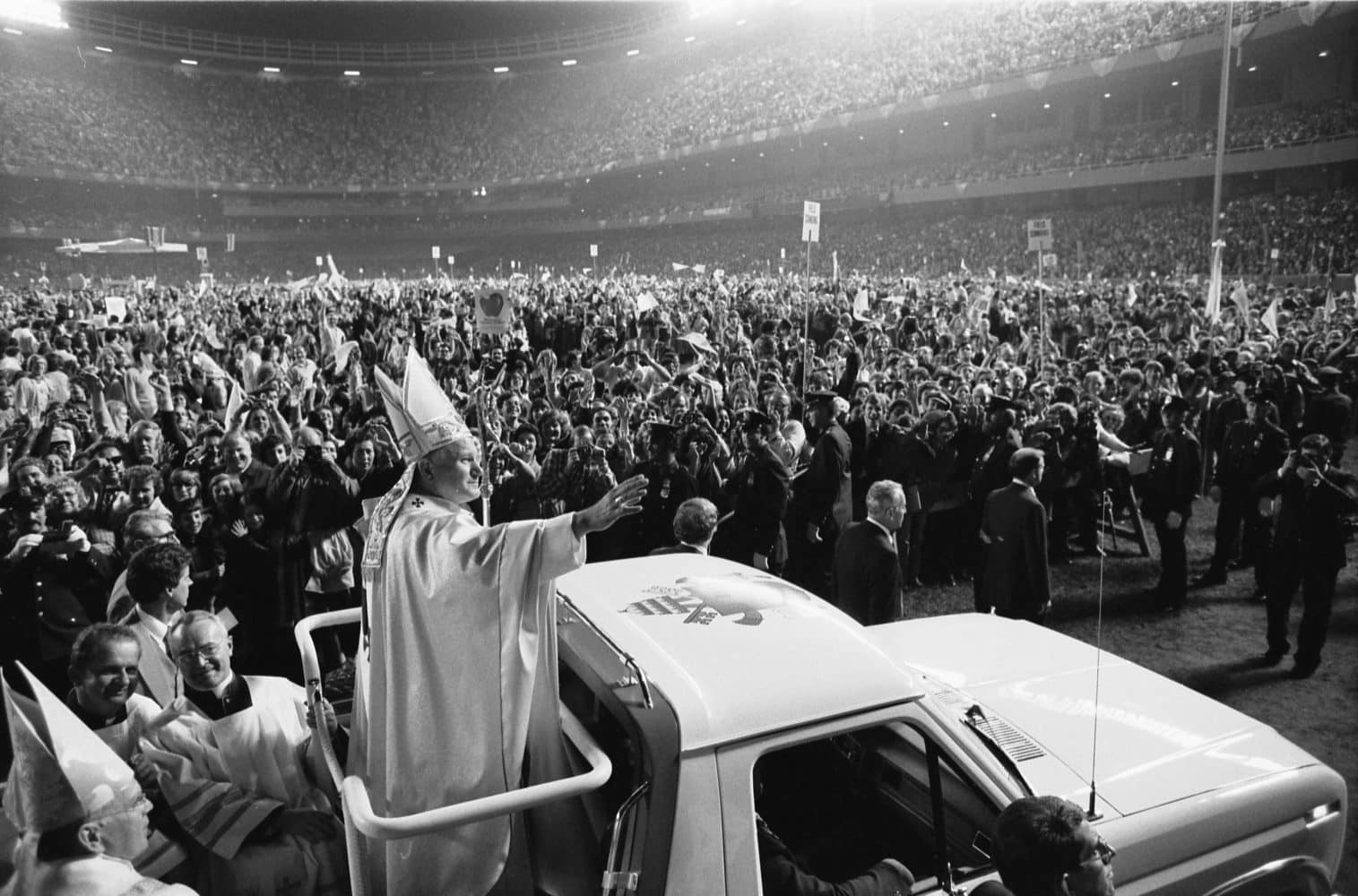
Fr. Raymond Gawronski, S.J. (Dominican School of Philosophy & Theology, Berkeley) cosponsored by The Copernicus Foundation, Calvert House, and the Polish American Student Association Often referred to as “The Polish Pope,” John Paul II is better described as a global pope. The Polish experience offers a unique perspective that bore fruit in the person of Pope John Paul II, who held the world’s attention for decades and offered a way to be Catholic in the Church’s new situation of worldly powerlessness. Through the lens of the Polish experience in Europe and America – the “Polish hermeneutic” – this talk will explore…
David Dancing Before the Ark: The Liturgical Theology Implicit in 2 Samuel 6
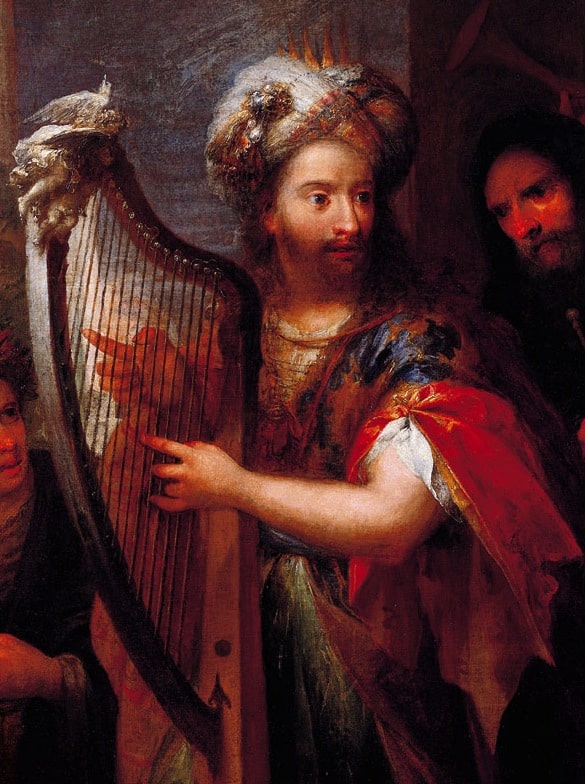
Fr. Robert Barron (Rector of Mundelein Seminary/University of Saint Mary of the Lake; founder of Word on Fire) David danced before the Ark as an image of humanity dancing with the Lord, recovering the effortless harmony of Eden. In this lecture, Robert Barron will explore the role of King David as a new Adam and cite the solemn protection God extends to the Ark of the Covenant as an example of the importance of proper worship. Throughout the Scriptures, God attempts to “Eden-ize” man — that is, to return him to harmony with Himself, his fellow men and women, and…