
Symposium on “The Life of Teresa of Avila: A Biography”
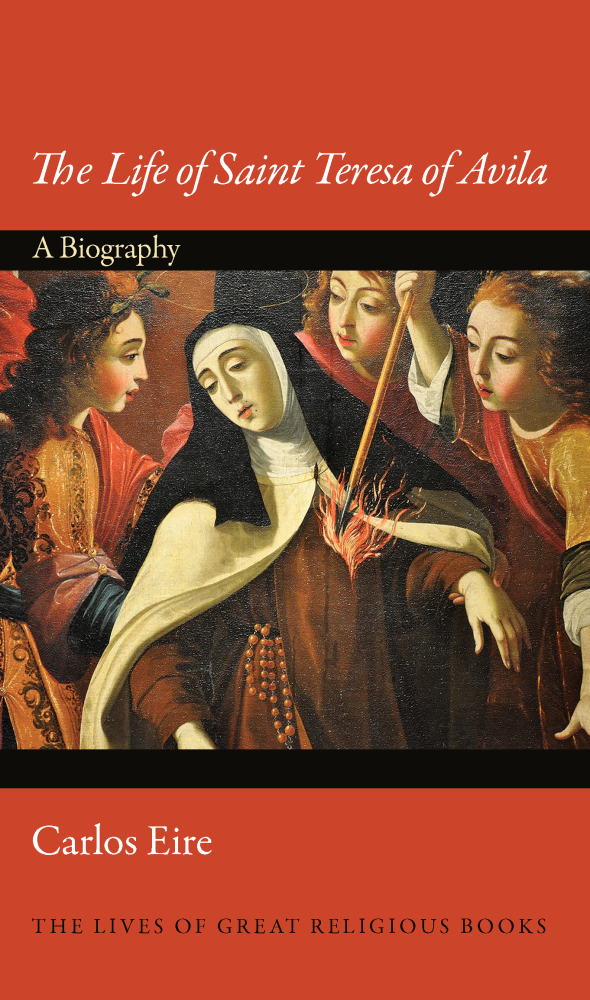
Free and open to the public. Cosponsored by Martin Marty Center for the Public Understanding of Religion at the Divinity School, the Department of Romance Languages and Literatures, and the Medieval Studies Workshop. This program was made possible in part by a grant from the Our Sunday Visitor Institute. Copies of The Life of Saint Teresa of Avila: A Biography (Princeton University Press, 2019) are available for sale by the Seminary Coop Bookstore. Saint Teresa of Avila’s Life is among the most remarkable accounts ever written of the human encounter with the divine. The Life is not really an autobiography at all,…
John Henry Newman’s Path to Sainthood
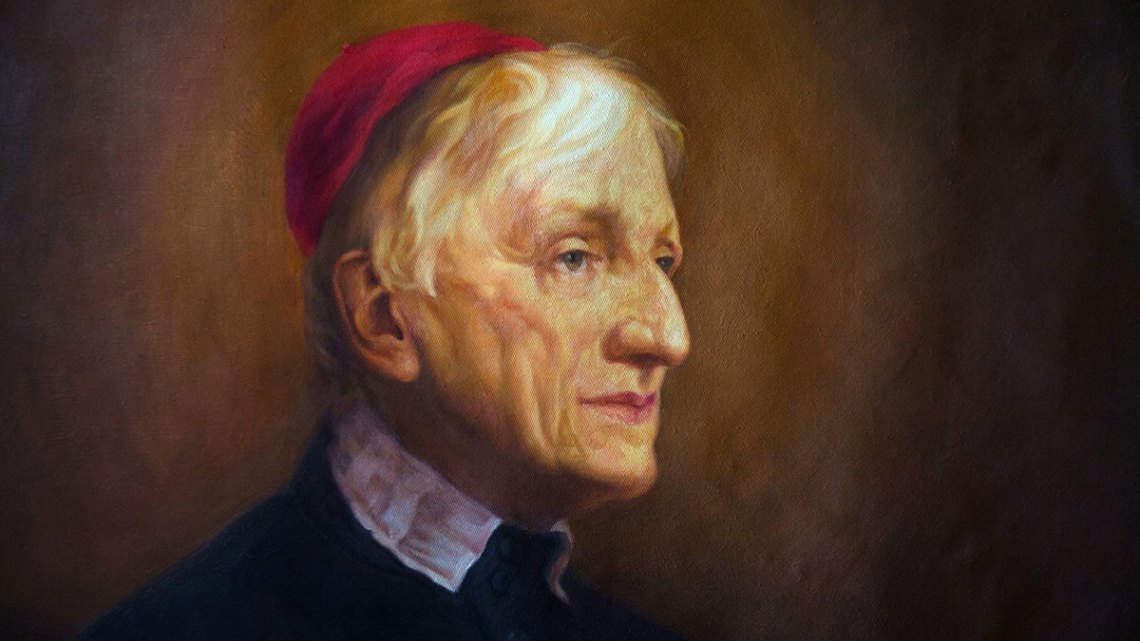
This event was cosponsored by Mundelein Seminary, the Sheil Catholic Center at Northwestern University, the Hank Center for the Catholic Intellectual Heritage at Loyola University Chicago, the Department of Catholic Studies at DePaul University, the Calvert House Catholic Center at the University of Chicago, and the John Paul II Newman Center at UIC. What makes a modern saint? On October 13th, Cardinal John Henry Newman (1801-1890), English theologian, philosopher and cardinal, was officially canonized a saint of the Roman Catholic Church. This event at Holy Name Cathedral was a presentation on the life and sanctity of John Henry Newman by…
Master Class on “The Life of Teresa of Avila”
This program was made possible in part by a grant from the Our Sunday Visitor Institute. The Life of Saint Teresa of Avila is one of the most remarkable accounts ever written of the human encounter with the divine. This text is not really an autobiography at all, despite the fact that it is widely regarded as such, but rather a confession written for inquisitors by a nun whose raptures and mystical claims had aroused suspicion. Despite its troubled origins, and despite the fact that some clergy continued to condemn it after it was published, the book has had a…
Newman’s Apologetics of the Imagination
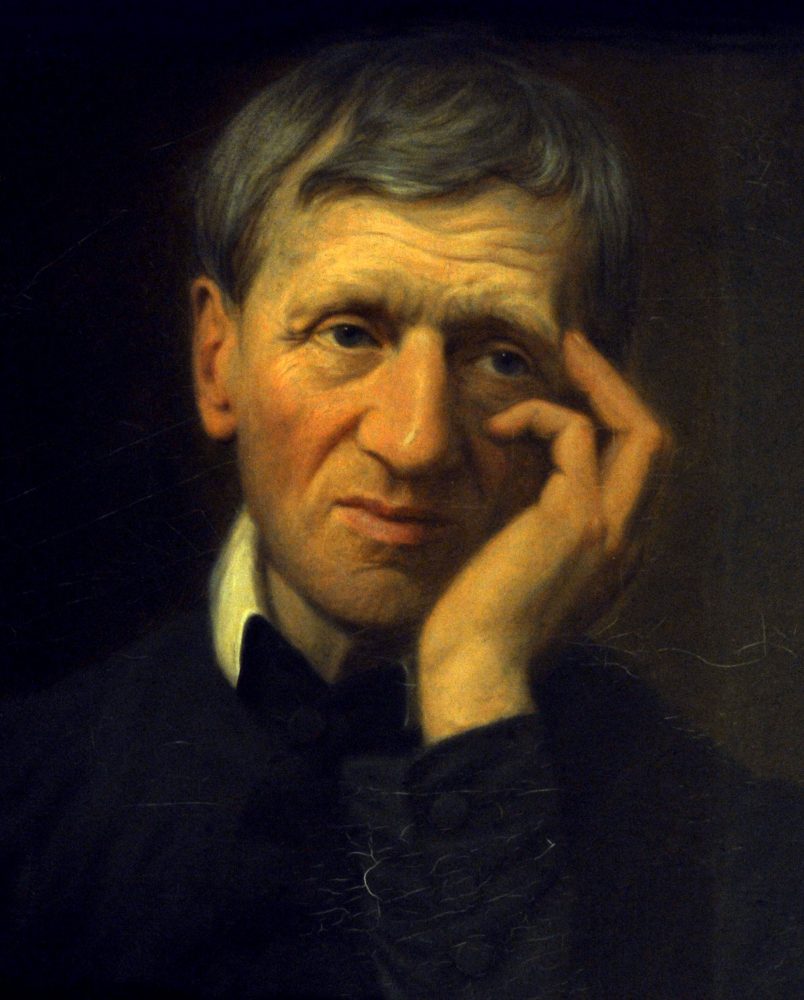
This event was cosponsored by the Nicholson Center for British Studies. John Henry Newman famously insisted that “the heart is commonly reached not through the reason, but through the imagination.” As a theologian, apologist, and the 19th century’s most famous convert, Newman was keenly attentive to the foundations of religious belief. His apologetic career is, in some sense, an appeal to the imagination in contradistinction to the prevailing empiricism of Locke and Hume. In his novels, sermons, lectures, and even his philosophical magnum opus, the Grammar of Assent, Newman defends an understanding of the imagination that harmonizes religious faith and rational inquiry.
The Human Person in an Age of Biotechnology: A Symposium
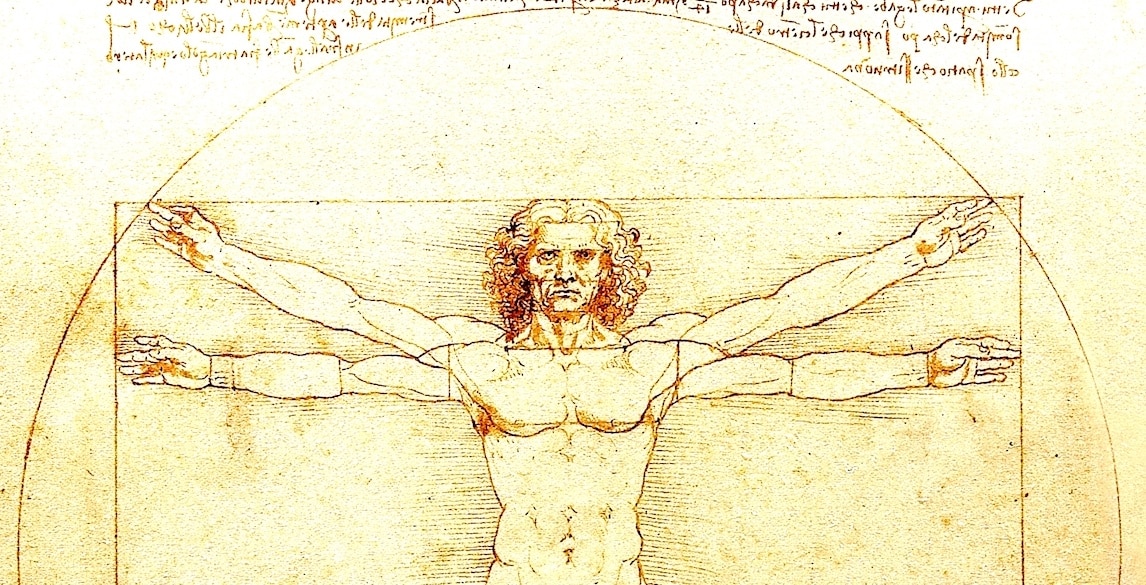
We are at the very outset of the Age of Biotechnology. This presses anew questions regarding the limits of the human person. What is the human species from the point of view of evolutionary biology? How malleable is this definition? Is there such a thing as a species? How does this compare to philosophical perspectives on the person? The questions above are not new, but they have acquired new urgency with recent advances in biotechnology. In ths symposium, six distinguished scholars discuss these and other pressing questions in two panels–the first addressing these issues in the practice of science and application…
Master Class on “Heidegger & Aquinas on the Question Concerning Technology”
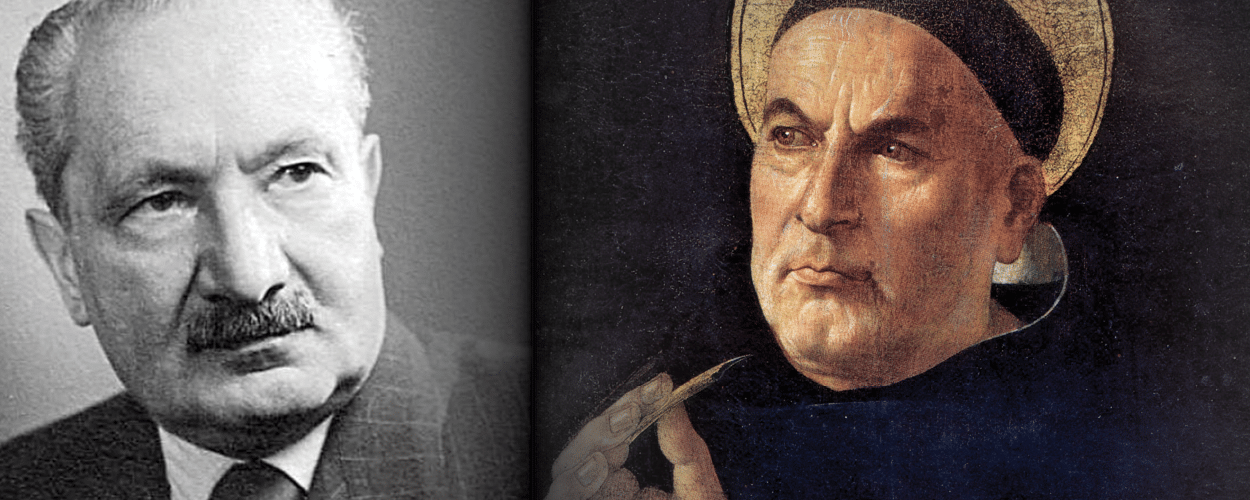
REGISTER HERE Open to current students and faculty. Copies of the readings will be provided for those who register. SCHEDULE 9:30am Coffee & Pastries 10:00am Session I 11:25am Break 11:35am Session II 1:00pm End, lunch REQUIRED READINGS Thomas Aquinas, Summa Theologica, I, Q.47, Art.1-2 (on creation); III, Q.60, Art.2-4 (on sacraments) Martin Heidegger, The Question Concerning Technology RECOMMENDED READINGS Francisco Benzoni. “Thomas Aquinas and Environmental Ethics: A Reconsideration of Providence and Salvation.” The Journal of Religion, Vol. 85, No. 3 (July 2005), pp. 446-476. Bernard Stiegler, Technics and Time, 1 (Stanford University Press, 1998) pp. 1-27.
Non-Credit Course on Modern Science and Christian Faith
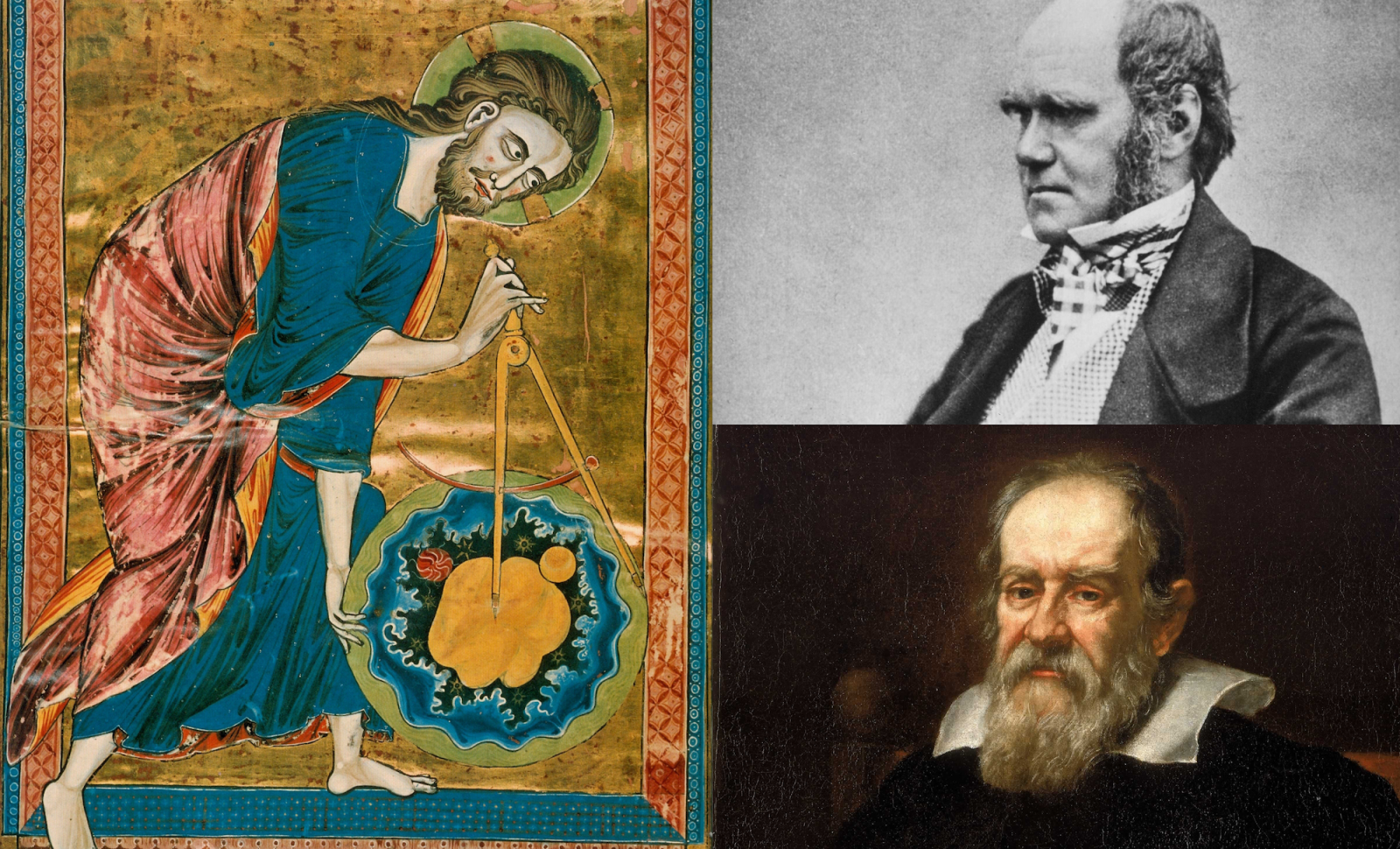
6:00 Dinner | 6:30 Lecture This weekly non-credit course is open to current students and faculty. Registrants are free to attend as many sessions as they choose. Sessions do not presuppose previous attendance or prior knowledge of the subject. This program is made possible by a grant from the John Templeton Foundation and The Our Sunday Visitor Institute. People of faith have been deeply involved in the pursuit of science throughout the history of the discipline, from pioneering advances like the Big Bang and the building blocks of modern genetics, to the everyday, incremental toil of research. Yet, it is…
Becoming Human in Light of the Gospel of John
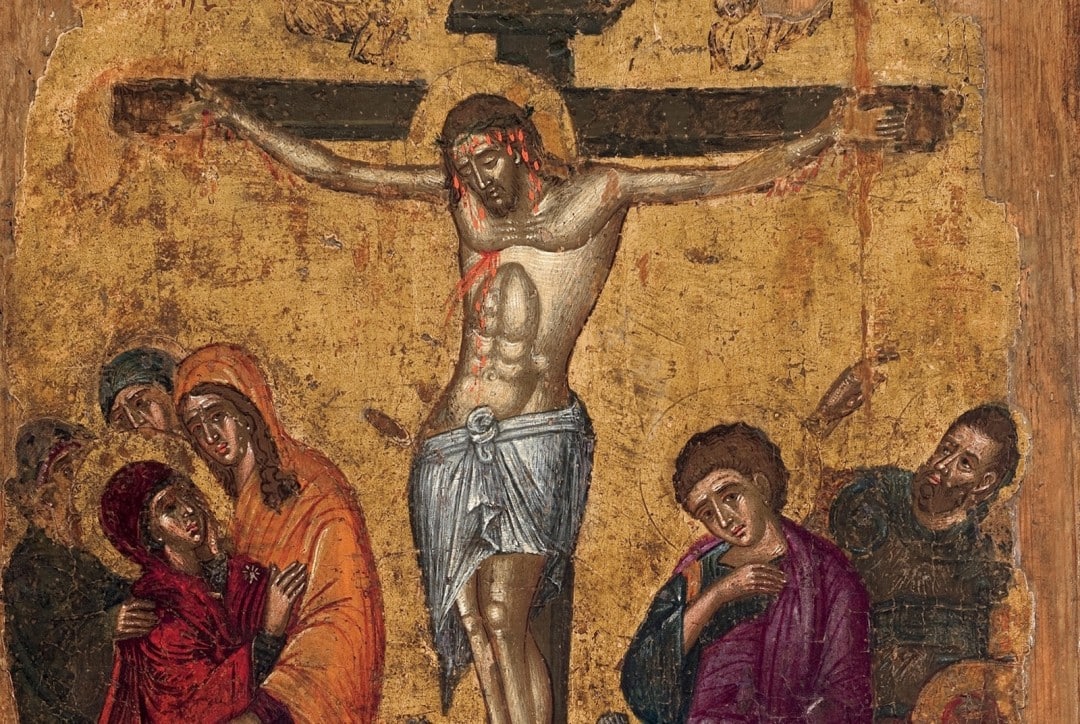
This event was Cosponsored by the Theology and Ethics Workshop, the Orthodox Christian Fellowship, and St. Makarios the Great Orthodox Mission. Fr. Behr also led a master class for students and faculty on January 17 on Maximus the Confessor. On his way to Rome, Ignatius of Antioch urges the Christians there not to interfere with his impending martyrdom: ‘hinder me not from living, do not wish me to die, allow me to receive the light, when I will have arrived here, I will be a human being’! In this lecture, Fr John Behr will explore how the Gospel of John alludes…
Master Class on Maximus the Confessor
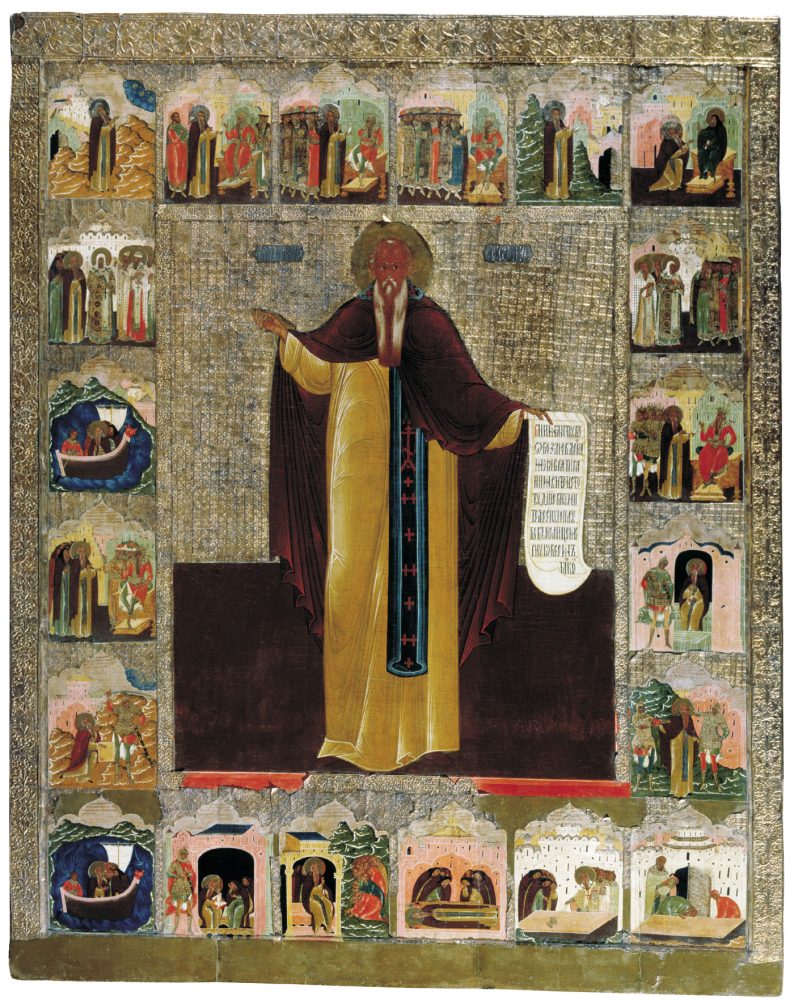
St. Maximus the Confessor is rapidly becoming one of the most studied of all early Christian theologians; the depths and richness of his writings and theology are being ever more appreciated. This masterclass focused on one specific—and short—text, Ambiguum 41, perhaps the richest of them all and certainly the one for which is best known. It speaks of five fundamental differences or divisions within being, with the vocation of the human being to unite them: Uncreated and created; intelligible and sensible; heaven and earth; paradise and the inhabited world; male and female. We will work through the Greek text (with a…
Master Class on Yves Congar’s “True and False Reform in the Church”
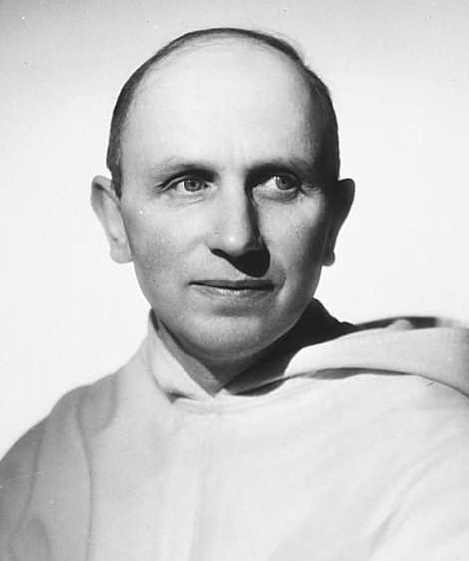
This program was open to students, faculty, and staff. Is a reform of the church really possible? Yves Congar’s True and False Reform (1950), although initially restricted by the Holy See, became an instrumental text in setting the stage for the Second Vatican Council, and remained one of the most important theological works of the 20th century. Pope John XXIII initially described the goals of the council in terms that reflected Congar’s description of authentic reform: reform that penetrates to the heart of doctrine as a message of salvation for the whole of humanity, that retrieves the meaning of prophecy in…