
Plato’s Bedroom: Desire, Union, and Procreation
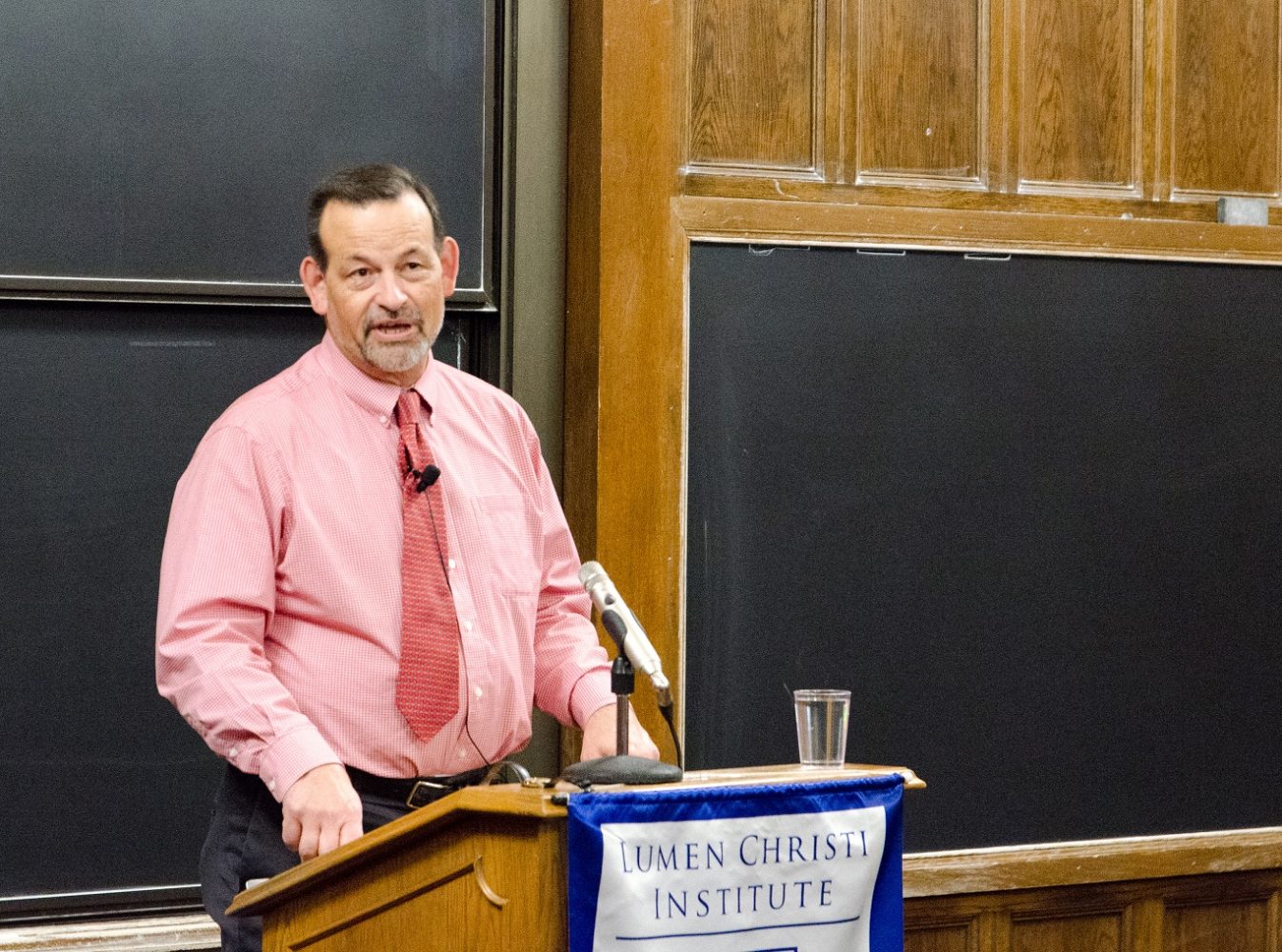
Free and open to the public. Cosponsored by the Department of Philosophy. Plato found philosophy in some of the same erotic anxieties that permeate contemporary life, and even explored themes central to Catholic conceptions of sexuality. This lecture will be based on central themes from Plato’s Symposium, drawing on David O’Connor’s Plato’s Bedroom: Ancient Wisdom and Modern Love. ABOUT Plato’s Bedroom Plato’s Bedroom is a book for people who want to be better at falling in love and being in love, with all the ecstasies and dangers erotic life can bring. It is also an inviting book for readers who…
Body, Eros, and Eucharist
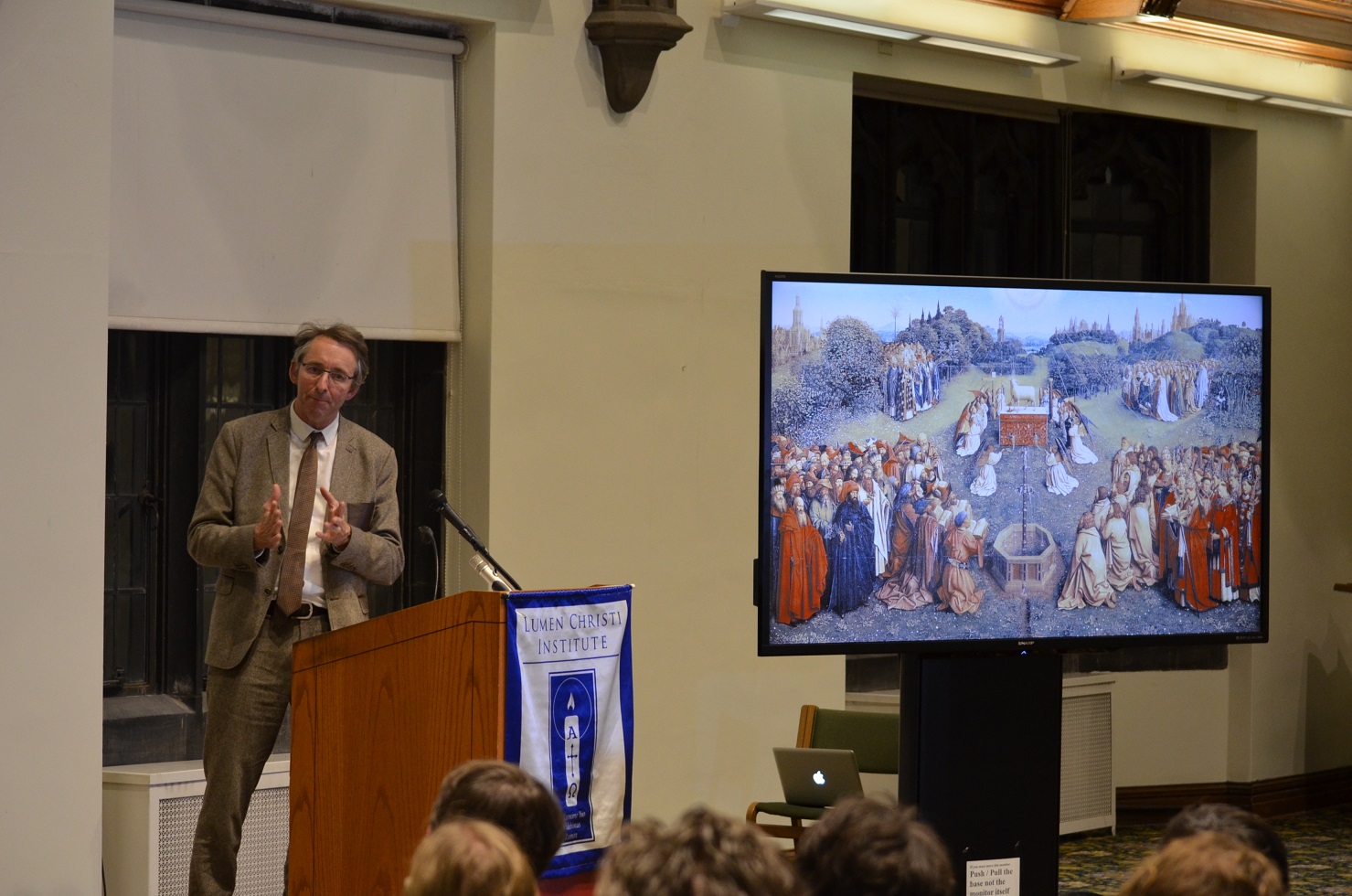
Free and open to the public. Cosponsored by the Martin Marty Center for the Public Understanding of Religion. About The Wedding Feast of the Lamb: In The Wedding Feast of the Lamb, Emmanuel Falque links philosophy and theology in an original fashion that allows us to see the full effect of theology’s “backlash” against philosophy. By attending closely to the incarnation and the eucharist, Falque develops a new concept of the body and of love: By avoiding the common mistake of “angelism”―consciousness without body―Falque considers the depths to which our humanity reflects animality, or body without consciousness. He shows the…
Angels, Demons, Heaven, and Hell: On Christian “Mythology” and the Spiritual Life
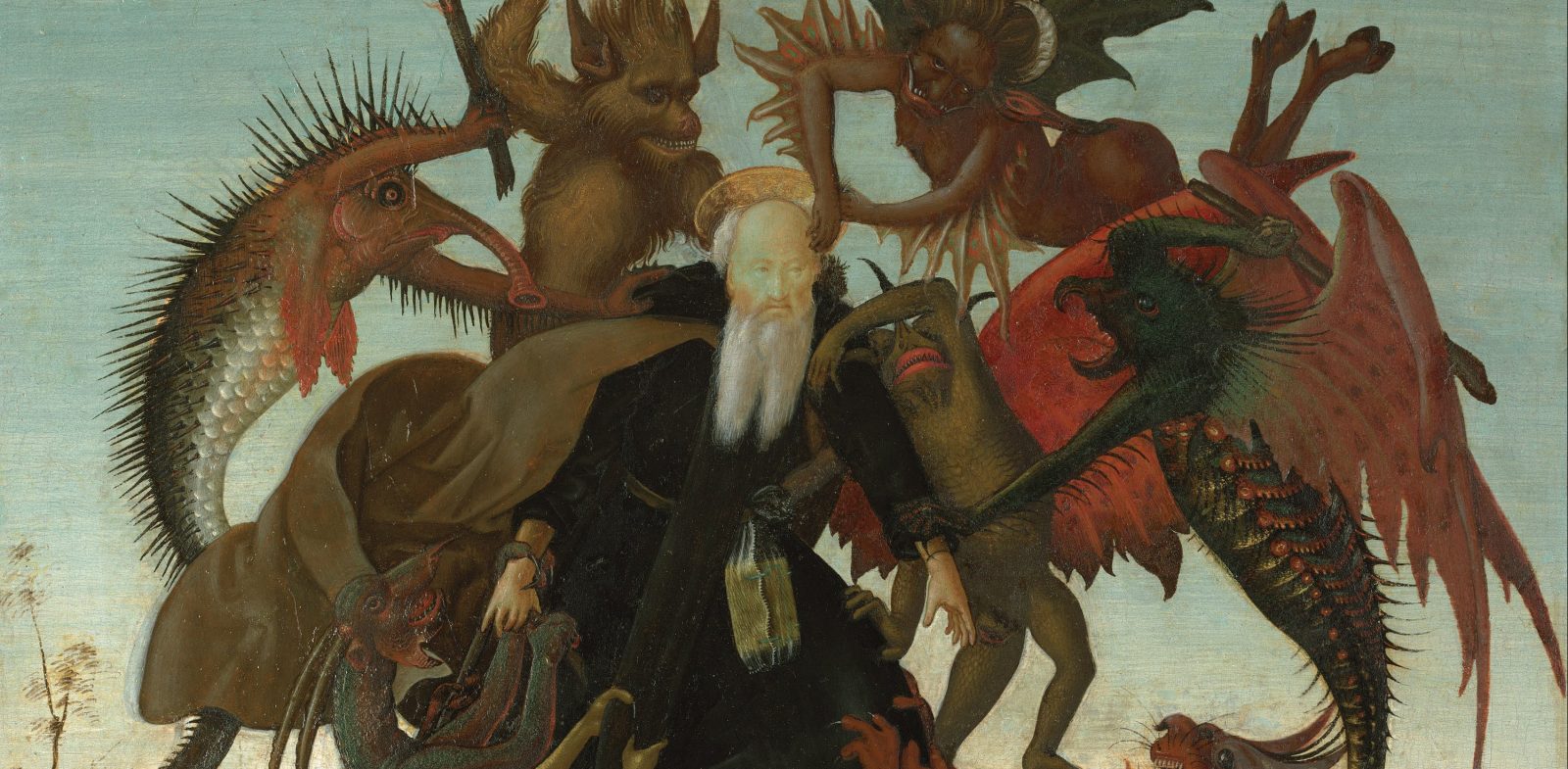
Join the Lumen Christi Institute for a special Epiphany symposium and reception with medieval historian Rachel Fulton Brown and Benedictine Monk Fr. Peter Funk, OSB. Free and open to the public. Many traditional Christian beliefs and teachings about spiritual realities have become unpalatable to modern sensibilities. Accounts of angelic visitations, demonic possessions, the stain of original sin, and the threat of eternal torment are today considered untrue or irrelevant by non-believers and even many Christians. Why were such “myths” so central to Christian belief and practice for so many centuries? Is there any value in understanding why ancient, medieval, and…
Science and Theology of Habitable Worlds Around Other Stars
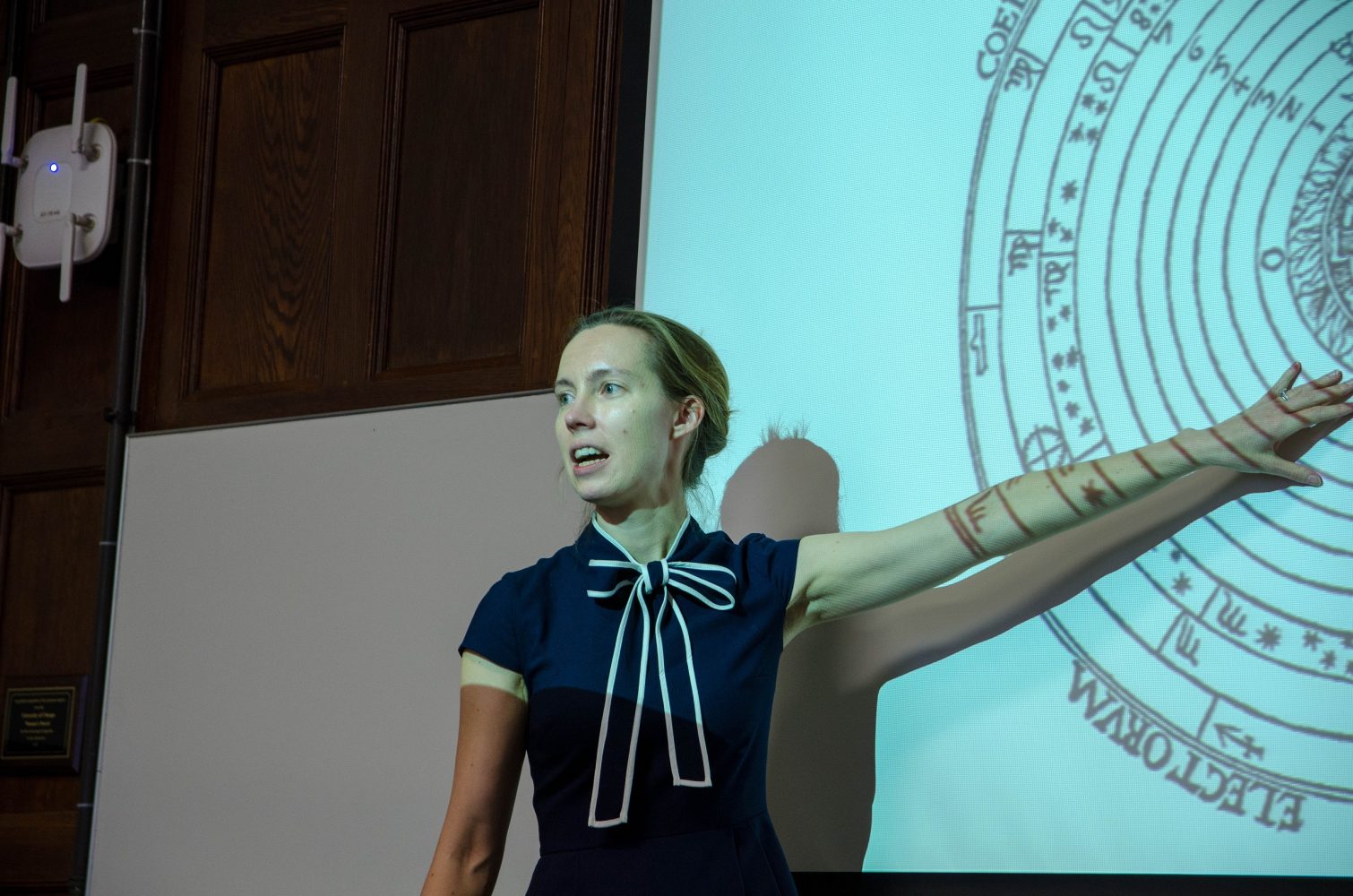
Free and open to the public. Cosponsored by the Hildegard of Bingen Society for Christian Thought and Culture. You can view Professor Öberg’s recent presentation at the 2017 Society of Catholic Scientists Conference HERE. To view photos of the event, visit Lumen Christi’s Facebook page. You can subscribe to the Lumen Christi Institute Podcast via our Soundcloud page, iTunes channel, Stitcher, TuneIn, ListenNotes, Podbean, Pocket Casts, and Google Play Music.
Master Class on Grace, Free Choice, and the Infused Virtues
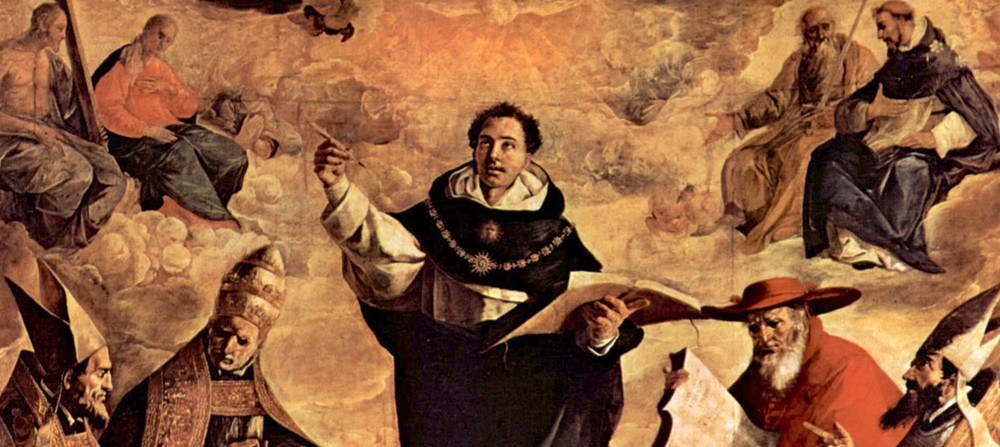
Open to current university students and faculty. A link to the readings will be provided for registrants. SESSION I: “Grace and Free Choice” Primary Reading: Thomas Aquinas, Summa Theologiae, Ia, q. 83, art. 1-4 Secondary Reading: Servais Pinckaers OP, The Sources of Christian Ethics, (Washington, D.C.: The Catholic University of America Press, 1995), chapters XIV-XV on the liberty of indifference and liberty of quality. Daniel Westberg, Right Practical Reason. Aristotle, Action, and Prudence in Aquinas, (Oxford: Clarendon Press, 1994), p. 119-135. Wojciech Giertych OP, “Conscience and the Liberum Arbitrium”, in: Crisis of Conscience, ed. by John M. Haas, (New York:…
The Moral Theology of Aquinas: Is it for Individuals?
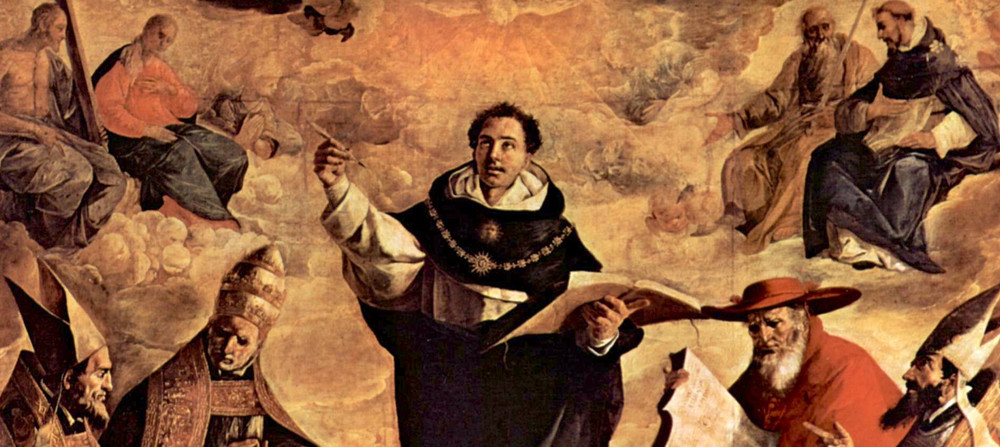
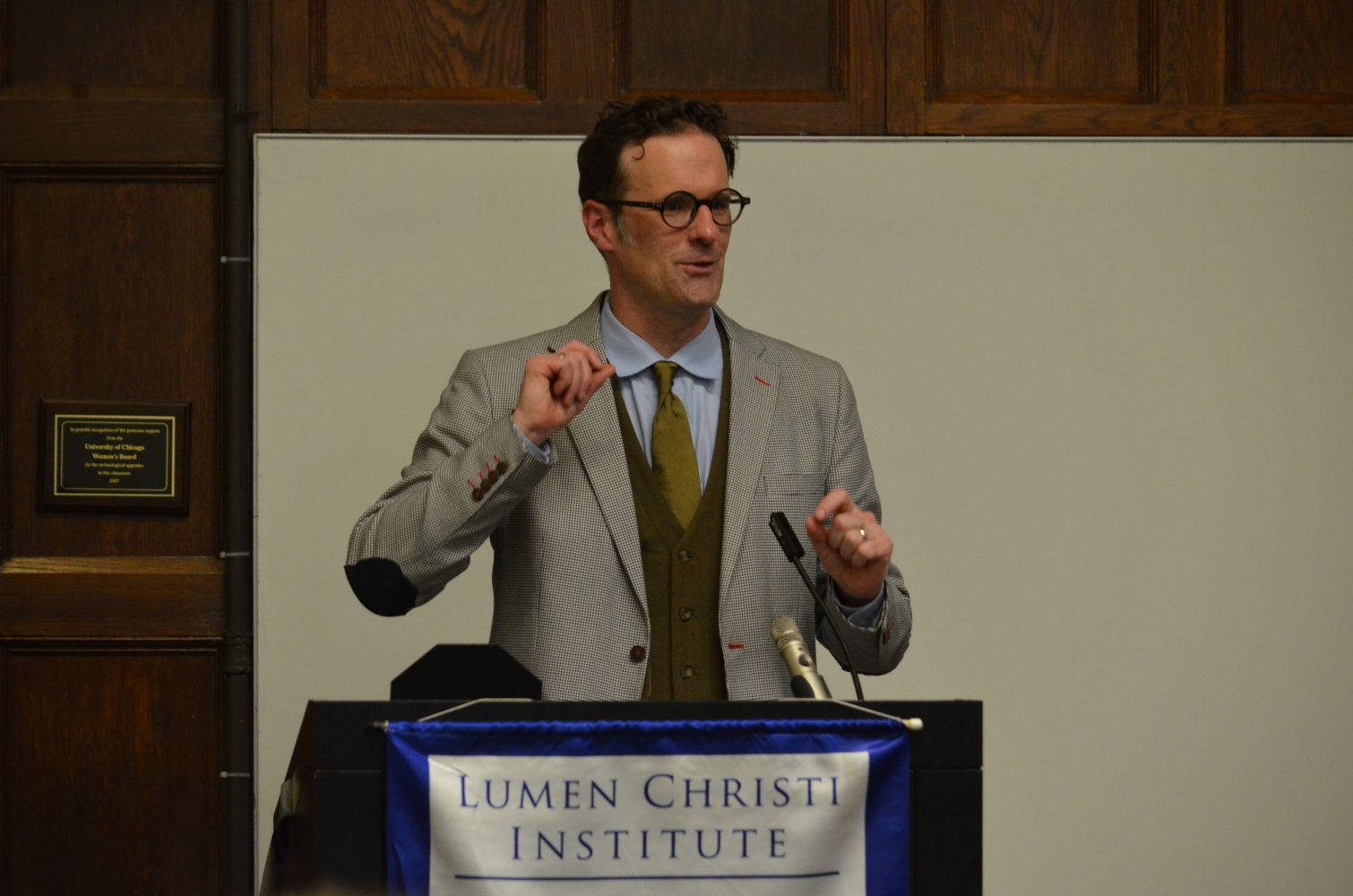
Free and open to the public. Cosponsored by the Theology Club at the Divinity School and the Hildegard of Bingen Society for Christian Thought and Culture. Is the moral teaching of Aquinas a purely cerebral, speculative reflection that can hardly be correlated with practical Christian living, or does it have a message that can be correlated with the experience and difficulties of an average individual? This lecture views the theology of Aquinas in the light of the concrete down-to earth approach focused on individuals that seems to be the basic gift of Pope Francis. It attempts to propose a reading…
Thick and Dazzling Darkness: Religious Poetry in a Secular Age
Free and open to the public. Cosponsored by the Program in Poetry and Poetics and the Seminary Coop Bookstore. Copies of the book will be available for purchase. You can hear Peter O’Leary discuss the book in a recent OPEN STACKS Podcast interview. ABOUT THE BOOK How do poets use language to render the transcendent, often dizzyingly inexpressible nature of the divine? In an age of secularism, does spirituality have a place in modern American poetry? In Thick and Dazzling Darkness, Peter O’Leary reads a diverse set of writers to argue for the existence and importance of religious poetry in…
Early Modern Catholic Social Teaching and World Order
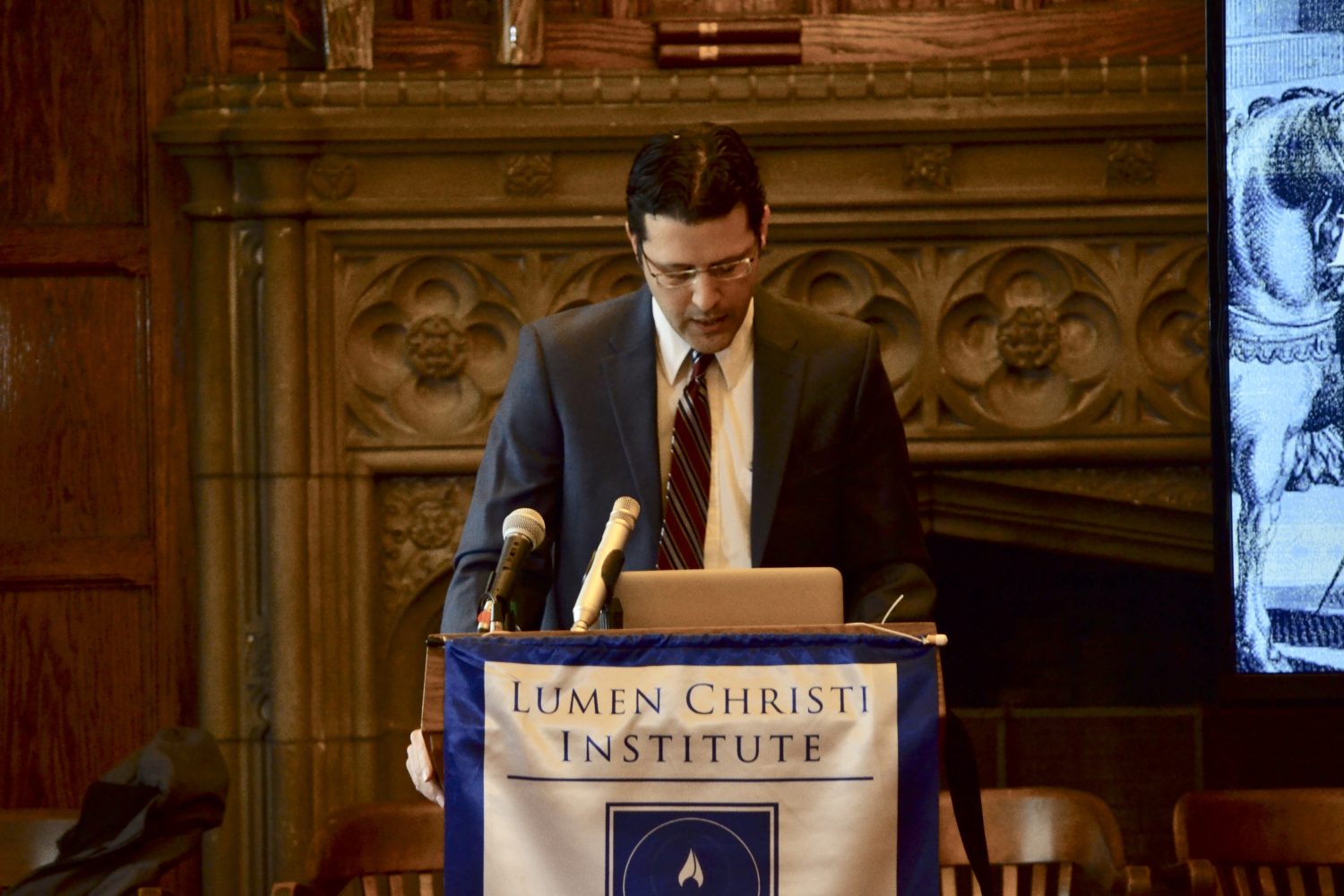
Free and open to the public. Cosponsored by the Center for Latin American Studies, the Early Modern and Mediterranean Worlds Workshop, and the Ethics Club at the Divinity School. Western distrust in liberal internationalism offers an opportunity for renewed theological reflection on the moral foundations of world order. After the Second World War, transitional popes and Thomistic philosophers articulated a Christian vision of supranational society to quicken the support of universal human rights. Their personalist global ethic outlines the contribution of sixteenth-century Spanish theologians who promoted a conception of world order that affirmed the basic rights of believers and nonbelievers…
Master Class on “Bishop Bartolomé de las Casas, OP: Christian Faith and Amerindian Rights”
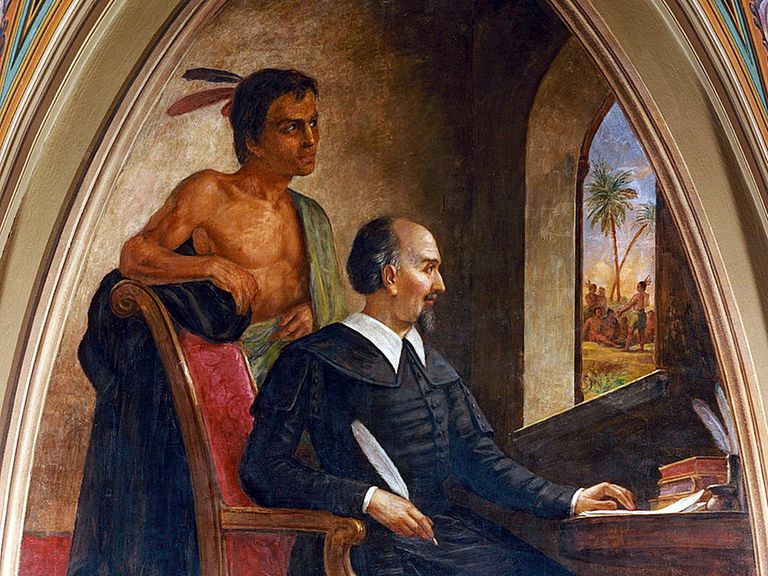
Open to current university students and faculty. A link to the readings will be provided for registrants. This class offers an in-depth overview of the life and writings of the irrepressible friar Bishop Bartolomé de las Casas, O.P. (1484-1566), identified by friend and foe as the “Protector of the Indians.” Since youth, Las Casas was intimately bound to the old and new worlds of Europe and the Indies, traversing the Atlantic at least a half dozen times during his life. He was a Renaissance churchman par excellence, inhabiting the various duties and roles of missionary preacher, theologian, bishop, historian, political…
The Future of Liberalism: Relativism Confronts St. Augustine
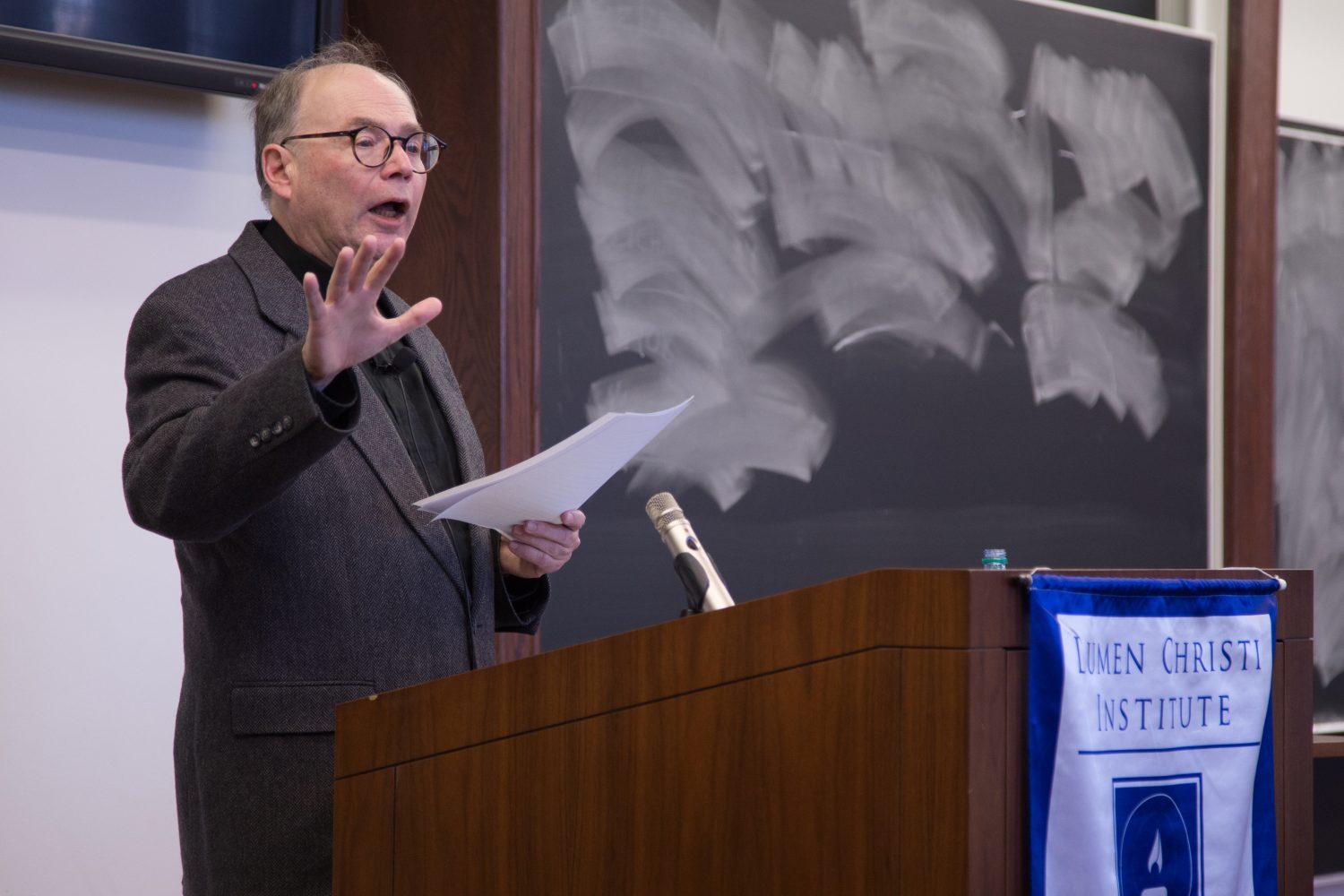
Free and open to the public. Cosponsored by the Theology Club at the Divinity School. The future of political liberalism is a topic much discussed in recent scholarly books and popular journals. This lecture will integrate the recent argument of Patrick Deneen in Why Liberalism Failed, beginning where the book leaves off by addressing the following question: If it is true, as many have argued, that liberalism has become morally corroded, then can reasonable people still make a case for our continued cooperation with it? Discussing thinkers like Richard Rorty and John Rawls, this lecture will critically examine efforts to…