
Two-Day Online Seminar | Galileo: Faith, Reason, and the New Science

TWO-DAY ONLINE SEMINAR Session 1: Wednesday, Aug. 10 | 6:00 p.m. – 7:30 p.m. Session 2: Saturday, Aug. 13 | 10:30 a.m. – 2:30 p.m. The Lumen Christi Institute has designed this two-day seminar to introduce major themes and debates from the Catholic Church’s history to a wide online audience. It offers the opportunity to read primary sources in the context of a seminar-style discussion, led by Catholic faculty. *This course requires no advance training nor prior reading and is open to all for participation. All course reading will be provided electronically. What happened at the famous Galileo Trial? Galileo…
Gold Mass for Scientists
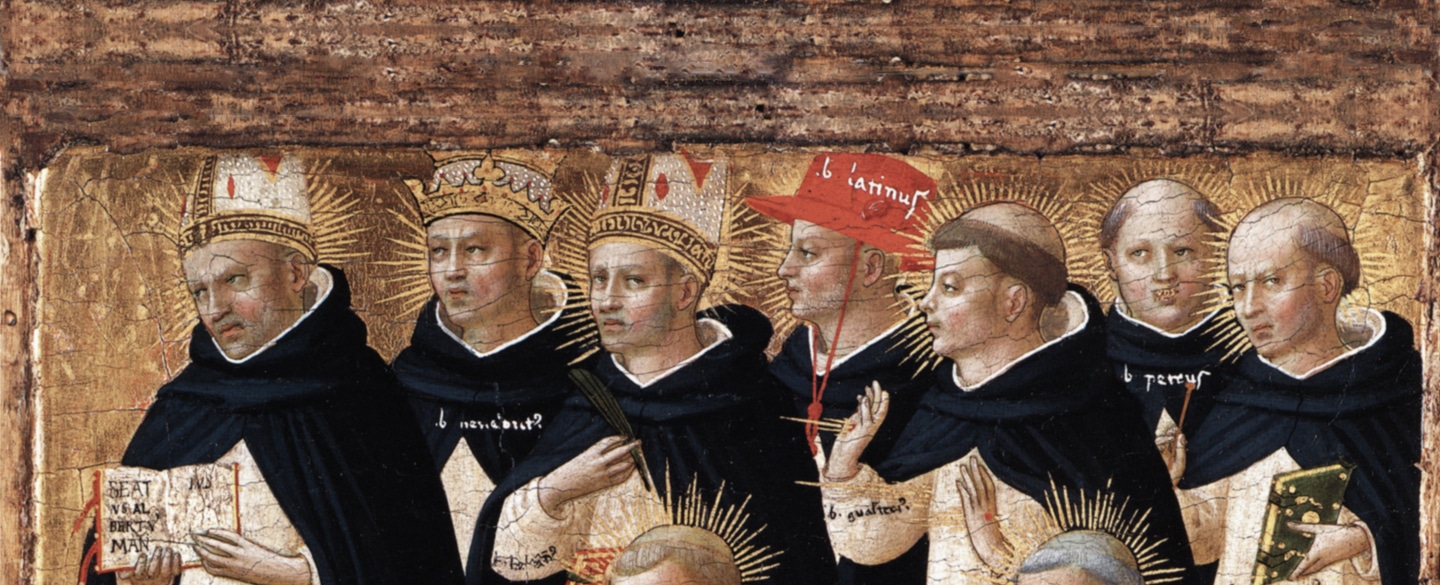
The Lumen Christi Institute is glad to cosponsor a Gold Mass for the Chicago region, organized by the regional chapter of the Society of Catholic Scientists. Mass will be held at 6:00 PM CST on Tuesday, Nov 15, in the Kindlon Chapel (4th floor of Kindlon Hall) at the Benedictine University Lisle campus (5700 College Road, Lisle, Illinois). The celebrant will be Fr. Andrew Buchanan from St. Mary’s Church in West Chicago. After the Mass there will be a brief reception. At 7:15 PM. Dr. Suzen Moeller, Professor of Health Sciences at North Park University, will give a talk entitled “We Are What We Eat: Faith, Reason, and…
Gregor Mendel at his Bicentennial: Highlights of his Life and Legacy
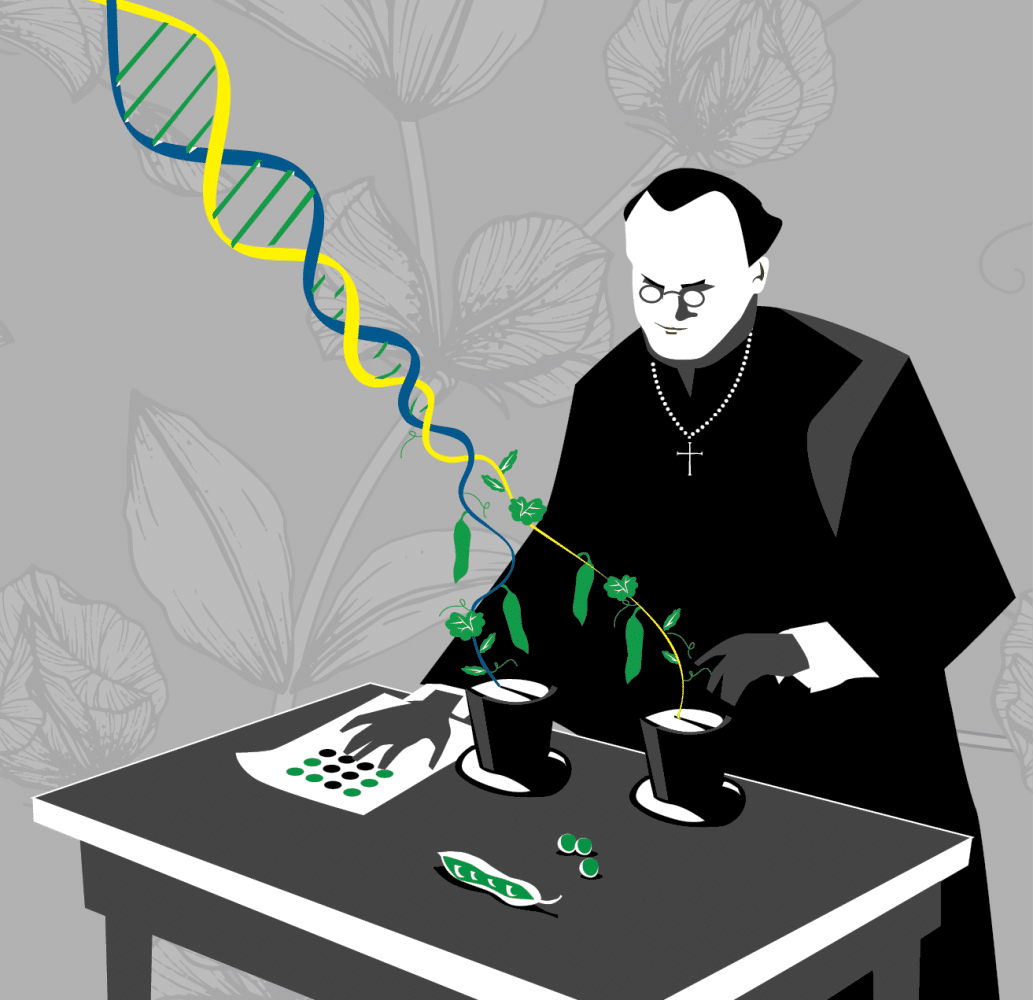
As we celebrate the bicentennial of Gregor Mendel’s birth, a few highlights of his life and legacy illustrate the breadth of his contributions and his genius. Born into poverty, he excelled in education in his youth. He entered the St. Thomas Monastery as an Augustinian friar where he joined an extraordinary community of scholars. At the University of Vienna, he studied with some of the world’s finest scientists, especially in mathematics, physics, botany, and evolution, and published his first research papers there. His famous experiments led him to an enduring theory that is more expansive than often portrayed. As Darwin’s…
The Atomic Bomb and the Technological Imperative
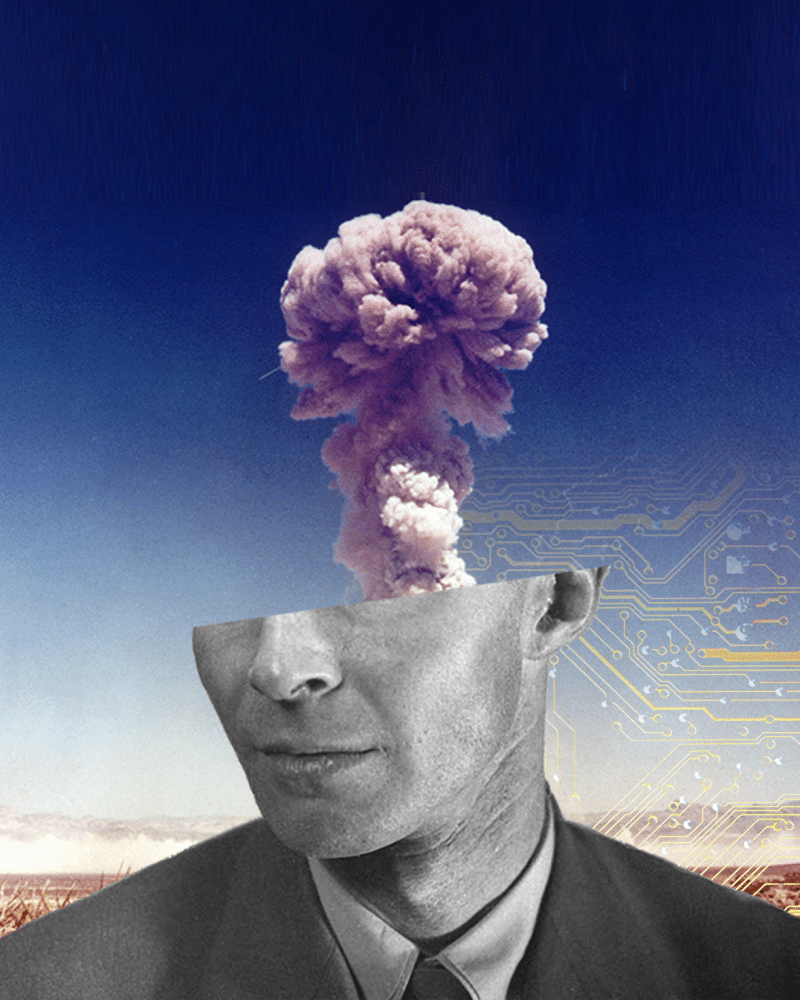
How has technology taken on a life of its own, determining human behavior, thought, and actions in unintended and unexpected ways? Using the development and use of the first atomic bombs as a defining case study, this lecture reflects on the technological momentum that helped to usher in the nuclear age and that remains a defining and determinative feature of modern society. This event is free and open to the public. It is made possible through the support of ‘In Lumine: Supporting the Catholic Intellectual Tradition on Campuses Nationwide’ (Grant #62372) from the John Templeton Foundation. Questions can be directed…
Master Class on “Hope, Suffering, and the Atom Bomb”
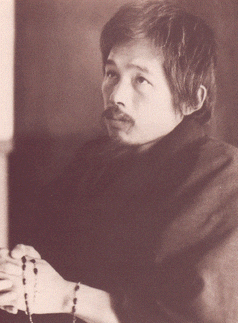
Open to current students and faculty. Others interested in participating should contact info@lumenchristi.org. All registrants will receive pdfs of the selected readings, which should be read in advance of the class. This event is made possible through the support of ‘In Lumine: Supporting the Catholic Intellectual Tradition on Campuses Nationwide’ (Grant #62372) from the John Templeton Foundation Following the August 9, 1945 dropping of the second atomic bomb ever used in a military conflict, residents of Nagasaki responded in a unique and surprising way to the vast destruction visited upon their city. As reflected in the writings of Nagasaki radiologist Takashi…
Romano Guardini on Technology and the Liturgy
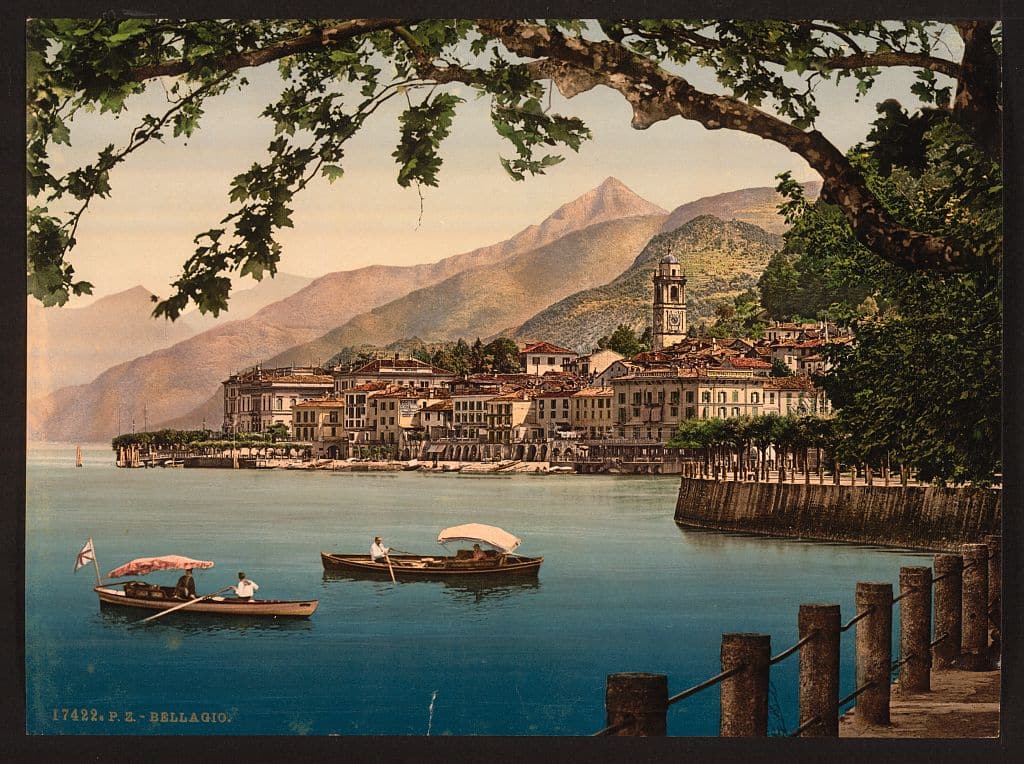
This lecture was cosponsored by the University of Chicago Divinity School and the In Lumine Network. It was made possible through the support of ‘In Lumine: Supporting the Catholic Intellectual Tradition on Campuses Nationwide’ (Grant #62372) from the John Templeton Foundation. Romano Guardini penned his Letters from Lake Como between 1923-1925 in order to think about the new technocratic relationship between nature and culture that was emerging in post-war and post-Enlightenment Europe. Guardini’s reflections on the technocratic paradigm are critical for understanding the relationship of the human person, the dynamics of culture, and our hyperdigitized world today. Guardini’s newly translated Liturgy and…
How Can We Flourish?

What is human flourishing? What insights might we draw from the humanities? What insights might we draw from the empirical sciences? Many empirical studies throughout the social and biomedical sciences and many policy discussions focus only on very narrow outcomes such as income, or a single specific disease state, or measures of feeling happy. Human well-being or flourishing, however, consists in a much broader range of states and outcomes. Flourishing might be understood as living in a state in which all aspects of a person’s life are good including, but not limited to, affective happiness and life satisfaction, physical and…
White Mass and Lecture for Medical Professionals
This event is free and open to the public. The Lumen Christi Institute, Calvert House, and St. Thomas the Apostle Parish are pleased to announce their first annual White Mass and Lecture. Mass will be held at Bond Chapel at the University of Chicago. The celebrant will be Fr. Carlos Rodriguez. What is a White Mass? The tradition of the White Mass in the United States finds its origins in the development of the national Catholic Medical Association in the early 1930s. From its inception, the medical profession has been understood as a healing profession, a way in which Christ’s work continues…
The Quandaries of Biotechnology: Theory and Practice
See Session 2 video and audio. See Keynote Lecture video and audio. This event is free and open to the public. This event is cosponsored by The Program on Medicine and Religion at the University of Chicago, and The Albert Gnaegi Center for Health Care Ethics at Saint Louis University. For more information, contact info@lumenchristi.org. How are new developments between biotechnology and big data including gene editing, brain-computer interfacing, and artificial intelligence changing our vision of what it means to be human? How does this bear in the ethical practices of medicine and research at the lab bench and at the bedside? How…
Can We Be Good On Our Own? Ancient Pagans and Modern Scientists on Thomistic Moral Virtue
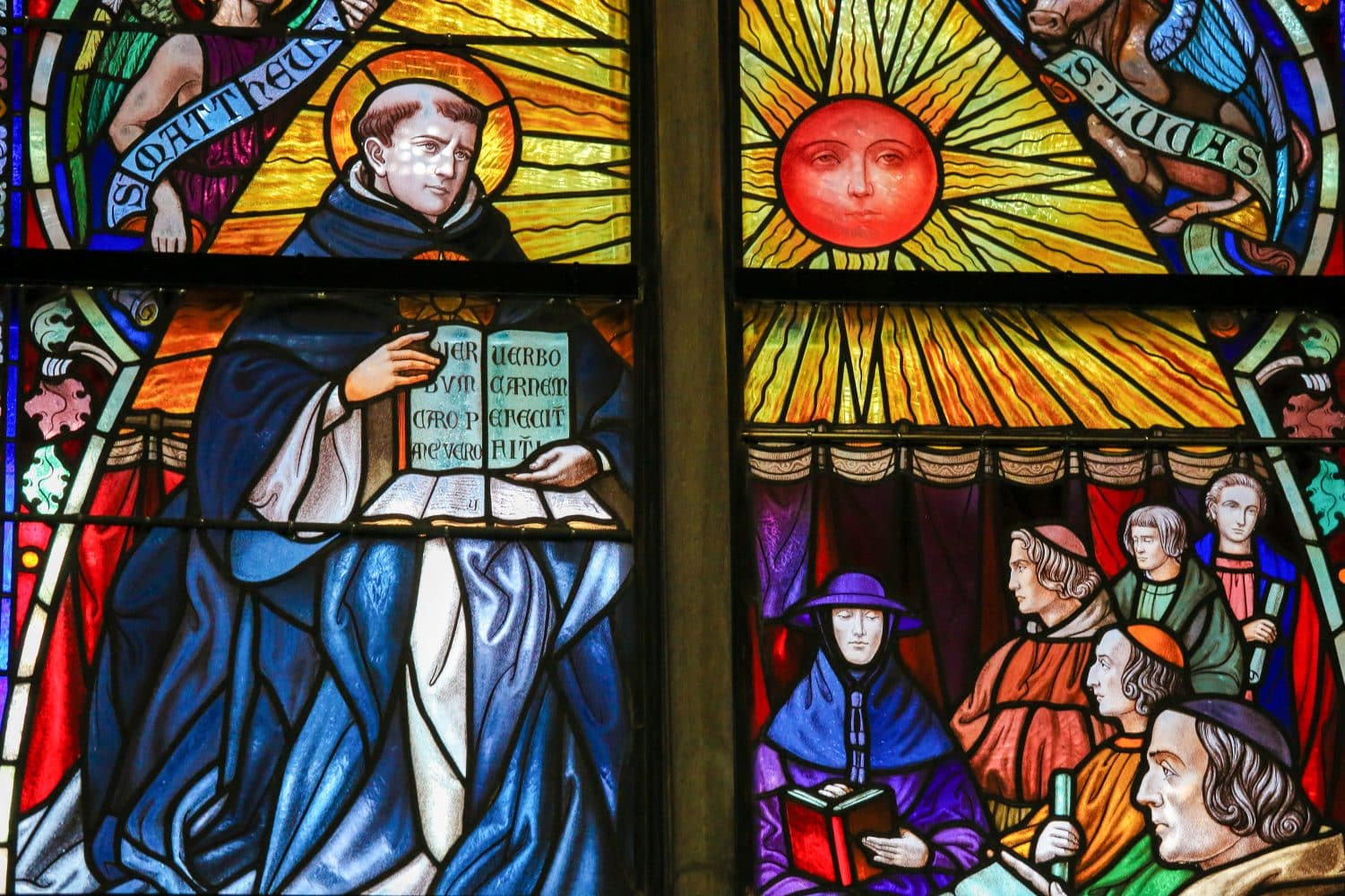
Open to students and faculty. For more information, contact dstrobach@lumenchristi.org. This event is cosponsored by the University of Notre Dame Press and made possible through the support of ‘In Lumine: Supporting the Catholic Intellectual Tradition on Campuses Nationwide’ (Grant #62372) from the John Templeton Foundation. Thomas Aquinas, like a good Aristotelian, holds that the moral virtues can be cultivated in human beings by habitual moral action. And like a good Christian, he also holds that God can gift (or ‘infuse’) the moral virtues into a human being. Can humans become good on their own? Or do they require external assistance? …