
Sacred Violence: The Legacy of René Girard
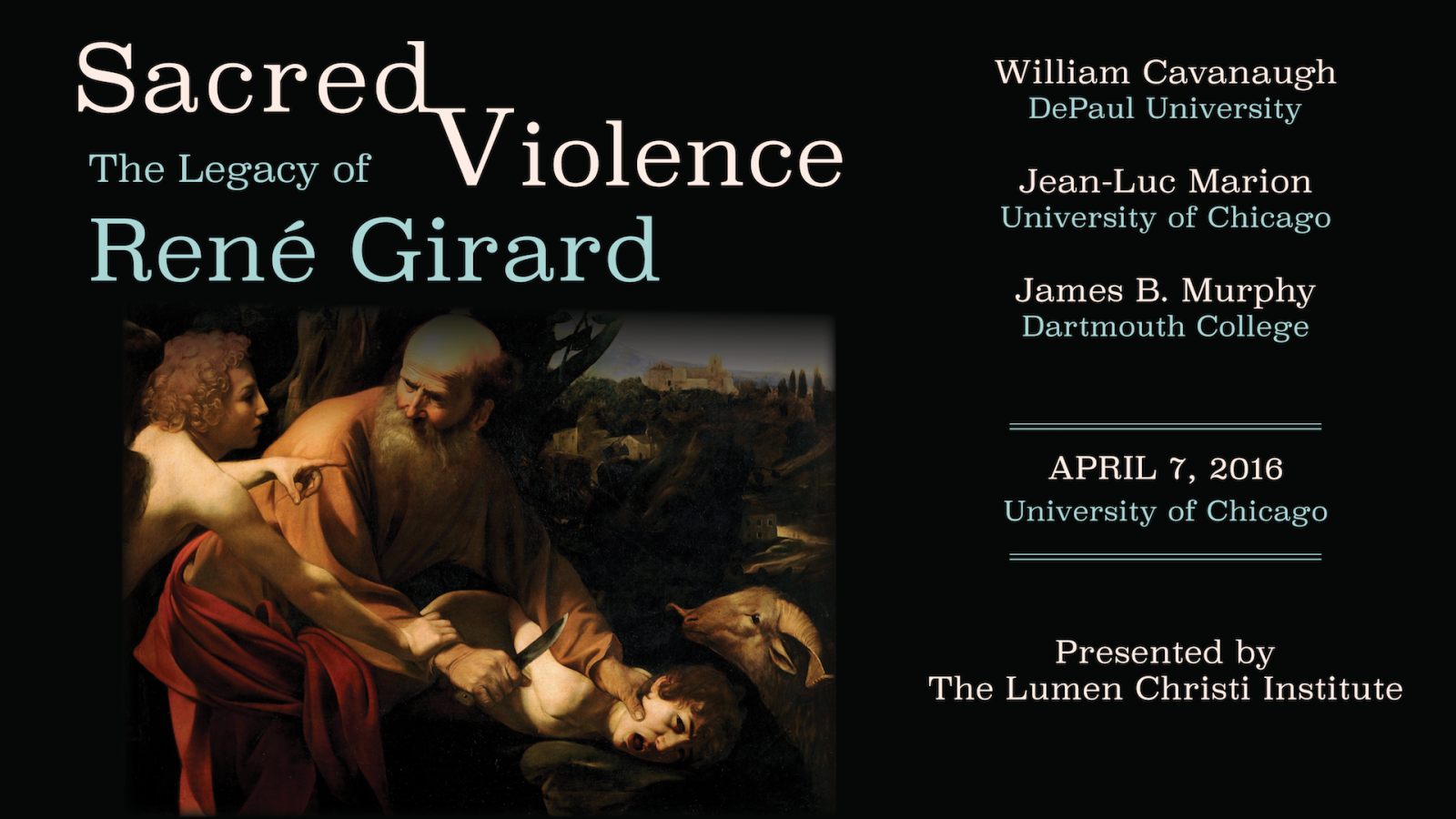
A panel discussion with William Cavanaugh (DePaul University), Jean-Luc Marion (University of Chicago), and James B. Murphy (Dartmouth College) at the University of Chicago on April 7, 2016. René Girard (1923-2015) has been described as the Darwin of the human sciences for his theories of the origin of violence and religion and the imitative character of human behavior (mimesis). His books, among them Violence and the Sacred and Things Hidden since the Foundation of the World, span the fields of Literary Criticism, Psychology, Anthropology, Sociology, History, Biblical Hermeneutics and Theology. While his theories have attracted many devoted disciples, Girard has…
Symposium on Heidegger’s Confessions
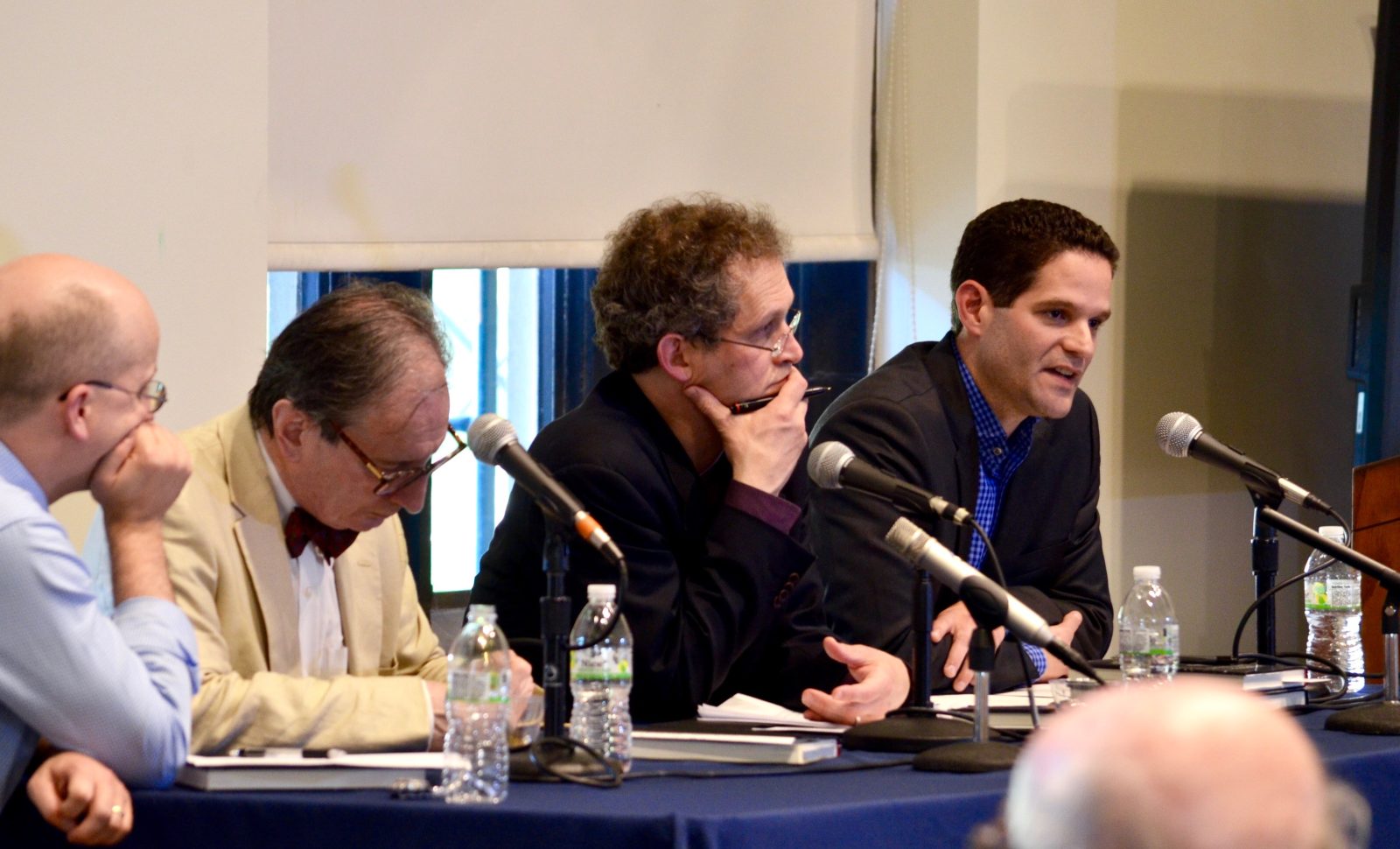
Cosponsored by the Philosophy of Religions Workshop and the Theology & Religious Ethics Workshop Although Martin Heidegger is nearly as notorious as Friedrich Nietzsche for embracing the death of God, the philosopher himself acknowledged that Christianity accompanied him at every stage of his career. In Heidegger’s Confessions, Ryan Coyne isolates a crucially important player in this story: Saint Augustine. Uncovering the significance of Saint Augustine in Heidegger’s philosophy, he details the complex and conflicted ways in which Heidegger paradoxically sought to define himself against the Christian tradition while at the same time making use of its resources.
Reductionism in Science: Order from Chaos or Order from Ideas?

REGISTER HERE Open to current university students and faculty. Lunch will be served. Join us for a discussion with physicist Stephen Barr on his article from First Things on the philosophical assumptions behind a tendency toward reductionism in the natural sciences. “This tendency to downgrade and diminish reflects a metaphysical prejudice that equates explanatory reduction with a grim slide down the ladder of being. Powerful explanatory schemes reveal things to be simpler than they appear. What simpler means in science is much discussed among philosophers—it is not at all a simple question. But to many materialists it seems to mean…
What Does it Mean to Say the Son of God is ‘Consubstantial’ with the Father? New Insights about Augustine’s Debt to Aristotle
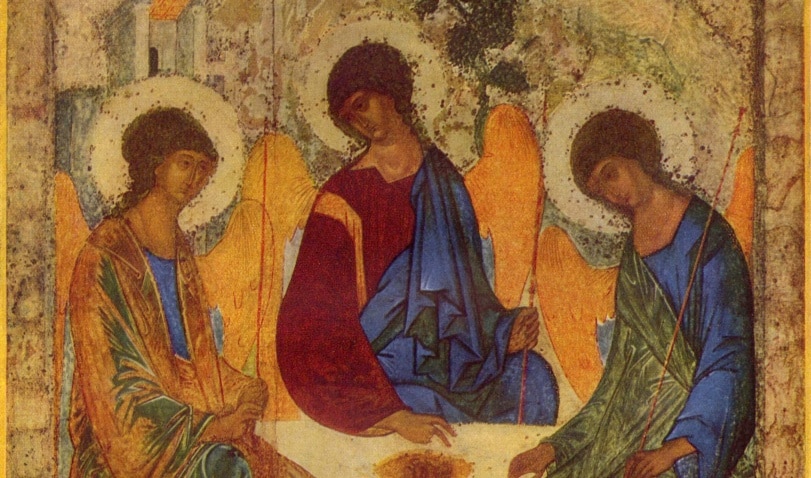
REGISTER HERE Cosponsored by the Department of Philosophy It is commonly accepted that Aristotelian ideas did not inform Latin-language metaphysics until the translation of Aristotle in the 12th century. However, this opinion has arisen from a failure to understand how the metaphysics of Augustine fundamentally depends upon Victorinus’ assimilation of Aristotelian concepts and distinctions. Victorinus, mentioned by Augustine in Confessions Book 7, was a Christian convert, an eminent rhetor, and one of the last philosophers in the western Roman Empire who was fully bilingual in Greek and Latin. In the 350’s he wrote metaphysical treatises defending the Council of Nicea’s doctrine…
Master Class: Augustine on Human Freedom and Divine Grace: What is Really Going on in the ‘Conversion Scene’ in Augustine’s Confessions?
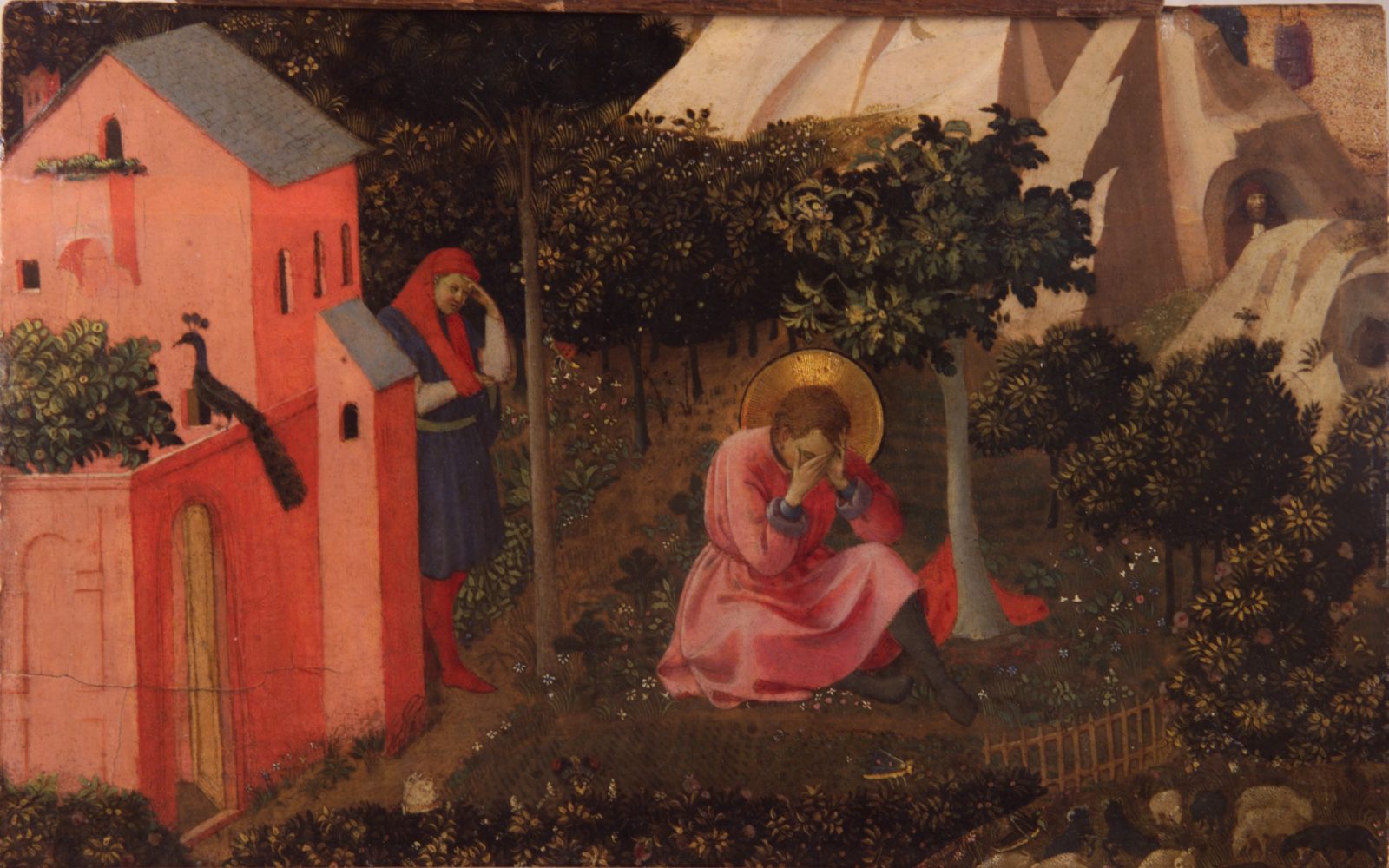
REGISTER HERE This master class is open to graduate and undergraduate students, including non-University of Chicago students. Space is limited and offered on a first-come, first-served basis. Copies of the readings will be made available online to all participants. Although the part of Augustine’s Confessions that describes his conversion to Christianity is arguably the most famous passage in his influential corpus, scholars have long disagreed about how to understand this important section of Book 8. I will argue that the hermeneutical key to the passage is knowledge of the philosophical psychology that Augustine assumes in the passage, which is a…
Catholic and Protestant Reformations and the Genealogy of Modernity
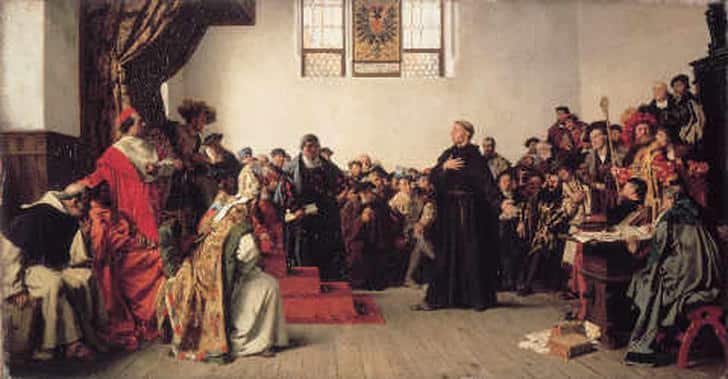
REGISTER HERE Open to current graduate students and faculty At this master class seminar, participants will read and discuss Professor Carlos Eire’s essay “Incombustible Weber: How the Protestant Reformation Really Disenchanted the World” from Faithful Narratives: Historians, Religion, and the Challenge of Objectivity, ed. Andrea Stark and Nina Caputo (Ithaca: Cornell University Press, 2014). A PDF copy of the reading will be provided. This chapter discusses how challenges to traditional beliefs about death and purgatory in the Protestant Reformation caused significant material consequences, triggering a so-called “economic revolution.” Focusing on the issue of secularization in a present-day understanding of Protestant…
The Only Way To Truth Is By Love
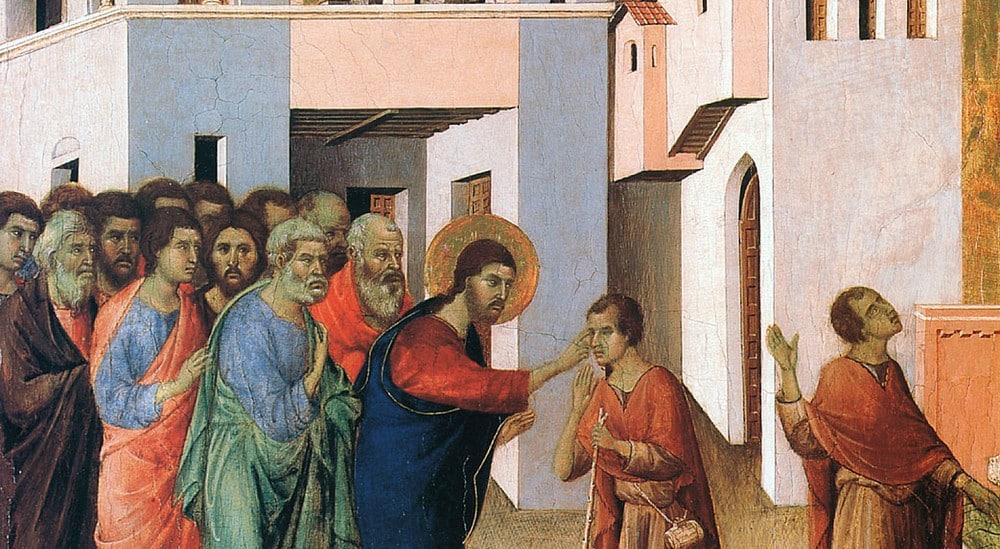
A lecture on the occasion of the publication of Believing In Order To See (Fordham University Press, 2017). Copies of the book will be available for purchase. Cosponsored by the Theology and Religious Ethics Workshop and the Seminary Coop Bookstore. “Non intratur in veritatem nisi per caritatem” -St. Augustine Believing does not always mean to make up for a deficit of knowledge, but rather attaining the right stance to see that which appears. This rule applies not only to common perception, but most of all to what Pascal, following St. Augustine, calls “divine things.” In faith, as in beholding a…
Colloquium on “Givenness and Revelation”
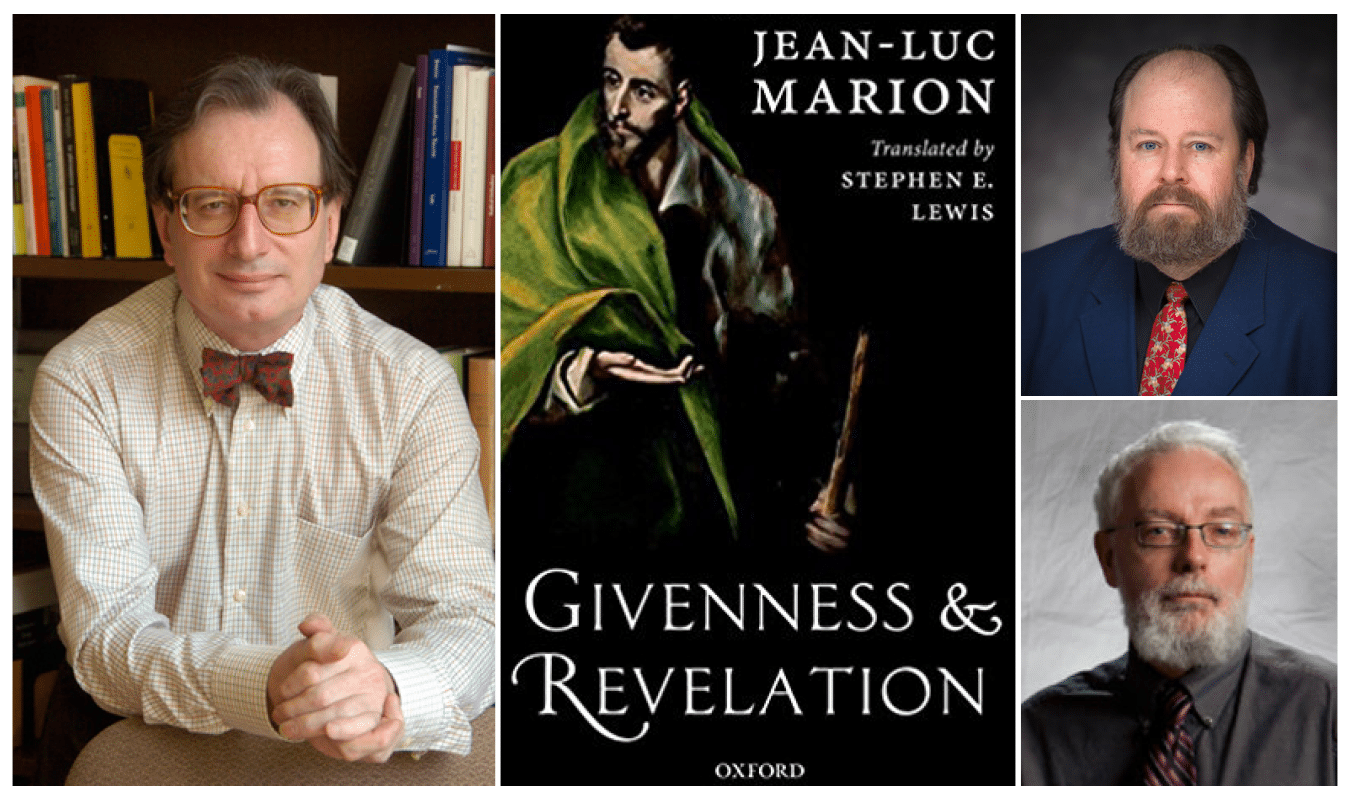
Part of the Lumen Christi Institute’s faculty colloquia in philosophy and theology, which bring together scholars from the region to discuss important questions in Catholic thought. About Givenness and Revelation Givenness and Revelation represents both the unity and the deep continuity of Jean-Luc Marion’s thinking over many decades. This investigation into the origins and evolution of the concept of revelation arises from an initial reappraisal of the tension between natural theology and the revealed knowledge of God or sacra doctrina. Marion draws on the re-definition of the notions of possibility and impossibility, the critique of the reification of the subject,…
Aquinas and the Life of the Mind
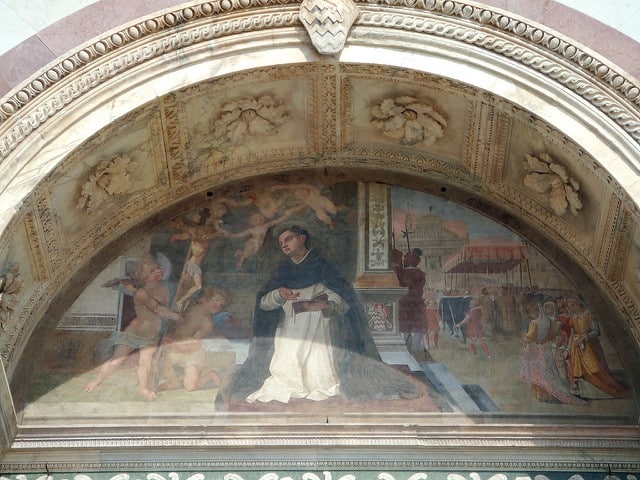
Saint Thomas Aquinas regards mind, or intellect, as a form of life. It is even the most perfect form, he says, because it carries the power of free choice. Yet we may wonder how free he thinks we really are. For he insists that our mind’s life depends, intimately, on a cause outside itself. But on his view, freedom of choice would not even make sense without this cause; and our lives are fullest, and freest, when we focus more on it than on ourselves. This is to follow the mind’s deepest urge, which is toward that rather neglected virtue…
All Things Hold Together: A Great Books Education and the Catholic Tradition
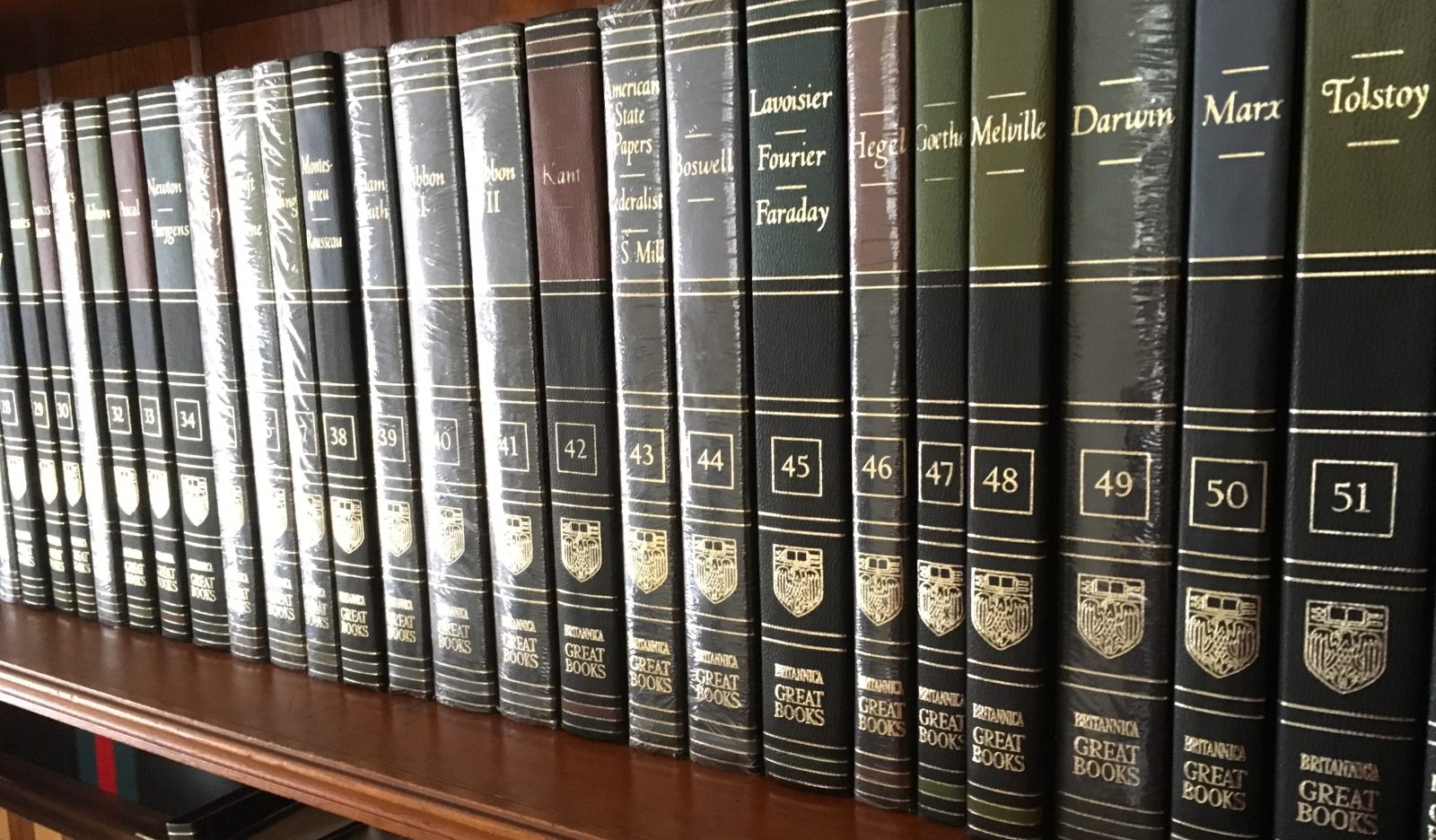
The Great Books can lead us to God and a liberal arts education finds its fulfillment in the liturgy. Yet, the curriculum and culture of many universities today are, by their very structure, inimical to such ends. Reflecting on his own education as a Fundamentals major at the University of Chicago and on the Catholic tradition he now teaches, Professor Ortiz will consider the blessings and limits of a Great Books education and how the Catholic tradition might restore the promise of the liberal arts by providing a vision of the whole and cultivating a habit of praise and thanksgiving.