
Conference on Christian Legal Thought, New Orleans
Saturday, January 5, 2013, 1 PM to 6:15 PM Wyndham Riverfront New Orleans 701 Convention Center Boulevard New Orleans, LA 70130 Conference Topic: The Statement on the Nature of Law from Evangelicals and Catholics Conference Schedule 1:00 PM: Registration (coffee available) 1:15 PM – 2:45 PM: Session One: Christian Perspectives on the Nature of Law Chair: Michael Moreland (Villanova University School of Law) William Brewbaker III (University of Alabama School of Law) Nora O’Callaghan (Loyola University Chicago School of Law) David Skeel (University of Pennsylvania Law School) 2:45 PM – 3:00 PM: Coffee Break 3:00 PM – 4:30 PM: Session Two: Non-Christian Perspectives on…
“The Capacious Mind of St. Thomas”
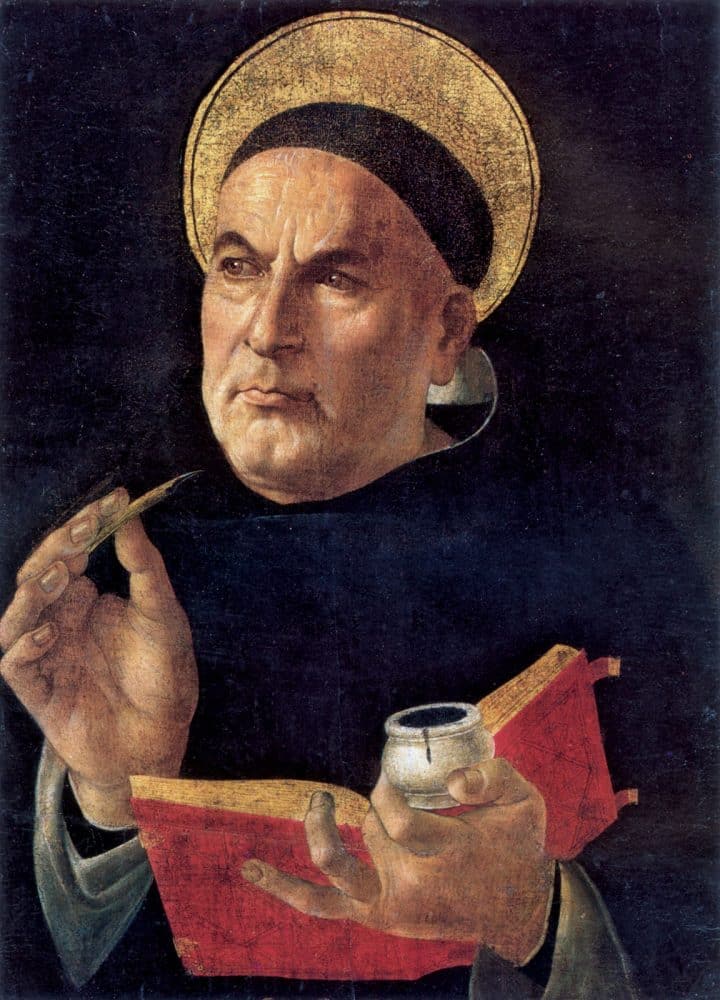
Co-Sponsored by the Medieval Studies Workshop The thought of Thomas Aquinas, especially as it bears upon human action, leads one to make difficult choices. Aquinas insists that a lie even to save the life of another is always a sin. He also insists that one ought not ever by means of a direct act to take the life an innocent human being. Understanding Thomas’s capacious mind” and the nature of the acts in question held us to understand why we should follow him in these matters.
Philosophy and Martyrdom: Tertullian and Justin Martyr
Co-sponsored by the Department of Philosophy and Philosophy of Religions Club During the first two centuries of Christianity believers were led to confess their faith before a pagan world and endure persecution and trial, often leading to martyrdom. One might expect from them the posture and tactics of an irrational and “prophetic” theology. But in fact they chose to make arguments for the consistency and rationality of faith under the literary genre of the apology. They even claimed that this rational confession of faith deserves the title of philosophy. This paradox sheds light on our contemporary situation.
“The Theologico-Political Problem Today”
Co-sponsored by the History of Christianity Club For three hundred years the modern nation-state appeared to determine the relationship between politics and religion. Indeed, the modern state was devised to solve this troubled relation. This is no longer the case. The present weakness of nations in discerning matters religious and theological, along with its cool disinterest in religion, presents a particular crisis for the Church. This lecture will consider the history of the theologico-political problem and address the condition of three essential institutions: marriage, polity and church.
“The Careful Rationality of Monotheism: Thomas Aquinas on Analogical Knowledge of God”
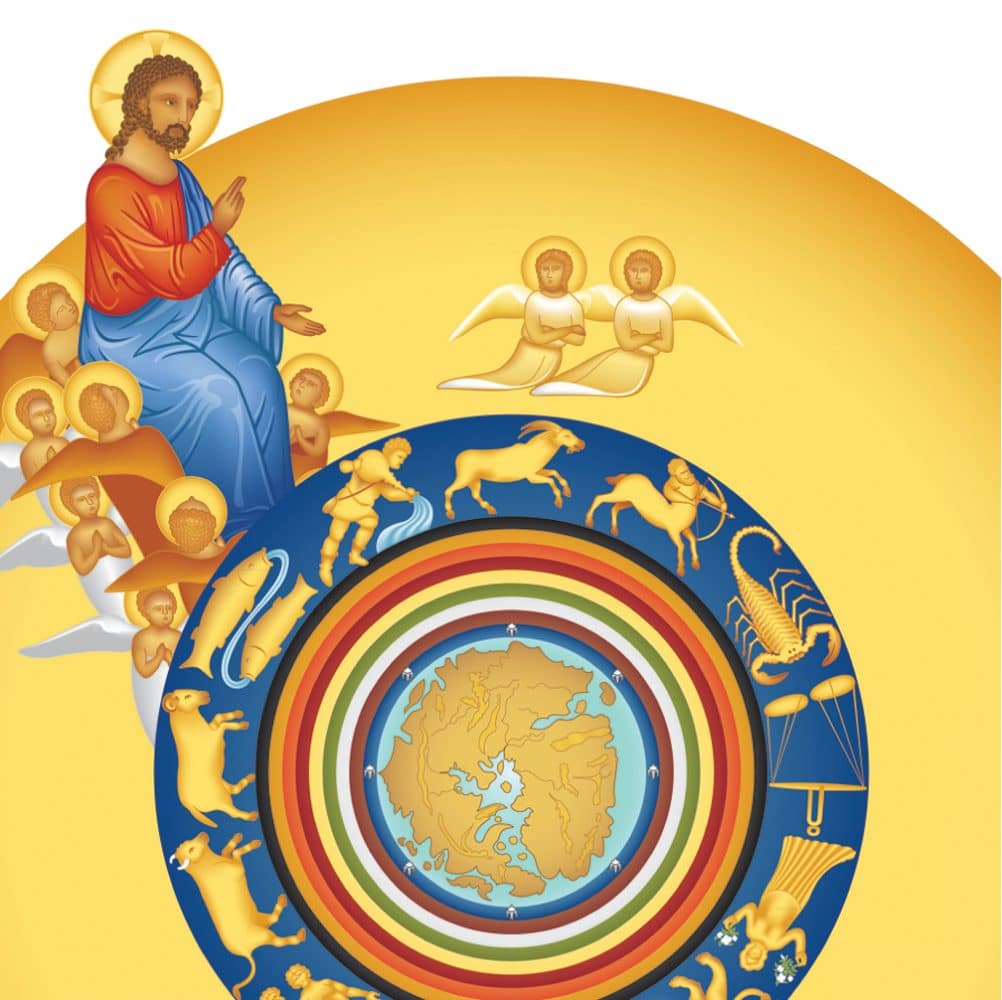
Co-sponsored by the Medieval Studies Workshop How can philosophers speak about God in a reasonable fashion? Does speech about God exceed the capacities of human reason? In responding to these questions, Thomas Aquinas develops a path between the extremes of apophaticism (rejecting the applicability of human language to God) and rationalistic optimism. This lecture will argue for the validity of Thomist doctrine of divine naming and its relevance to contemporary debates in analytic theism and to Heidegger’s critique of onto-theology (the theology of being).
The Spiritual Nature of Man
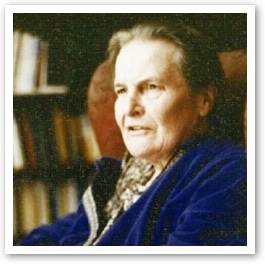
“The Spiritual Nature of Man” Anselm Muller, University of Trier Cosponsored by the Department of Philosophy Are human beings essentially spiritual creatures or can human life be explained entirely by material principles? The great twentieth century philosopher, Elizabeth Anscombe, suggests that we are essentially spiritual beings because we are naturally and consciously oriented beyond our material life toward transcendent norms of truth and goodness. This is the ground of our dignity and value over other, non-spiritual animals.
The Human Person, Economics & Catholic Social Thought
“The current financial crisis can make us overlook the fact that it originated in a profound human crisis: the denial of the primacy of the human person!” – Pope Francis, Evangelii Gaudium The human person is a contested terrain. Within the fields of Economics and Catholic Social Thought, each maintain distinct conceptions of and emphases on the human person that impact their respective diagnoses of contemporary crises and proposed solutions. Drawing together economists, bishops and scholars, this symposium will explore fundamental convergences and divergences in the conception of the human person in Economics and Catholic Social Thought. This program is part…
Symposium on The Sacredness of the Person
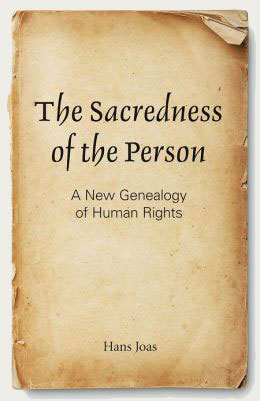
Michael Geyer (University of Chicago), Moderator Hans Joas (University of Chicago) John D. Kelly (University of Chicago) Ben Laurence (University of Chicago) William Schweiker (University of Chicago) cosponsored by the Human Rights Program at the University of Chicago REGISTER HERE This symposium will discuss The Sacredness of the Person, a recent book by Professor Hans Joas. What are the origins of the idea of human rights and universal human dignity? How can we most fully understand—and realize—these rights going into the future? In The Sacredness of the Person, internationally renowned sociologist and social theorist Hans Joas tells a story that differs from conventional narratives…
Aquinas’ Third Way of Proving a God: Logic or Love?
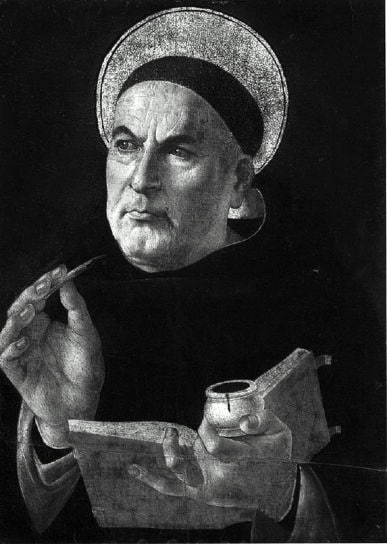
Cosponsored by the Medieval Studies Workshop Thomas Aquinas’ famous five ways of proving the existence of a God continue to intrigue and perplex his readers. The most troublesome is perhaps the third—the one based on the possible and the necessary—to which all sorts of objections can be heard: logical, scientific, theological, phenomenological, even Thomistic. Contrary to the usual assumption, however, the kind of possibility and necessity that the third way regards does not seem to be the logical kind. In a sense, it has more to do with love than with logic. This reading puts the problems that the third way faces, and also the…
Is the Human Mind Reducible to Physics?
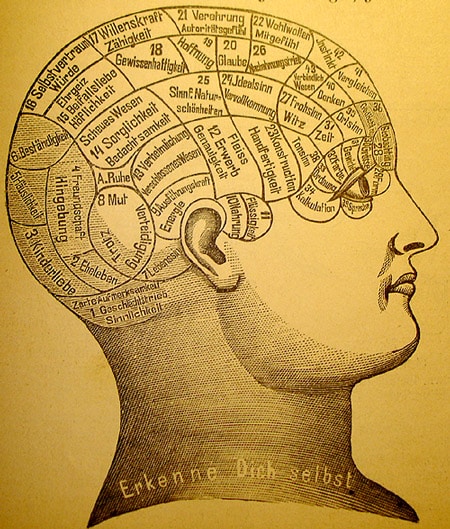
a luncheon discussion with Stephen M. Barr (University of Delaware) REGISTER HERE This event is open to University of Chicago students. Lunch will be served. Others interested in attending, please contactinfo@lumenchrisit.org. Materialism or “physicalism” holds that all things, including human beings, are completely explicable in physical terms. While ancient and medieval thinkers expressed this view, it gained a new power with the success of Newtonian physics, whose laws were universal and deterministic, giving rise to the belief that the entire physical universe is a closed system of cause and effect. Does this reduction of human beings to purely physical factors…