
Reason and Wisdom in Medieval Christian Thought
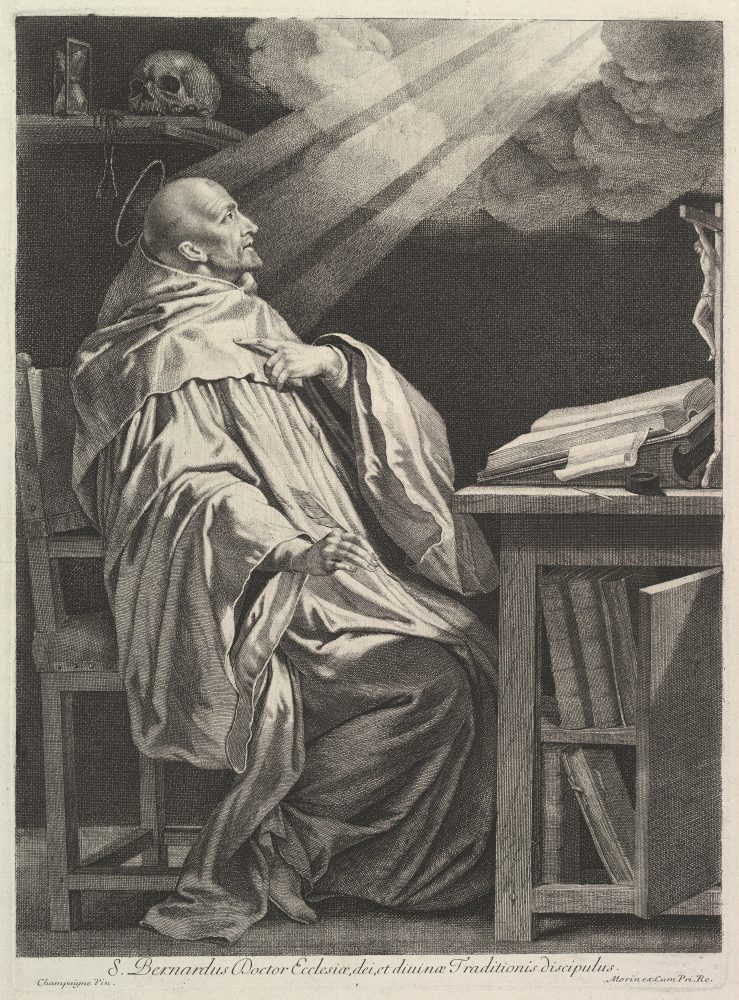
Due to restrictions put in place in response to the spread of COVID-19, our major spring events have been postponed. We are likely unable to host this non-credit course at this time. Stay tuned for updates as we explore our options concrning web-enabled communications. REGISTER HERE 6:00 Dinner | 6:30 Lecture Tuesdays, April 7 – May 26, 2020 This weekly non-credit course is open to current students and faculty. Registrants are free to attend as many sessions as they choose. Sessions do not presuppose previous attendance or prior knowledge of the subject. Dinner is provided. What can reason discover about God? Are…
WEBINAR: Christians in Times of Catastrophe: Augustine’s “City of God”

Cosponsored by America Media, the Collegium Institute, the Saint Benedict Institute, the Beatrice Institute, the Nova Forum, the Harvard Catholic Center, the Institute for Faith and Culture, and the Sacred and Profane Love podcast. Augustine of Hippo’s City of God is one of the great theological books of the Christian tradition, laying out a vision of the Church and the Earthly City in parallel and of Christ’s work of salvation in history in the context of the sack of Rome (410) and other calamities. Augustine’s reflections on how Christians can understand and respond to catastrophes has become a wellspring in the Christian intellectual tradition…
WEBINAR: Dante as Poet and Philosopher
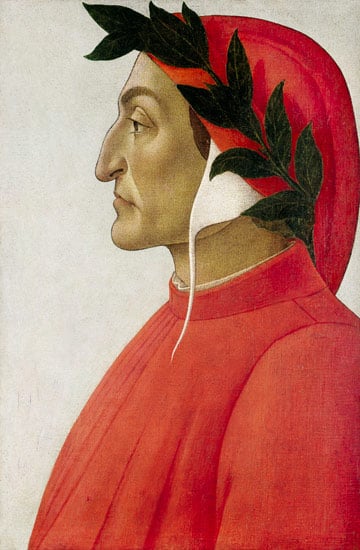
A conversation with Professors Jason Aleksander (San Jose State University) and Arielle Saiber (Bowdoin College). Part of our Summer webinar series on “Reason and Beauty in Renaissance Christian Thought and Culture,” presented in collaboration with the American Cusanus Society Dante Alighieri (1265-1321) was a Florentine writer and poet, whose long poetic work, The Divine Comedy, has received recognition as one of the greatest artistic achievements in the West. Dante’s poetic artistry stands alongside his intellectual and philosophical thought throughout his writings and in his Comedy. In this webinar, Professor Jason Aleksander (San José State U) and Professor Arielle Saiber (Bowdoin College) will…
Marsilio Ficino and the Philosophy of Plato
.jpg)
A webinar with Professor Denis Robichaud (University of Notre Dame). Part of our summer webinar series on “Reason and Beauty in Renaissance Christian Thought and Culture,” presented in collaboration with the American Cusanus Society In the humanist recovery and study of Platonic thought and texts, Marsilio Ficino (1433-99) was a brilliant luminary. He produced the first translation into Latin of all of Plato’s texts and of Plotinus’s Enneads, and he translated and commented on numerous other Platonic works. Ficino was also more than a scholar, he was also a philosopher and theologian whose network of students, friends, and correspondents extended far beyond…
Women Humanists in the Renaissance: Paradise and Free Speech in Moderata Fonte
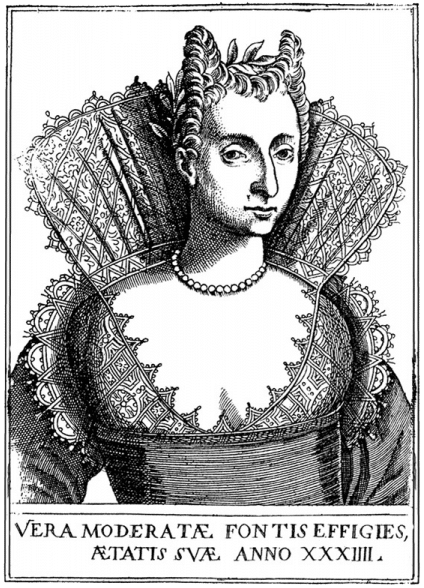
An evening webinar lecture with Tamara Albertini (University of Hawai’i at Manoa). Part of our summer webinar series on “Reason and Beauty in Renaissance Christian Thought and Culture,” presented in collaboration with the American Cusanus Society After a brief review of women humanists like Laura Cerata, Cassandra Fedele, Lucrezia Marinella, and Isotta Nogarola, the presentation will focus on Moderata Fonte’s dialogue The Merit of Women Where One Clearly Discovers How Dignified and Perfect They Are (1600). In that dialogue, Fonte creates a locus amoenus characterized by a centered garden visited by seven female interlocutors to discuss what options women have to take…
God and Morality: Francisco Suarez’s Reading of Thomas Aquinas
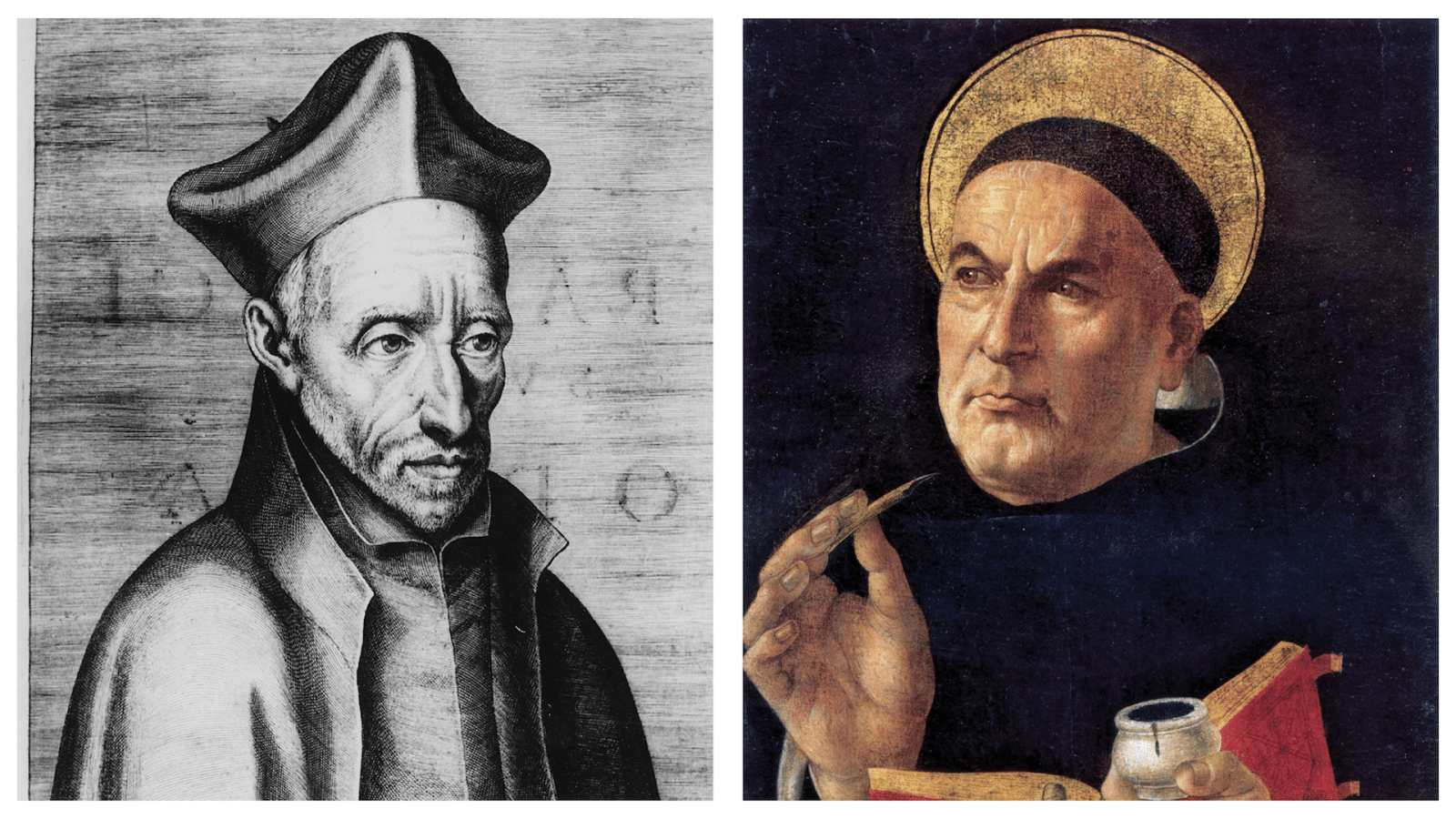
Registration is full. Please contact us if you would like to be put on the waitlist. This master class is open to current graduate students. It will take place online on Zoom. Others interested in participating should contact us. Are wrong actions wrong only because the law of God forbids them, or does it forbid (at least some of) them because they are wrong in themselves? Francisco Suárez famously answers this Euthyphro-like question in a way that steers between rationalism and divine voluntarism. He takes it to be Saint Thomas Aquinas’s way, and so do many after him. In this master class,…
Master Class on “Newman’s Critique of Liberalism: Faith, Reason, and Antecedent Probability”
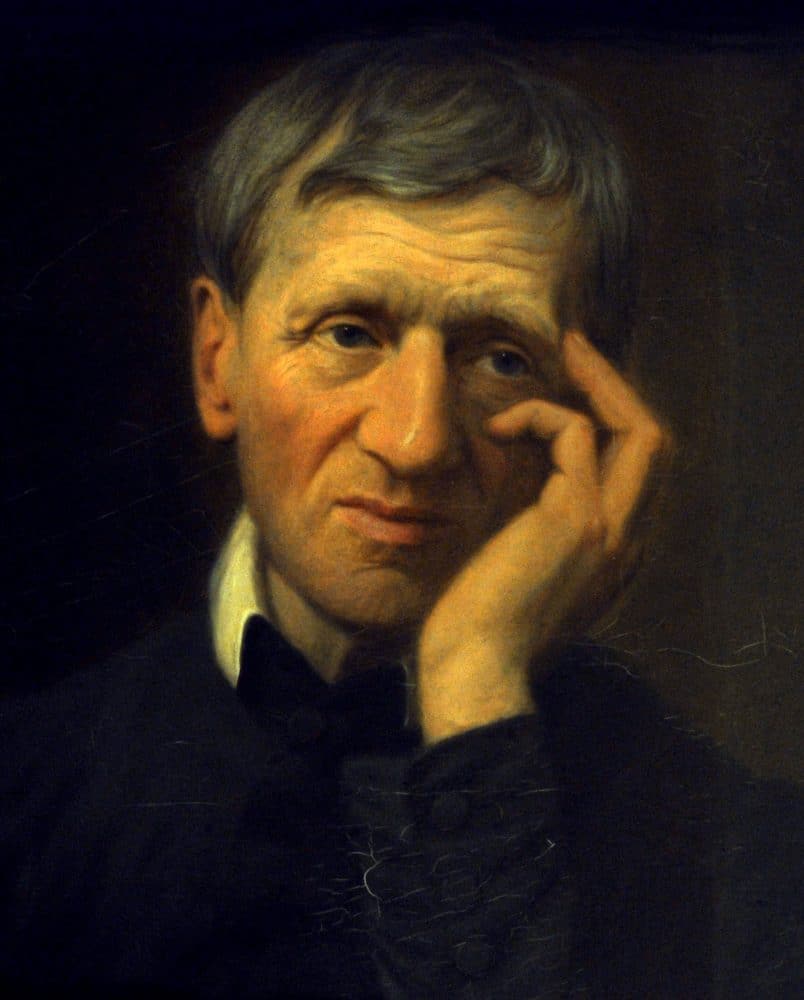
This master class is open to current graduate students. It will take place online on Zoom. Others interested in participating should contact us. In his intellectual autobiography, John Henry Newman makes a bold claim that may confound our contemporary sensibility. In matters of religion, the human mind has only two consistent options: either atheism or Catholicism. Any position in-between is but a logical half-way house. Our master class will explore the relation in Newman between faith and reason that endeavors to justify this claim. In the process, we will deal with the role of probability, which would seem to be…
Measure and Mathematics in Renaissance Philosophy

A webinar lecture with Richard Oosterhoff (University of Edinburgh). Part of our summer webinar series on “Reason and Beauty in Renaissance Christian Thought and Culture,” presented in collaboration with the American Cusanus Society Perspective drawing, map-making, musical harmonics, astronomy, and number theory—these were all mathematical disciplines in the Renaissance. We tend to link measuring sounds, sights, and sensations with outstanding philosophers, from Nicholas of Cusa to Galileo and Descartes. But every university student met these topics, in their first textbooks. This webinar will focus on the hugely popular Paris master and humanist Jacques Lefèvre d’Étaples (c. 1455–1536), who wove a programme of…
A Sort of Bazaar or Pantechnicon: Newman’s Challenge to the Modern University

REGISTER HERE This master class is open to current graduate students and advanced University of Chicago undergraduate students. It will take place online on Zoom. Others interested in participating should contact us. In 1854, John Henry Newman worried that the contemporary university was losing its ability to teach its students to see and recognize the truth. Instead of integrated learning, the university had instead become “a kind of bazaar, or pantechnicon,” where various facts or theories were offered up without any attempt to make sense of the whole. This master class will investigate to what extent Newman’s concerns have been realized and whether his proposed…
Giordano Bruno and the Poetry of the Cosmos
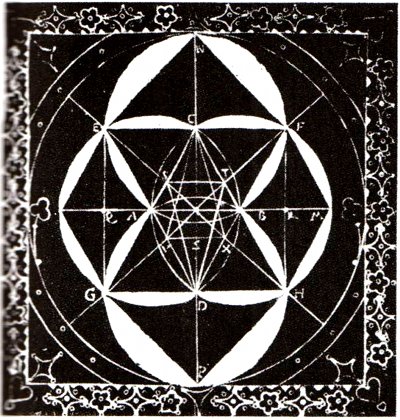
A webinar lecture with Valentina Zaffino (Pontifical Lateran University; Rome Global Gateway, University of Notre Dame). Part of our summer webinar series on “Reason and Beauty in Renaissance Christian Thought and Culture,” presented in collaboration with the American Cusanus Society Giordano Bruno (1548-1600) was an Italian Dominican friar, philosopher, mathematician, and cosmologist. Bruno’s notoriety is due both to his adventurous life and to his original reinterpretation of ancient thought in light of the new philosophical scenario. Valentina Zaffino will analyze Bruno’s image of the cosmos, focusing on his remodeled Neoplatonic background. In this context, as will be shown, the notions of harmony and beauty are closely related with Bruno’s…