
Master Class on “Bishop Bartolomé de las Casas, OP: Christian Faith and Amerindian Rights”
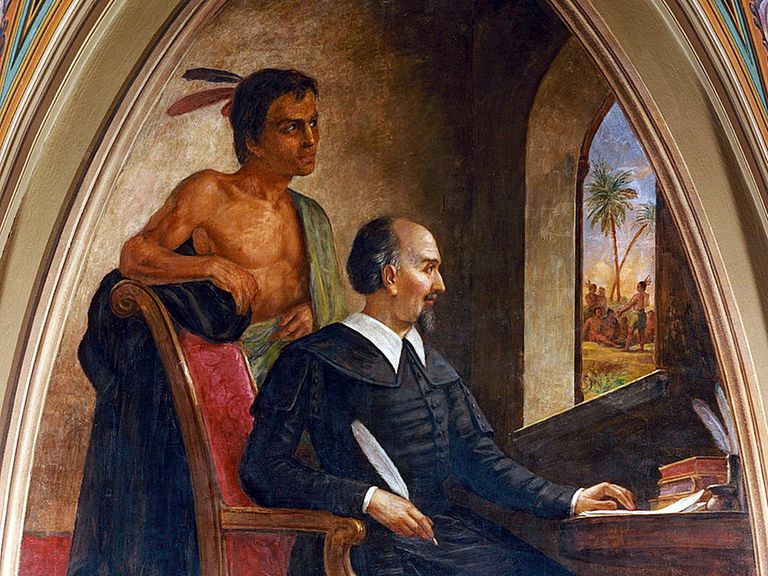
Open to current university students and faculty. A link to the readings will be provided for registrants. This class offers an in-depth overview of the life and writings of the irrepressible friar Bishop Bartolomé de las Casas, O.P. (1484-1566), identified by friend and foe as the “Protector of the Indians.” Since youth, Las Casas was intimately bound to the old and new worlds of Europe and the Indies, traversing the Atlantic at least a half dozen times during his life. He was a Renaissance churchman par excellence, inhabiting the various duties and roles of missionary preacher, theologian, bishop, historian, political…
Master Class on “Karl Rahner’s Distinctive Theology of the Symbol”
Open to current university students and faculty. A link to the readings will be provided for registrants. In an era of outstanding theologians who made the teachings of the second Vatican Council possible, Karl Rahner (1904-84) stands out as a titan. A German Jesuit, he studied under Martin Heidegger (1889-1976) in Freiburg (among others). He taught on the faculties of Innsbruck, Munich, and Münster; served as a peritus at the Council and as a member of the International Theological Commission. His chief works include Spirit in the World (1957), a study of Thomas Aquinas’s theory of knowledge; Hearer of the…
Master Class on Paul Claudel’s “The Muse Called Grace”
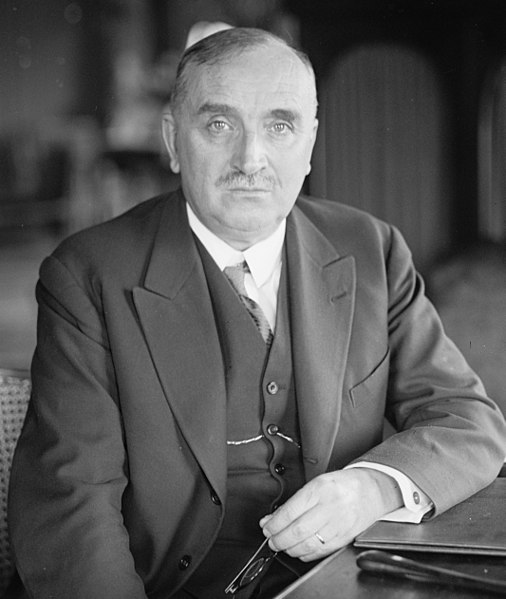
Open to current students and faculty. A copy of the poem with English translation will be circulated to those who RSVP. Paul Claudel can be described as the greatest French Catholic poet of the 20th century. His ode The Muse Called Grace celebrates the deep links between human and divine love, between poetry and faith. Join Professors Rémi Brague and Thomas Pavel for a master class on the poem. Previous familiarity with Paul Claudel is not required. SCHEDULE: 2:30pm Coffee & Tea 3:00pm Seminar 5:00pm Wine & Cheese The Franke Institute for the Humanities will host a conference on Paul…
Comparing Trent, Vactican I, and Vatican II
To view photos of the lecture, visit Lumen Christi’s Facebook page. Free and open to the public. Based on a forthcoming book entitled When Bishops Meet: An Essay Comparing Trent, Vatican I, and Vatican II that bears the fruit of decades of scholarship, this lecture by one of the greatest living experts of modern Church history will compare the three modern ecumenical councils of the Catholic Church. John O’Malley also taught a master class on October 12 and participated in a symposium on October 13. To view photos of the lecture, visit Lumen Christi’s Facebook page.
Master Class on “Councils and Popes: Who’s in Charge?”
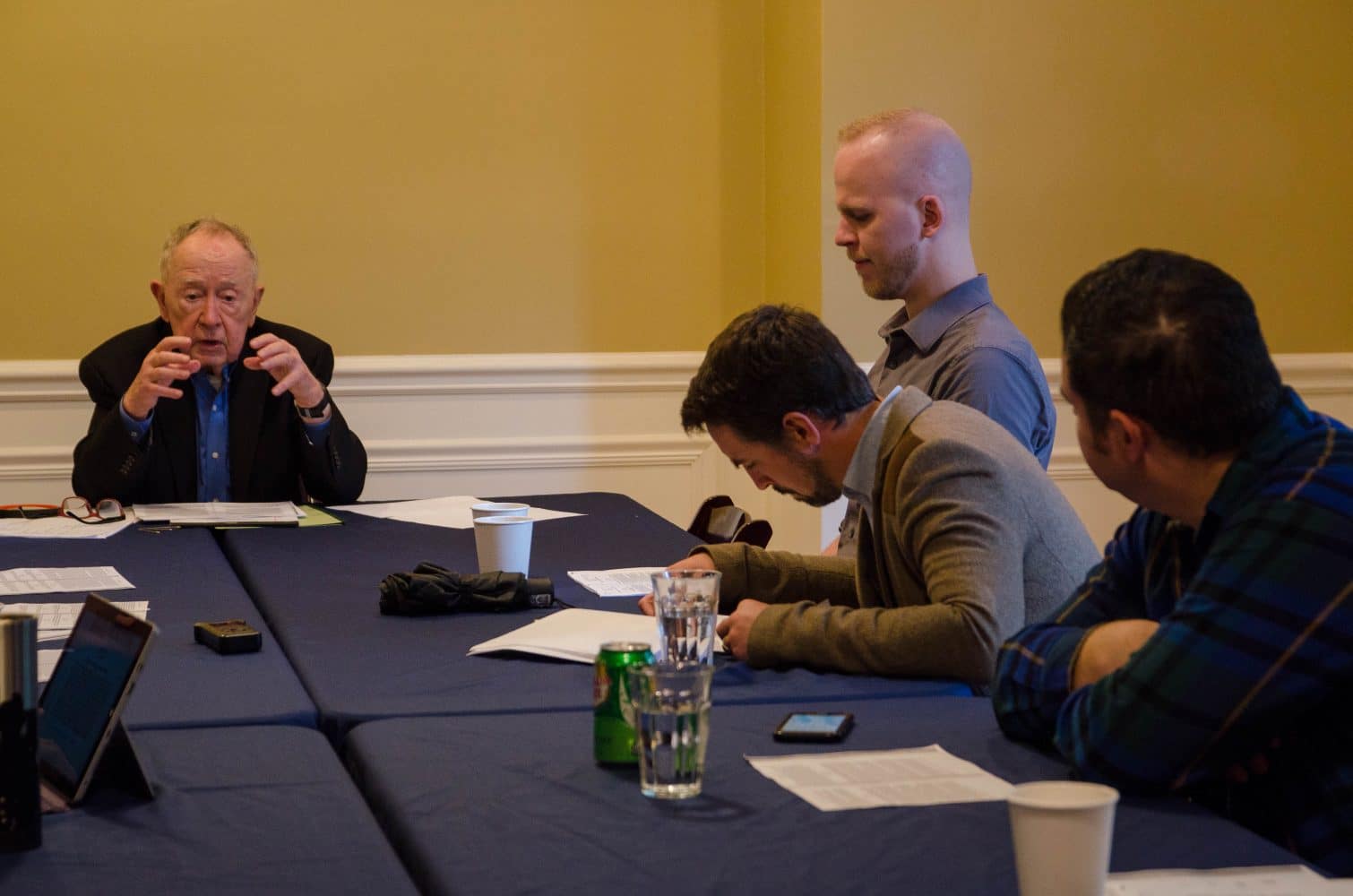
Registration is required. Open to current university students and faculty. A PDF of the assigned readings will be provided. The purpose of the seminar is to deepen understanding of the historical course of the relationship between councils and popes through an examination of four key texts published at four key moments in the ongoing dialectic between these two institutions. Our time together will be spent on a close reading and discussion of the texts, trying to understand them in their historical contexts. We will read them also with an eye to their possible relevance to the situation of the Catholic Church today. In…
Vatican I: Loss and Gain with Papal Governance of the Catholic Church
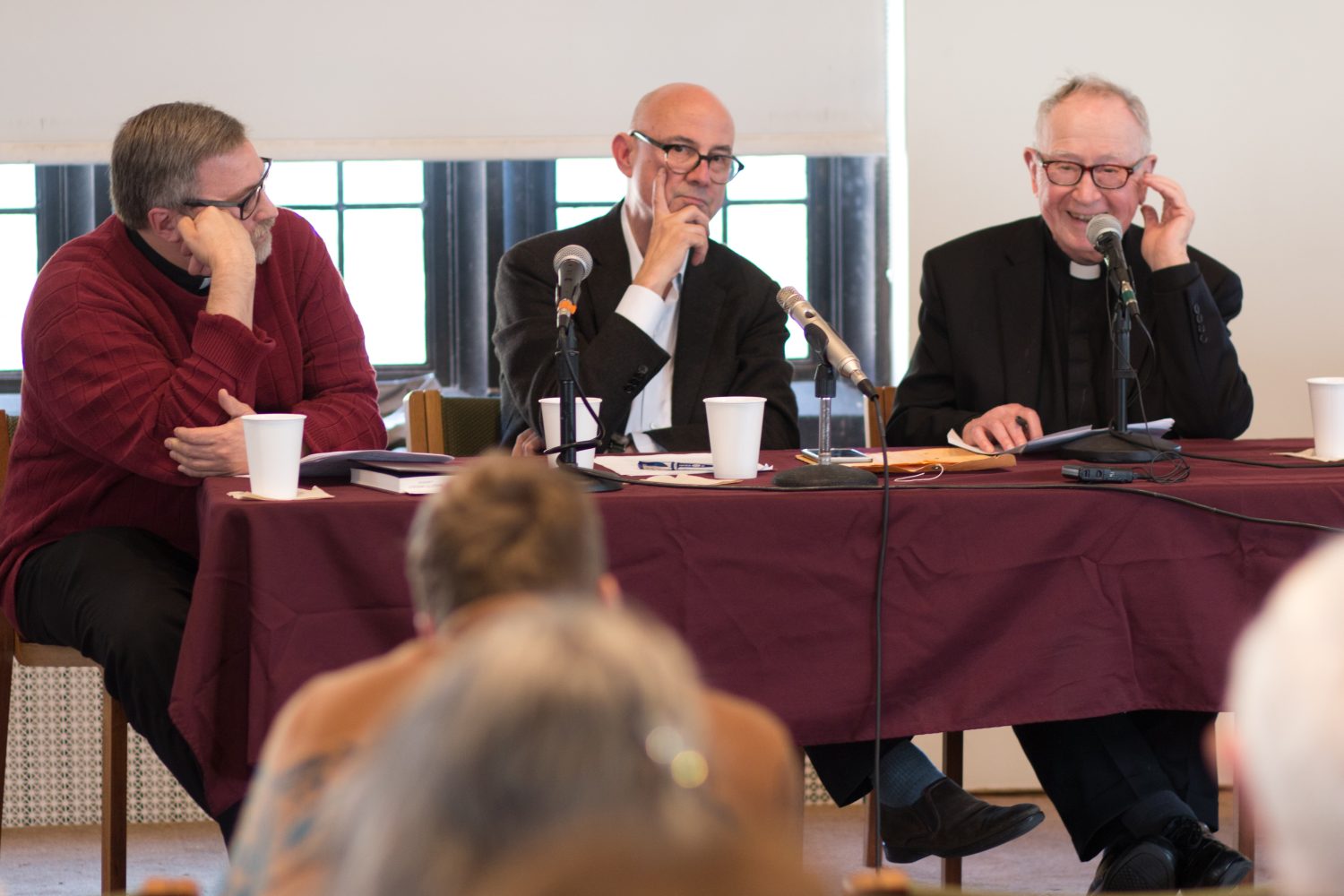
You can subscribe to the Lumen Christi Institute Podcast via our Soundcloud page, iTunes channel, Stitcher, TuneIn, ListenNotes, Podbean, Pocket Casts, and Google Play Music. To read O’Malley’s contribution to this panel discussion in the Notre Dame McGrath Institute for Church Life’s Church Life Journal, click here. To view photos of the symposium, visit Lumen Christi’s Facebook page. Free and open to the public. Cosponsored by the Theology Club. A symposium and reception on the occasion of the publication of Vatican I: The Council and the Making of the Ultramontane Church (Harvard University Press, 2018) by Fr. John O’Malley, SJ. Copies of the book will be available for sale by…
Can Transcendence be Organized? The Catholic Church Between Universalism and Establishment
-1600x900.jpg)
Free and open to the public. Cosponsored by the Committee on Social Thought and the Theology Club. If a religion differentiates itself from the culture of specific peoples, states, or empires and represents the ideal of moral universalism and an understanding of transcendence, it cannot evade the problem of self-organization. While this is true of all “post-axial” religions, this lecture restricts itself to the Christian Church and other forms of the social organization of Christians (sect, denomination etc.). A comparison between the Catholic Church and these other forms and an understanding of their interaction in the history of Christianity is…
Master Class on “Jacques Maritain, Étienne Gilson, and the Thomist Renewal in the 20th Century: Academic and Spiritual Approaches”
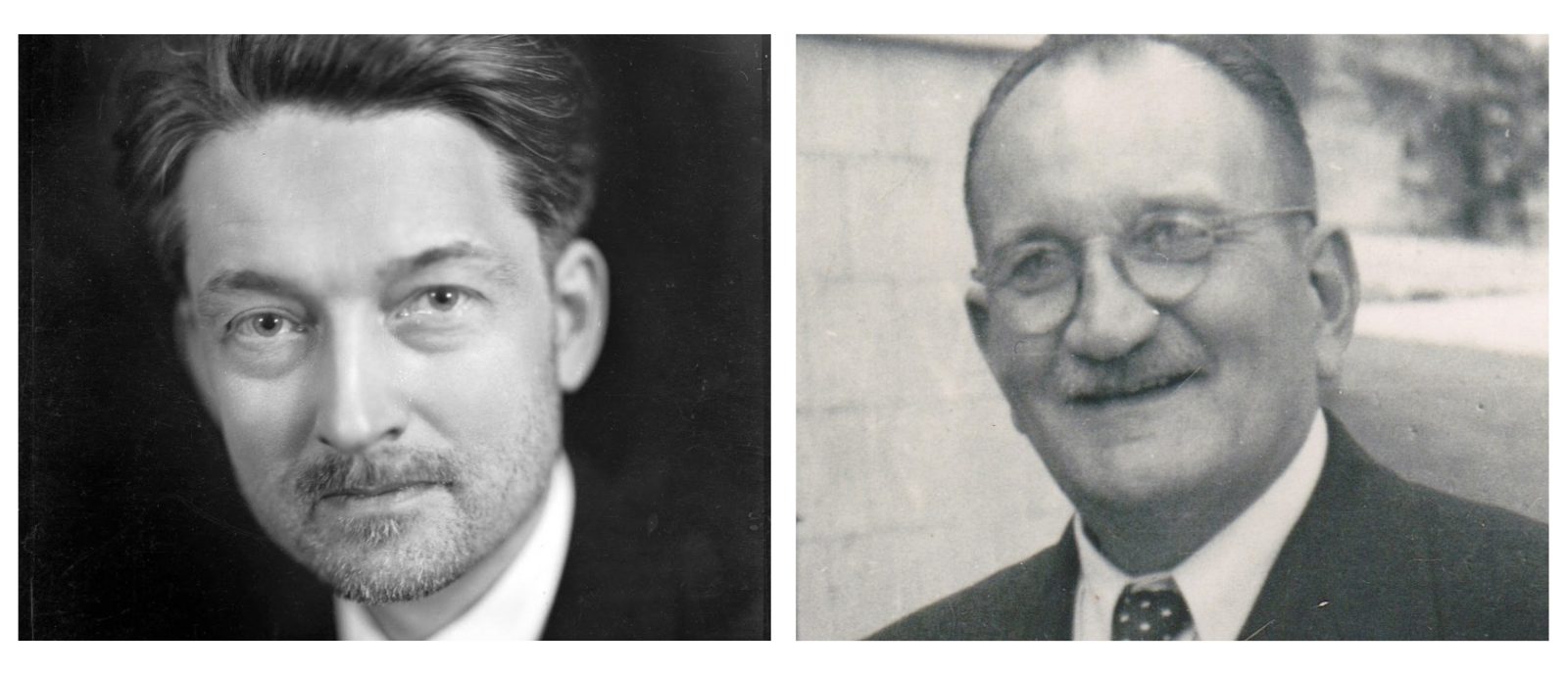
Open to current university students and faculty. PDFs of the assigned readings will be provided for those who register. For the Blessed Paul VI, Jacques Maritain (1882-1973) was a master “in the art of thinking and praying”. In 1975, Paul VI sent a letter to Etienne Gilson (1884-1978) to thank him for his whole life devoted to the search of truth and wisdom. In “Fides et Ratio” (1998, n.74), Saint John Paul II suggested Maritain and Gilson, among other names, as models of thinkers to reconcile philosophy and theology, reason and the word of God. What are the lessons taught…
Non-Credit Course on “Faith, Crisis, Christ”
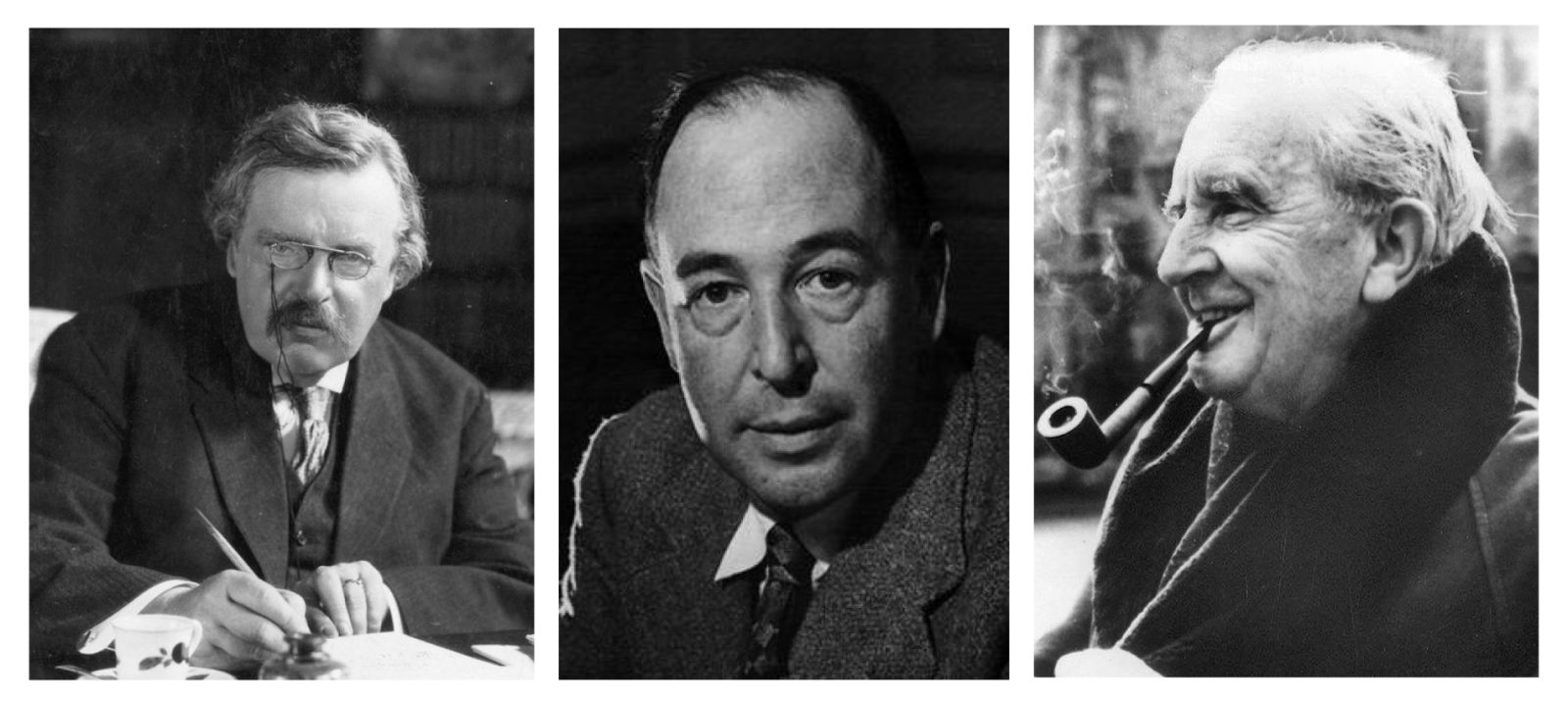
6:00 Dinner | 6:30 Lecture This weekly non-credit course is open to current students and faculty. Registrants are free to attend as many sessions as they choose. Sessions do not presuppose previous attendance or prior knowledge of the subject. The project of fides quaerens intellectum (faith seeking understanding) is not reserved to professional theologians but is the prerogative of every thinking person, and can be especially pressing when the claims of religion—and rationality itself—are viewed with suspicion or contempt. The twentieth century and the first decades of our own have erected formidable systems of skepticism yet also brought into the field notable…
CANCELLED: Master Class on “Thomas Merton at Columbia: On the Love of Learning and the Desire for God”
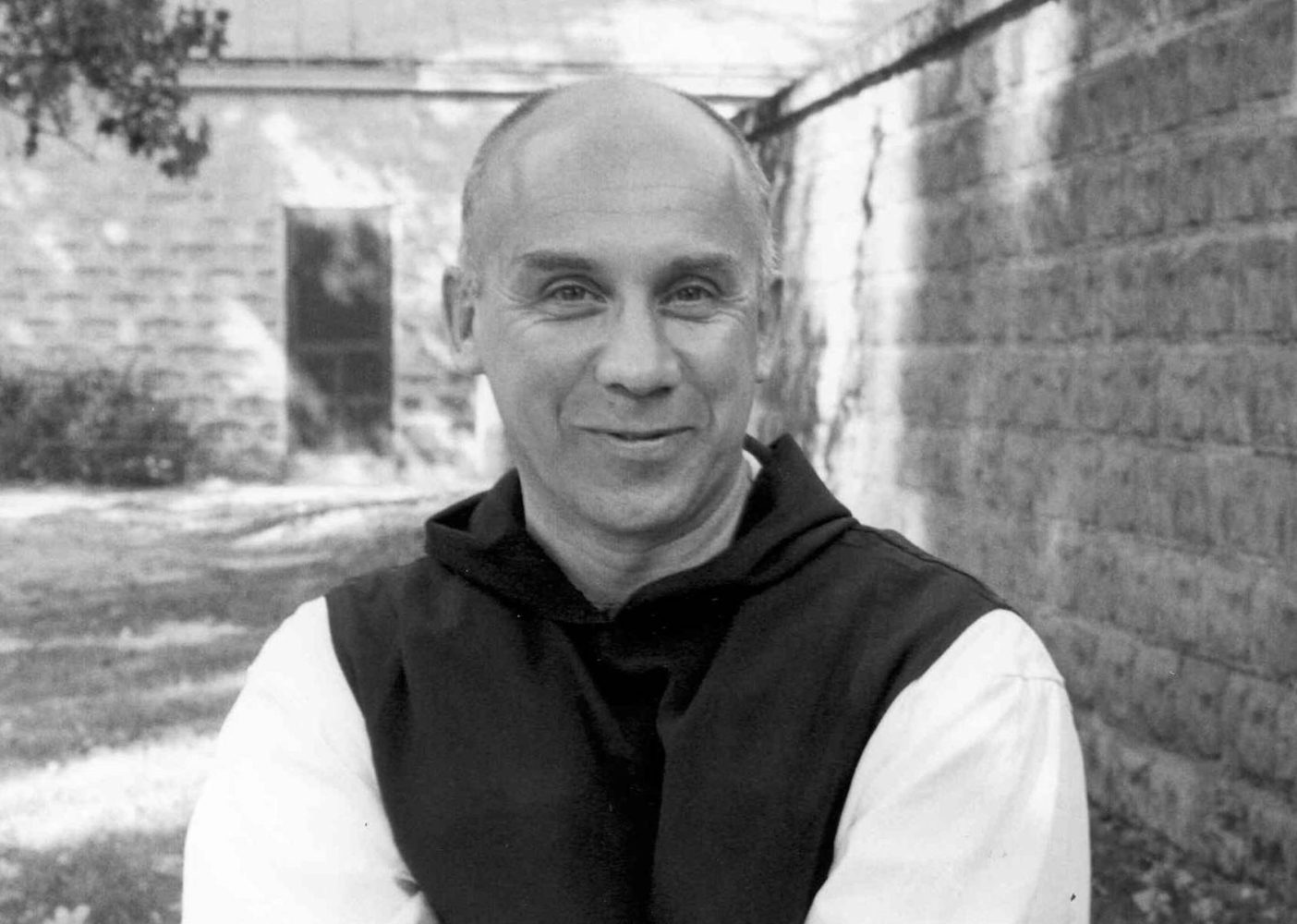
Due to unforseen circumstances, Professor Inchausti has to cancel his visit to Chicago and unfortnately this event has been cancelled. Open to current university students and faculty. Others interested in participating should contact us. Copies of the readings will be provided to those who register. Thomas Merton is one of the most influential spiritual writers of the 20th century. His autobiography, Seven Storey Mountain, tells the story of a restless and brilliant young man who goes from a literature student at Columbia University to taking vows as a Trappist monk. In this two-part, one day master class, we will look…