
Walker Percy on the Pursuit of Happiness in Apocalyptic Times
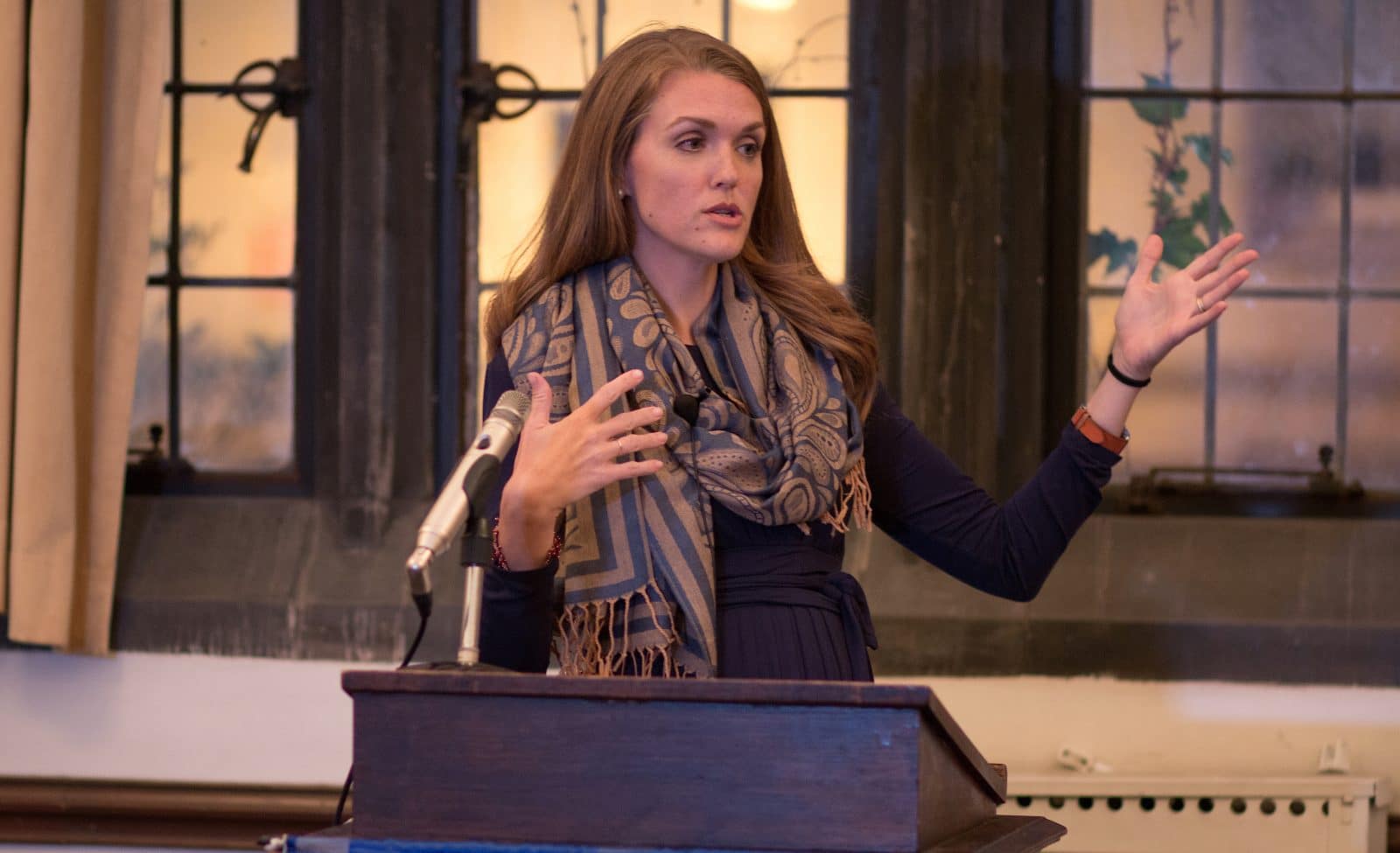
This virtual event is free and open to the public. This virtual event will be livestreamed on Zoom. For more information about the in person event, please contact us. The in-person event will take place at Ruth Lake Country Club in Hinsdale, Illinois. In Walker Percy’s novel, Love in the Ruins, the narrator, a wealthy and successful denizen of American suburbia, admits that ” everyone is happy, but our hearts broke with happiness.” In this lecture, Dr. Jennifer Frey will discuss what Percy’s novel can teach us about the pursuit of happiness in contemporary American life, and why the novel’s biting satire is relevant to our contemporary political and…
Catholic Culture Series on “Catholic Literary Heritage”
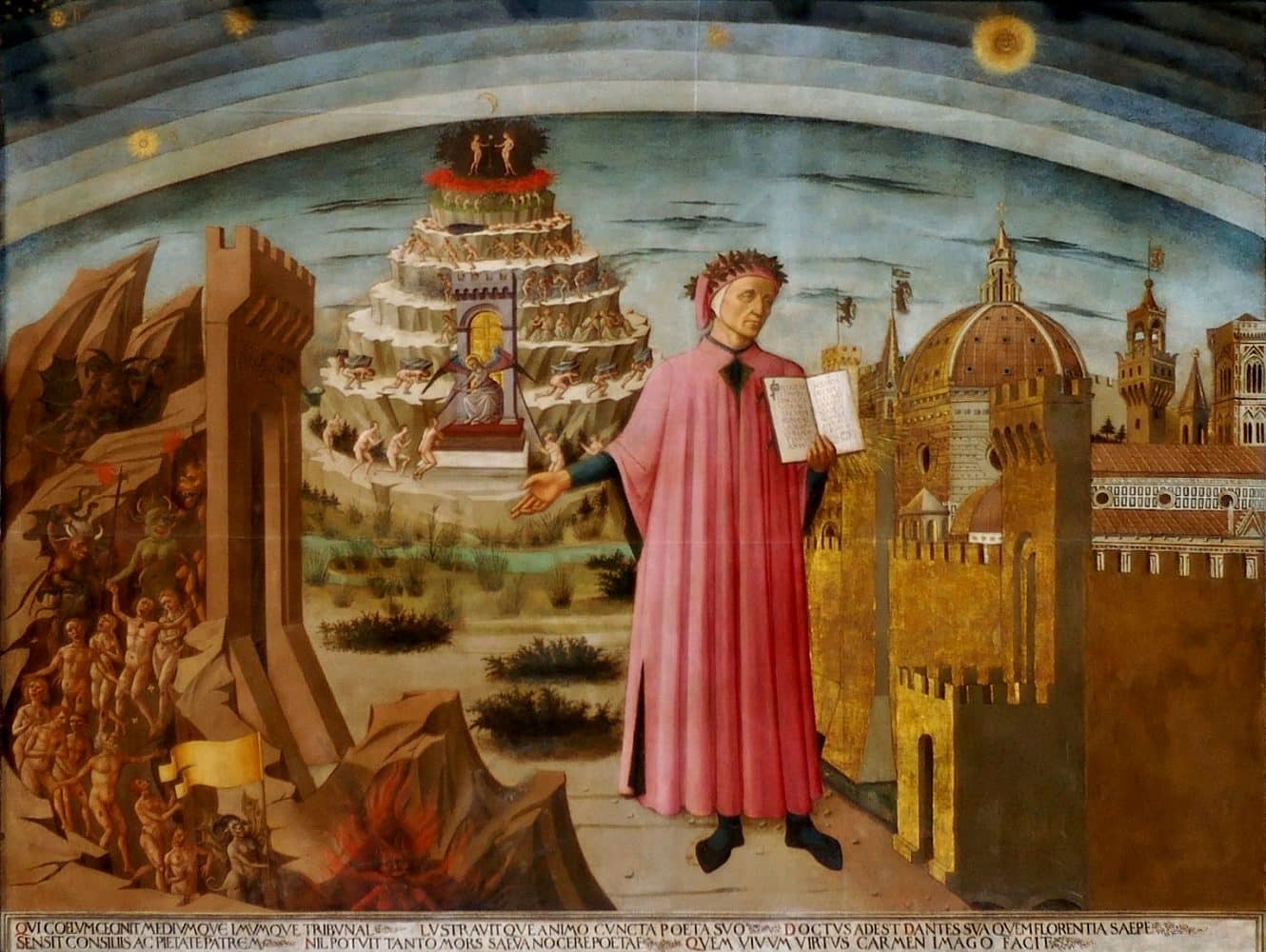
The Lumen Christi Institute’s West Suburban Catholic Culture Series returns in 2021-22 with a monthly series on the theme of Catholic literary heritage. We will survey the history of literature written by Catholics from the early middle ages to the late twentieth century. What is Catholic literature? What is our Catholic literary heritage? St. John Henry Newman has informed us that Catholic literature is more than “religious literature” or “the literature of religious men.” Rather, Catholic literature is literature of “all subjects whatever, treated as a Catholic would treat them, and as he only can treat them.” Not only doctrine,…
Negotiating Tragedy and the Tragic: Discursive, Performative, and Interpretive Strategies in Late Ancient Christian Literature
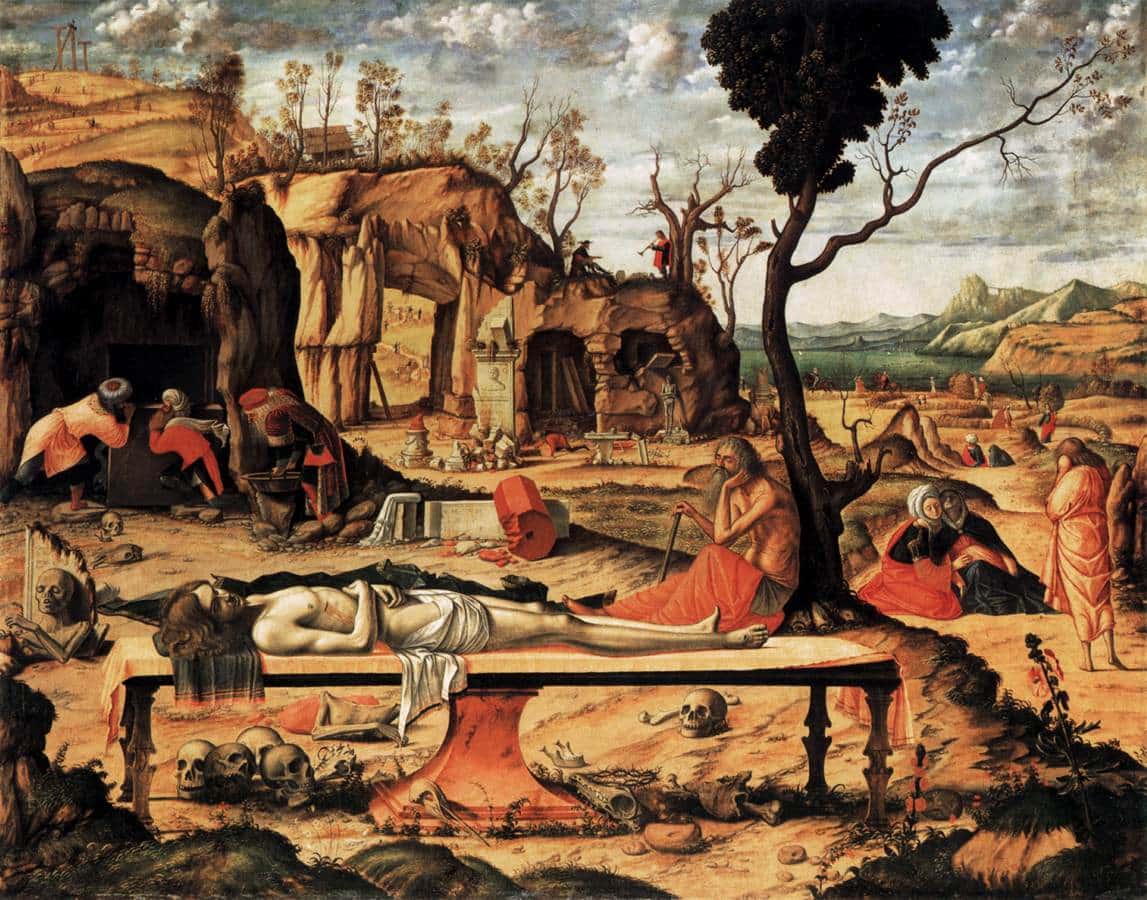
Free and open to the public. Early Christian authors rarely composed tragedies, but they did discern elements of “the tragic” both in the background of sacred history and in the foreground of mundane experience. As a rhetorical, literary, and even theological artform, the mimesis of tragedy took shape concurrently in biblical interpretation and preaching, in autobiographical and hagiographical writing, in the framing of Christian moral response to human anguish and indignities, and in theological reflection on interrelated issues of providence, freedom, fate, and hope. This lecture will sample each of these dimensions, concentrating especially on works of the Cappadocian Fathers, John…
Finding Tragedy in the Bible with Its Early Christian Interpreters
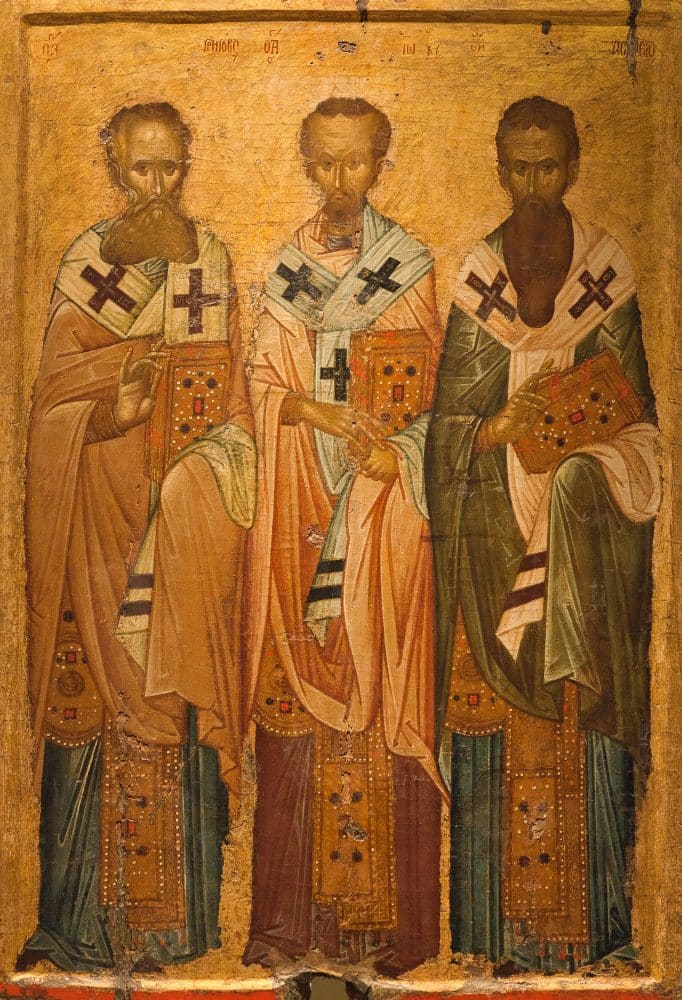
Open to current students and faculty. Box lunches will be served. Prof. Blowers will also give a lecture on “Negotiating Tragedy and the Tragic: Discursive, Performative, and Interpretive Strategies in Late Ancient Christian Literature” on March 30. For all events held at Gavin House, the Lumen Christi Institute follows Chicago Department of Public Health Guidance for in-person gatherings. Please see here for the city’s most up-to-date guidelines. These are guidelines subject to change. If you have any questions, please contact us.
Logical to the Bitter End: Absurdity, Suicide, and Hope in Albert Camus’s The Myth of Sisyphus
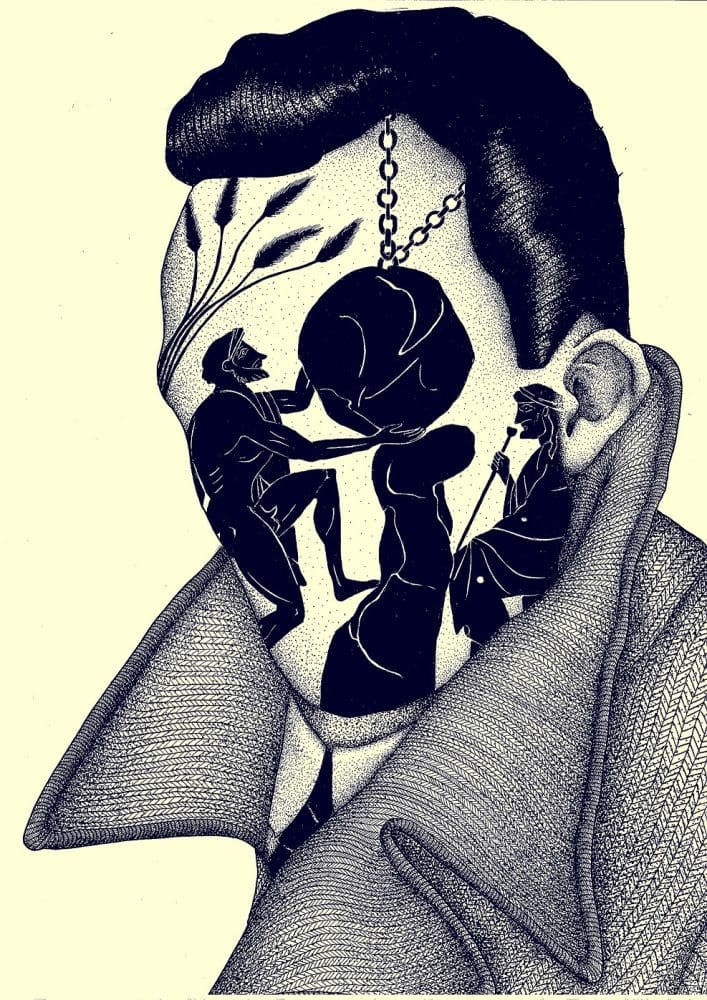
Does the absurdity of life dictate death? Can one find hope—can one truly live—in an absurd universe? These are the questions Albert Camus labors mightily to answer in his seminal work, The Myth of Sisyphus. Acknowledging the basic human impulse to seek meaning to existence, Camus nevertheless holds that existence provides us with no answer and, moreover, never will. Given this absurdity, Camus thus identifies suicide as the “one truly serious philosophical problem.” Why, Camus poses, do we bother to go on living once we recognize the absurdity of life? How, in the face of absurdity, can one embrace the struggle…
Lunch Discussion on “The Vocation of the Poet: Humanism, Christianity, and Verse”

Open to current students and faculty. Others interested in joining should contact us. Lunch will be served. Join us for a lunch discussion with poet and professor James Matthew Wilson (University of St. Thomas, Houston) Poetry is, at best, a marginal art form in contemporary America, and yet its craft, technique, and tradition are all provocations to reconsider what it means to live a whole, formed life and what it means to encounter, contemplate, and understand reality. In this informal conversation, Professor Wilson will share his own experience of discovering the craft and vocation of verse and we’ll consider what poetry has to…
The Catholic Imagination in Modern American Poetry
Part of our Western Suburban Catholic Culture Series. This event will be live streamed on Zoom. At the turn of the twentieth century, the American Historian Henry Adams wrote admiringly of the Catholic mind as it found expression in the medieval world. It was beautiful, it was good, but, alas, could not be true. Within a generation, younger American writers were impelled by that same beauty but dared to ask whether they might be equally impelled by the Catholic vision of the world as true. Thus began a great literary adventure, as American poets entered into the Catholic tradition and sought…
Master Class on T.S. Eliot’s “Four Quartets”
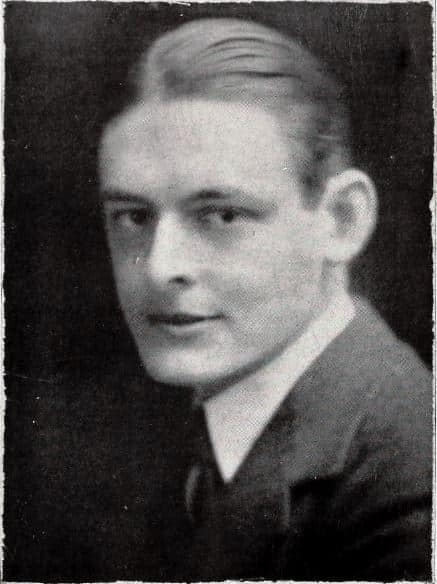
A master class with poet and professor James Matthew Wilson (University of St. Thomas, Houston). Open to current graduate students, faculty, and advanced University of Chicago undergraduate students. Others interested in participating should contact us. Registrants will receive copies of the prepared reading. Generally regarded as the greatest poem of the twentieth century, T.S. Eliot’s Four Quartets is not only an important poem but a masterful modern contribution to the long Christian-Platonist tradition of the West. It is at once a work of art and a suggestive vision of Christian humanist metaphysics, ethics, and mystical theology, one to which perhaps only Dante’s Divine…
Symposium on “The Future of Christian Art”
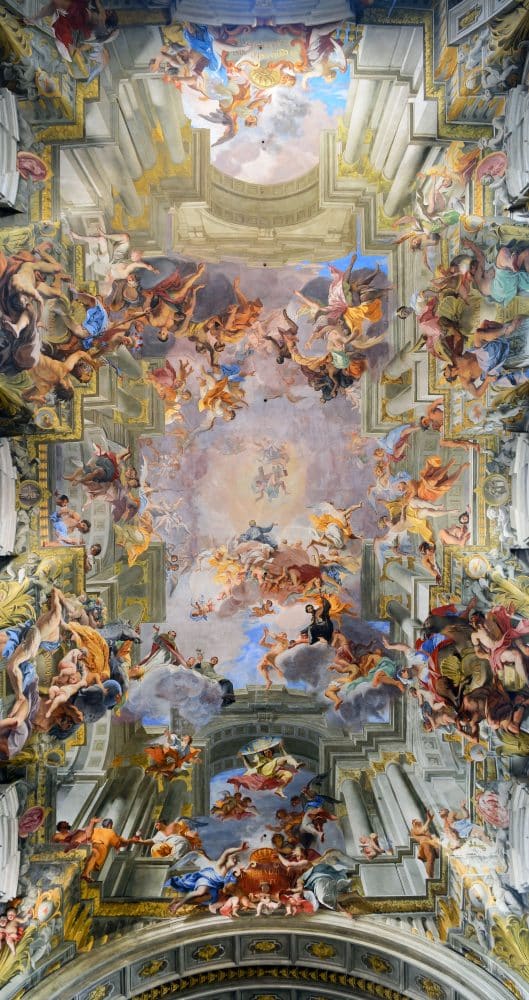
Is there a future for Christian Art? Can beauty save a “modern” world? This symposium features a presentation by Fr. Stephen Fields, SJ (Georgetown) in which he distinguishes between modernity and previous periods of the Western Christian experience and draws upon the work of Hans Urs von Balathasar to argue that Christians must reconceive the meaning of “beauty.” Responses will follow from University of Chicago art historian Karin Krause and Chicago Artist John David Mooney. This event is being supported by funds from the Fr. Paul V. Mankowski, S.J. Memorial Fund for Jesuit Scholarship. Fr. Paul, former Jesuit Scholar-in-Residence for the Lumen…
Superheroes, the Void, and Utopia: Reading Alan Moore’s Watchmen at the End of Days
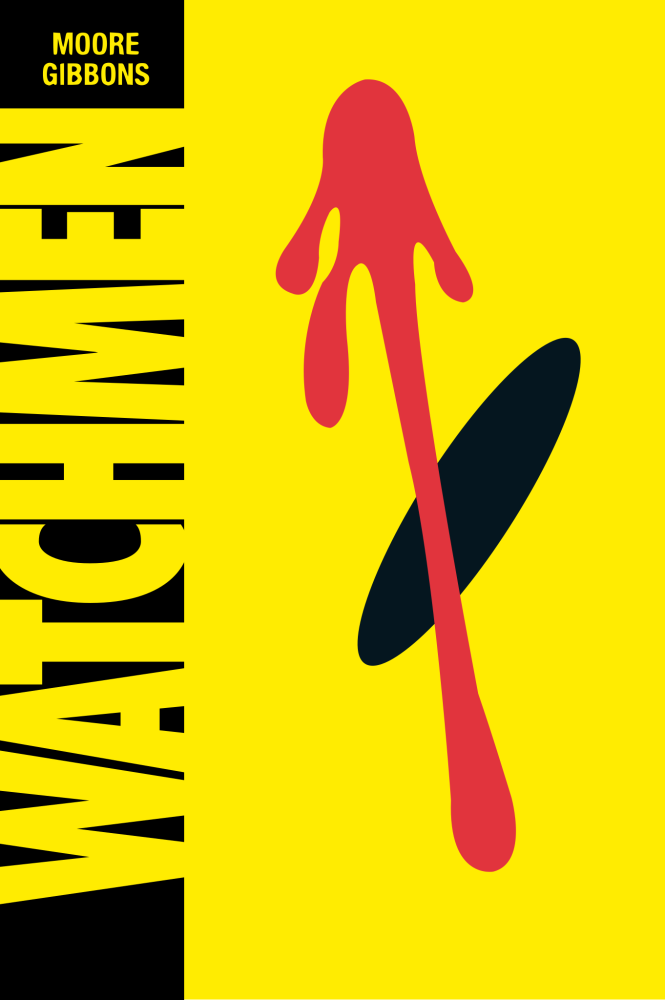
Open to current undergraduate students at the University of Chicago. Registration is capped at 20. Students who register after capacity has been reached will be put on a waitlist. Copies of Watchmen will be provided to all participants. Who watches the Watchmen? The President of the United States is a septuagenarian nervously forced to confront an increasingly reactive Russia. Our technology has outstripped our power to control or even cope with it. Environmental collapse is right around the corner. Paranoia, dread, and hopelessness hover over all. The year, of course, is 1985, and the American president is…Richard Nixon? And, oh yes, there are…