
A Concert of Sacred Music, “Josquin: Master of the Notes”
Schola Antiqua of Chicago, Artists-in-Residence at the Lumen Christi Institute, presented a program exclusively dedicated to the music of Josquin des Prez, one of the most important composers from the late fifteenth and early sixteenth centuries. His fluid and persuasive style of composition encapsulates the transition between the sound-world of the late Middle Ages and that of the High Renaissance. The centerpiece of the concert featured a rare performance of the composer’s Mass for the Blessed Virgin, a four-voice setting of the Mass Ordinary that figures among the latest of the composer’s masses, written around 1510. The program, under the…
Symposium on Czesław Miłosz
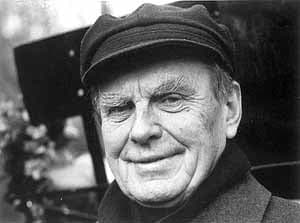
Sponsored by The Department of Slavic Languages and Literatures, The Committee on Social Thought, The Committee on Creative Writing, The Program on Poetry and Poetics, and The Lumen Christi Institute. Saturday, October 22, 1:30pm-4:00pm Symposium on Polish poet, Czeslaw Milosz At the 100th anniversary of his birthday Social Sciences, Tea Room (2nd Floor) Program 1:30pm Introductory Remarks 1:45pm Adam Zagajewski, University of Chicago 2:15pm Bozena Shallcross, University of Chicago 2:45pm Coffee break 3:00pm Lukasz Tischner, Jagellonian University, Cracow 3:30pm Thomas Pavel, University of Chicago
Irony and Humanity: A Dialogue between Jonathan Lear and Alasdair MacIntyre
Presented by the Committee on Social Thought and the Department of Philosophy. Co-sponsored by the Lumen Christi Institute. In his most recent book, A Case for Irony, Jonathan Lear argues that becoming a human being is a difficult task, and that developing a capacity for irony is essential to doing it well. He claims that ironic experience is a form of truthfulness that is constitutive of human flourishing, such that a capacity for irony is a kind of virtue or human excellence. Alasdair MacIntyre will join Lear in a conversation about his book.
G.K. Chesterton on Humor
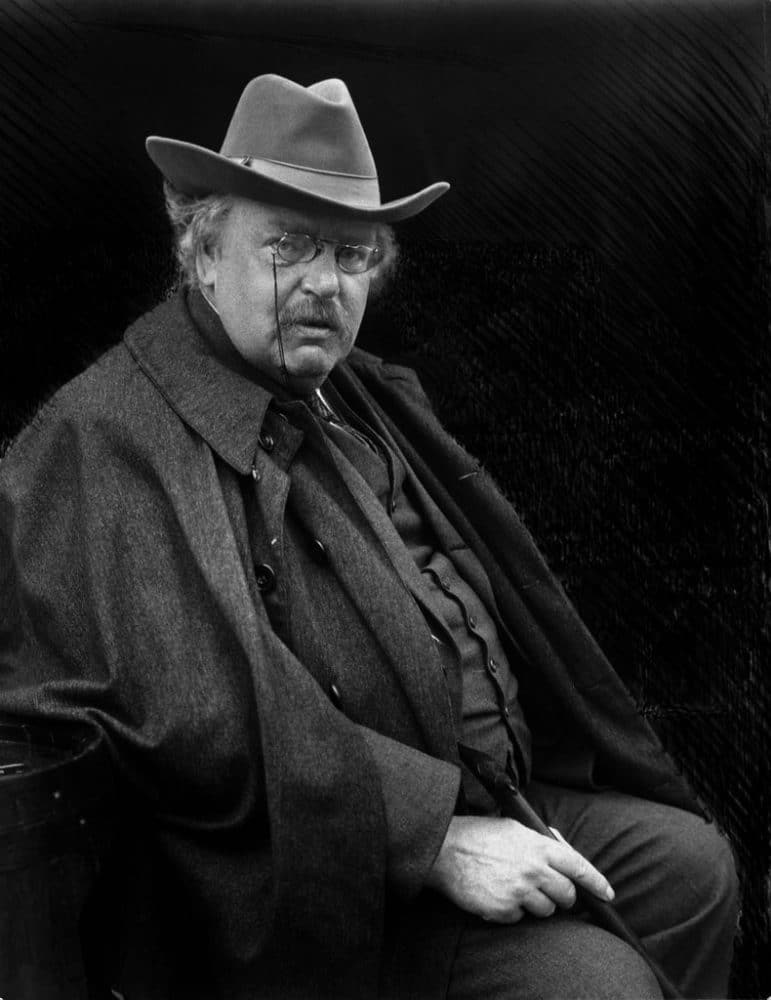
Co-sponsored by The Nicholson Center for British Studies, The American Chesterton Society, and the Literature and Philosophy Workshop Chesterton regarded comedy as important an art form as tragedy. He thought humor was integral to Christianity as opposed to paganism, and it was an essential part of his philosophy of wonder.
“What Makes Music Sacred?”
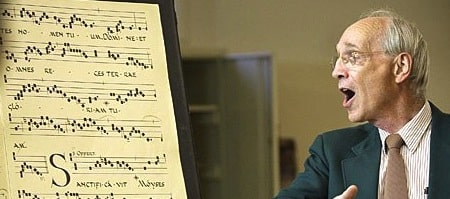
Cosponsored by the Department of Music and the Medieval Studies Workshop While it is easy to recognize traditional forms of sacred music: Gregorian chant, classical polyphony, organ music, choral music, and vernacular hymns it is difficult to pinpoint what it is that makes music sacred? This lecture will reflect upon the relation of the sacred and the beautiful in the liturgy. It will consider what is meant by sacred, as distinguished from holy and place those things considered sacred in the context of their reception and intrinsic suitability.
“Gregorian Chant as Splendor Formae of the Liturgy”
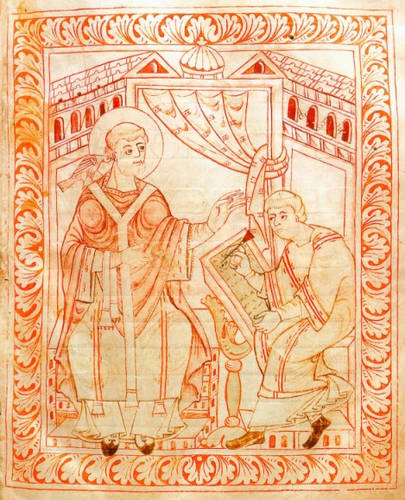
Cosponsored by the Department of Music and the Medieval Studies Workshop A principal Medieval definition of beauty is splendor formae, the manifesting of the very nature or form of a thing. While the liturgy can be described as a great divine action, it is also comprised of a variety of discrete chants. Being entirely sung, its Gregorian chants differentiate the character and function of each action and thus express a purposeful variety. This lecture will illustrate the beauty of the liturgy by comparing these chants particularly the gradual and alleluia in relation to the responsories of the Divine Office.
“Shakespeare, Identity, and Religion”
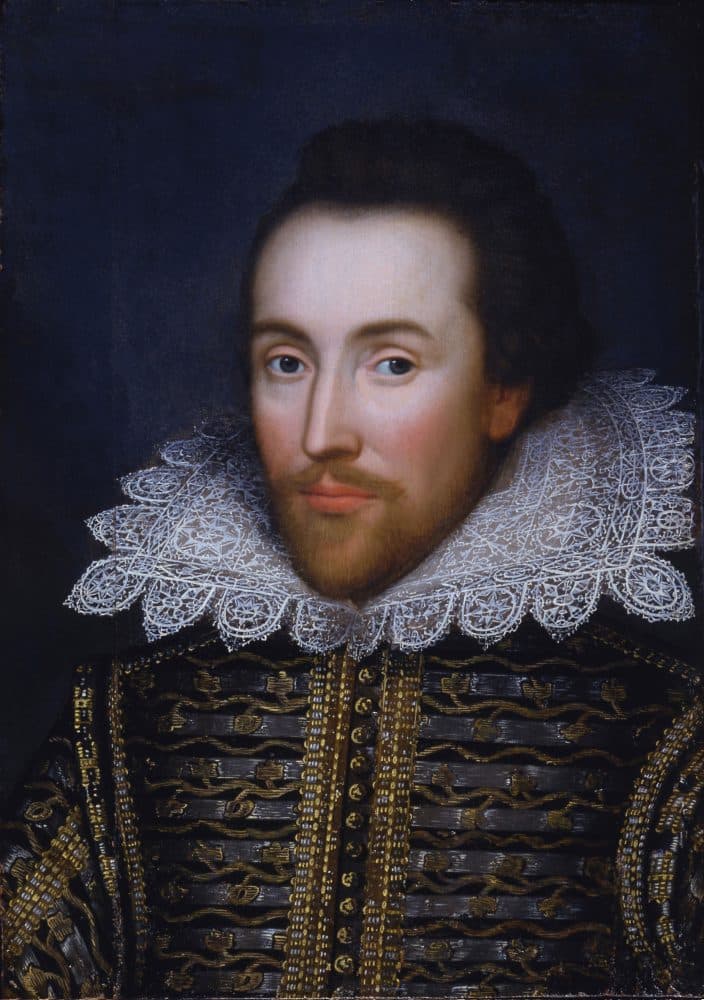
Cosponsored by The Nicholson Center for British Studies Whether Shakespeare was Catholic has long been a point of speculation. Recent research into the life of Oxford philosopher and double agent William Sterrell has revealed a neglected group of Catholics connected to Shakespeare at and around the courts of Queen Elizabeth and King James. The potential influence of these crypto-Catholics practicing their faith in animo while outwardly complying with the legally enforced state religion offers a new understanding of Shakespeare’s works and audience.
“Tidings True: Advent Music from Long Ago”
December 7, 8pm Sacred Heart Parish 1077 Tower Road Winnetka, IL 60093 December 9, 3pm St. James Chapel at Quigley Center of the Archdiocese of Chicago 835 North Rush Street Chicago, IL 60611 BBC Music Magazine has placed Schola Antiqua’s “Tiding True” concert seriesamong the top 20 recommended concertsin the United States during the month of December. The centerpiece of this Schola Antiqua program will be Pierre de la Rue’s Missa Conceptio tua. This extensive work for extremely low voices was very much in demand in the early sixteenth century, but has not seen the light of day in modern performances or recordings. La Rue’s…
“Modern Christian Writers” Non-Credit Course
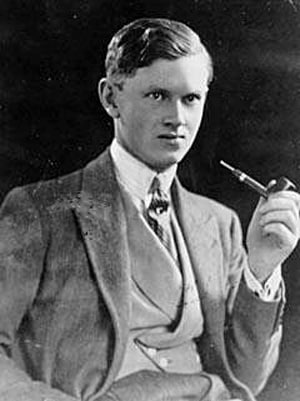
Informal Dinner: 6:00PM Lecture: 6:30PM Intended for University students, faculty, and recent graduates. Others interested in attending, contact info@lumenchristi.org. Addressing his fellow Christians, the author of the Letter to the Hebrews said, “Here we have no abiding city.” Christian writers characteristically view the societies in which they live both from the inside and as strangers or sojourners. This series will treat of a variety of modern authors whose faith made them aliens in their own homelands while giving them insight and sympathy into the dilemmas of their own time. No prior acquaintance with the writers on the part of attendees is…
Machaut’s Musical Monuments
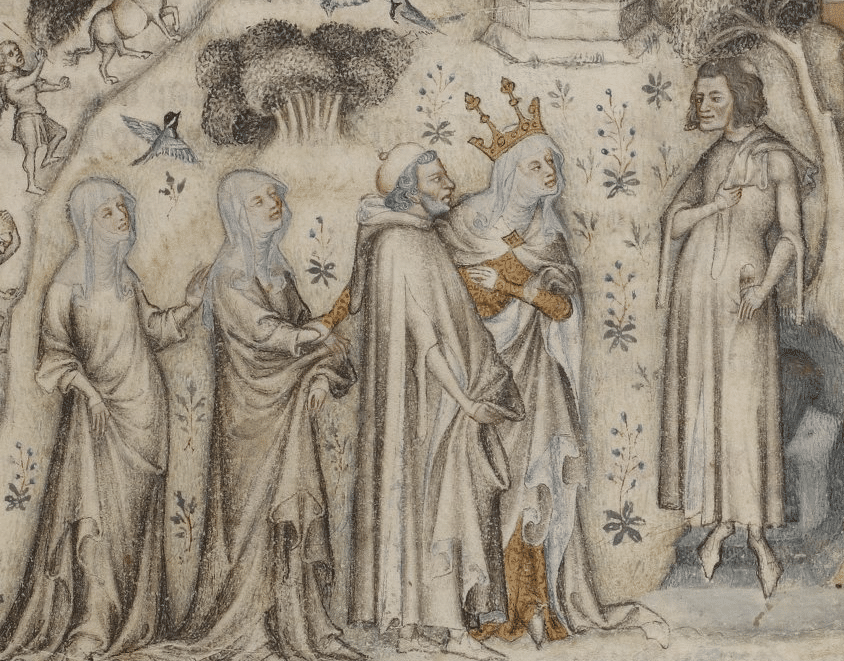
Schola Antiqua presents some of the most notable works by the fourteenth century’s most celebrated composer, Guillaume de Machaut. Program highlights include a complete performance of Machaut’s Mass for Our Lady, as well as a sampling of the composer’s enigmatic motets and playful song repertory.