
“Platonism and Christianity”
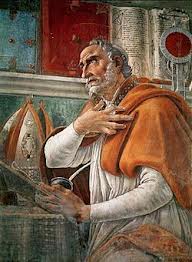
“The Identity of Knower and Known in Aquinas”
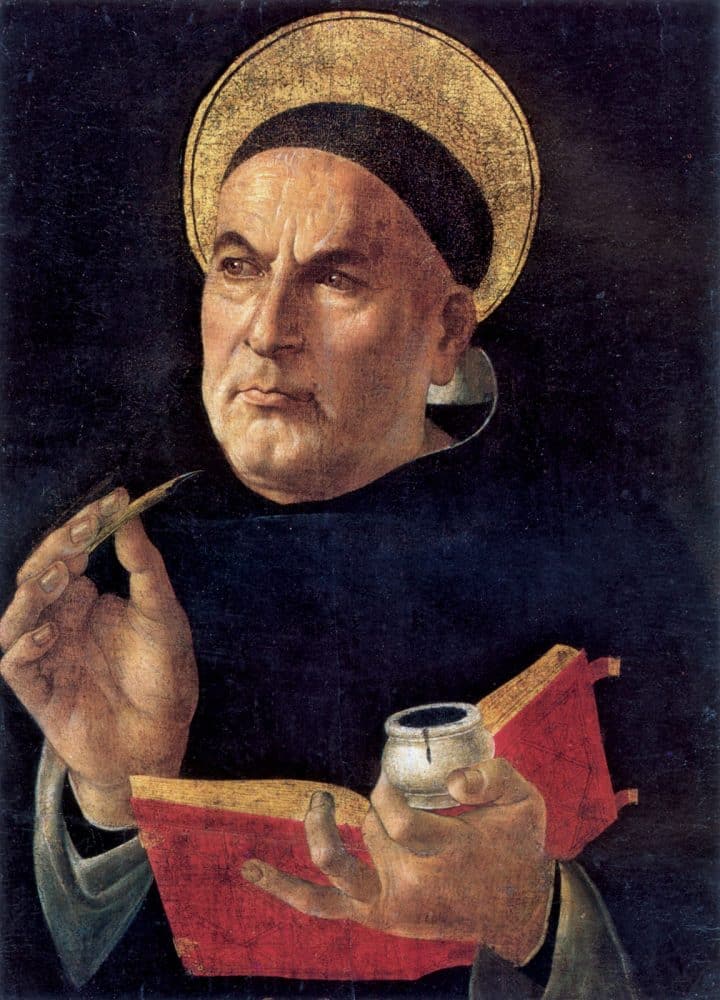
Lecture Abstract: The claim that knowledge involves an identity of knower and known has its historical roots among the Greeks. This lecture explores this claim as one finds it in the writings of St. Thomas Aquinas. Professor O’Callaghan will explore these issues in critical dialogue with two different papers, one by Wilfrid Sellars titled “Being and Being Known” and the other by John McDowell titled “Sellars’s Thomism.”
The Church Fathers: The Shaping of Christian Orthodoxy, Non-Credit Course
Lecture, 7:00pm Informal Dinner, 6:30pm Intended for University students, faculty, and recent graduates. Others interested in attending, contact info@lumenchristi.org. January 19 Athanasius of Alexandria: Theologian of the Incarnation†Aaron Canty (St. Xavier University) January 26 Jerome in Bethlehem Robin Darling Young (University of Notre Dame) February 2, 7:15pm Social Sciences 122 The Grand Design: An Augustinian Reply to Stephen Hawking John Cavadini (University of Notre Dame) February 9 Origen: Christian Faith and Greek Wisdom Andrew Radde-Gallwitz (Loyola University Chicago) February 16 St. Augustine on Love Jean-Luc Marion (University of Chicago, University Paris-Sorbonne) Registration closed. The event has reached seating capacity. February 23 Swift Hall, Third…
“What Makes Music Sacred?”
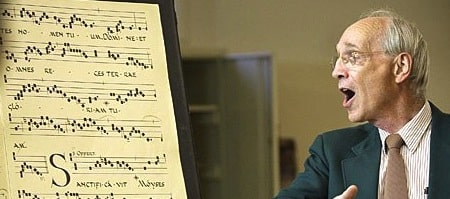
Cosponsored by the Department of Music and the Medieval Studies Workshop While it is easy to recognize traditional forms of sacred music: Gregorian chant, classical polyphony, organ music, choral music, and vernacular hymns it is difficult to pinpoint what it is that makes music sacred? This lecture will reflect upon the relation of the sacred and the beautiful in the liturgy. It will consider what is meant by sacred, as distinguished from holy and place those things considered sacred in the context of their reception and intrinsic suitability.
“Gregorian Chant as Splendor Formae of the Liturgy”
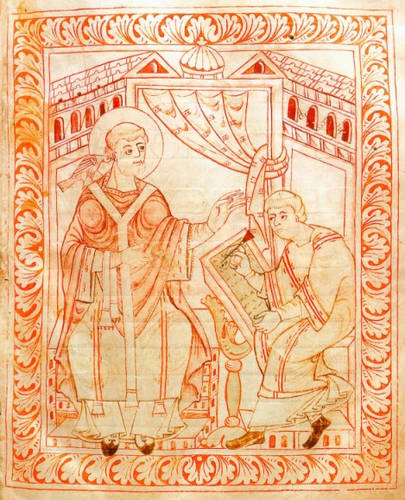
Cosponsored by the Department of Music and the Medieval Studies Workshop A principal Medieval definition of beauty is splendor formae, the manifesting of the very nature or form of a thing. While the liturgy can be described as a great divine action, it is also comprised of a variety of discrete chants. Being entirely sung, its Gregorian chants differentiate the character and function of each action and thus express a purposeful variety. This lecture will illustrate the beauty of the liturgy by comparing these chants particularly the gradual and alleluia in relation to the responsories of the Divine Office.
“Augustine and the Doctrine of Universal Restoration”
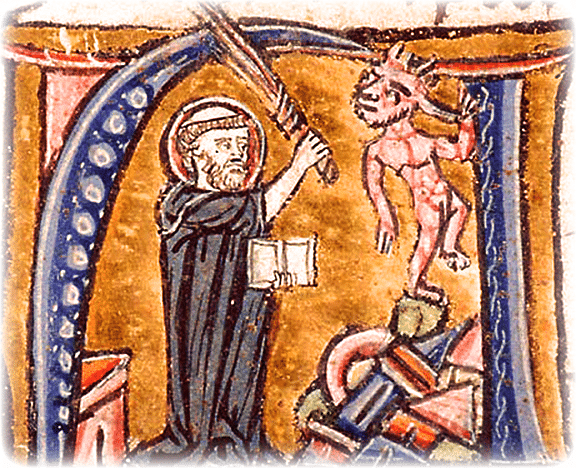
Cosponsored by the History of Christianity Club The great theologian Augustine of Hippo (354-430) is known to have condemned the doctrine of universal restoration and salvation (apokatastasis) devised by Origen of Alexandria (255ca.) as heretical. But in his earlier defense of Christian Orthodoxy against Manicheism, Augustine adhered to this doctrine. This lecture will show how Augustine’s later polemic against the Pelagians and his ignorance of Greek played a significant role in his eventual rejection of Origen’s doctrine.
Philosophy and Martyrdom: Tertullian and Justin Martyr
Co-sponsored by the Department of Philosophy and Philosophy of Religions Club During the first two centuries of Christianity believers were led to confess their faith before a pagan world and endure persecution and trial, often leading to martyrdom. One might expect from them the posture and tactics of an irrational and “prophetic” theology. But in fact they chose to make arguments for the consistency and rationality of faith under the literary genre of the apology. They even claimed that this rational confession of faith deserves the title of philosophy. This paradox sheds light on our contemporary situation.
The Spirit’s Bond: Gregory of Nyssa on the Inseparable Trinity
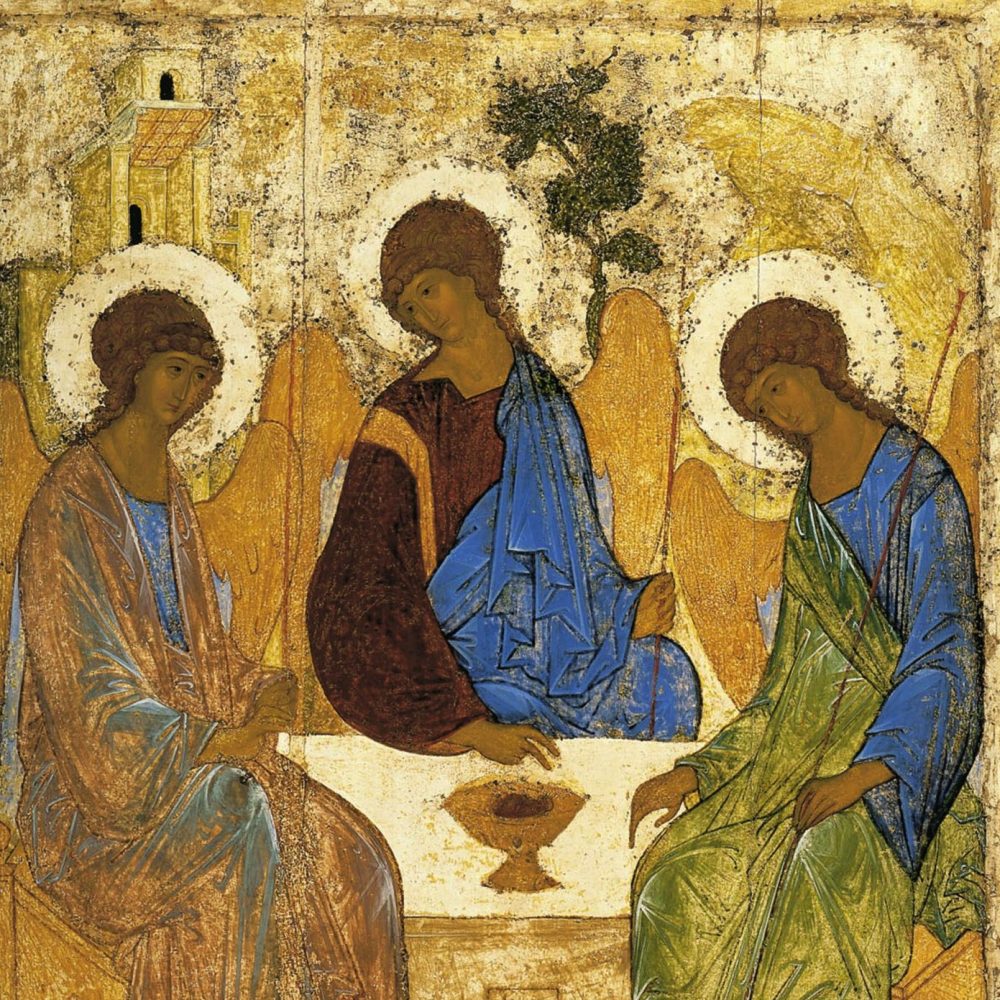
The creed recited by Catholic, Orthodox, Anglican, and many Protestant Christians every Sunday originated from the first two ecumenical councils of the Church, Nicea (325) and Constantinople (381), which affirmed the divinity of Christ and the unity of the Trinity. Among the Cappadocian Fathers who developed and defended the affirmations of the creed, Gregory of Nyssa (c. 335-395) is known for his contribution to the doctrine of the Trinity. Although he was cited by the Emperor Theodosius as an exemplar of Trinitarian orthodoxy, the exact nature of his doctrine remains a matter of dispute. He has been accused of every…
Master Class on Pseudo Dionysius
Bernard McGinn (University of Chicago) REGISTER HERE REGISTRATION IS CURRENTLY FULL. If you are interested in attending, contact us and we will inform you if space becomes available. Cosponsored by the Medieval Studies Workshop Participants will be provided with a complimentary copy ofPseudo Dionysius: The Complete Works (Paulist Press). This master class is open to graduate and undergraduate students, including non-University of Chicago students. Space is limited and offered on a first-come, first-served basis. This one-time Seminar will discuss the writings of the mysterious Eastern monk (ca. 500 C.E.) who hid his identity under the name of the Athenian Dionysius of the Areopagus…
Plato’s Bedroom: Desire, Union, and Procreation
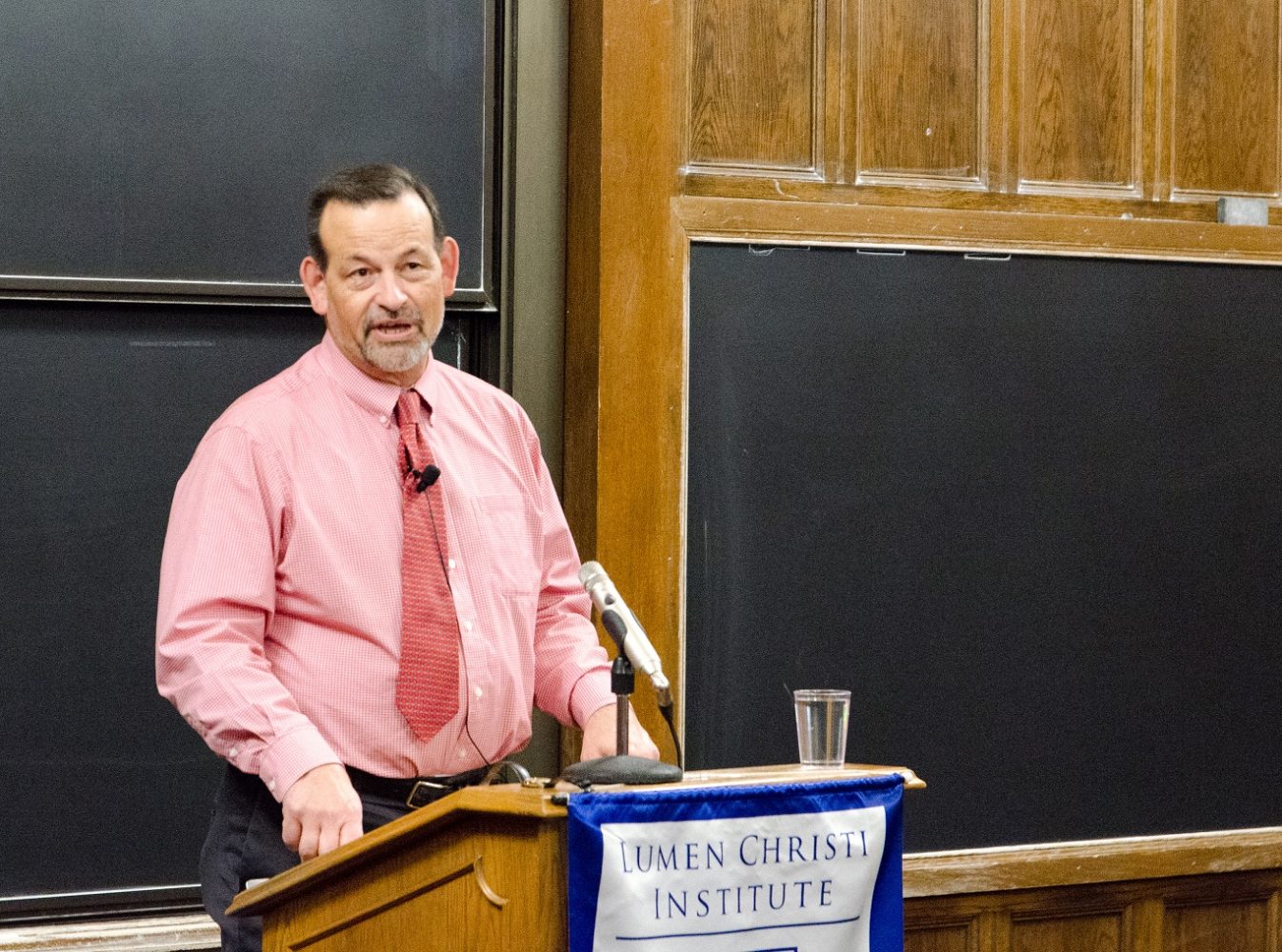
Free and open to the public. Cosponsored by the Department of Philosophy. Plato found philosophy in some of the same erotic anxieties that permeate contemporary life, and even explored themes central to Catholic conceptions of sexuality. This lecture will be based on central themes from Plato’s Symposium, drawing on David O’Connor’s Plato’s Bedroom: Ancient Wisdom and Modern Love. ABOUT Plato’s Bedroom Plato’s Bedroom is a book for people who want to be better at falling in love and being in love, with all the ecstasies and dangers erotic life can bring. It is also an inviting book for readers who…