From 2012 to 2020, Fr. Paul Mankowski, SJ delivered hundreds of lectures and master classes at the Lumen Christi Institute. Seeking to share the depth of his scholarship, this podcast offers many of his lectures (edited for coherence and quality) to the public in digital format for the first time.
The first season features a course that Fr. Mankowski gave on Joseph Ratzinger’s Jesus of Nazareth, and dozens of lectures centered around the books of the Bible (including Genesis, many of the prophets, the Gospel of Matthew, and St. Paul’s Letter to the Romans). Two interviews with people who knew Fr. Mankowski well and can offer an entry point to his person and scholarship conclude the season.
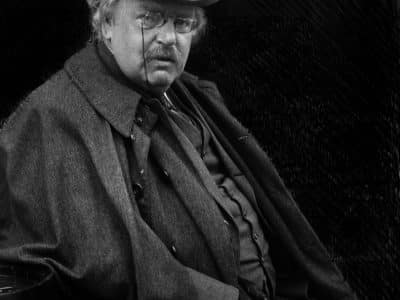
Co-sponsored by The Nicholson Center for British Studies, The American Chesterton Society, and the Literature and Philosophy Workshop Chesterton regarded comedy as important an art form as tragedy. He thought humor was integral to Christianity as opposed to paganism, and
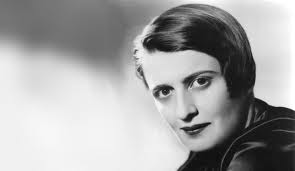
The continuing success of the books of Ayn Rand, even among Catholics, reveals the influence of her thought in debates on the role of the individual, community, market, and state in modern societies. At the same time, Rand’s success may
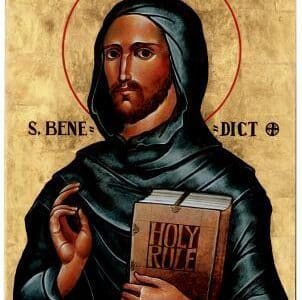
While Roman civilization collapsed around him, Benedict a fifth-century monk and abbot authored his Rule for monks and set forth a way of life for the monasteries that would become one of the few lights of wisdom and civility in
Cosponsored by The Theology Workshop Stephen Hawking has recently declared that philosophy is dead, and that science is the only reasonable method for securing knowledge. In response, Professor Cavadini will argue that philosophy is rooted in man’s wonder about the
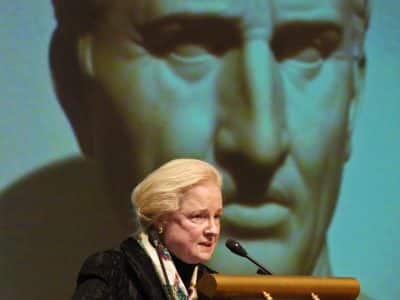
Mary Ann Glendon A.B., J.D., M.C.L., University of Chicago Professor of Law, Harvard University Law School, President, The Pontifical Academy of Social Sciences On the occasion of the publication of her book The Forum and the Tower: How Scholars and
Co-sponsored by the Committee on Social Thought The Lumen Christi Institute is pleased to co-sponsor a symposium at the University of Chicago entitled “God, Freedom, and Public Life” on the occasion of the publication of Francis Cardinal George’s book God
Deeply ingrained assumptions about the nature of historical change prevent an adequate comprehension of the transformations that have created the contemporary Western world over the past half-millennium. Departures from traditional Christianity since the sixteenth century, and related attempts to ground