
Spring Non-Credit Course on the Sacraments
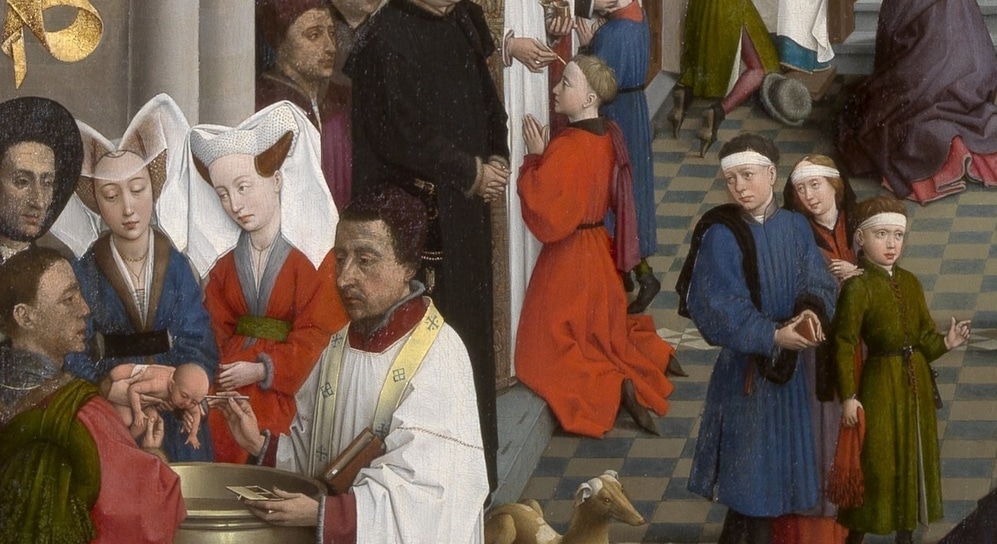
6:00 Dinner | 6:30 Lecture Intended for current students and faculty. Others interested in attending please contact info@lumenchristi.org. Registrants are free to attend as many sessions as they choose. REGISTER HERE Jesus’ words and actions during his hidden life and public ministry were already salvific, for they anticipated the power of his Paschal mystery. They announced and prepared what he was going to give the Church when all was accomplished. The mysteries of Christ’s life are the foundations of what he would henceforth dispense in the sacraments, through the ministers of his Church, for “what was visible in our Savior has…
Sacred Violence: The Legacy of René Girard
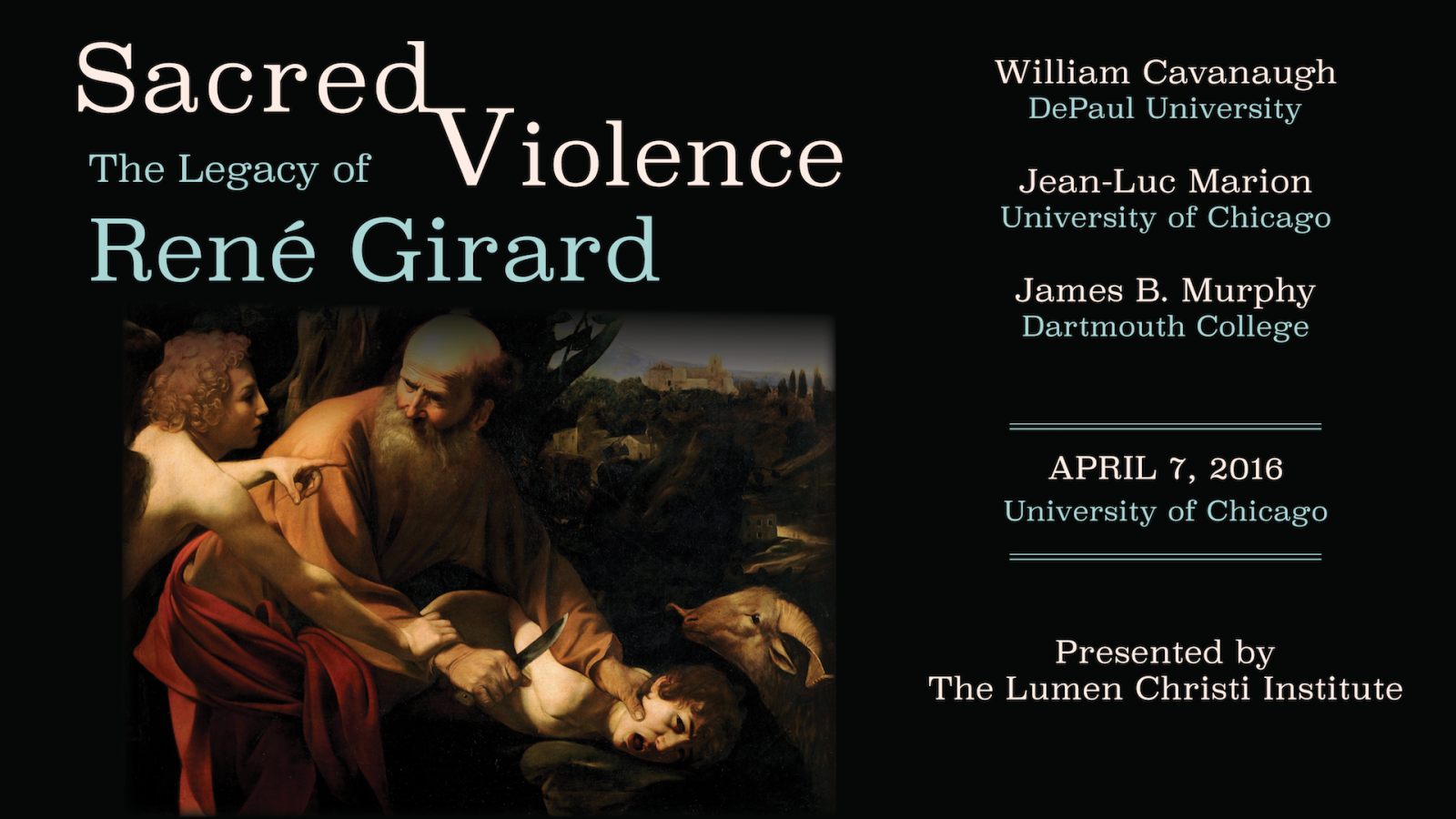
A panel discussion with William Cavanaugh (DePaul University), Jean-Luc Marion (University of Chicago), and James B. Murphy (Dartmouth College) at the University of Chicago on April 7, 2016. René Girard (1923-2015) has been described as the Darwin of the human sciences for his theories of the origin of violence and religion and the imitative character of human behavior (mimesis). His books, among them Violence and the Sacred and Things Hidden since the Foundation of the World, span the fields of Literary Criticism, Psychology, Anthropology, Sociology, History, Biblical Hermeneutics and Theology. While his theories have attracted many devoted disciples, Girard has…
Augustine’s Theology of Love
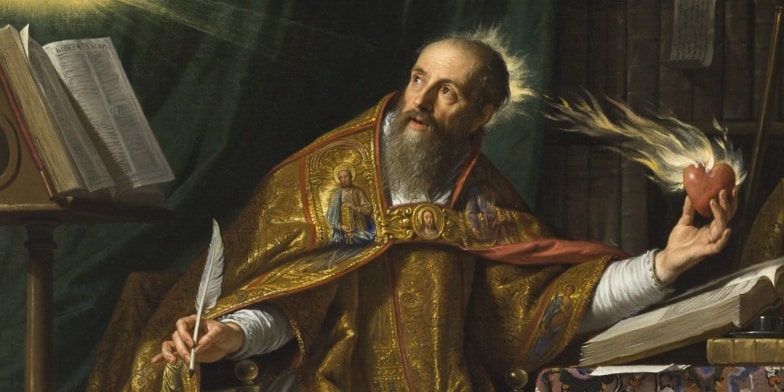
Cosponsored by the Theology and Religious Ethics Workshop
Evolution and the Catholic Faith
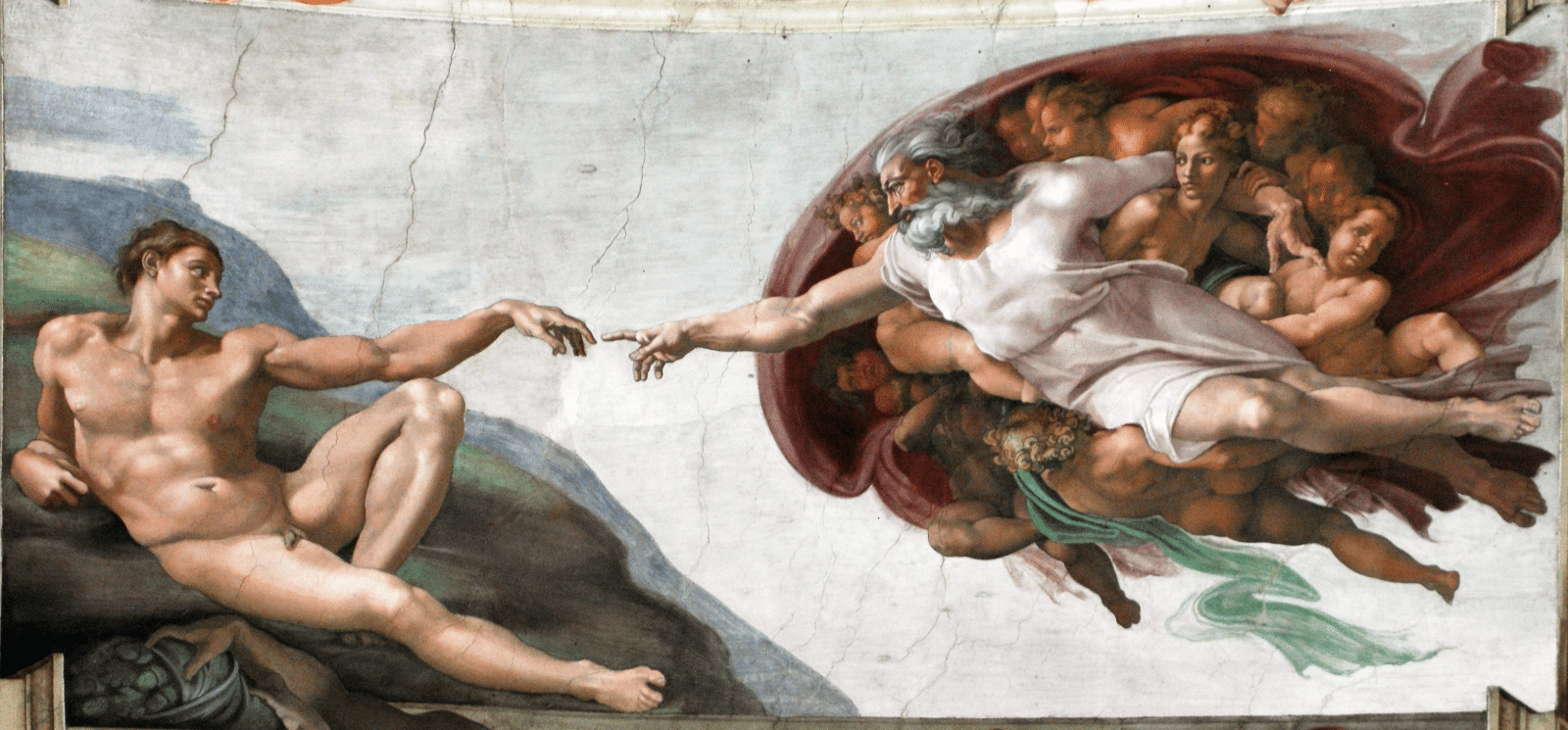
REGISTER HERE Many people imagine that the Catholic Church was historically opposed to the theory of evolution or that there is something dangerous or dubious about Darwinian evolution from the viewpoint of Catholic theology. These ideas are based on a variety of confusions and misconceptions. This talk will show how Catholic thinkers and Catholic Church authorities looked at evolution. It will also respond to the arguments some Christians make against it, and examine some of the more subtle issues, such as the relation of chance to divine providence, and the questions surrounding human origins and human distinctiveness.
Dei Verbum: Persons and Propositions
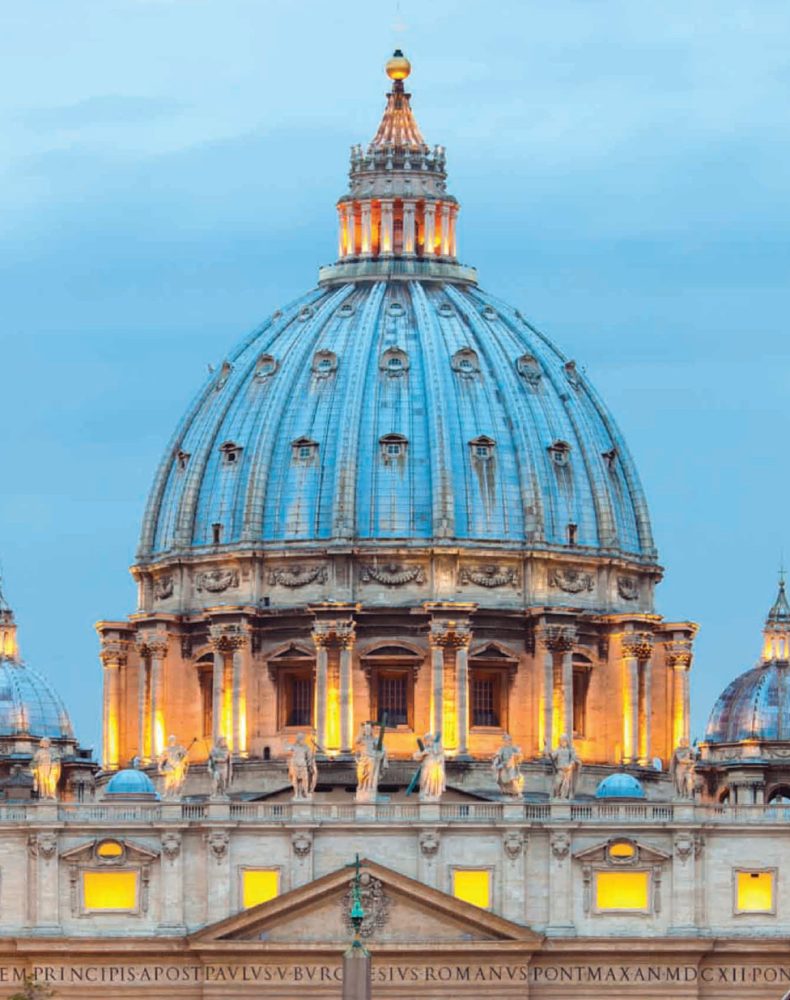
Presented by St. Procopius Abbey, Benedictine University, and the Lumen Christi Institute Free and open to the public. Contact Fr. Becket Franks, O.S.B. with any questions.
What Does it Mean to Say the Son of God is ‘Consubstantial’ with the Father? New Insights about Augustine’s Debt to Aristotle
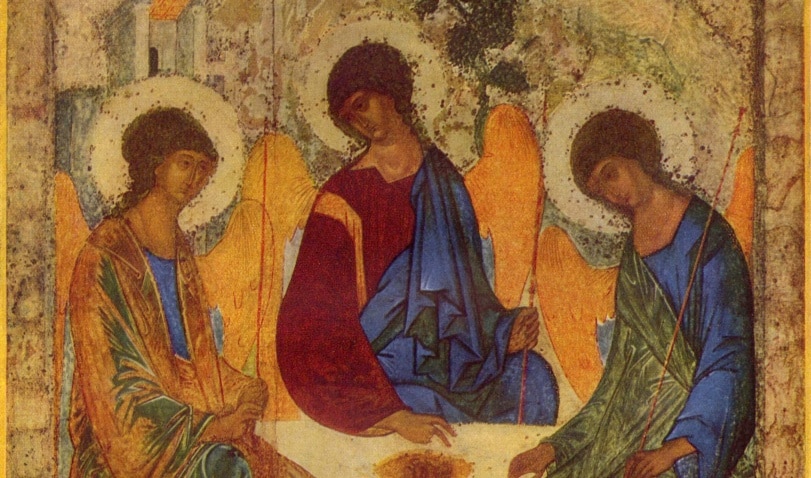
REGISTER HERE Cosponsored by the Department of Philosophy It is commonly accepted that Aristotelian ideas did not inform Latin-language metaphysics until the translation of Aristotle in the 12th century. However, this opinion has arisen from a failure to understand how the metaphysics of Augustine fundamentally depends upon Victorinus’ assimilation of Aristotelian concepts and distinctions. Victorinus, mentioned by Augustine in Confessions Book 7, was a Christian convert, an eminent rhetor, and one of the last philosophers in the western Roman Empire who was fully bilingual in Greek and Latin. In the 350’s he wrote metaphysical treatises defending the Council of Nicea’s doctrine…
Master Class: Augustine on Human Freedom and Divine Grace: What is Really Going on in the ‘Conversion Scene’ in Augustine’s Confessions?
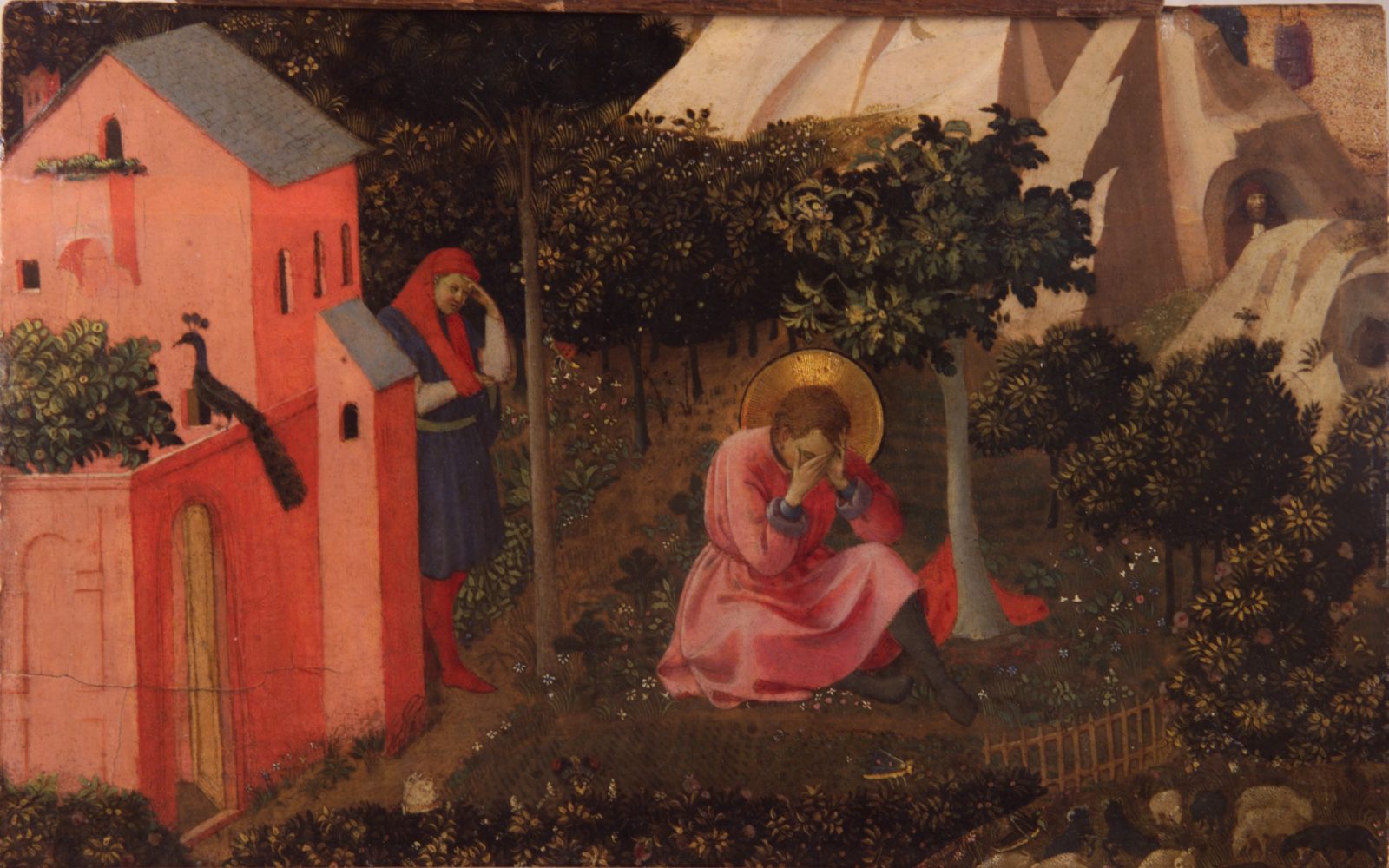
REGISTER HERE This master class is open to graduate and undergraduate students, including non-University of Chicago students. Space is limited and offered on a first-come, first-served basis. Copies of the readings will be made available online to all participants. Although the part of Augustine’s Confessions that describes his conversion to Christianity is arguably the most famous passage in his influential corpus, scholars have long disagreed about how to understand this important section of Book 8. I will argue that the hermeneutical key to the passage is knowledge of the philosophical psychology that Augustine assumes in the passage, which is a…
The Book of Judges
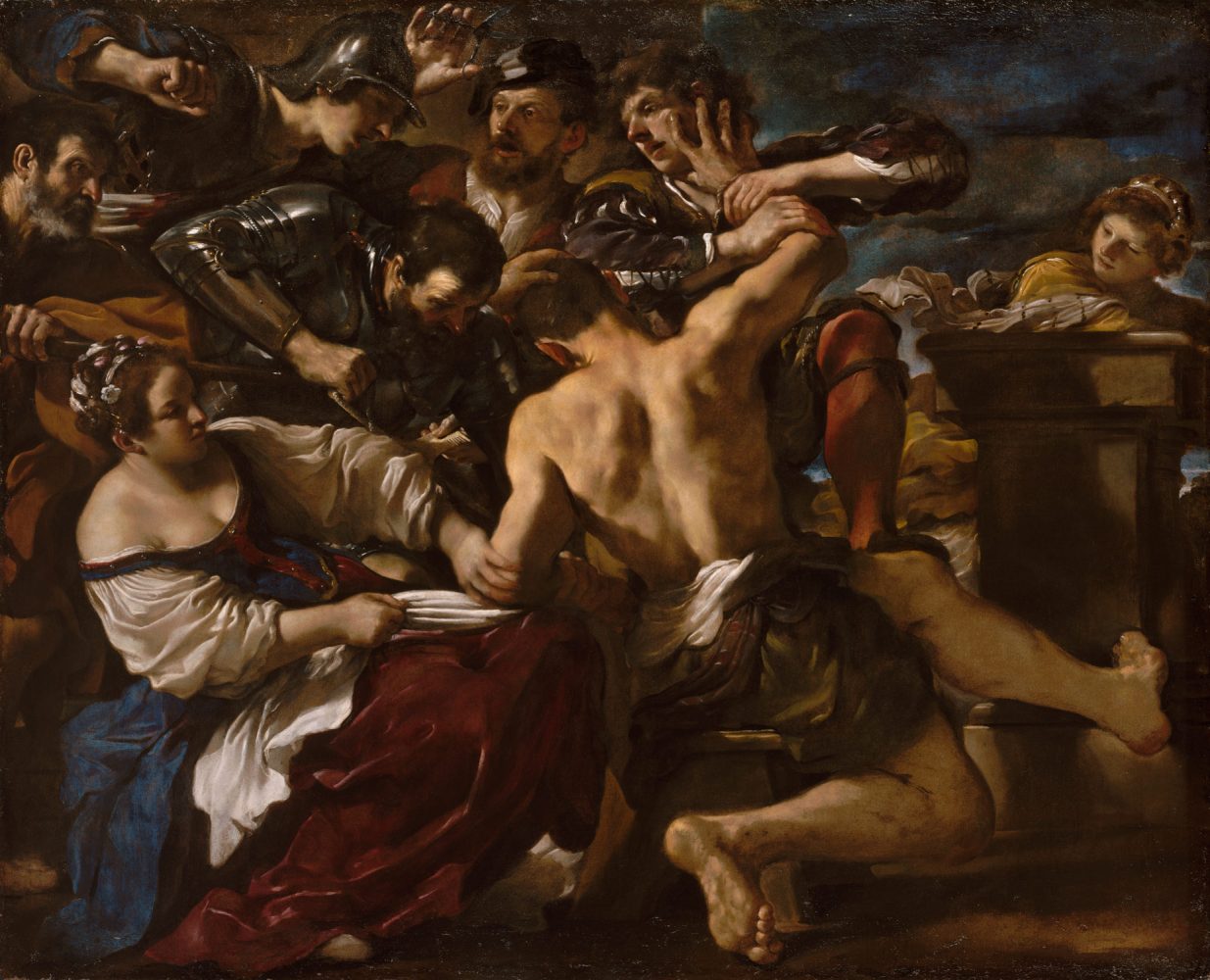
6:00 Dinner | 6:30 Lecture Open to current students and faculty. Others interested in attending please contact info@lumenchristi.org. Registrants are free to attend as many sessions as they choose. The Book of Judges is a collection of loosely connected accounts of the loosely connected Israelite tribes in the period between the death of the general Joshua and the establishment of the first kingdom. This time of religious and military crisis brought to the fore a series of heroes called šōṕēṭîm (judges) who, as emergency agents of God’s deliverance and chastisement, reconnected the Israelites to the promises made in the covenants. In…
Tracing our Shared Deep History: Evolutionary Anthropology and Theo-Drama

Cosponsored by the Theology and Religious Ethics Workshop While theology and biological science often seem to be at odds, there are productive ways of telling the Christian story of who we are as human beings which resonate with newer evolutionary theories. This lecture will argue that the most convincing theological approach is theo-drama, where insights from the dramatic stage inform our theological reflections in relation to the drama of evolution. Such exchanges can be highly creative for theology and anthropology; neither party in the dialogue is reduced to the other, and both are enriched in new and interesting ways.
Master Class on The Wisdom of Bernard of Clairvaux
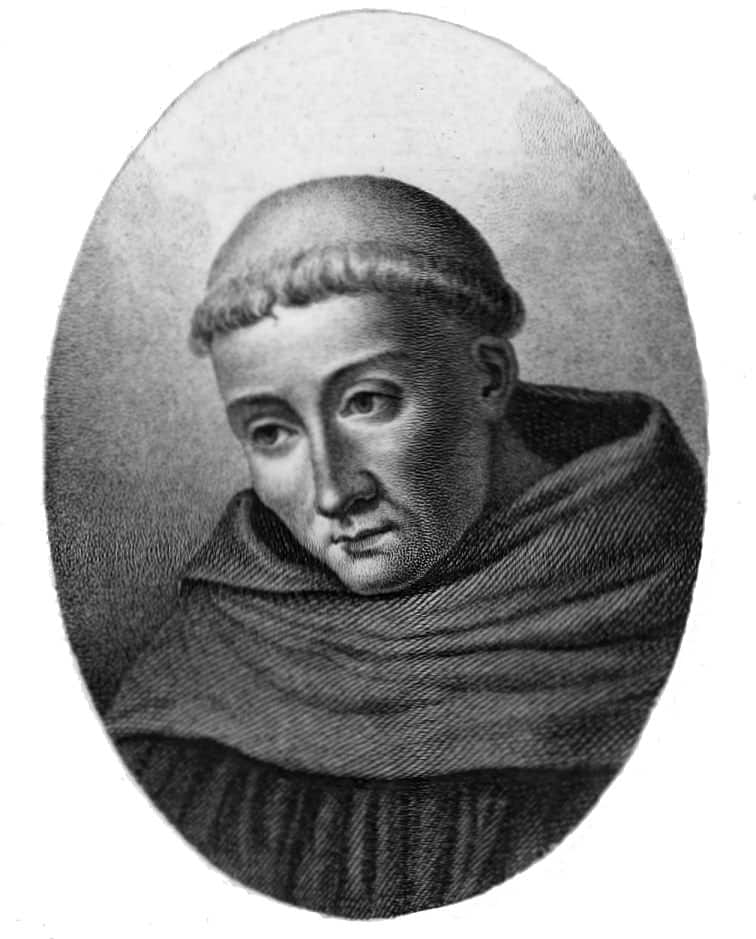
REGISTER HERE This master class is open to current students and faculty. PDFs of the readings will be made available for participants. This one-time Seminar will study selected writings of the great Cistercian theologian and mystic, Bernard of Clairvaux (1090-1157). Bernard was one of the most remarkable figures of the twelfth century—monastic leader, ecclesiastical politician, and noted theologian. His most important legacy, however, was as a mystic and mystical writer. His mystical treatises, such as On Loving God (De diligendo Deo), and especially his eighty-six sermons on the biblical Song of Songs (Sermones super Cantica Canticorum), are among the most…