
Pope Francis and the New Evangelization
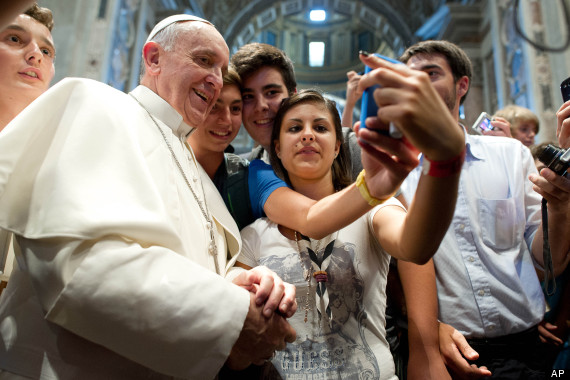
Fr. Robert Barron (Rector, Mundelein Seminary/University of Saint Mary of the Lake; founder, Word on Fire) Cosponsored by Word on Fire In this lecture, Fr. Robert Barron discussed how to put faith into action in today’s increasingly secular world. With Pope Francis as a model of how to present “the joy of the Gospel,” Barron argued that Catholics have a duty to awaken the faith of the baptized and bring back those who have drifted. While the message has remained unchanged since the first century, Catholics are called to share the beauty, goodness, and truth of the faith with new ardor, new…
Baudelaire and Maistre: the Weight of Original Sin
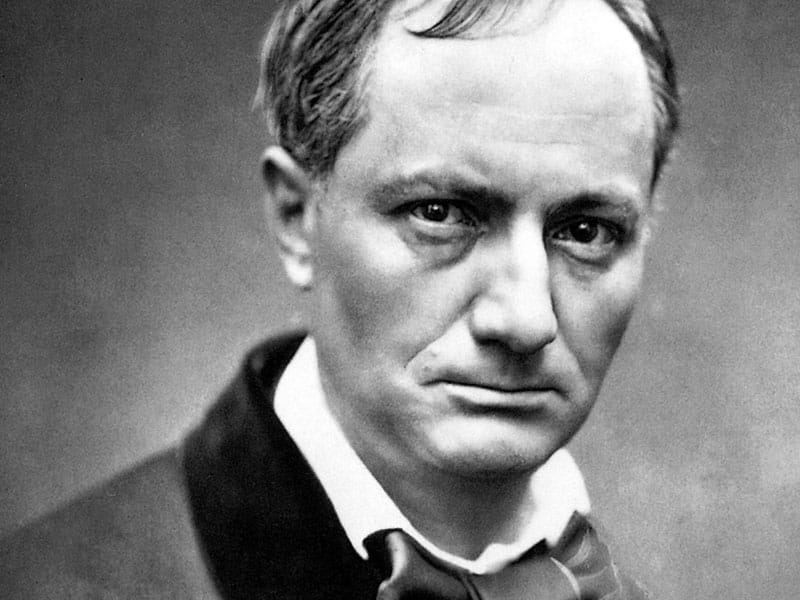
By 1851, the poet Charles Baudelaire had become obsessed — in contrast to his previous anarchist position — with the views of the reactionary and fiercely Catholic Joseph de Maistre. Maistre argued that Original Sin “explains everything,” a perspective that Baudelaire was to adopt, and which markedly changed his poetry. This lecture will consider Baudelaire’s preoccupation with sin in light of Kierkegaard’s treatment of anxiety and sin in The Concept of Anxiety.
Spousal Vision: Seeing the Church with Lumen Gentium
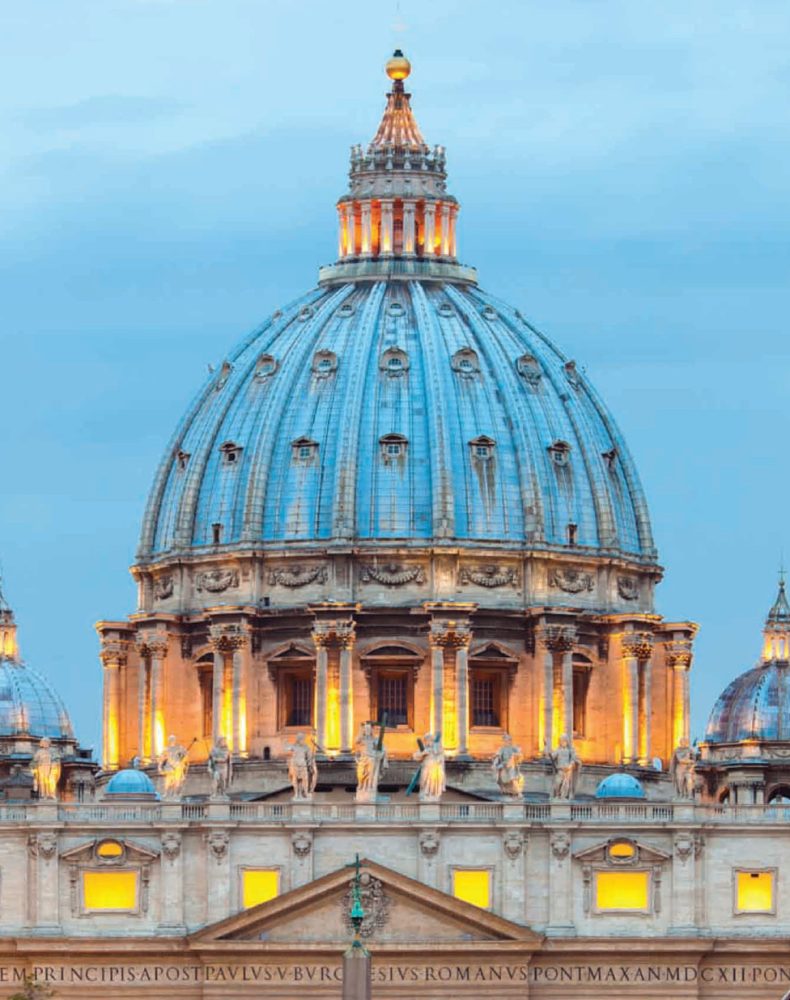
John Cavadini (University of Notre Dame) The Lumen Christi Institute is pleased to cosponsor this lecture, which is part of an annual lecture series on “The Documents of the Second Vatican Council” sponsored by St. Procopius Abbey & Benedictine University. Previous lecturers in this series include Fr. Robert Barron and Francis Cardinal George. This event is free and open to the public. Please contact Fr. Becket Franks, O.S.B. with any questions at bfranks@procopius.org or (630) 829-9253.
Aquinas’ Third Way of Proving a God: Logic or Love?
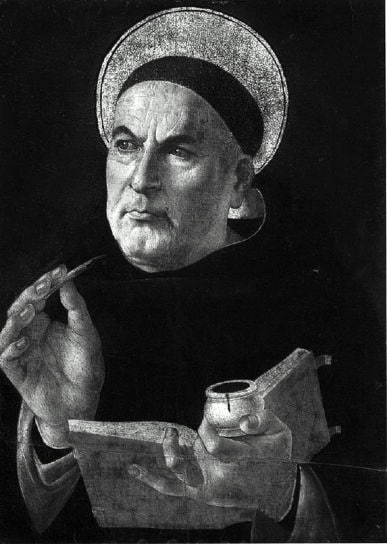
Cosponsored by the Medieval Studies Workshop Thomas Aquinas’ famous five ways of proving the existence of a God continue to intrigue and perplex his readers. The most troublesome is perhaps the third—the one based on the possible and the necessary—to which all sorts of objections can be heard: logical, scientific, theological, phenomenological, even Thomistic. Contrary to the usual assumption, however, the kind of possibility and necessity that the third way regards does not seem to be the logical kind. In a sense, it has more to do with love than with logic. This reading puts the problems that the third way faces, and also the…
Theology and Evolutionary Naturalism: How Much Can Biology Explain?
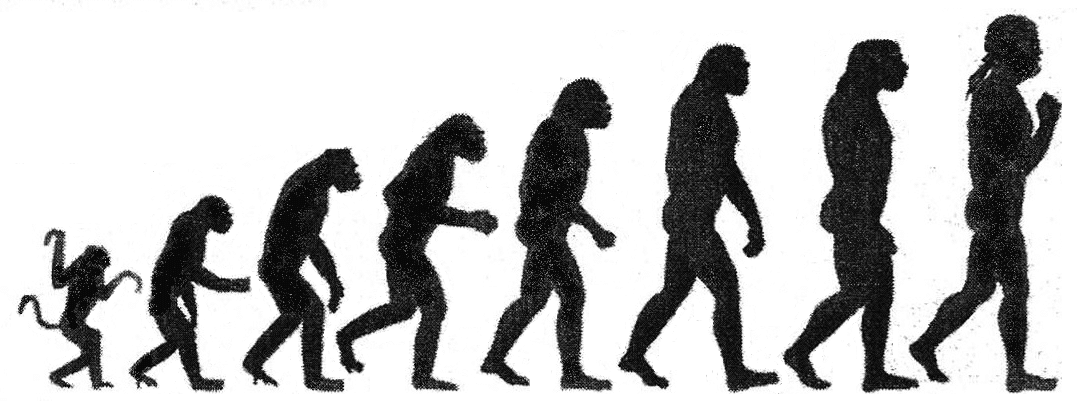
Thursday, February 19, 4:30pm BSLC 001, 924 East 57th Street John Haught (Georgetown University) REGISTER HERE Many scientists and philosophers claim that a Darwinian understanding of life has rendered the idea of God unnecessary. Descent, diversity, design, death, suffering, sex, intelligence, morality, and religion—features of life that had previously been understood theologically—now seem open to a purely natural explanation. This lecture will consider whether the claims of evolutionary naturalists are coherent and whether a theological understanding of life can still be reconciled with biological accounts. cosponsored by the Program on Medicine and Religion and the Theology and Religious Ethics Workshop
From Ancient Philosophy to Christian Wisdom: A Symposium
Toward a Theology of Science
Tom McLeish (Durham University) REGISTER HERE This event is open to students, faculty, and scientists at the University of Chicago. Lunch will be served. Others interested in attending, please contactinfo@lumenchrisit.org. At this luncheon events, student will discuss a chapter from Faith & Wisdom in Science (Oxford University Press, 2014) on “A Theology of Science?” with author Tom McLeish. A PDF of the chapter will be made available to read beforehand and attendees will be given complimentary copies of the book. In the book, McLeish’s narrative approach develops a natural critique of the cultural separation of sciences and humanities, suggesting an approach to…
Divine Faith and Private Judgment in Newman and Aquinas
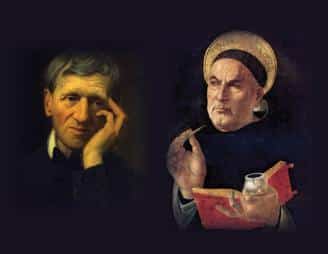
REGISTER HERE cosponsored by the Theology and Religious Ethics Workshop
Master Class on Pseudo Dionysius
Bernard McGinn (University of Chicago) REGISTER HERE REGISTRATION IS CURRENTLY FULL. If you are interested in attending, contact us and we will inform you if space becomes available. Cosponsored by the Medieval Studies Workshop Participants will be provided with a complimentary copy ofPseudo Dionysius: The Complete Works (Paulist Press). This master class is open to graduate and undergraduate students, including non-University of Chicago students. Space is limited and offered on a first-come, first-served basis. This one-time Seminar will discuss the writings of the mysterious Eastern monk (ca. 500 C.E.) who hid his identity under the name of the Athenian Dionysius of the Areopagus…
Aquinas: Poet and Contemplative
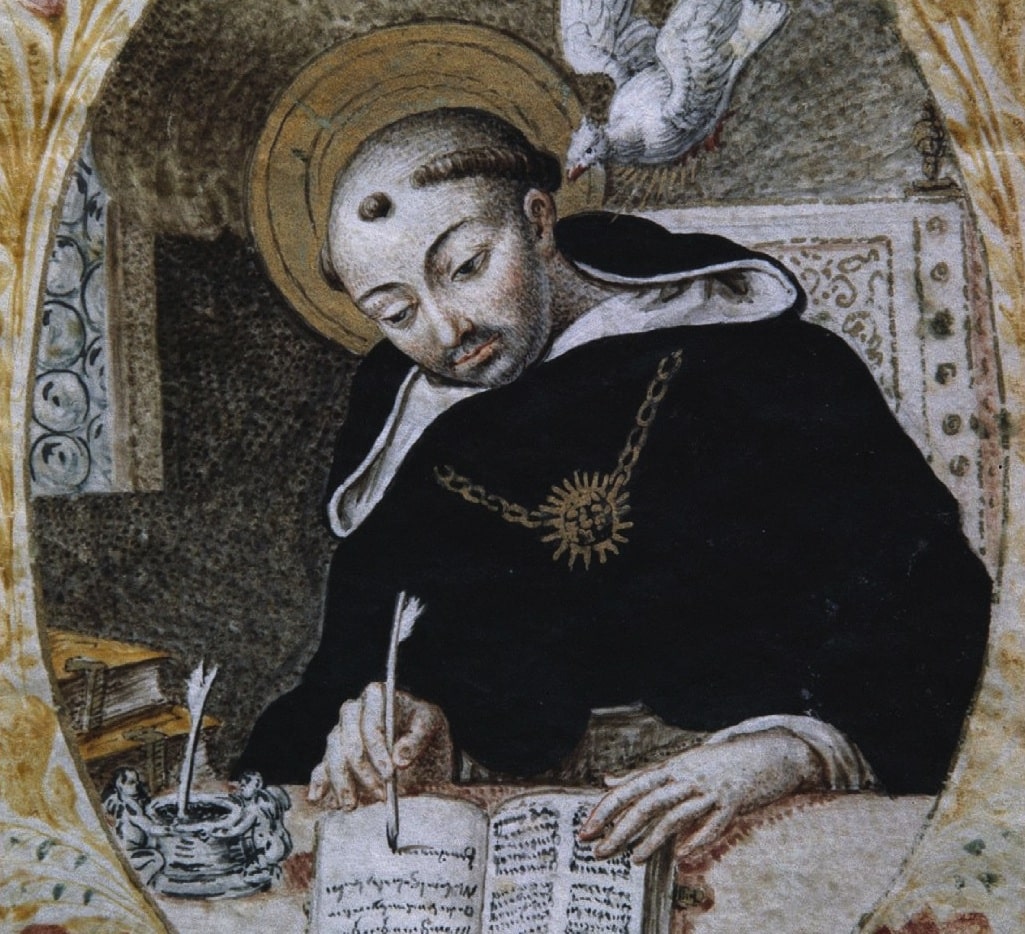
Cosponsored by the Medieval Studies Workshop and the Theology and Religious Ethics Workshop “The well-known is what we have yet to learn.” T.S. Eliot What do we know of the prayer-life of St Thomas Aquinas? This lecture will be directly concerned with this question, and the answer may well come as a surprise to many people. Aquinas is still today almost exclusively regarded as an outstanding scholastic philosopher and theologian. But what is little known is that he was also a master of the spiritual life and a very considerable poet, perhaps even the greatest Latin poet of the Middle…