
“Reason and Wisdom in Medieval Christian Thought,” Non-Credit Course
Informal Dinner: 6:00PM Lecture: 6:30PM Intended for University students, faculty, and recent graduates. Others interested in attending, contact info@lumenchristi.org. With the recovery of the works of Aristotle in the Latin West, the development of the scholastic method of reasoning, and the creation of the universities, a style of academic philosophy and theology developed in the late medieval period in which the practice of reasoning about Christian revelation was developed independent of spirituality and, often, the search for wisdom. Previously, in the works of the Church Fathers and the great monastic writers, theology was rooted in a spiritual life uniting prayer and…
Book Symposium on “Francis of Assisi: A New Biography
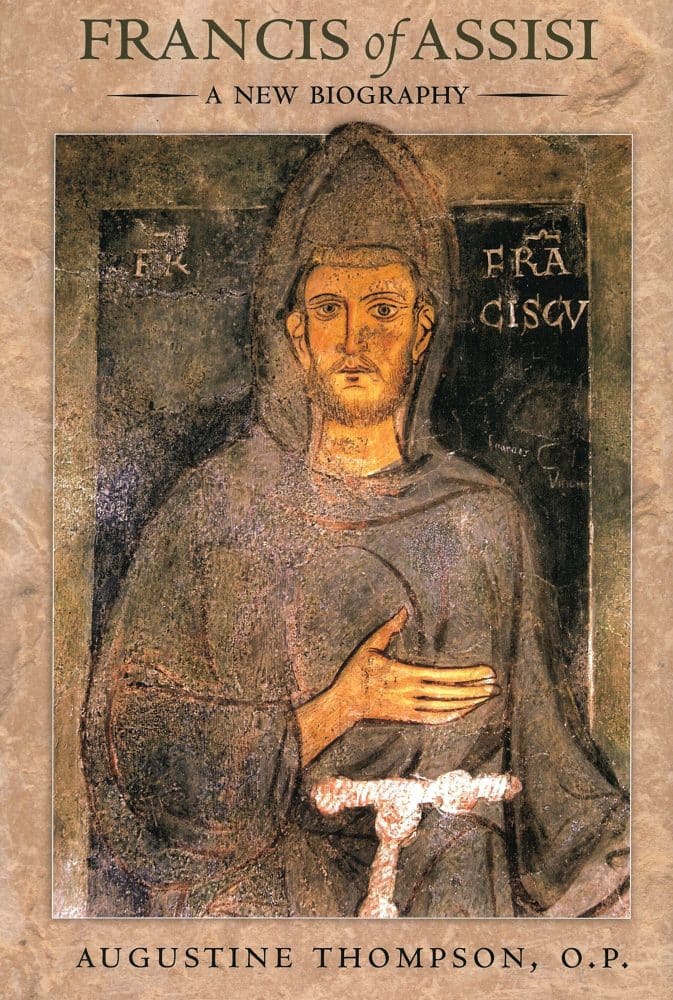
Cosponsored by the Department of History and the Medieval Studies Workshop with Augustine Thompson, O.P., Dominican School of Philosophy and Theology, Berkeley Karen Scott, DePaul University Lawrence Cunningham, University of Notre Dame In this authoritative and engaging new biography, Augustine Thompson, O.P., sifts through the surviving evidence for the life of Francis using modern historical methods. The result is a complex yet sympathetic portrait of the man and the saint. Francis emerges from this account as very much a typical thirteenth-century Italian layman, but one who, when faced with unexpected crises in his personal life, made decisions so radical that they…
“Francis of Assisi: Lost Between Myth and History”
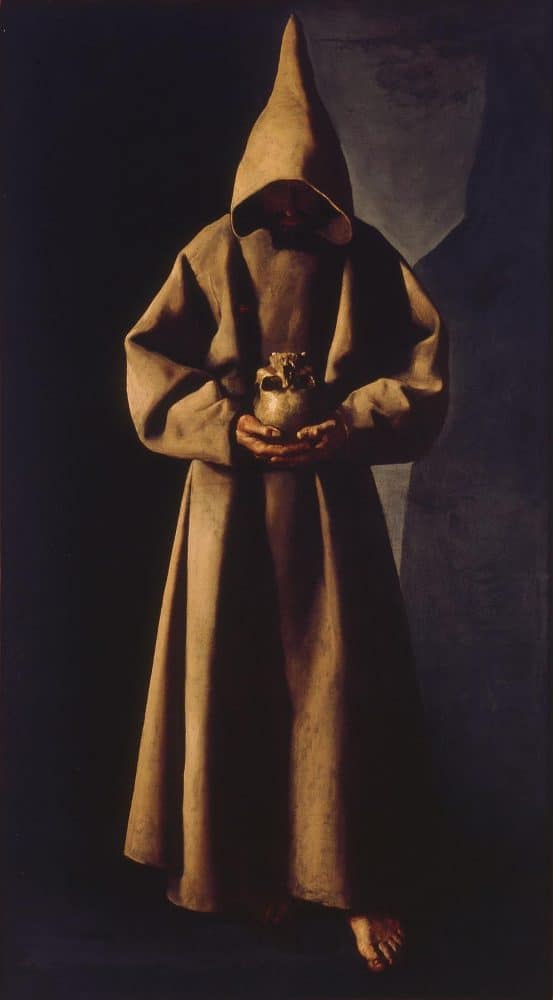
Cosponsored by the Department of History and the Medieval Studies Workshop Among the most beloved of saints, Francis of Assisi is celebrated for his dedication to poverty, his love of nature, and his desire to follow perfectly the teachings and example of Christ. His followers compiled numerous, often legendary, accounts. The man and his own concerns seem lost to view. Fr. Augustine Thompson, O.P. will speak on the “Quest for the Historical Francis” and attempt to portray beyond the legends the man who was Francis of Assisi.
Master Class on St. Francis of Assisi: “How to Write a Biography of a Medieval Saint”
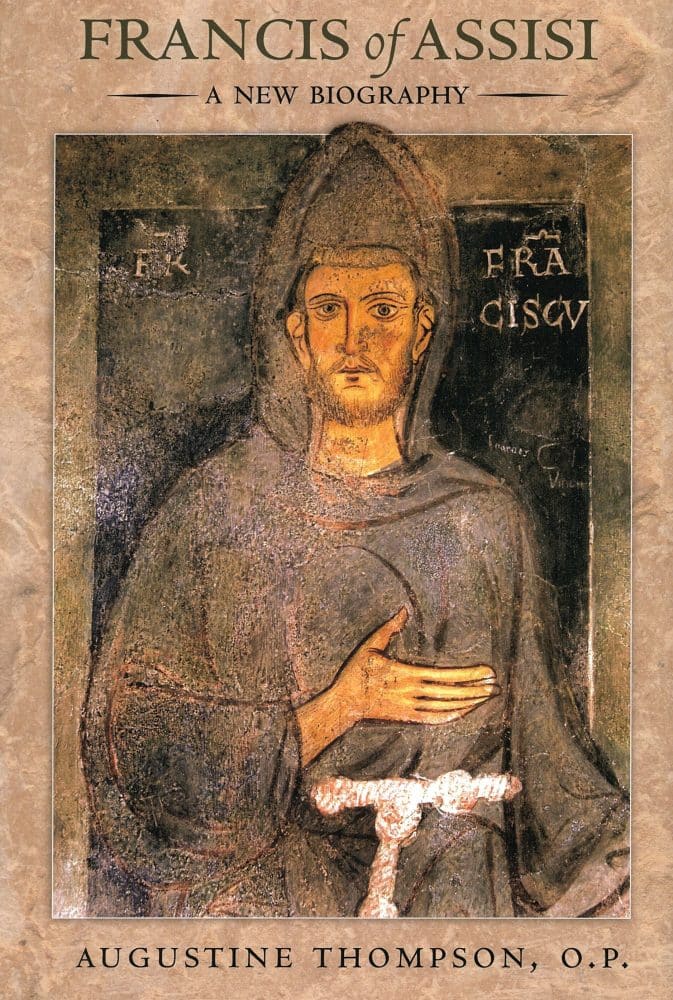
Cosponsored by the Medieval Studies Workshop In his new book, Francis of Assisi: A New Biography, Augustine Thompson, O.P., sifts through the surviving evidence for the life of Francis using modern historical methods. The Francis who emerges here is both more complex and more conflicted than that of older biographies. This one-day master class will consider whether the historical Francis can be recovered from countless modern and medieval appropriations and compare Fr. Thompson’s biography on Francis’s early life with a variety of biographical sources. Among the most beloved saints in the Catholic tradition, Francis of Assisi (c. 1181-1226) is popularly remembered…
“The Capacious Mind of St. Thomas”
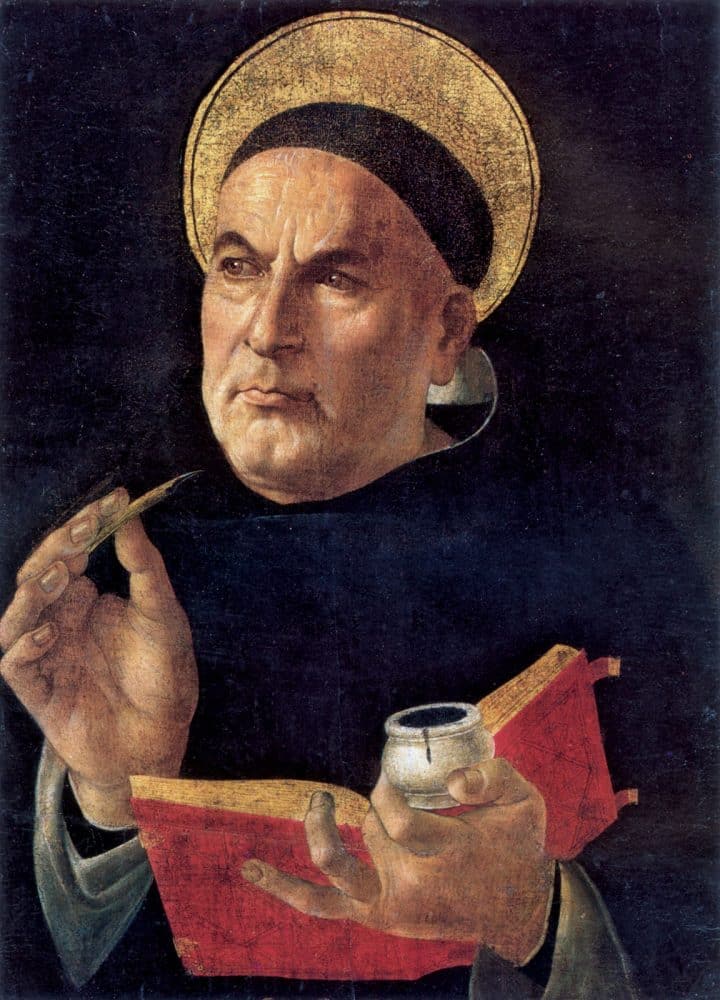
Co-Sponsored by the Medieval Studies Workshop The thought of Thomas Aquinas, especially as it bears upon human action, leads one to make difficult choices. Aquinas insists that a lie even to save the life of another is always a sin. He also insists that one ought not ever by means of a direct act to take the life an innocent human being. Understanding Thomas’s capacious mind” and the nature of the acts in question held us to understand why we should follow him in these matters.
Philosophy and Martyrdom: Tertullian and Justin Martyr
Co-sponsored by the Department of Philosophy and Philosophy of Religions Club During the first two centuries of Christianity believers were led to confess their faith before a pagan world and endure persecution and trial, often leading to martyrdom. One might expect from them the posture and tactics of an irrational and “prophetic” theology. But in fact they chose to make arguments for the consistency and rationality of faith under the literary genre of the apology. They even claimed that this rational confession of faith deserves the title of philosophy. This paradox sheds light on our contemporary situation.
“The Careful Rationality of Monotheism: Thomas Aquinas on Analogical Knowledge of God”
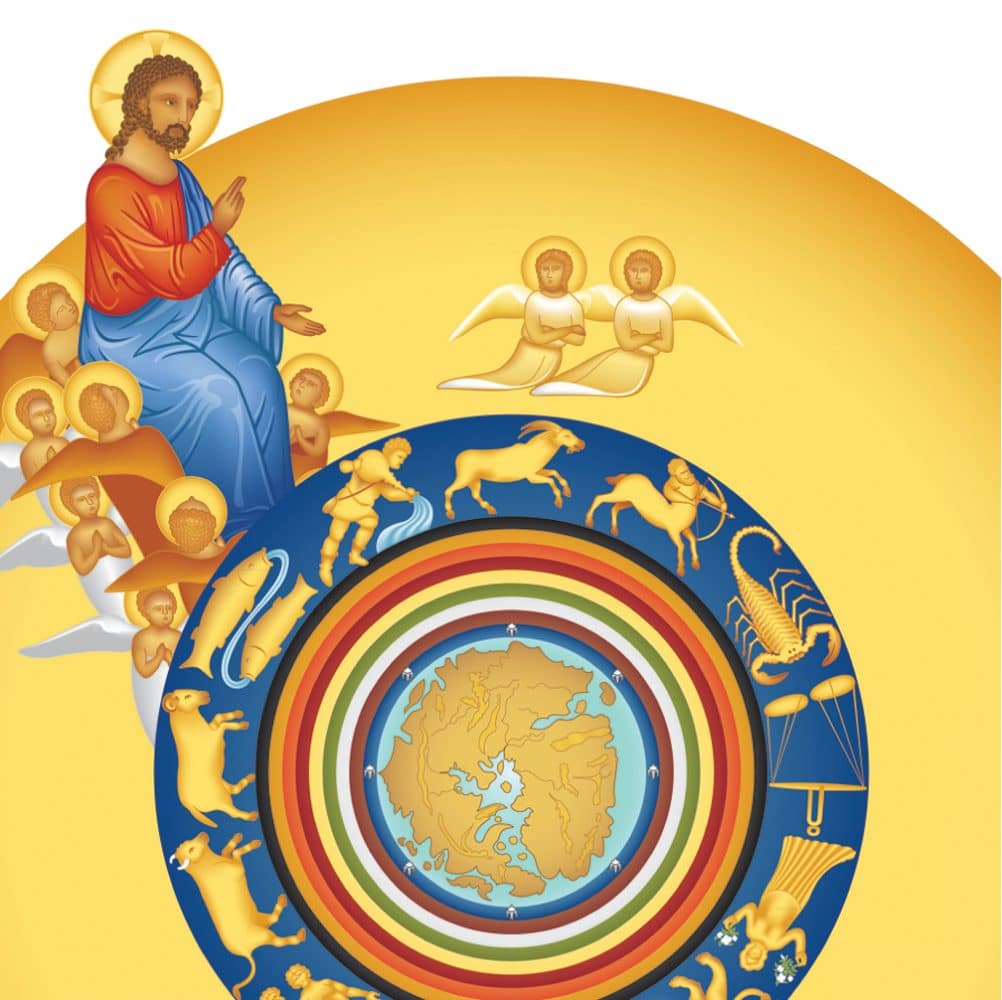
Co-sponsored by the Medieval Studies Workshop How can philosophers speak about God in a reasonable fashion? Does speech about God exceed the capacities of human reason? In responding to these questions, Thomas Aquinas develops a path between the extremes of apophaticism (rejecting the applicability of human language to God) and rationalistic optimism. This lecture will argue for the validity of Thomist doctrine of divine naming and its relevance to contemporary debates in analytic theism and to Heidegger’s critique of onto-theology (the theology of being).
Pacem in terris After 50 Years
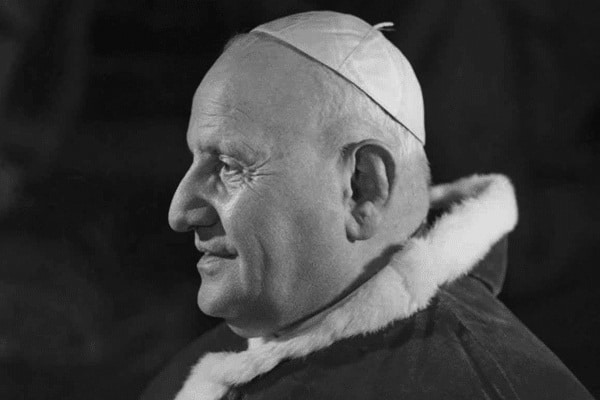
A Public Symposium in Celebration of the 50th Anniversary of Pope John XXIII’s Encyclical on Establishing Universal Peace on Earth KEYNOTE: Roland Minnerath, Archbishop of Dijon RESPONDENTS: Mary Ann Glendon, Harvard Law School Joseph Weiler, New York University Law School Russell Hittinger, University of Tulsa On April 11, 1963, amid the global tensions of the Cold War, and shortly after the erection of the Berlin Wall, Pope John XXIII addressed his famous encyclical Pacem in terris to all people of good will. He invites them to consider the conditions for establishing universal peace on earth in truth, justice, charity, and liberty. On the 50th Anniversary of…
“The Virgin Mary as Model of the Church: From Vatican II to Thomas Aquinas”
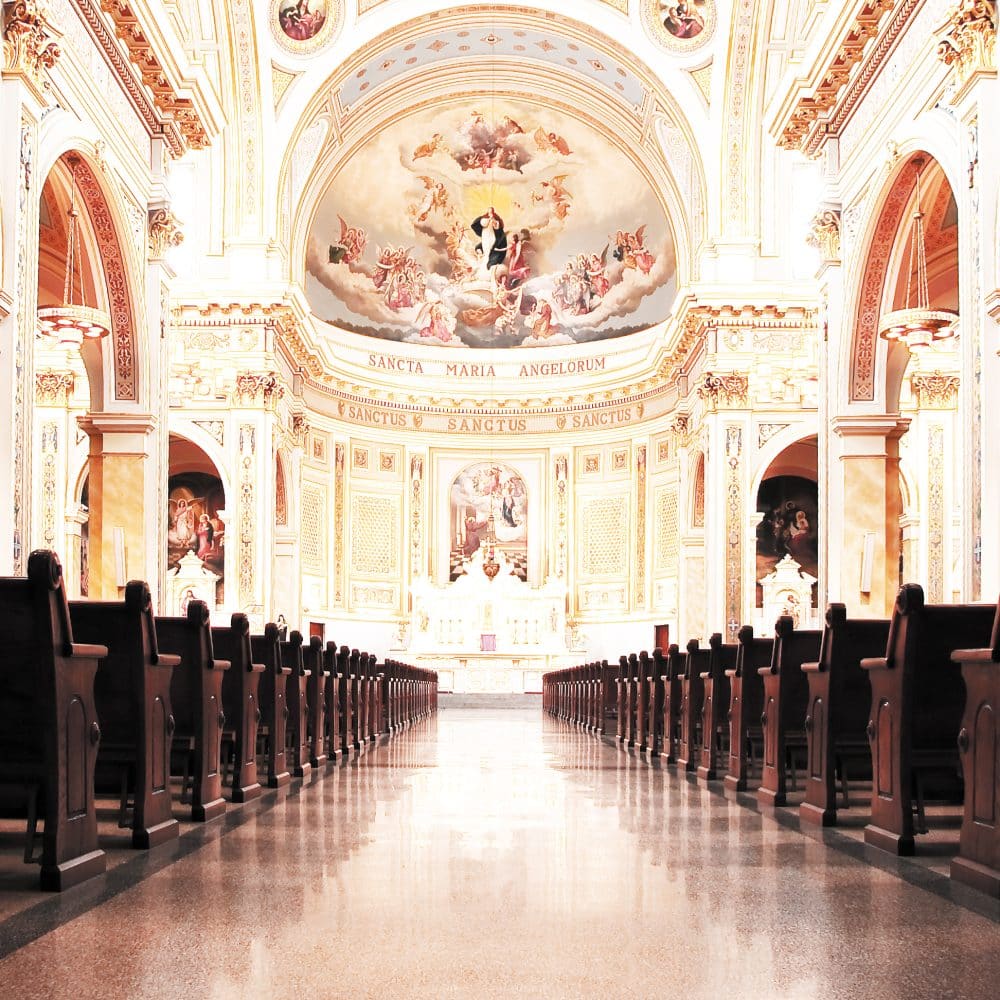
Co-sponsored by the History of Christianity Club The Second Vatican Council insisted that the Virgin Mary is to be understood in light of the Church, and the Church is to be understood in light of the Virgin Mary. Why should the Church seek to recover today a greater emphasis on Marian devotion? How is the Virgin Mary a model of the faith and spiritual life of Christians? Thomas Aquinas provides the basis for a contemporary interpretation of the Council’s Marian teachings.
“Shameless”: The Sense of a Pejorative, from St. Augustine until Now
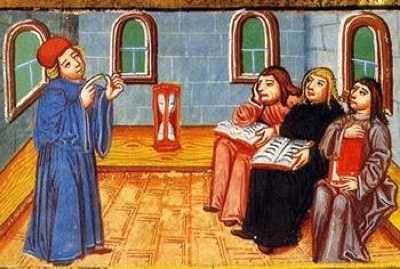
Co-sponsored by the Medieval Studies Workshop Readers interested in the history of Christian writing are often surprised and nonplussed by the uninhibited polemic they find; scholarship often treats such polemics as obviously pathological. This talk takes one common form of medieval denunciation “the habit of calling” certain opinions and practices “shameless,”as a sort of laboratory specimen, showing what it meant, how it worked, and why serious thinkers took to it. It will suggest that the same judgment, in different words, is still part of scholarly discourse today.