
A Catholic Vision of Art: Beauty – The Highway to God – A Catholic Vision of Culture in the 21st Century | West Suburban Catholic Culture Series
Beautiful art reflects the glory of the living, incarnate God, Jesus Christ, whether or not explicitly religious in subject matter. Art is not only an instrument and expression of culture, but also has a prophetic capacity to “prepare the way for the Lord” and transform the hearts of those who encounter it. This lecture will look at great works of art, both sacred and secular, and demonstrate how they can lead us to God.
Polarization, Social Cohesion, and the Economy: Celebrating 10 Conferences on Economics and Social Thought
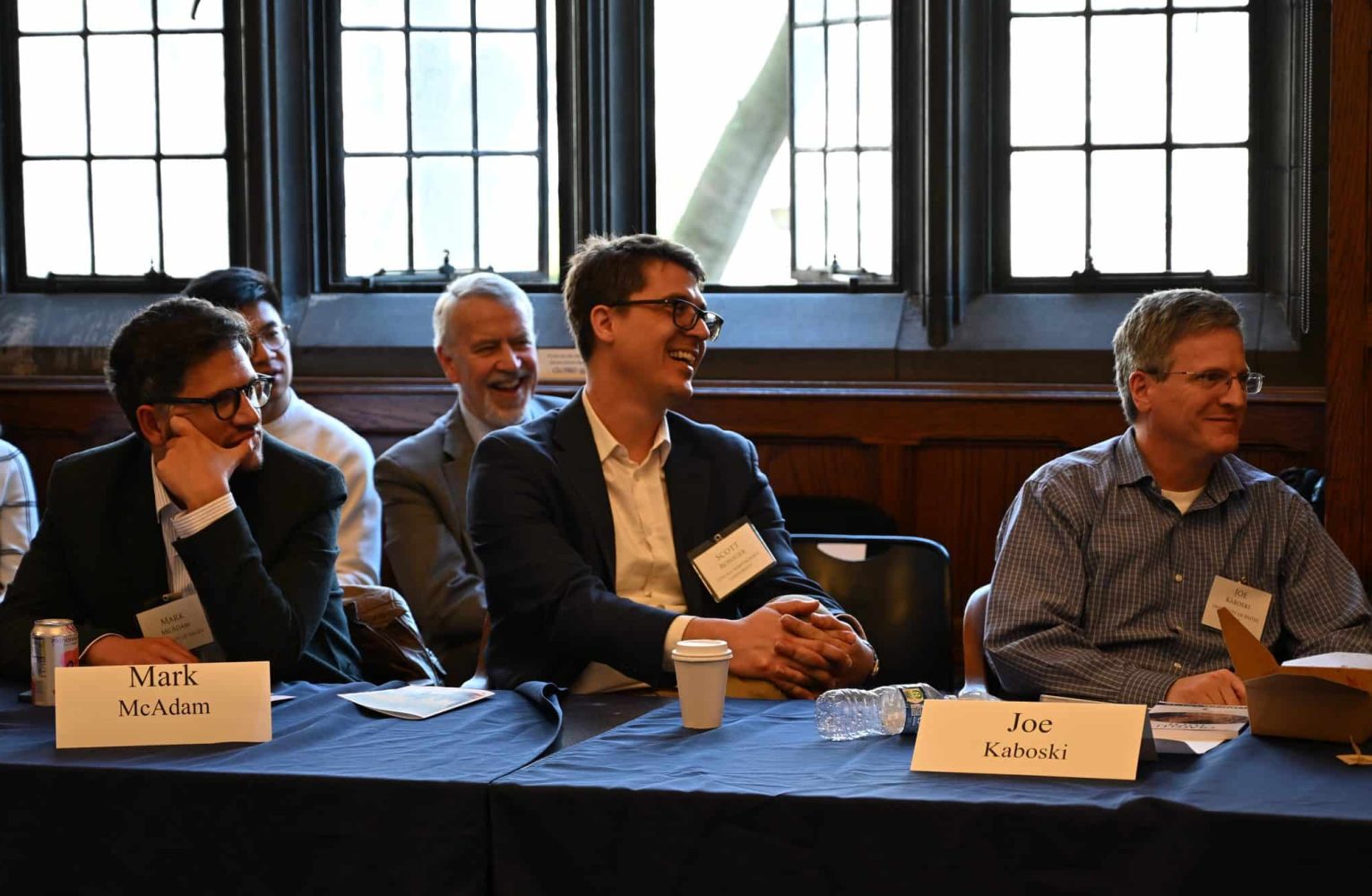
On March 27, the Lumen Christi Institute hosted “Polarization, Social Cohesion, and the Economy,” its 10th Conference on Economics and Catholic Social Thought. This continues an initiative running since 2008.
Christianity, Culture, and Sport: From Play to Virtue – A Catholic Vision of Culture in the 21st Century | West Suburban Catholic Culture Series
Drawing on Brown’s exegetical exploration of Wisdom’s paideia in the Book of Wisdom, Clark Power explores the relationship between Christianity and culture (following Remi Brague) with a focus on sports and more specifically youth sports. He argues that sports is play and as such fosters children’s development of the theological and cardinal virtues. In childhood as well as adulthood, sports should lead us to a transcendent joy that is rooted in freedom, love, and hope for the future of the human community.
A Philosophy of Work, Leisure, and Catholic Culture – A Catholic Vision of Culture in the 21st Century | West Suburban Catholic Culture Series
In his well-known and influential essay, Leisure: The Basis of Culture, Josef Pieper claims that we in modern western society have come to inhabit a “world of total work,” and that an essential precondition for escape is recapturing a more ancient notion of “leisure” (in Greek: scholê, in Latin: otium). While much has been said in support of this claim, especially in Catholic intellectual circles, the focus has typically centered on the nature of leisure, which much of this dialogue takes as the starting point. In this lecture, Prof. Blaschko, who studies the philosophy of work at Notre Dame, will proceed in a different direction, asking “What kind of culture, and what kind of work culture, would we create if we wanted to incorporate genuine leisure into our lives?”
Applications Open for the 2025 Summer Seminars
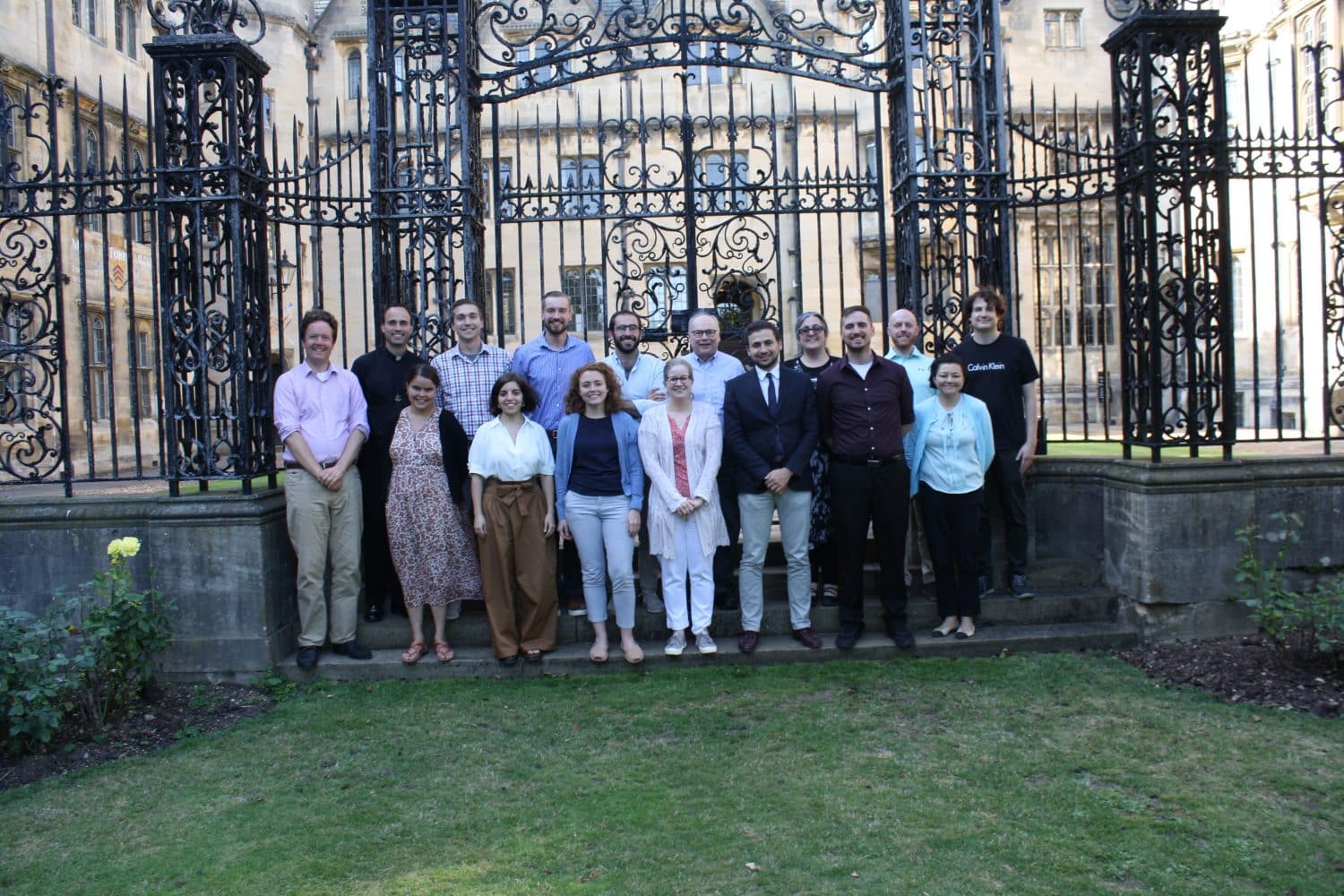
In their seventeenth year, the Lumen Christi Institute Summer Seminars in the Catholic Intellectual Tradition introduce participants to central themes, figures, and texts from the Catholic tradition. Please see the Event Calendar for details and application requirements.
REVIEW: F. Russell Hittinger, On the Dignity of Society
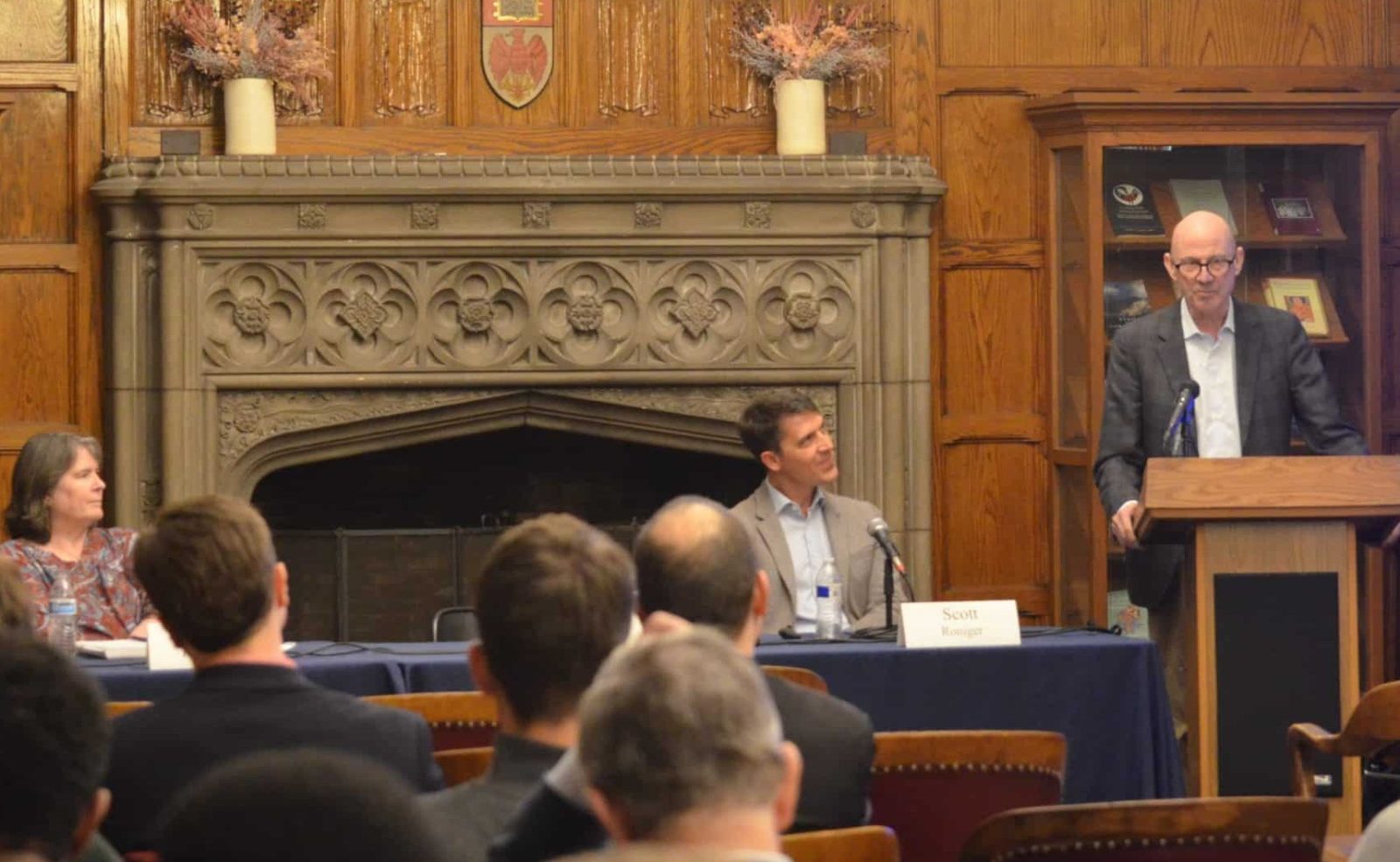
K.T. Brizek, PhD student in intellectual and Church history at the University of Illinois at Chicago, reviews “On the Dignity of Society: Catholic Social Teaching and Natural Law,” a novel presented at the University of Chicago by author Russell Hittinger.
Reason & Regensburg: Pope Benedict and the Dialogue of Cultures
To bridge the cultural rift between Islam and the West, there is an urgent need to reestablish the mutually reinforcing dialogue between faith and reason in the West, and to support moderate Muslim scholars attempting to retrieve a non-voluntarist interpretation of Islam, often at risk to their own lives.
Faith, Reason and the Eucharist
Between doubts about “natural theology” and post-modern polemics against “modernity”, an older view that the existence of God can be known “by the natural light of reason” gets little hearing. Perhaps it is time to revisit these older views in light of Aquinas’ understanding of the rational powers as “bodily presence”, analogous to the power of signification found in music and, more profoundly, in the Eucharist; only within this broader conception of human reason can we speak of the existence of God as demonstrable by rational proof.
Vestiges of the Trinity: Joyce on the Artist as Imago Dei
Thomas Aquinas’s doctrine of the Trinity is crucial to James Joyce’s presentation of the artist in both Portrait of the Artist and Ulysses. Now, Joyce’s deployment of Trinitarian themes is not strictly orthodox of course. But the Trinity does provide a model, an exemplar, for a proper understanding of artistic fecundity and a subtle critique of popular romantic conceptions of artistic self-expression. Whatever his intentions, Joyce’s treatment suggest ways in which the Thomistic doctrine of the Trinity and the Imago Dei can contribute to a fresh understanding of artistic activity.
Imago Dei: Philosophical Approaches to the Human Being as Image of God
This conference addresses the following questions: What constitutes the image of God? How are we to understand Augustine’s claim that human beings come to understand both who they are and who they have been only through relationship with God? How do St. Thomas Aquinas and Blaise Pascal remain within or depart from the Augustinian tradition? What role do Aristotelian and Platonic (or neo-Platonic) conceptions of human identity and the soul play? Lastly, as Genesis offers an essentially relational account of “Imago Dei,” in what way can we discover or participate in such relationship with God through social relationships?