
WEBINAR: St. Bonaventure
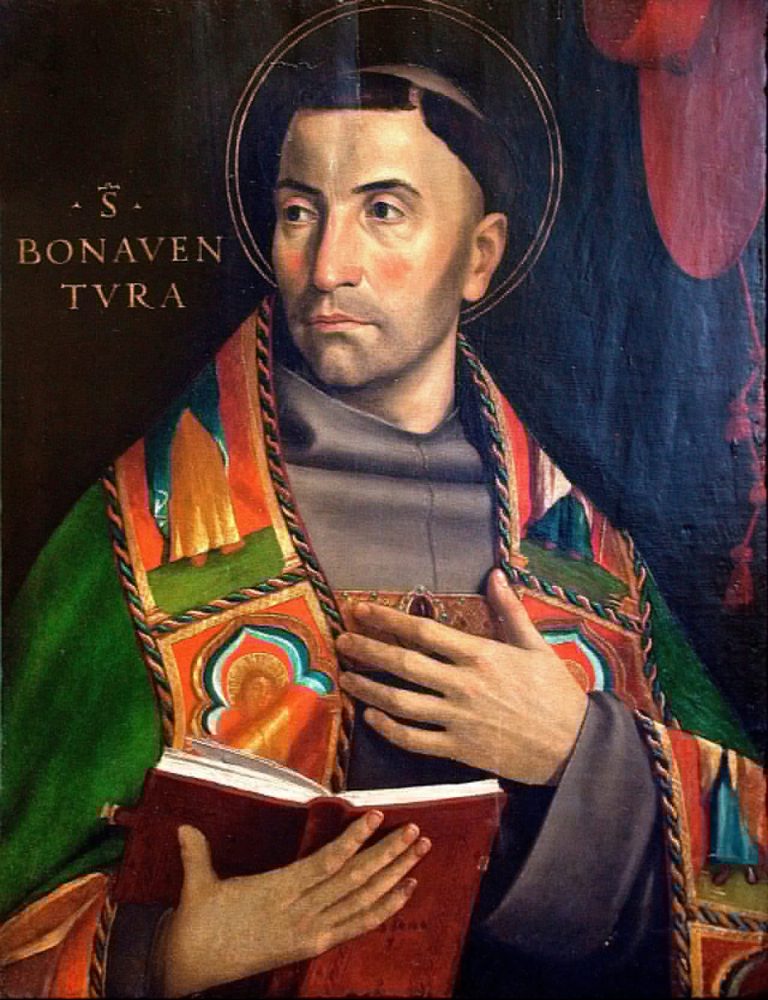
Bonaventure (d. 1274) was a pivotal figure whose complex responded effectively to the challenges of his day and inspired both theological and philosophical thought up to the present day. As a contemporary of fellow mendicant St Thomas Aquinas, Bonaventure also taught at the University of Paris and formulated an original approach to the new Aristotelian thought. Later known as the Seraphic Doctor, Bonaventure fused profound theological thought with heart-felt spirituality and set out a vision of the life and charism of the recent St Francis of Assisi to provide peace-making leadership for the new Franciscan order. Professor Kevin Hughes will…
Reason and Wisdom in Medieval Christian Thought
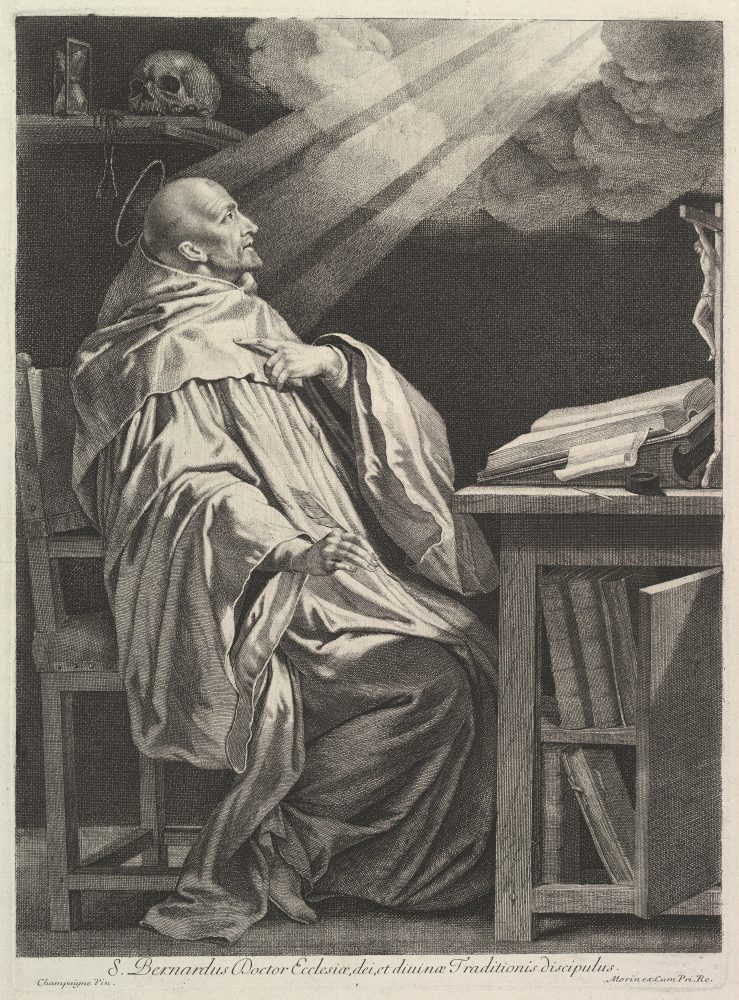
Due to restrictions put in place in response to the spread of COVID-19, our major spring events have been postponed. We are likely unable to host this non-credit course at this time. Stay tuned for updates as we explore our options concrning web-enabled communications. REGISTER HERE 6:00 Dinner | 6:30 Lecture Tuesdays, April 7 – May 26, 2020 This weekly non-credit course is open to current students and faculty. Registrants are free to attend as many sessions as they choose. Sessions do not presuppose previous attendance or prior knowledge of the subject. Dinner is provided. What can reason discover about God? Are…
WEBINAR: On Meister Eckhart

Meister Eckhart (d. ca. 1328) was a famous and popular German mystical writer and preacher. After formal theological training in the University of Paris, following the footsteps of Thomas Aquinas and Bonaventure, Eckhart charted a distinctive mystical dialectical theological in his writings and sermons and drew theological controversy. His thought became an inspiration for a tradition of mystical thought after him and remains a wellspring of religious and theological thought today. Professor Bernard McGinn will introduce the life and some of the principal themes of Eckhart’s enigmatic thought. This lecture is part of our Spring Webinar Series on “Reason and Wisdom in Medieval…
WEBINAR: Lessons after the Lockdown: Public Health, Economics, and the Common Good

Cosponsored by America Media, CREDO, the Beatrice Institute, the Collegium Institute‘s Program on the Philosophy of Finance, the Nova Forum, the Saint Benedict Institute, the Institute for Faith and Culture, and the Institute for Human Ecology at the Catholic University of America After two months of lockdown, nations across Europe and parts of the US are relaxing restrictions and facing new challenges. Where do we stand economically and socially? How might we have better protected the medically and economically vulnerable? How should we view the lockdown with its costs and benefits ethically? Our earlier event on “The Economic Costs of the Pandemic: Catholic Social…
WEBINAR: Christians in Times of Catastrophe: Augustine’s “City of God”

Cosponsored by America Media, the Collegium Institute, the Saint Benedict Institute, the Beatrice Institute, the Nova Forum, the Harvard Catholic Center, the Institute for Faith and Culture, and the Sacred and Profane Love podcast. Augustine of Hippo’s City of God is one of the great theological books of the Christian tradition, laying out a vision of the Church and the Earthly City in parallel and of Christ’s work of salvation in history in the context of the sack of Rome (410) and other calamities. Augustine’s reflections on how Christians can understand and respond to catastrophes has become a wellspring in the Christian intellectual tradition…
WEBINAR: Nicholas of Cusa
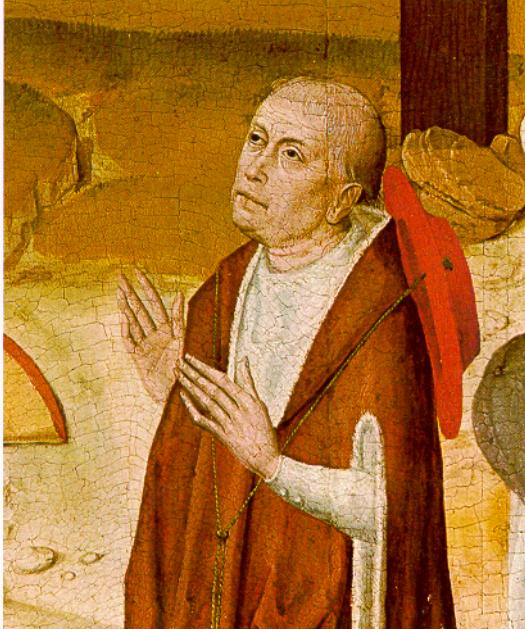
For the final installment of our Spring 2020 lecture series on “Reason and Wisdom in Medieval Christian Thought,” Professor David Albertson leads us in exploring the work of German philosopher, theologian, astronomer, and mystic, Nicholas of Cusa. Nicholas of Cusa (d. 1464) was a great late medieval, early modern thinker and polymath who digested the medieval theological and contemplative traditions and pressed these in new directions. Living in tumultuous times, his career in the Church as a cardinal was occupied by his work as a reformer and his efforts to re-unify the Eastern and Western Churches. Professor David Albertson will offer an introduction…
God and Morality: Francisco Suarez’s Reading of Thomas Aquinas
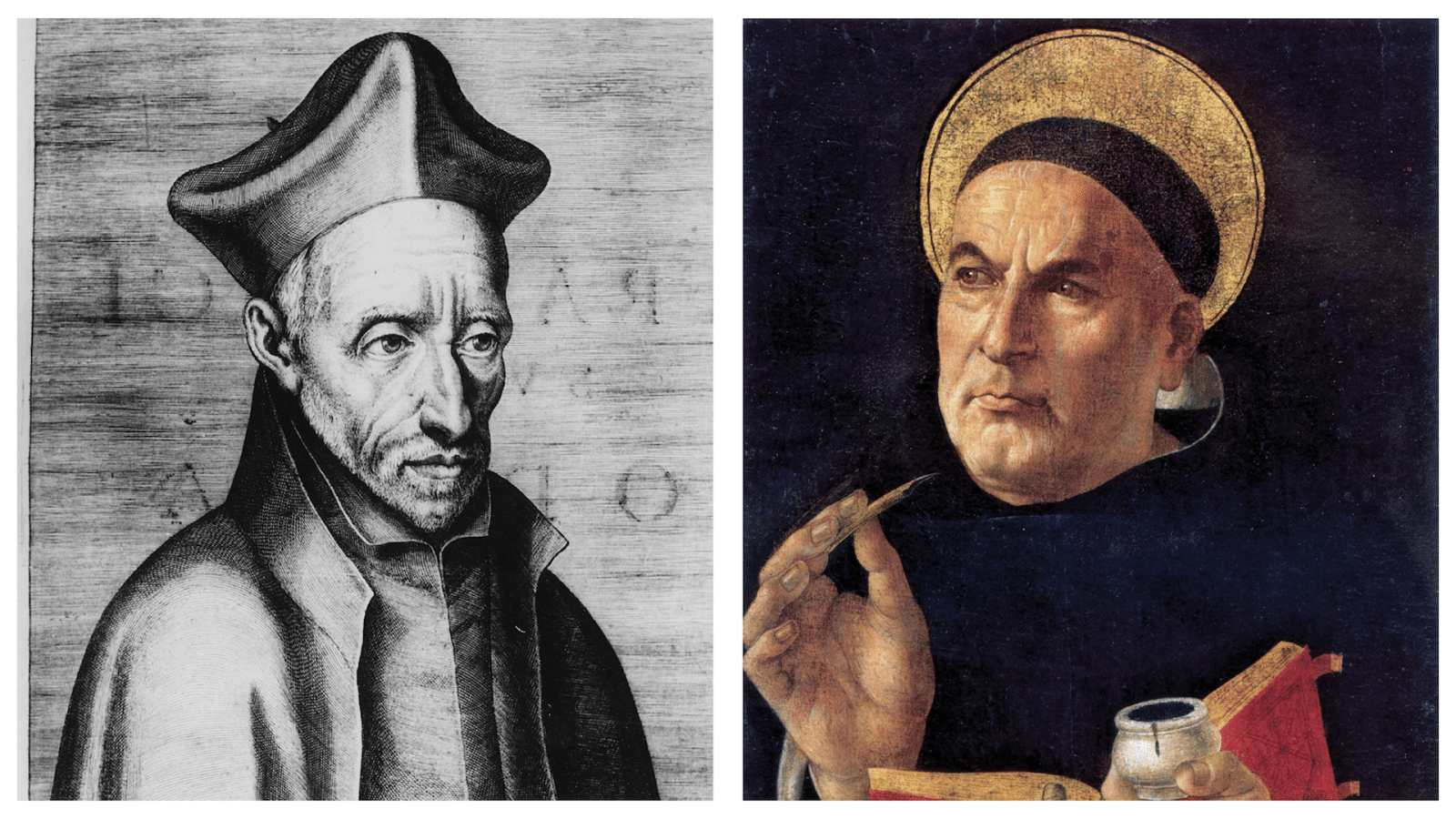
Registration is full. Please contact us if you would like to be put on the waitlist. This master class is open to current graduate students. It will take place online on Zoom. Others interested in participating should contact us. Are wrong actions wrong only because the law of God forbids them, or does it forbid (at least some of) them because they are wrong in themselves? Francisco Suárez famously answers this Euthyphro-like question in a way that steers between rationalism and divine voluntarism. He takes it to be Saint Thomas Aquinas’s way, and so do many after him. In this master class,…
Master Class on “Newman’s Critique of Liberalism: Faith, Reason, and Antecedent Probability”
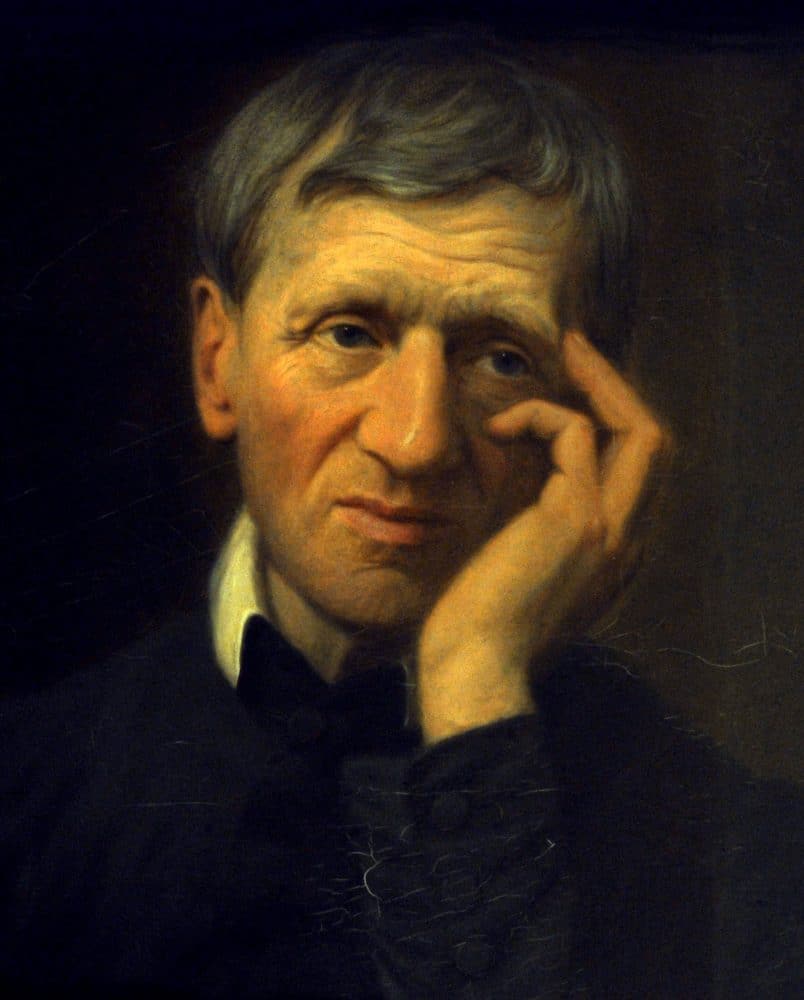
This master class is open to current graduate students. It will take place online on Zoom. Others interested in participating should contact us. In his intellectual autobiography, John Henry Newman makes a bold claim that may confound our contemporary sensibility. In matters of religion, the human mind has only two consistent options: either atheism or Catholicism. Any position in-between is but a logical half-way house. Our master class will explore the relation in Newman between faith and reason that endeavors to justify this claim. In the process, we will deal with the role of probability, which would seem to be…
On the Eternity of the World: Aristotle, Bonaventure, Aquinas, Kant
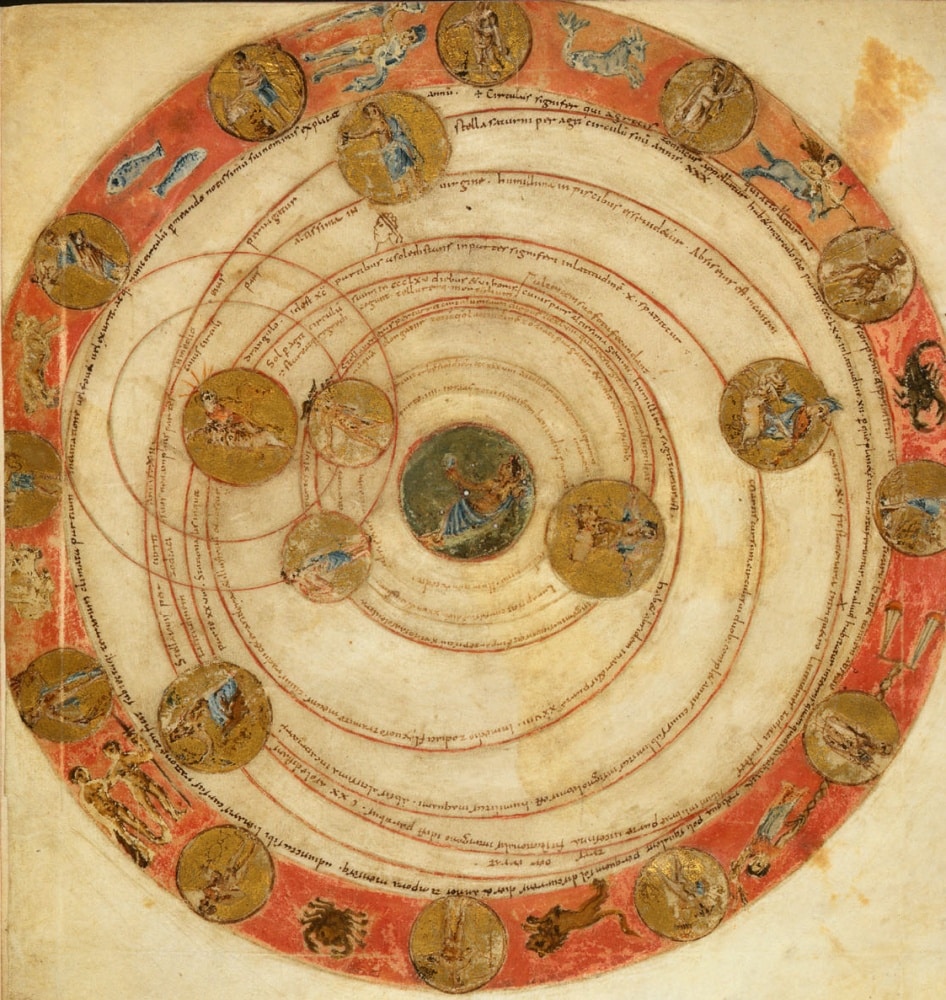
This master class is open to current graduate students and uper-level University of Chicago undergraduates. It will take place online via Zoom, in four sessions, over two days. Toward the end of his Physics, Aristotle argued that the motion in the physical world, and with it the world itself, never began and will never cease. Medieval Christian thinkers agreed that this position conflicted with revelation, but they assessed it in a wide variety of ways. In modernity, Kant used the problem of the world’s duration as evidence of the boundaries of mere reason. In this master class, we will go through…
Richard Hooker’s Sapiential Theology: Reformed Platonism?

An evening webinar lecture with Torrance Kirby (McGill University). Part of our summer webinar series on “Reason and Beauty in Renaissance Christian Thought and Culture,” presented in collaboration with the American Cusanus Society Richard Hooker (1554-1600) was a preeminent theologian and philosopher of the Elizabethan Church. His seminal book, Of the Laws of Ecclesiastical Polity (1593), set out a path for Anglican theology that was distinct from both Puritan and Roman Catholic thought. In Book I, Hooker identifies Law with Holy Wisdom and his treatment echoes the sapiential books of Scripture, viz. Proverbs, Job, and the Wisdom of Solomon. Hooker also…