
Catholic and Protestant Reformations and the Genealogy of Modernity
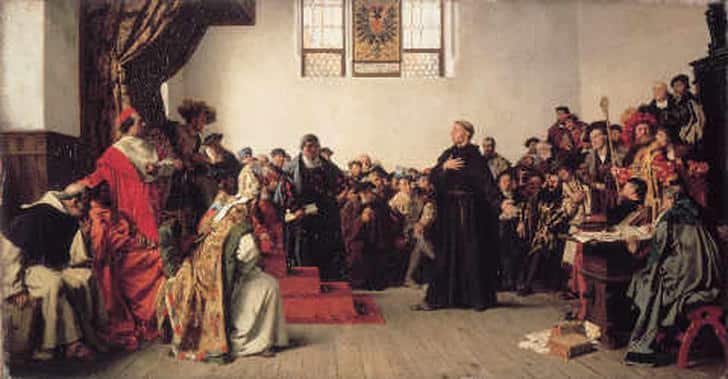
REGISTER HERE Open to current graduate students and faculty At this master class seminar, participants will read and discuss Professor Carlos Eire’s essay “Incombustible Weber: How the Protestant Reformation Really Disenchanted the World” from Faithful Narratives: Historians, Religion, and the Challenge of Objectivity, ed. Andrea Stark and Nina Caputo (Ithaca: Cornell University Press, 2014). A PDF copy of the reading will be provided. This chapter discusses how challenges to traditional beliefs about death and purgatory in the Protestant Reformation caused significant material consequences, triggering a so-called “economic revolution.” Focusing on the issue of secularization in a present-day understanding of Protestant…
The Only Way To Truth Is By Love
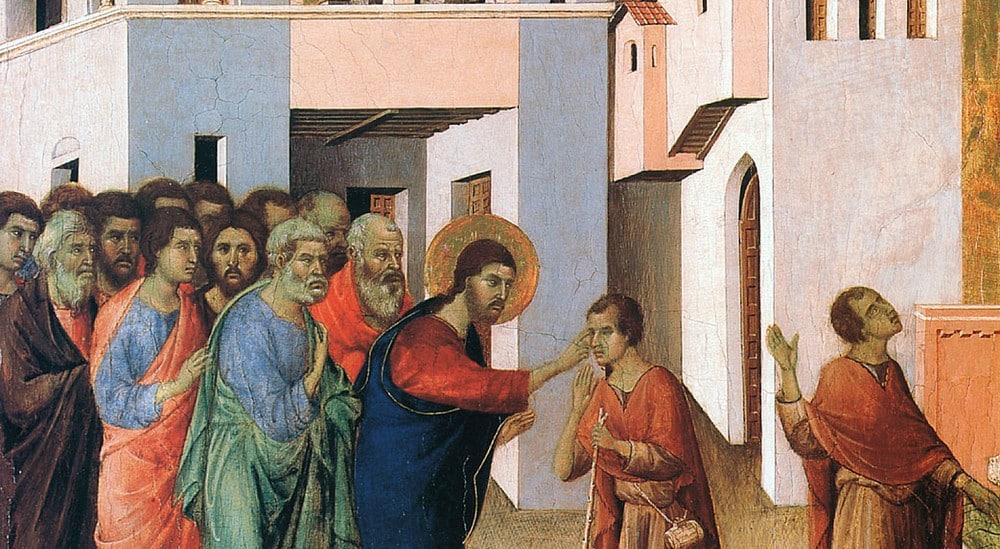
A lecture on the occasion of the publication of Believing In Order To See (Fordham University Press, 2017). Copies of the book will be available for purchase. Cosponsored by the Theology and Religious Ethics Workshop and the Seminary Coop Bookstore. “Non intratur in veritatem nisi per caritatem” -St. Augustine Believing does not always mean to make up for a deficit of knowledge, but rather attaining the right stance to see that which appears. This rule applies not only to common perception, but most of all to what Pascal, following St. Augustine, calls “divine things.” In faith, as in beholding a…
Colloquium on “Givenness and Revelation”
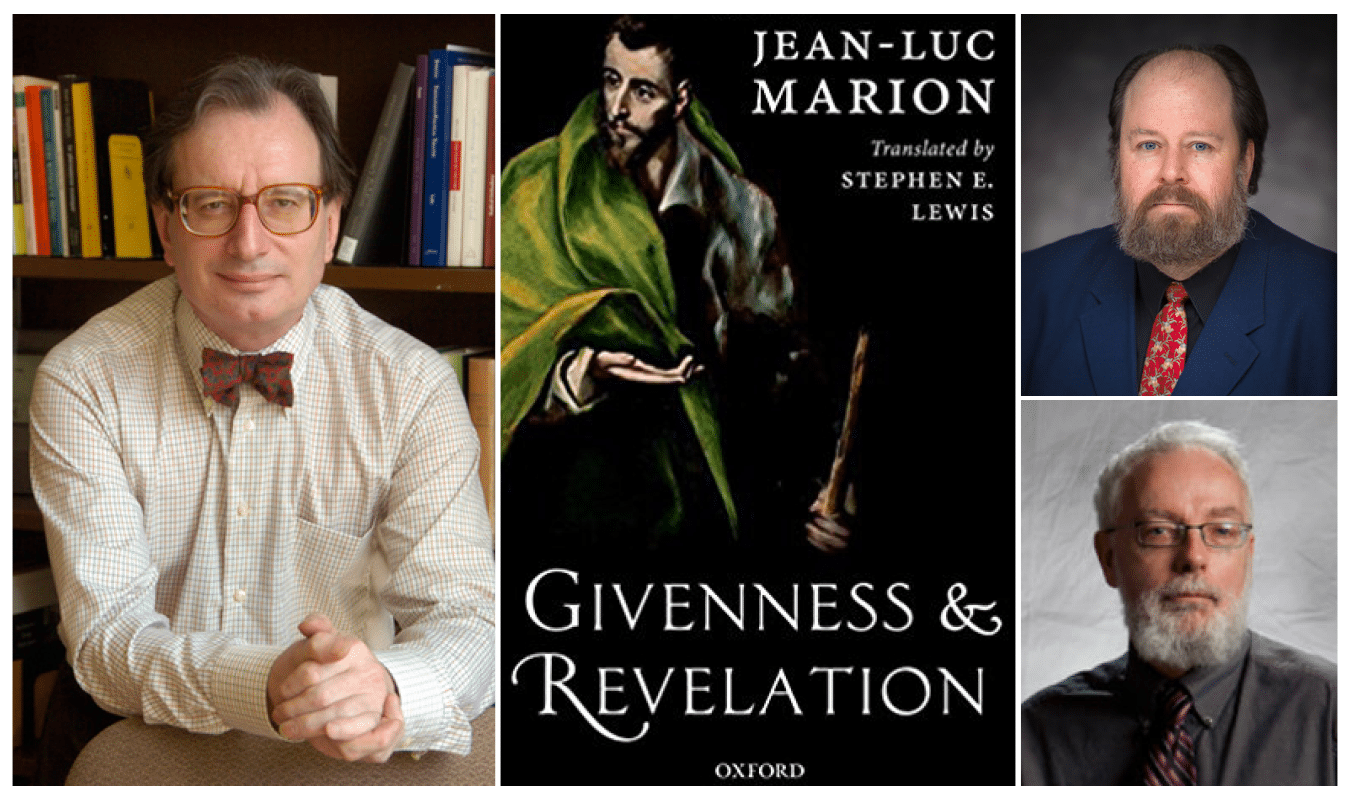
Part of the Lumen Christi Institute’s faculty colloquia in philosophy and theology, which bring together scholars from the region to discuss important questions in Catholic thought. About Givenness and Revelation Givenness and Revelation represents both the unity and the deep continuity of Jean-Luc Marion’s thinking over many decades. This investigation into the origins and evolution of the concept of revelation arises from an initial reappraisal of the tension between natural theology and the revealed knowledge of God or sacra doctrina. Marion draws on the re-definition of the notions of possibility and impossibility, the critique of the reification of the subject,…
Aquinas and the Life of the Mind
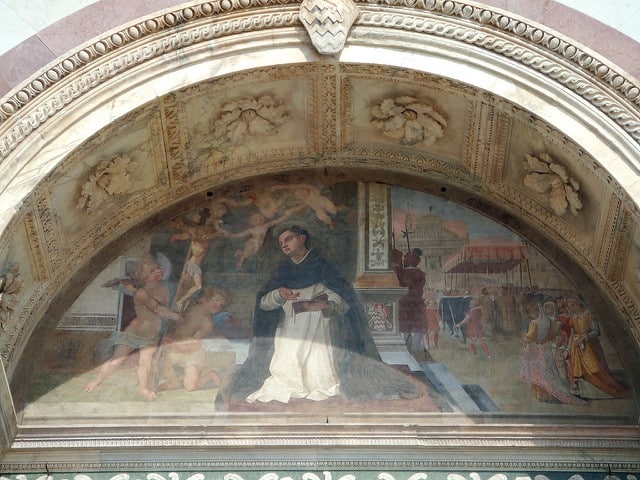
Saint Thomas Aquinas regards mind, or intellect, as a form of life. It is even the most perfect form, he says, because it carries the power of free choice. Yet we may wonder how free he thinks we really are. For he insists that our mind’s life depends, intimately, on a cause outside itself. But on his view, freedom of choice would not even make sense without this cause; and our lives are fullest, and freest, when we focus more on it than on ourselves. This is to follow the mind’s deepest urge, which is toward that rather neglected virtue…
All Things Hold Together: A Great Books Education and the Catholic Tradition
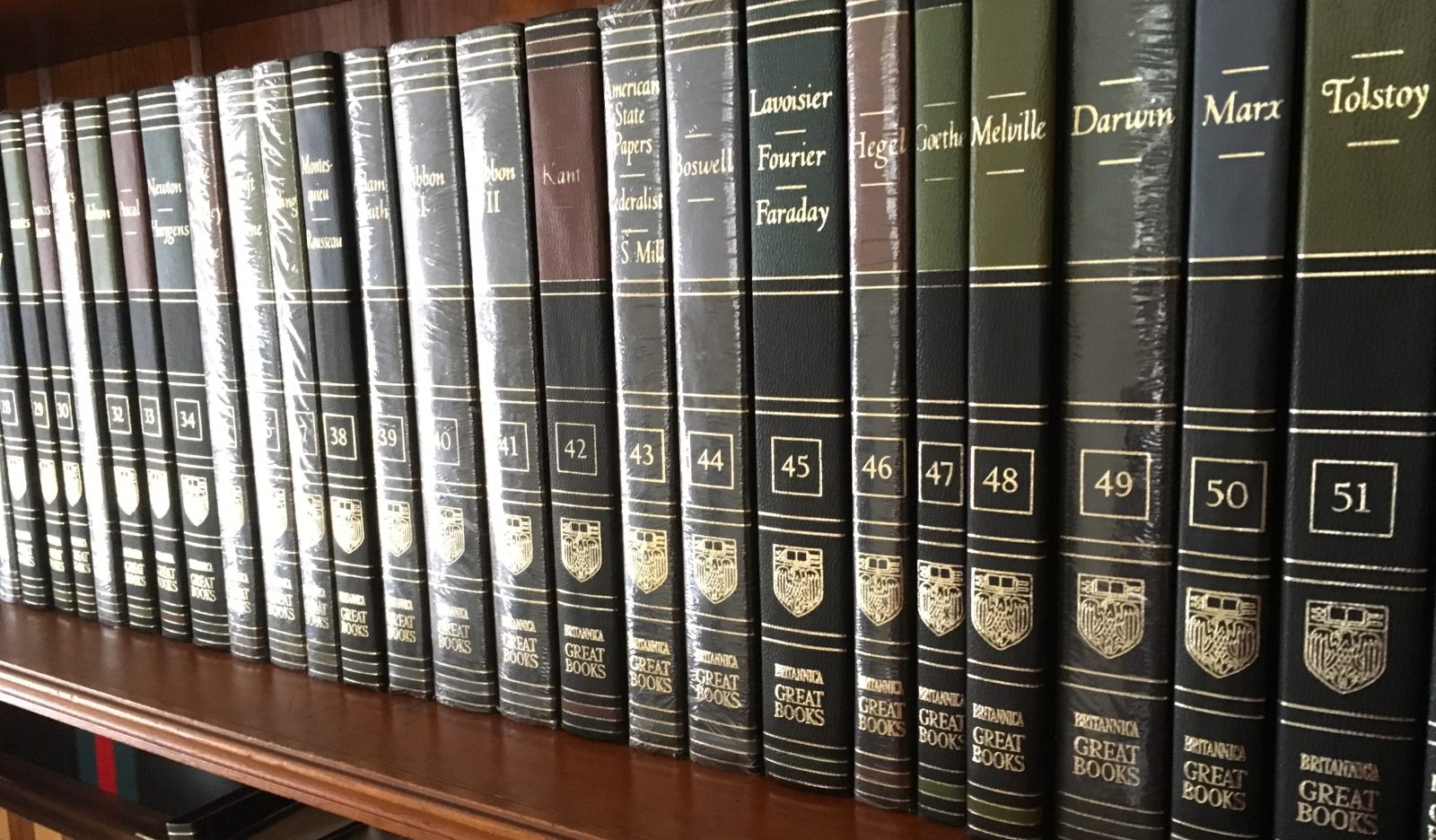
The Great Books can lead us to God and a liberal arts education finds its fulfillment in the liturgy. Yet, the curriculum and culture of many universities today are, by their very structure, inimical to such ends. Reflecting on his own education as a Fundamentals major at the University of Chicago and on the Catholic tradition he now teaches, Professor Ortiz will consider the blessings and limits of a Great Books education and how the Catholic tradition might restore the promise of the liberal arts by providing a vision of the whole and cultivating a habit of praise and thanksgiving.
Master class on “On Hope” by Josef Pieper
REGISTER HERE Open to currently enrolled undergraduates, graduate students, and faculty. Copies of the readings will be provided for participants via web link. The first of Josef Pieper’s three books on each of the theological virtues, On Hope was written in 1934 in response to the general feeling of despair in Europe leading up to World War II. Pieper seeks to reinvigorate the meaning of hope as a properly theological virtue that identifies our happiness in the anticipation of our reunion with our creator. Josef Pieper (1904-1997) was one of the most well known Thomist philosophers of the twentieth century….
What Should We Fear? Courage and Cowardice in Public Life
REGISTER HERE This talk is free and open to the public. The talk and Q&A will be livestreamed HERE at 7pm central time. Moral theologian Jean Porter will give the talk “What should we fear? Courage and cowardice in public life” on Monday, June 5, 2017 at 7pm in the Swift Hall 3rd Floor Lecture Hall at the University of Chicago. An audience Q & A will be followed by a reception in the Swift Hall Common Room. This event is presented by the Virtue, Happiness, and the Meaning of Life Project, made possible by a generous grant from the…
Catholic Reform: The Council of Trent and the Catholic Enlightenment
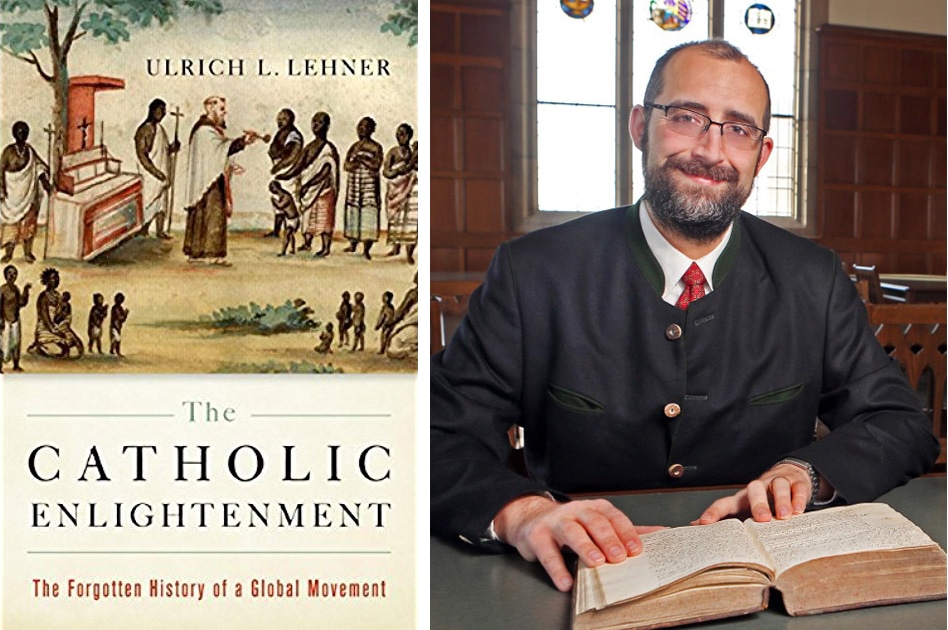
Cosponsored by the Department of Romance Languages and Literatures. About Ulrich Lehner’s recent book The Catholic Enlightenment: “Whoever needs an act of faith to elucidate an event that can be explained by reason is a fool, and unworthy of reasonable thought.” This line, spoken by the notorious 18th-century libertine Giacomo Casanova, illustrates a deeply entrenched perception of religion, as prevalent today as it was hundreds of years ago. It is the sentiment behind the narrative that Catholic beliefs were incompatible with the Enlightenment ideals. Catholics, many claim, are superstitious and traditional, opposed to democracy and gender equality, and hostile to…
Master Class on “Saint Thomas Aquinas on the Metaphysics of Evil”
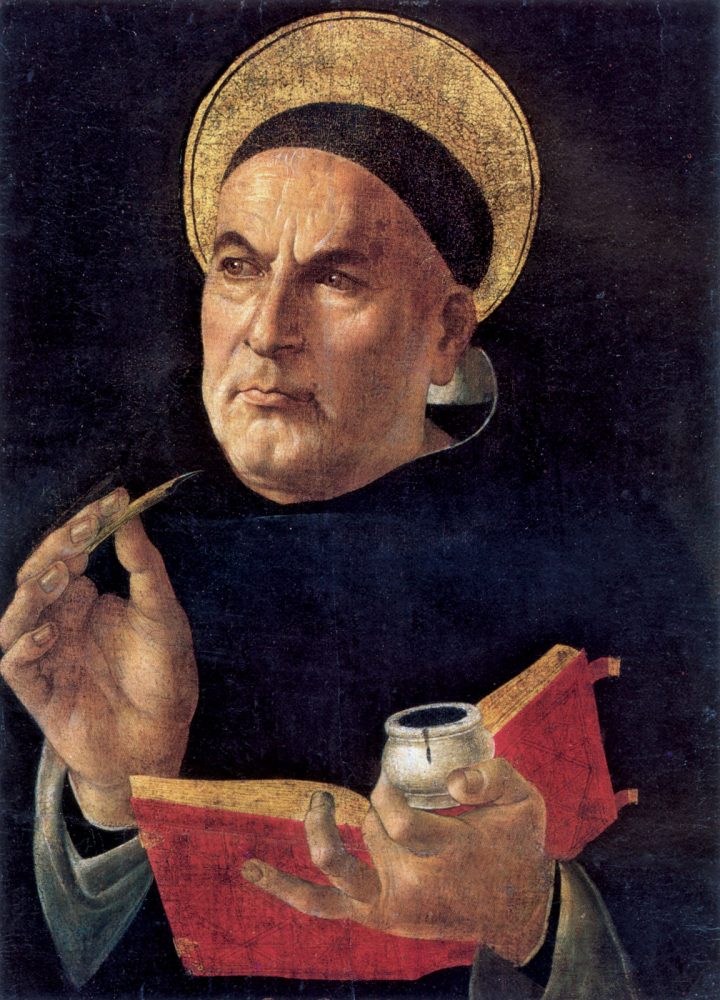
Registration Required. Open to current students and faculty. Copies of the readings will be provided. To view photos of the master class, visit Lumen Christi’s Facebook page. Saint Thomas Aquinas’s general conception of evil is very well known, and very simple. Evil, he holds, is nothing other than privation of due good. This conception has sometimes been criticized, as not adequate to our experience of evil or to certain types of evil. It is also connected with other controversial positions of his, such as that no one directly intends evil. And it is not easy to square with his own…
The Gospel According to Matthew
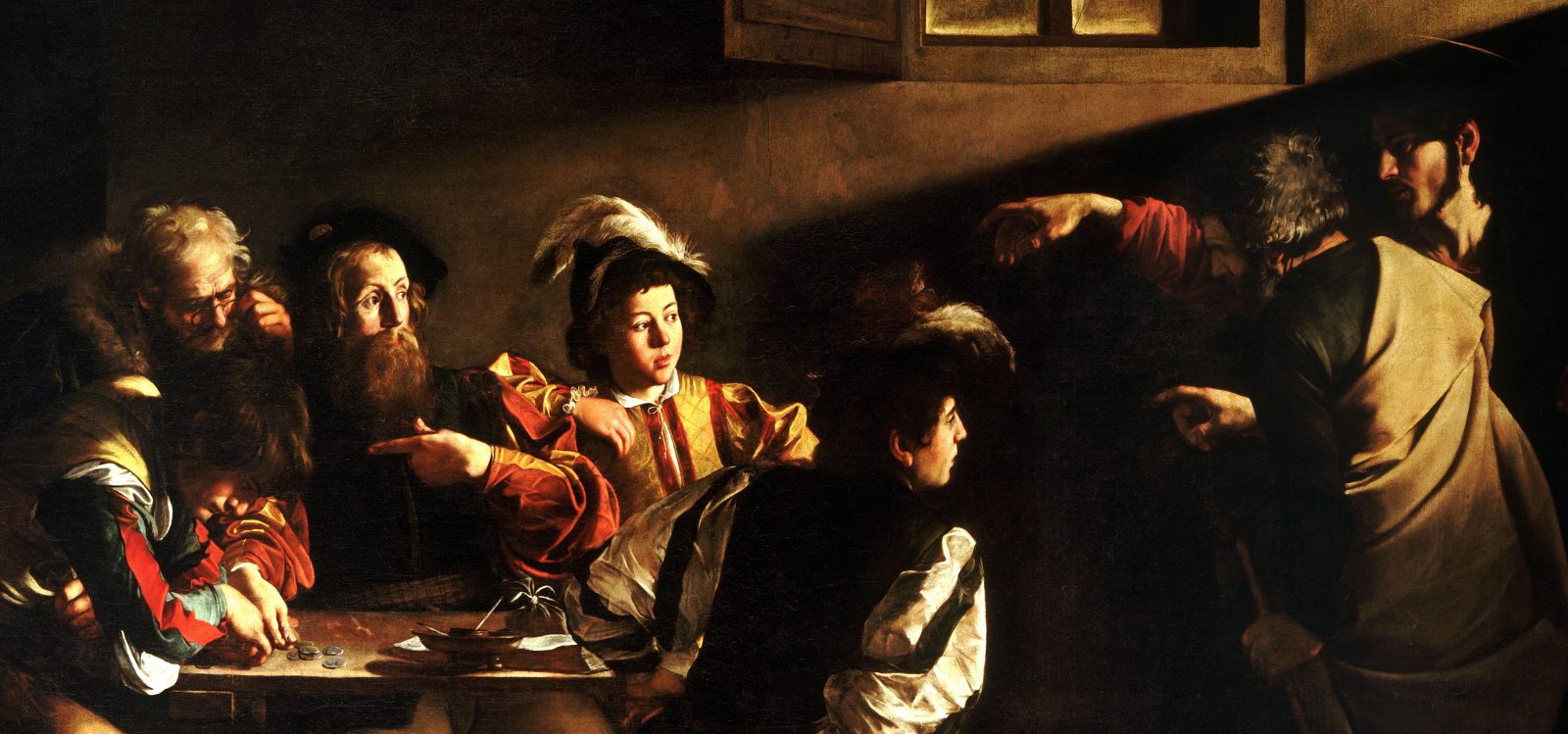
6:00pm Buffet Dinner | 6:30pm Lecture Registration required. Open to current students and faculty. St. Matthew’s Gospel brings us into powerful contact with Israel’s longed-for Messiah and permits us to hear the voice of Jesus of Nazareth with memorable vividness. Foregrounding the Israelite language of expectation, the narrative views Jesus as Son of Man, Son of David, and Son of God, reminding us of Israel’s messianic hopes and showing us how these hopes are, in Jesus, both brought to fulfillment and surpassed. The course will focus on what might be called the spirituality of the evangelist, by means of a…