
Conversation on “Lost in Thought: The Hidden Pleasures of an Intellectual Life”
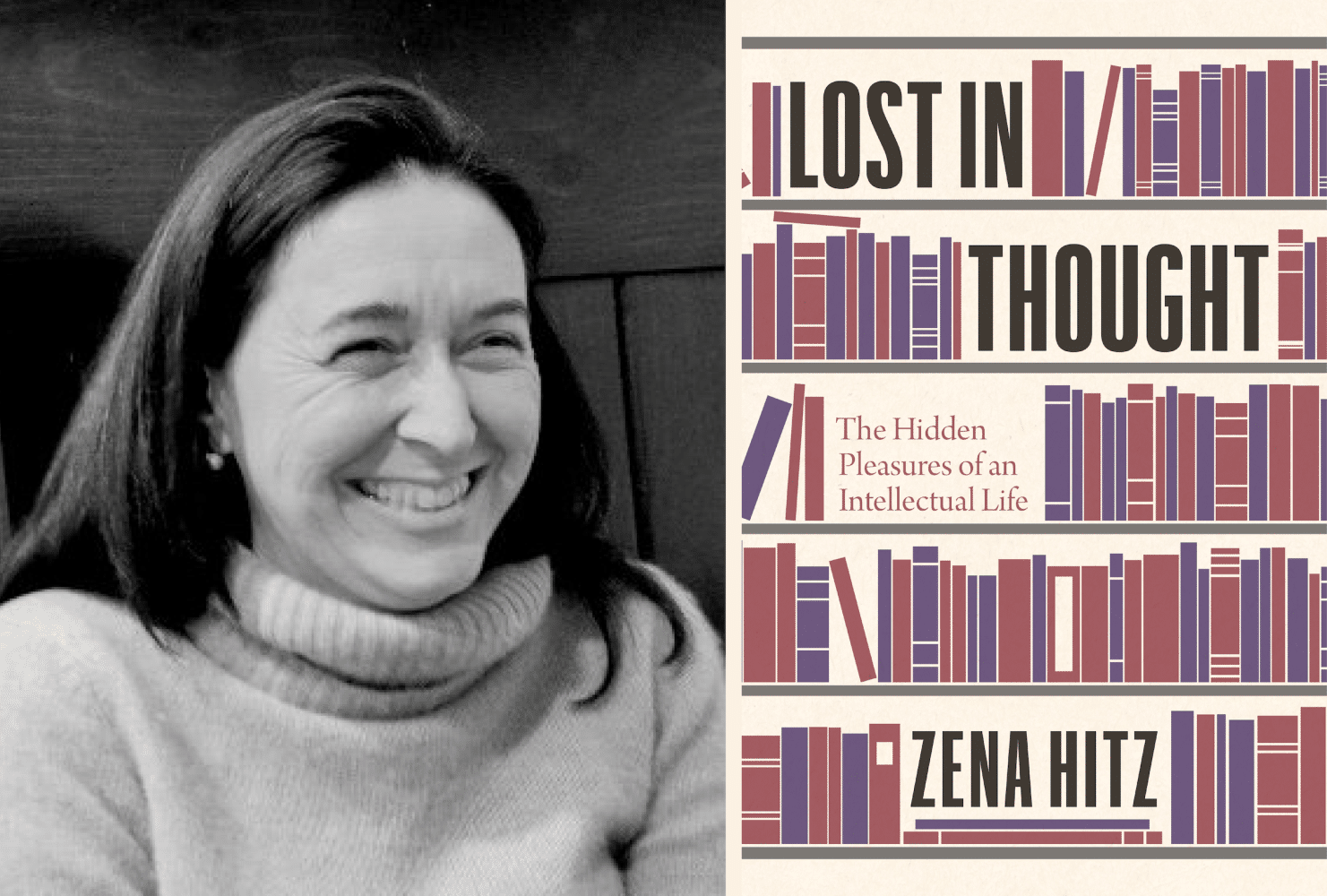
Free and open to the public. Cosponsored by the Undergraduate Program in Religious Studies at the University of Chicago. Copies of the book will be available for sale by the Seminary Co-op Bookstore at the event. This program will be held as a hybrid, in-person and online event. Join us for a conversation on Lost in Thought: The Hidden Pleasures of an Intellectual Life (Princeton University Press, 2020) with author Zena Hitz. ABOUT THE BOOK In an overloaded, superficial, technological world, in which almost everything and everybody is judged by its usefulness, where can we turn for escape, lasting pleasure, contemplation, or connection to others? While…
Winter 2022 Undergraduate Reading Group: “Progress is Dead: Nietzsche’s Indictment of Modern Life in The Genealogy of Morals”
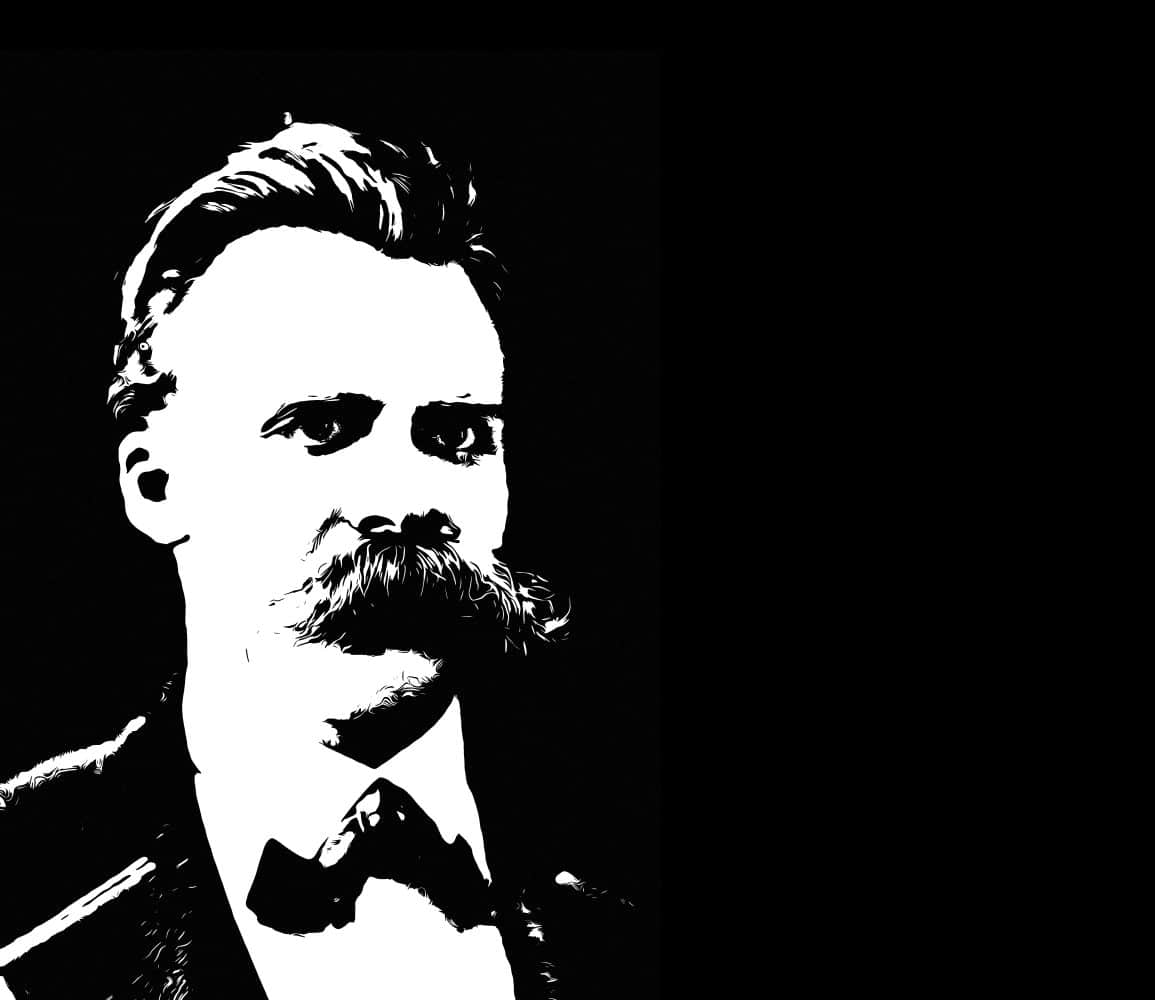
“We are unknown to ourselves, we knowers: and with good reason.” The modern world tells us—and we tell ourselves—that we are enlightened and free, but it isn’t true. Our claims to knowledge are just another moral prejudice; our ostensible freedom is disguised slavery. So contends Friedrich Nietzsche in his On the Genealogy of Morality, where he punctures the self-satisfaction of socialists, democrats, reformers, the bourgeoisie, philosophers, scientists, and anyone else who claims to have it all figured out. This three-week reading group will discuss the three treatises of the Genealogy and debate the following claims: February 10 Is Democracy Slavery? (First Treatise, “ ‘Good and Evil,’ ‘Good…
Master Class on Newman’s Oxford University Sermons
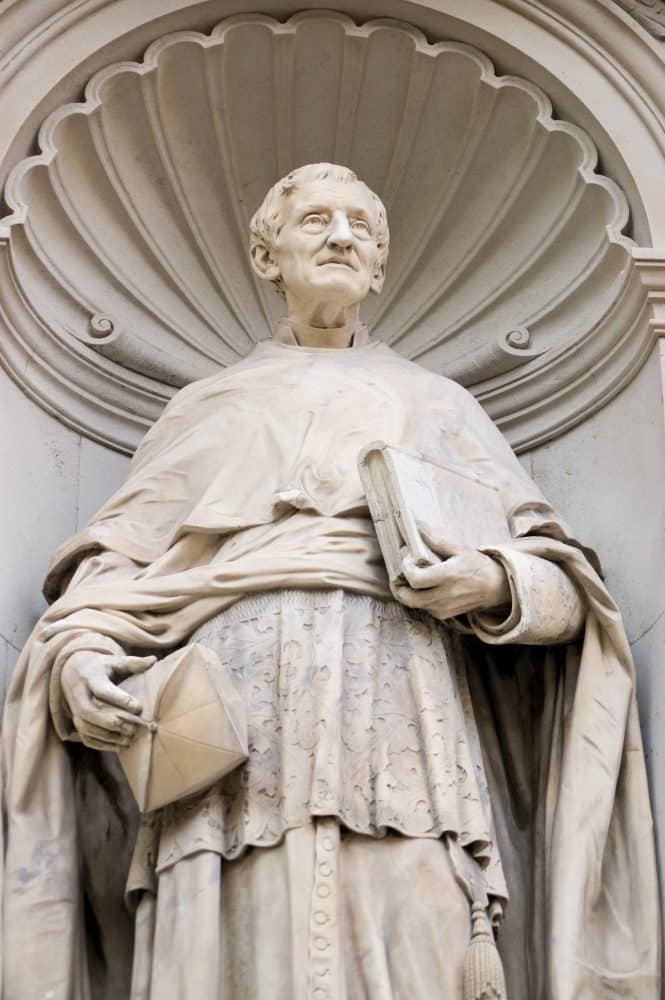
REGISTER HERE This event will be held online over Zoom. Open to current graduate students and faculty. Others interested in participating should contact us. More info TBA. Fr. Fields will also lead a summer seminar for graduate students on the thought of John Henry Newman at Merton College, Oxford this summer. More information can be found here.
Walker Percy on the Pursuit of Happiness in Apocalyptic Times
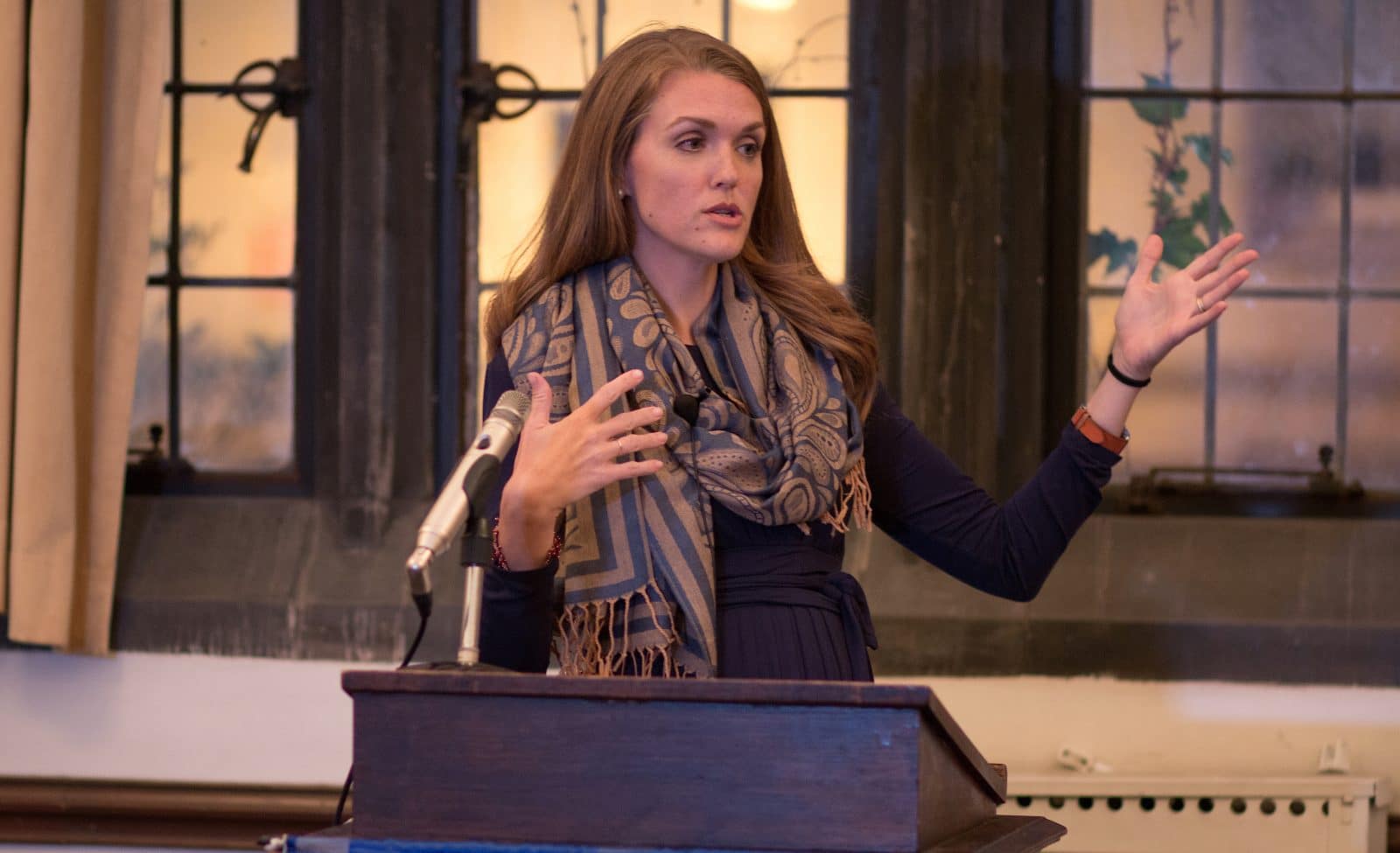
This virtual event is free and open to the public. This virtual event will be livestreamed on Zoom. For more information about the in person event, please contact us. The in-person event will take place at Ruth Lake Country Club in Hinsdale, Illinois. In Walker Percy’s novel, Love in the Ruins, the narrator, a wealthy and successful denizen of American suburbia, admits that ” everyone is happy, but our hearts broke with happiness.” In this lecture, Dr. Jennifer Frey will discuss what Percy’s novel can teach us about the pursuit of happiness in contemporary American life, and why the novel’s biting satire is relevant to our contemporary political and…
Magis Series on Faith and Reason
Free and open to the public. Presented by the Lumen Christi Institute and Saint Ignatius College Prep. What does it mean to believe? Does one believe because of evidence? In spite of evidence? Is belief the beginning of wisdom or the opposite of science? For over two thousand years, the Catholic Church has defended the rich interrelation between faith and reason. As Pope John Paul II said in his encyclical, Fides et Ratio, “Faith and reason are like the two wings on which the human spirit rises to the contemplation of truth.” Faith without reason leads to superstition. Reason without…
Logical to the Bitter End: Absurdity, Suicide, and Hope in Albert Camus’s The Myth of Sisyphus
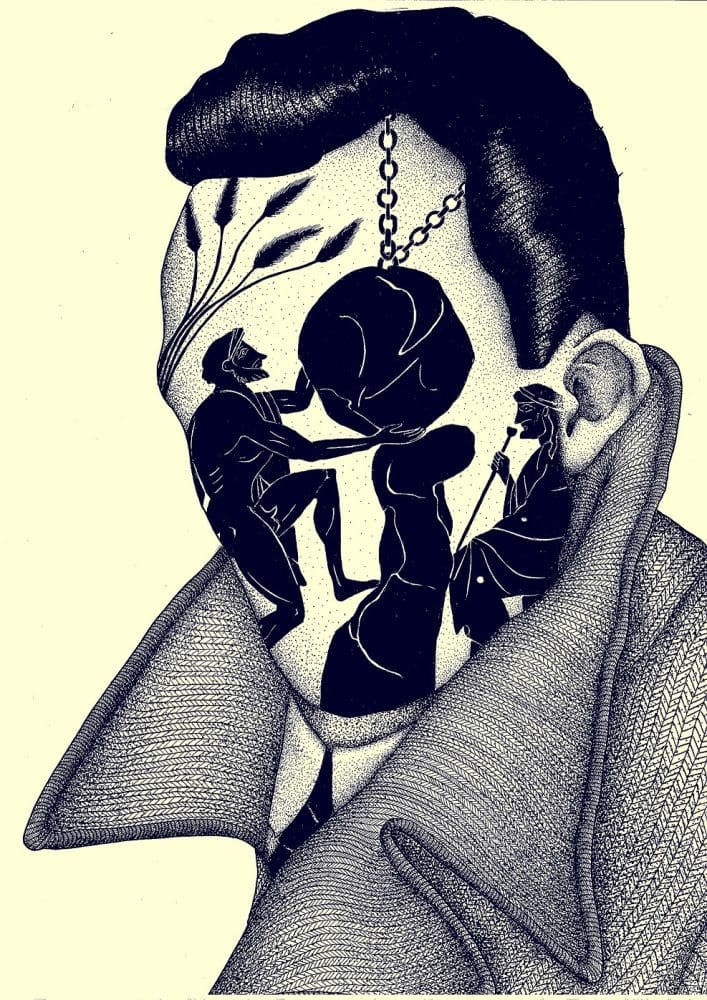
Does the absurdity of life dictate death? Can one find hope—can one truly live—in an absurd universe? These are the questions Albert Camus labors mightily to answer in his seminal work, The Myth of Sisyphus. Acknowledging the basic human impulse to seek meaning to existence, Camus nevertheless holds that existence provides us with no answer and, moreover, never will. Given this absurdity, Camus thus identifies suicide as the “one truly serious philosophical problem.” Why, Camus poses, do we bother to go on living once we recognize the absurdity of life? How, in the face of absurdity, can one embrace the struggle…
Descartes and Pascal on the Proofs of the Existence of God
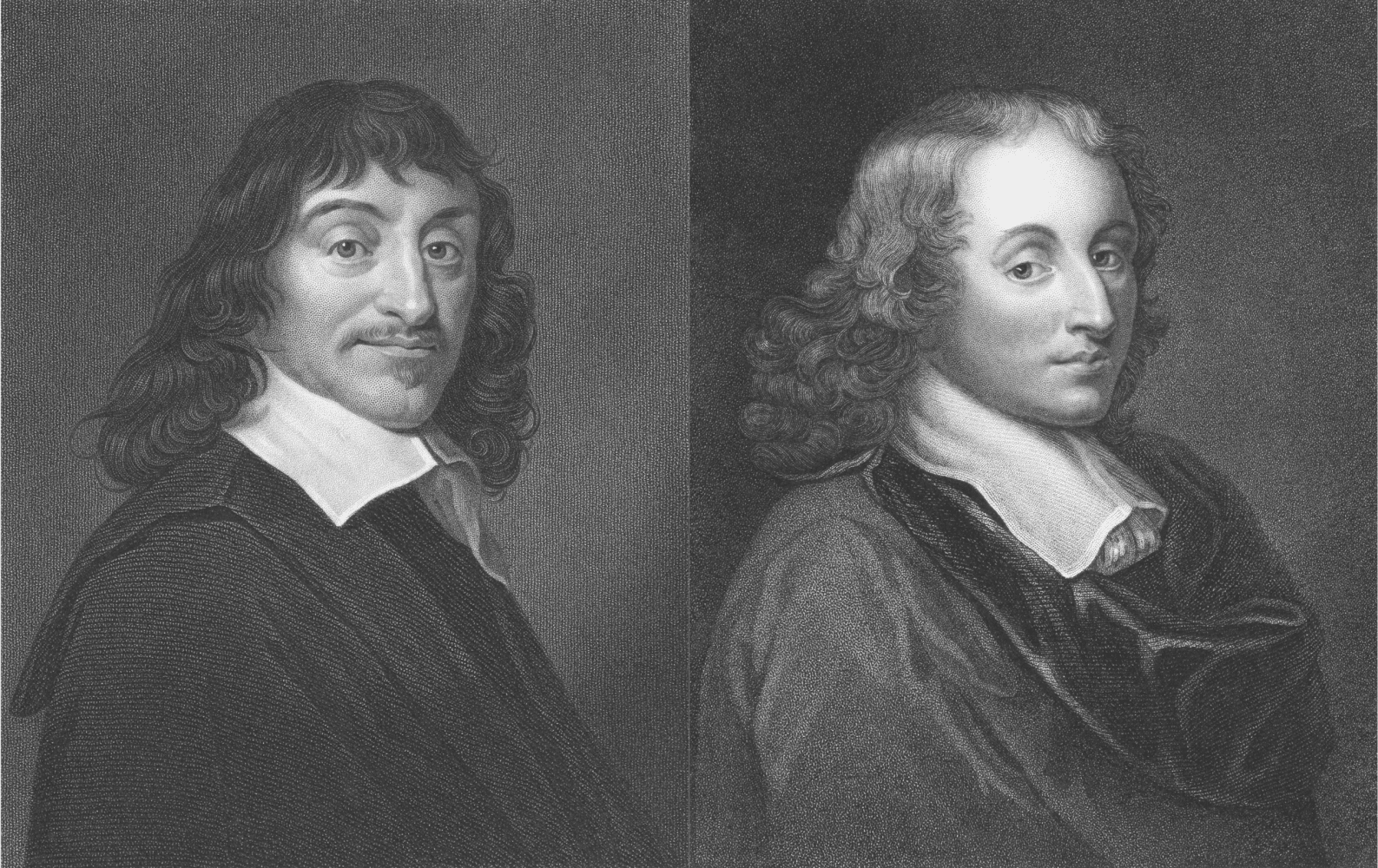
A final Lumen Christi Master Class, with Jean-Luc Marion. Open to current graduate students, faculty, and advanced University of Chicago undergraduate students. Others interested in participating should contact us. Registrants will receive copies of the prepared reading. Texts: Descartes, Méditations on first philosophy, a latin-english edition by J. Cottingham, Cambridge, 2013, or the bare latin text. (With focus on book 3 & 5) Pascal, Pensées, ed. R. Ariew, Hackett, 2005. (Entirety, but especially Chapter 3) Marion, Jean-Luc On descartes’ metaphysical Prism, Chicago U.P., 1999, Chapter 3 (ch.IV & V optional).
A Marion Moment in Catholic Thought: a Conversation with Jean-Luc Marion and Ken Woodward

Join us over Zoom for a conversation between Professor Jean-Luc Marion (University of Chicago), and Lumen Christi Institute Writer-in-Residence Ken Woodward.
Magis Lecture | Pro and Con: Does Faith Ignore Reason?
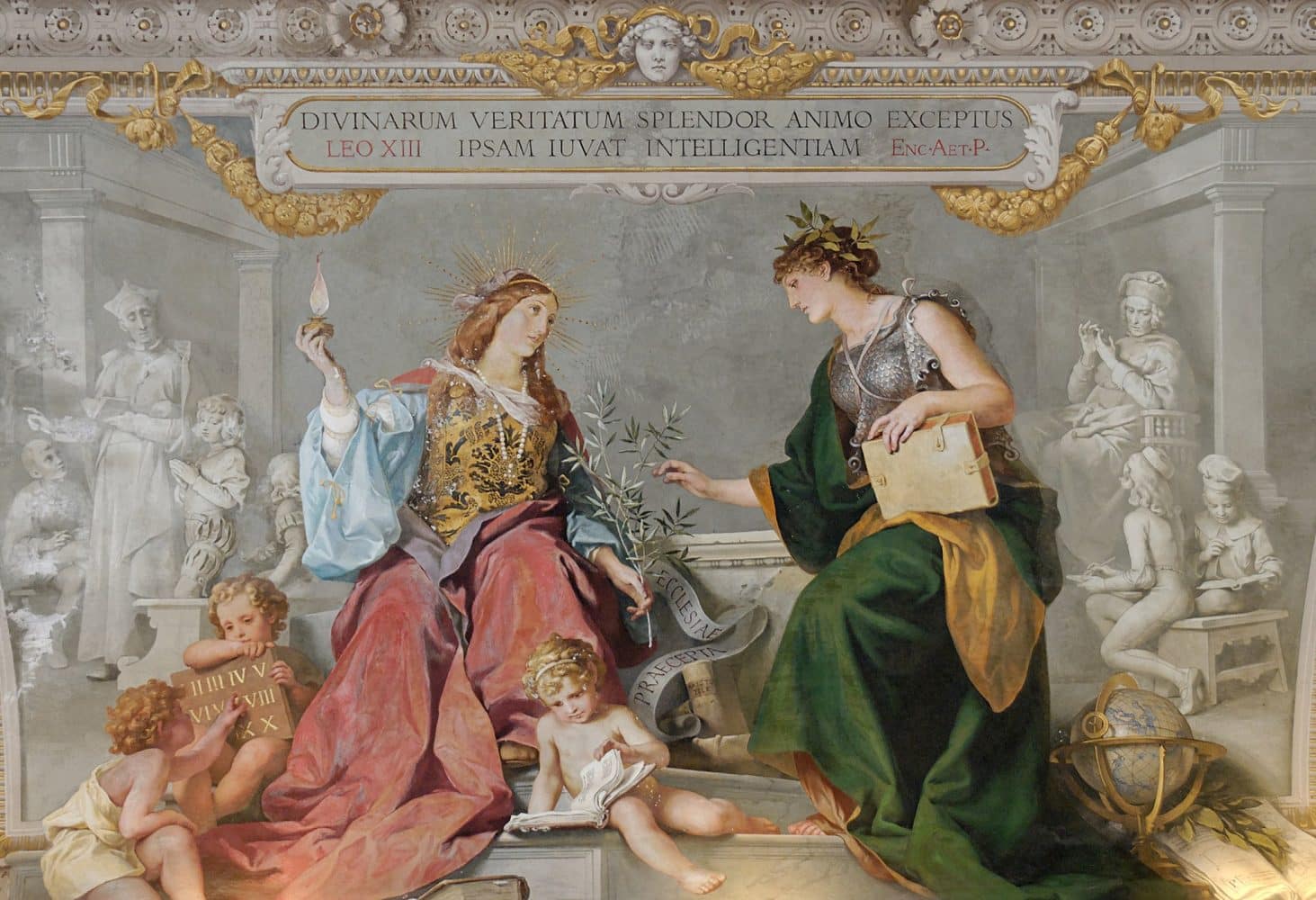
Free and open to the public. Every Sunday, Christian worshipers profess the Nicene Creed. The Creed formulates and supports our belief in one God, but there appears to be scant empirical evidence for many of its claims that we acknowledge to be true. We don’t profess the Creed because we’ve been persuaded by overwhelming evidence. Is it reasonable, then, to believe that the Creed’s claims are true? Or does our profession of faith shove our reason into exile? So says Sam Harris, a recent “popular atheist,” who argues that faith is by nature unreasonable. But William James, the 19th-century American psychologist,…
Lunch Discussion: “Are We Falling Back Into Paganism?”
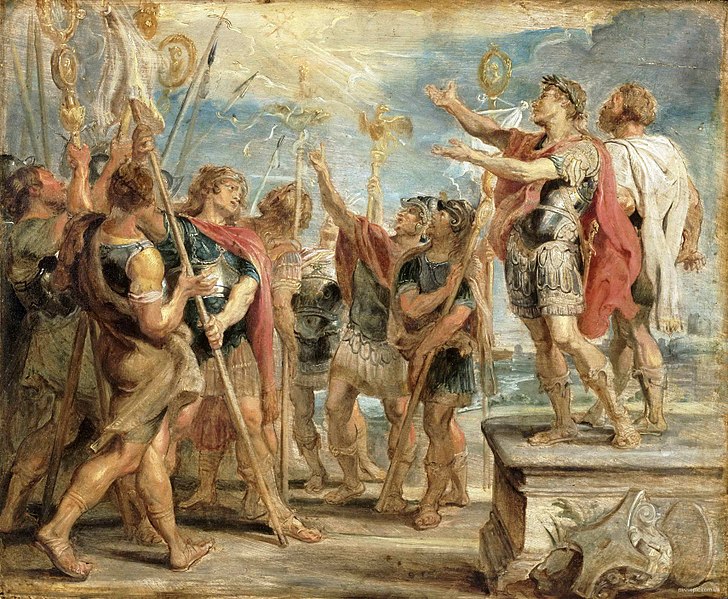
Open to current students and faculty. Others interested in participating should contact info@lumenchristi.org.