
Saint John Paul II and the Polish Catholic Experience
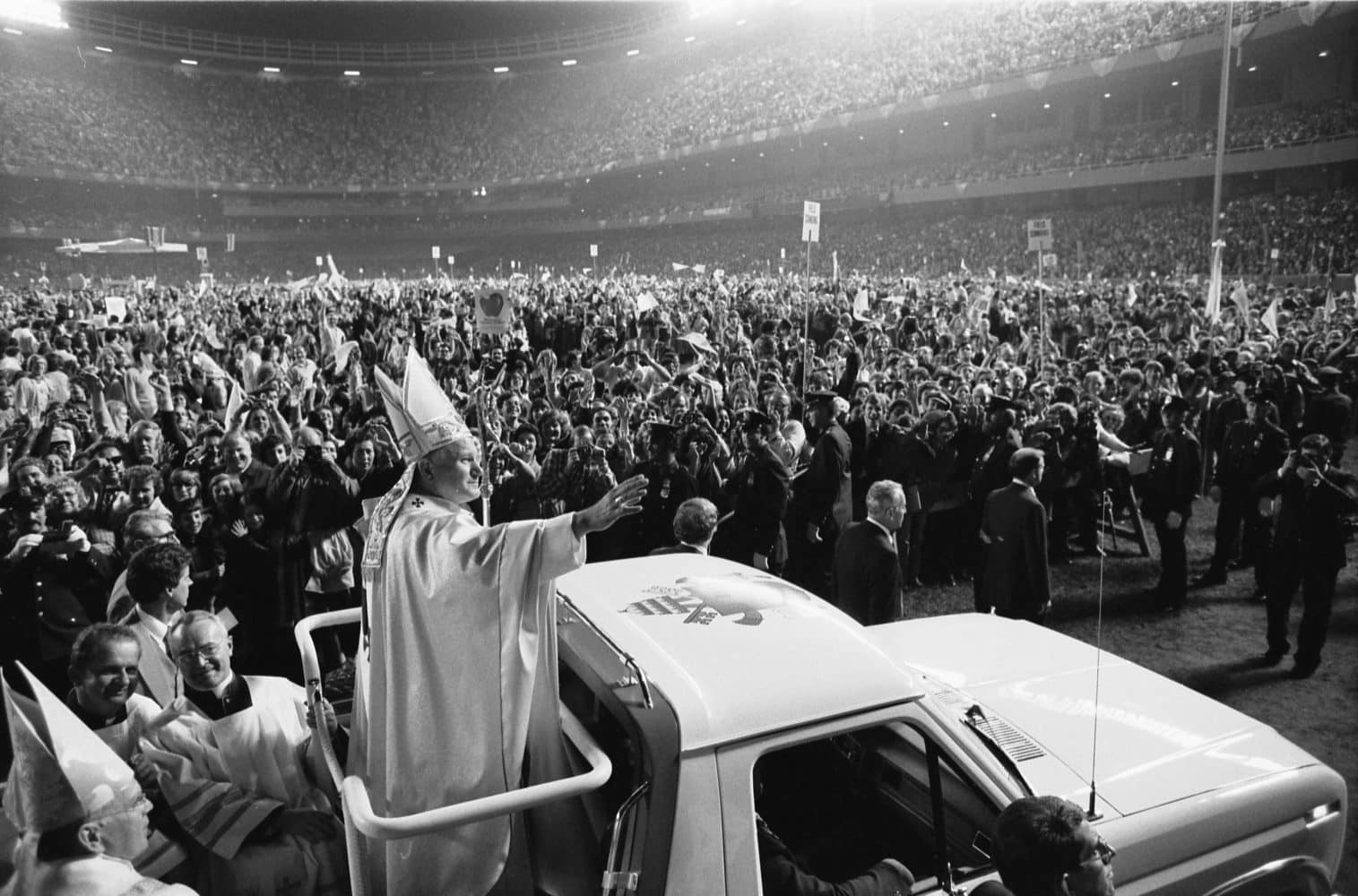
Fr. Raymond Gawronski, S.J. (Dominican School of Philosophy & Theology, Berkeley) cosponsored by The Copernicus Foundation, Calvert House, and the Polish American Student Association Often referred to as “The Polish Pope,” John Paul II is better described as a global pope. The Polish experience offers a unique perspective that bore fruit in the person of Pope John Paul II, who held the world’s attention for decades and offered a way to be Catholic in the Church’s new situation of worldly powerlessness. Through the lens of the Polish experience in Europe and America – the “Polish hermeneutic” – this talk will explore…
Pope Francis and the New Evangelization
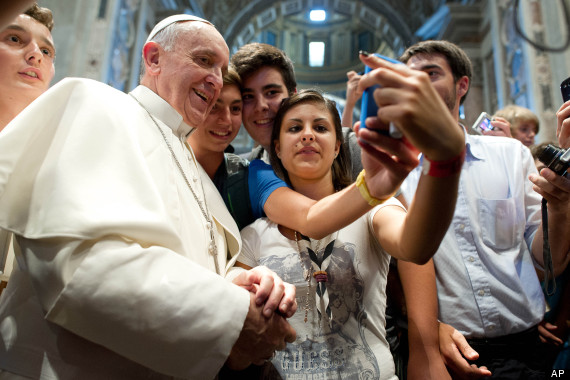
Fr. Robert Barron (Rector, Mundelein Seminary/University of Saint Mary of the Lake; founder, Word on Fire) Cosponsored by Word on Fire In this lecture, Fr. Robert Barron discussed how to put faith into action in today’s increasingly secular world. With Pope Francis as a model of how to present “the joy of the Gospel,” Barron argued that Catholics have a duty to awaken the faith of the baptized and bring back those who have drifted. While the message has remained unchanged since the first century, Catholics are called to share the beauty, goodness, and truth of the faith with new ardor, new…
Symposium on The Sacredness of the Person
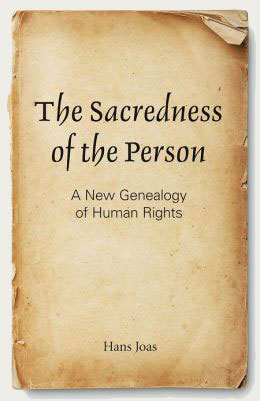
Michael Geyer (University of Chicago), Moderator Hans Joas (University of Chicago) John D. Kelly (University of Chicago) Ben Laurence (University of Chicago) William Schweiker (University of Chicago) cosponsored by the Human Rights Program at the University of Chicago REGISTER HERE This symposium will discuss The Sacredness of the Person, a recent book by Professor Hans Joas. What are the origins of the idea of human rights and universal human dignity? How can we most fully understand—and realize—these rights going into the future? In The Sacredness of the Person, internationally renowned sociologist and social theorist Hans Joas tells a story that differs from conventional narratives…
Baudelaire and Maistre: the Weight of Original Sin
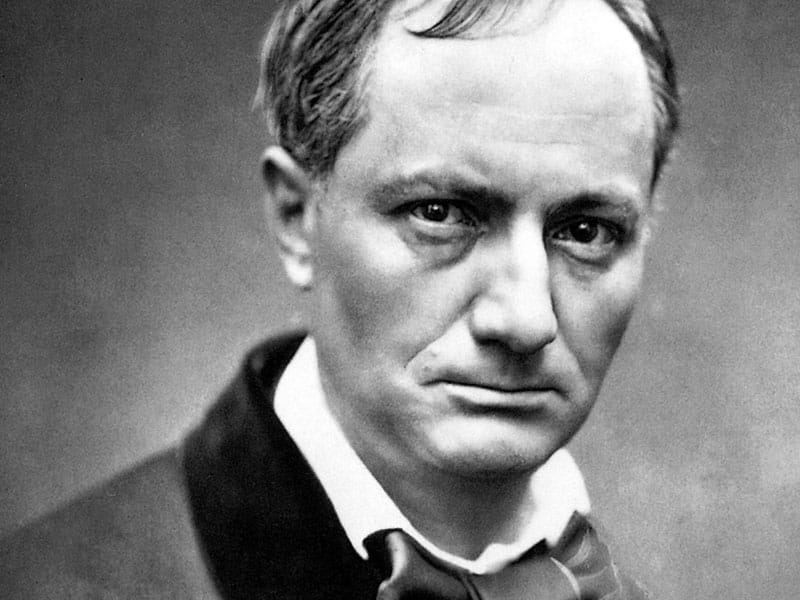
By 1851, the poet Charles Baudelaire had become obsessed — in contrast to his previous anarchist position — with the views of the reactionary and fiercely Catholic Joseph de Maistre. Maistre argued that Original Sin “explains everything,” a perspective that Baudelaire was to adopt, and which markedly changed his poetry. This lecture will consider Baudelaire’s preoccupation with sin in light of Kierkegaard’s treatment of anxiety and sin in The Concept of Anxiety.
Spousal Vision: Seeing the Church with Lumen Gentium
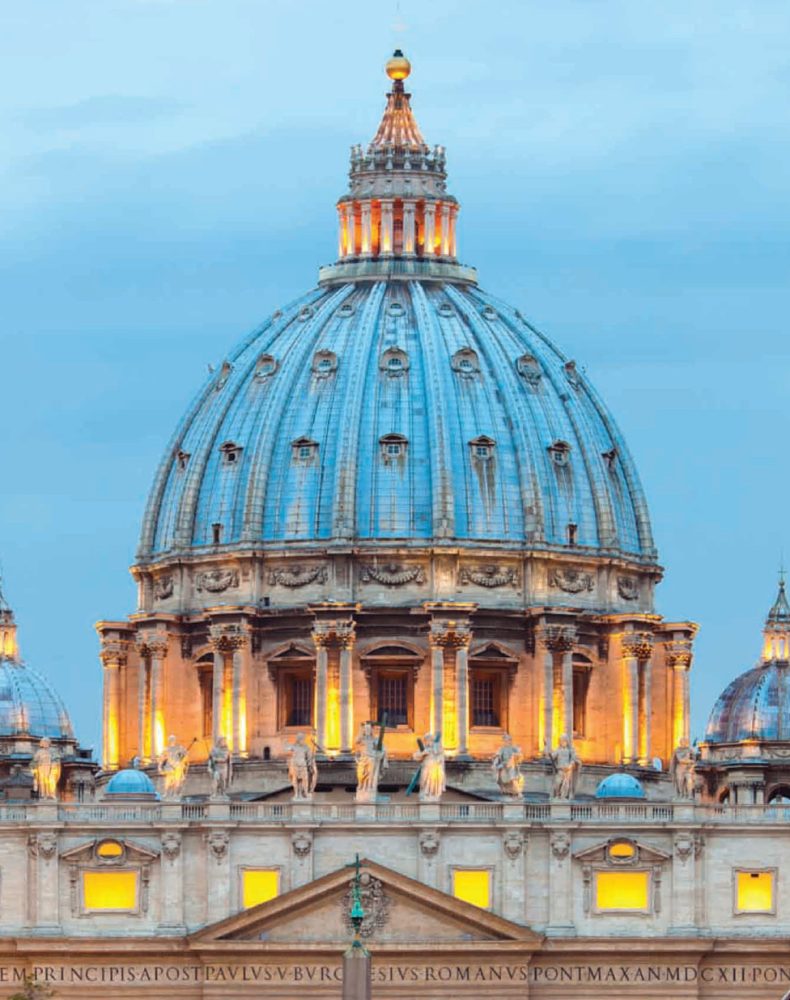
John Cavadini (University of Notre Dame) The Lumen Christi Institute is pleased to cosponsor this lecture, which is part of an annual lecture series on “The Documents of the Second Vatican Council” sponsored by St. Procopius Abbey & Benedictine University. Previous lecturers in this series include Fr. Robert Barron and Francis Cardinal George. This event is free and open to the public. Please contact Fr. Becket Franks, O.S.B. with any questions at bfranks@procopius.org or (630) 829-9253.
Sacred Violence: The Legacy of René Girard
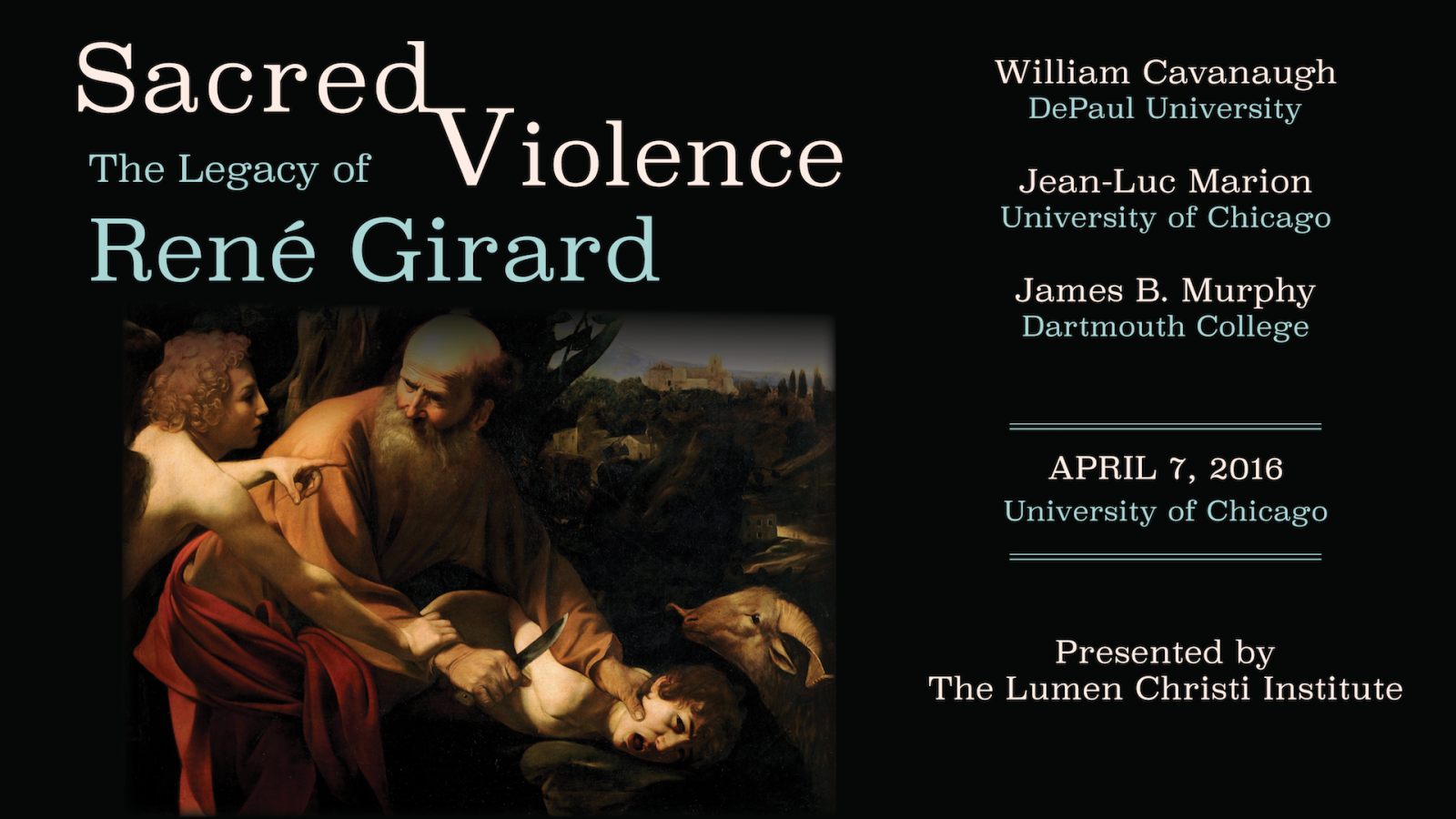
A panel discussion with William Cavanaugh (DePaul University), Jean-Luc Marion (University of Chicago), and James B. Murphy (Dartmouth College) at the University of Chicago on April 7, 2016. René Girard (1923-2015) has been described as the Darwin of the human sciences for his theories of the origin of violence and religion and the imitative character of human behavior (mimesis). His books, among them Violence and the Sacred and Things Hidden since the Foundation of the World, span the fields of Literary Criticism, Psychology, Anthropology, Sociology, History, Biblical Hermeneutics and Theology. While his theories have attracted many devoted disciples, Girard has…
Religious Origins of Modern Science?
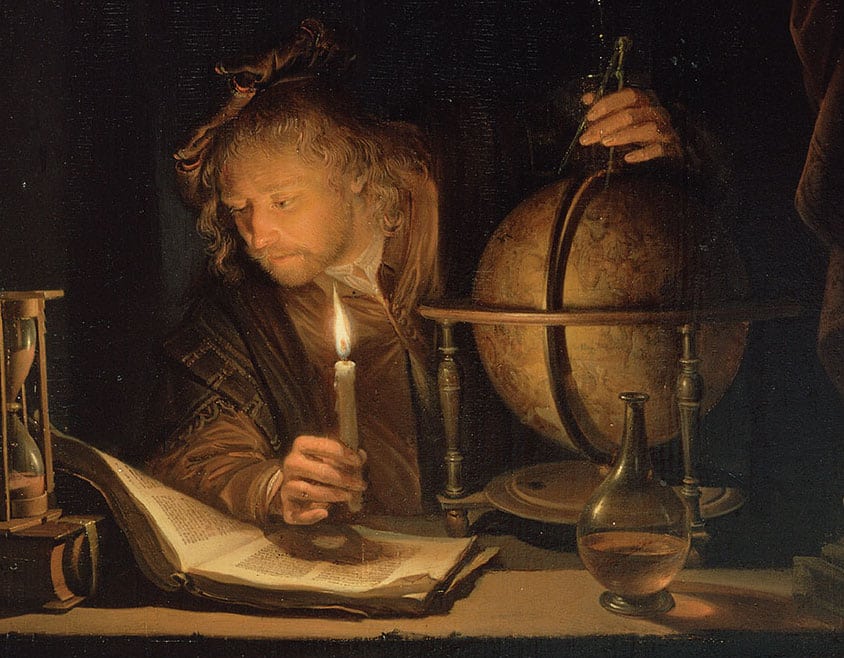
REGISTER HERE Cosponsored by the Department of History and the Committee for the Conceptual and Historical Studies of Science It is often thought that modern science developed largely independently of, or even in opposition to, religion. Some historians, however, have suggested that religious factors played a key role in the emergence of modern science in the seventeenth century, and were important in establishing a permanent and prominent place for scientific activity at the heart of modern Western culture. This lecture explores a number of ways in which religion may have had a positive impact on the emergence and consolidation of…
Catholic and Protestant Reformations and the Genealogy of Modernity
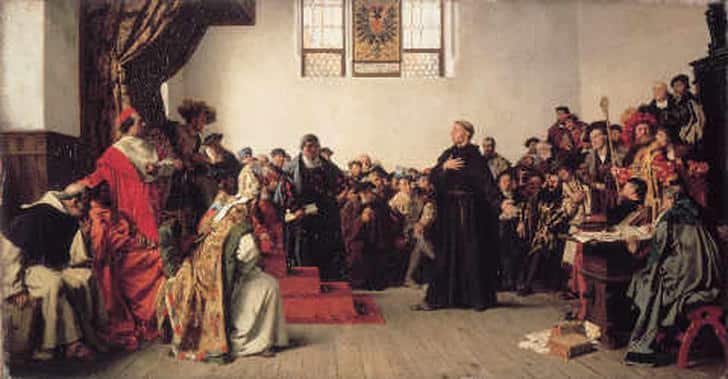
REGISTER HERE Open to current graduate students and faculty At this master class seminar, participants will read and discuss Professor Carlos Eire’s essay “Incombustible Weber: How the Protestant Reformation Really Disenchanted the World” from Faithful Narratives: Historians, Religion, and the Challenge of Objectivity, ed. Andrea Stark and Nina Caputo (Ithaca: Cornell University Press, 2014). A PDF copy of the reading will be provided. This chapter discusses how challenges to traditional beliefs about death and purgatory in the Protestant Reformation caused significant material consequences, triggering a so-called “economic revolution.” Focusing on the issue of secularization in a present-day understanding of Protestant…
Catholic Reform: The Council of Trent and the Catholic Enlightenment
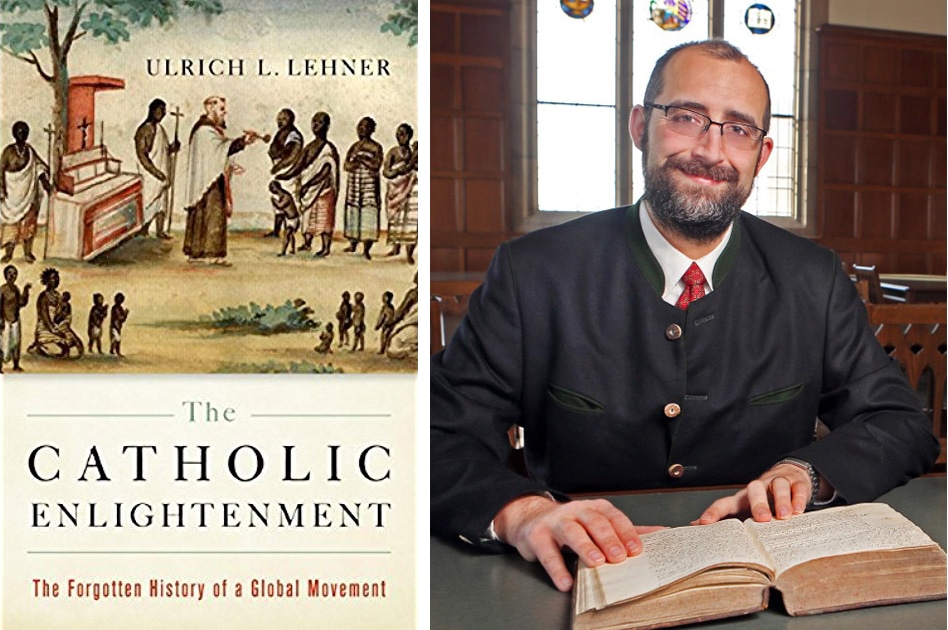
Cosponsored by the Department of Romance Languages and Literatures. About Ulrich Lehner’s recent book The Catholic Enlightenment: “Whoever needs an act of faith to elucidate an event that can be explained by reason is a fool, and unworthy of reasonable thought.” This line, spoken by the notorious 18th-century libertine Giacomo Casanova, illustrates a deeply entrenched perception of religion, as prevalent today as it was hundreds of years ago. It is the sentiment behind the narrative that Catholic beliefs were incompatible with the Enlightenment ideals. Catholics, many claim, are superstitious and traditional, opposed to democracy and gender equality, and hostile to…
Early Modern Catholic Social Teaching and World Order
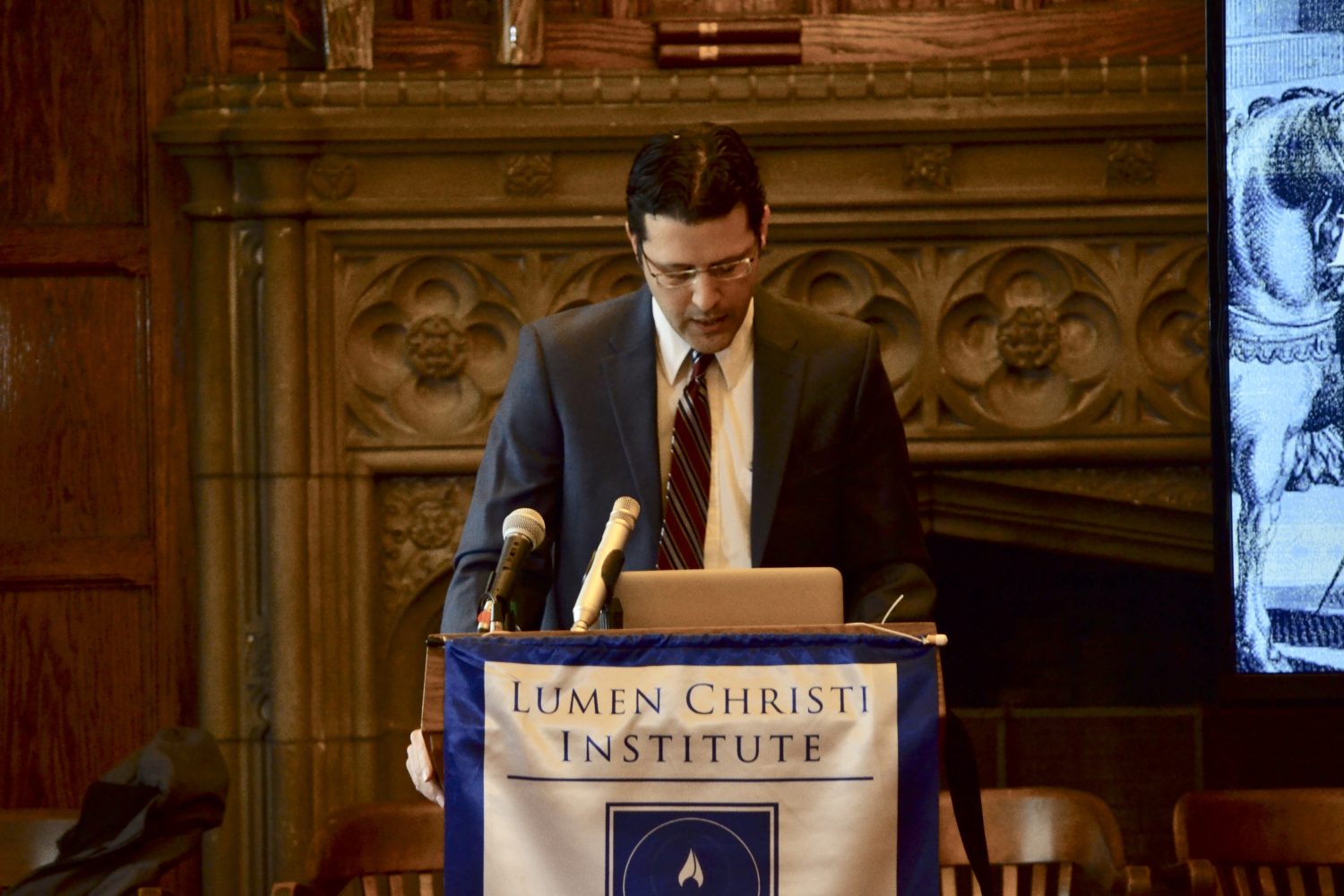
Free and open to the public. Cosponsored by the Center for Latin American Studies, the Early Modern and Mediterranean Worlds Workshop, and the Ethics Club at the Divinity School. Western distrust in liberal internationalism offers an opportunity for renewed theological reflection on the moral foundations of world order. After the Second World War, transitional popes and Thomistic philosophers articulated a Christian vision of supranational society to quicken the support of universal human rights. Their personalist global ethic outlines the contribution of sixteenth-century Spanish theologians who promoted a conception of world order that affirmed the basic rights of believers and nonbelievers…