
Pacem in terris After 50 Years
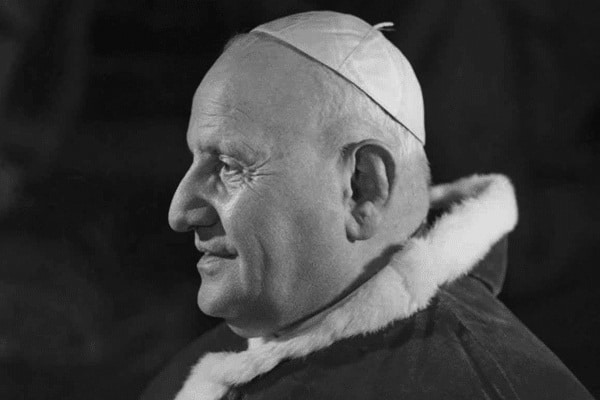
A Public Symposium in Celebration of the 50th Anniversary of Pope John XXIII’s Encyclical on Establishing Universal Peace on Earth KEYNOTE: Roland Minnerath, Archbishop of Dijon RESPONDENTS: Mary Ann Glendon, Harvard Law School Joseph Weiler, New York University Law School Russell Hittinger, University of Tulsa On April 11, 1963, amid the global tensions of the Cold War, and shortly after the erection of the Berlin Wall, Pope John XXIII addressed his famous encyclical Pacem in terris to all people of good will. He invites them to consider the conditions for establishing universal peace on earth in truth, justice, charity, and liberty. On the 50th Anniversary of…
“The Virgin Mary as Model of the Church: From Vatican II to Thomas Aquinas”
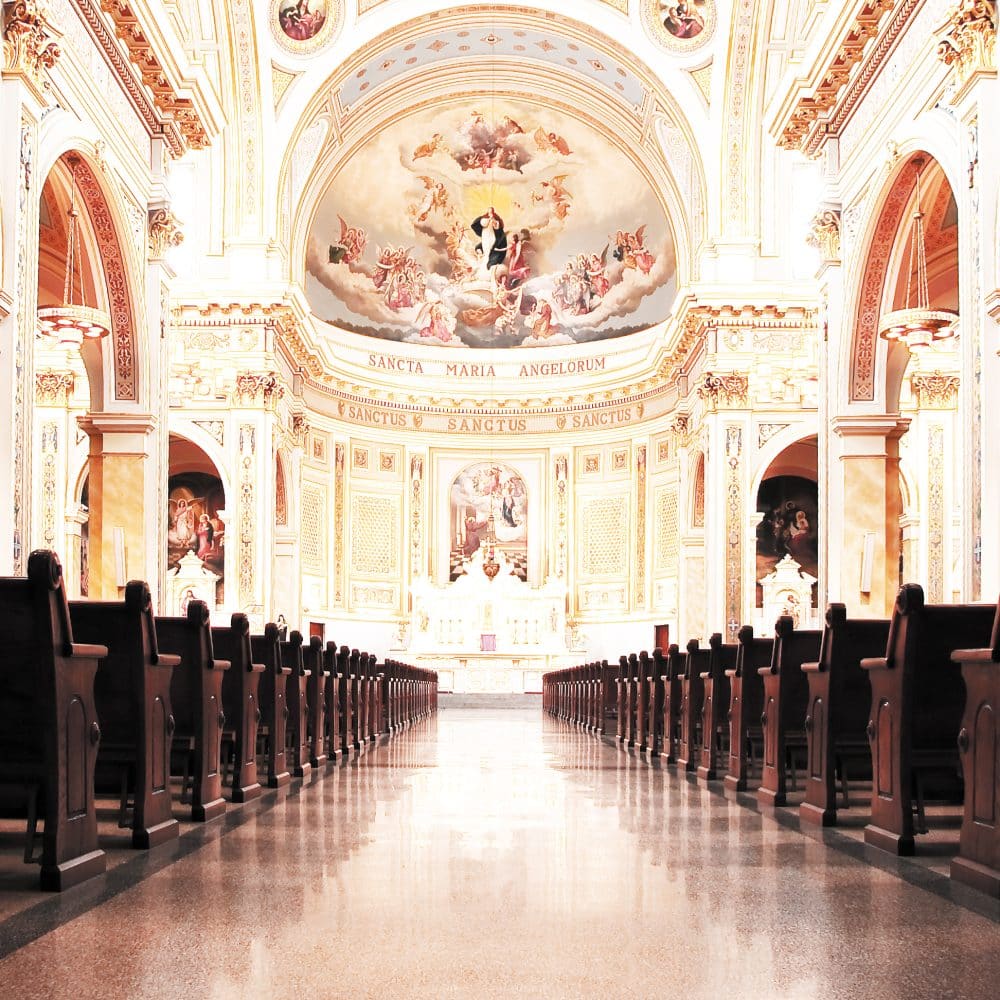
Co-sponsored by the History of Christianity Club The Second Vatican Council insisted that the Virgin Mary is to be understood in light of the Church, and the Church is to be understood in light of the Virgin Mary. Why should the Church seek to recover today a greater emphasis on Marian devotion? How is the Virgin Mary a model of the faith and spiritual life of Christians? Thomas Aquinas provides the basis for a contemporary interpretation of the Council’s Marian teachings.
“Shameless”: The Sense of a Pejorative, from St. Augustine until Now
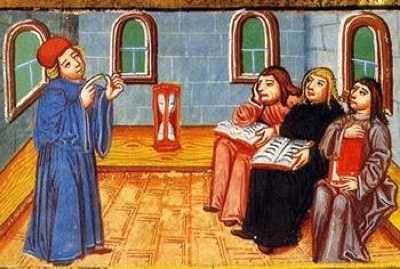
Co-sponsored by the Medieval Studies Workshop Readers interested in the history of Christian writing are often surprised and nonplussed by the uninhibited polemic they find; scholarship often treats such polemics as obviously pathological. This talk takes one common form of medieval denunciation “the habit of calling” certain opinions and practices “shameless,”as a sort of laboratory specimen, showing what it meant, how it worked, and why serious thinkers took to it. It will suggest that the same judgment, in different words, is still part of scholarly discourse today.
“Modern Christian Writers” Non-Credit Course
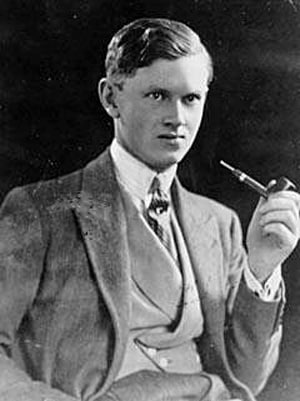
Informal Dinner: 6:00PM Lecture: 6:30PM Intended for University students, faculty, and recent graduates. Others interested in attending, contact info@lumenchristi.org. Addressing his fellow Christians, the author of the Letter to the Hebrews said, “Here we have no abiding city.” Christian writers characteristically view the societies in which they live both from the inside and as strangers or sojourners. This series will treat of a variety of modern authors whose faith made them aliens in their own homelands while giving them insight and sympathy into the dilemmas of their own time. No prior acquaintance with the writers on the part of attendees is…
The Spiritual Nature of Man
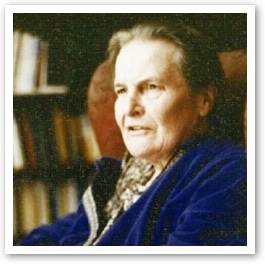
“The Spiritual Nature of Man” Anselm Muller, University of Trier Cosponsored by the Department of Philosophy Are human beings essentially spiritual creatures or can human life be explained entirely by material principles? The great twentieth century philosopher, Elizabeth Anscombe, suggests that we are essentially spiritual beings because we are naturally and consciously oriented beyond our material life toward transcendent norms of truth and goodness. This is the ground of our dignity and value over other, non-spiritual animals.
Jewish & Catholic Approaches to Property & Social Justice
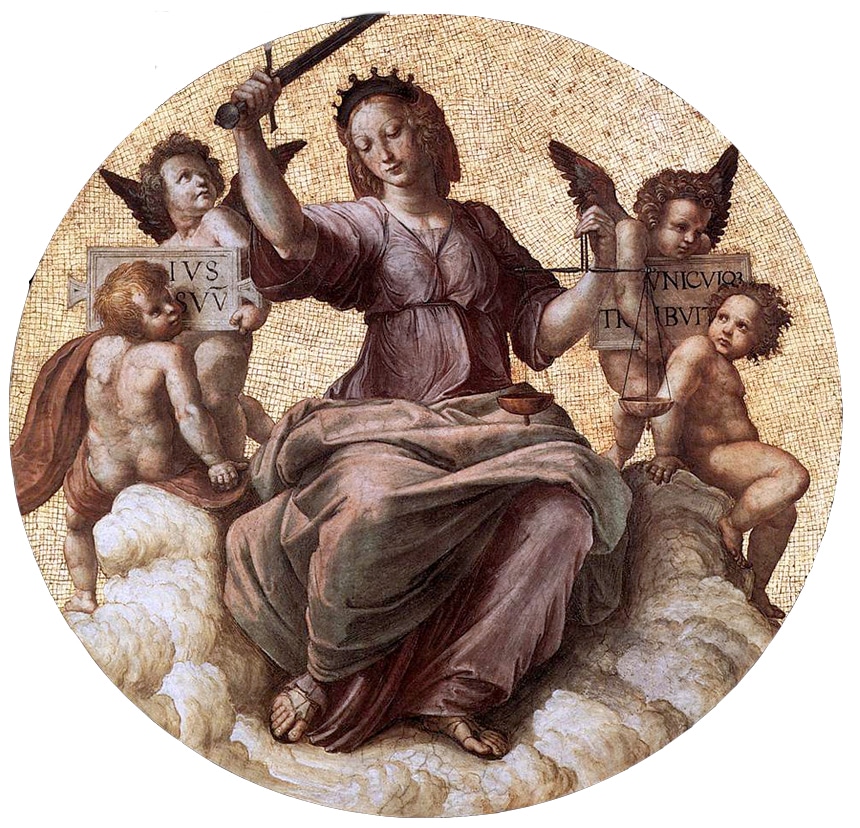
Eduardo Peñalver (University of Chicago Law School) Joseph William Singer (Harvard Law School) REGISTRATION IS CLOSED FOR THIS EVENT 1.5 hours Ethics/Professionalism CLE credit CA, IL and NY. SCHEDULE: 5:00 PM: Registration and Refreshments 5:15 PM: Welcoming Remarks by Craig Martin (Partner, Jenner & Block) 5:20 PM: Introduction by the Hon. Thomas More Donnelly (Associate Judge, Circuit Court of Cook County) 5:25 PM: Presentation by Eduardo Peñalver (University of Chicago Law School) 5:45 PM: Presentation by Joseph William Singer (Harvard Law School) 6:05: Panel Discussion 6:25 PM: Q&A 6:55 PM: Wine and Cheese Reception Both Jewish and Catholic traditions teach that each human being is obliged to attend to the…
“Pacem in Terris after Fifty Years: Lessons for the Middle East?” at Harvard Law School
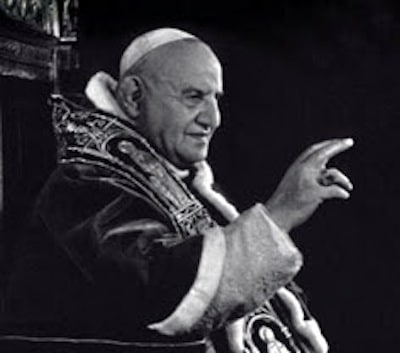
Presenter: Russell Hittinger (University of Tulsa) Respondents: Andrew Bacevich (Boston University) Habib Malik (Lebanese American University) Moderator: Mary Ann Glendon (Harvard Law School) REGISTER HERE On April 11, 1963, amid the tensions of the Cold War, and shortly after the erection of the Berlin Wall, Pope John XXIII addressed his encyclical Pacem in terris to all people of good will. He invites them to consider the conditions for establishing universal peace on earth in truth, justice, charity, and liberty. This symposium will examine the affirmations of Pacem in terris as they bear today on human rights, religious freedom, and the international political and economic…
The Holiness of John XXIII
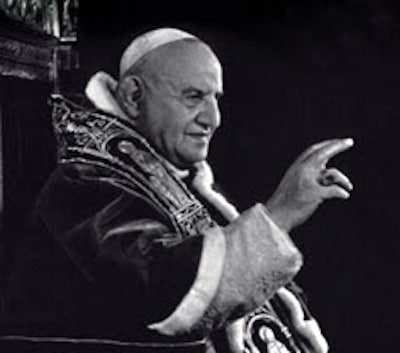
Lawrence Cunningham (University of Notre Dame) REGISTER HERE cosponsored by Calvert House Just days before his canonization in the Catholic Church, this lecture will meditate on the spiritual life of Pope John XXIII (Angelo Roncalli) with special attention to the posthumous publication of his The Journal of a Soul. It will argue that his long pastoral ministry, including those few years in the papal office, derived its energy from a sustained life of prayer seeking the “face of Christ.” The seamless weaving of action and contemplation explains why in his own lifetime he was familiarly known as “Good Pope John.”
Francis the Jesuit: The Sources of Thought of Pope Francis Non-Credit Course
The course will examine selected discourses of Pope Francis against a background of classical and recent Jesuit spiritual writings, beginning with the founder of the Jesuit order, St. Ignatius Loyola, and his contemporaries. No prior familiarity with the subject matter will be presumed. 6:00PM Informal Dinner 6:30PM Presentation Intended for university students and recent graduates. Others interested in attending please contact info@lumenchristi.org.
Master Class on “Thinking on One’s Knees: Von Balthasar and Nasr on Theology and Sanctity”
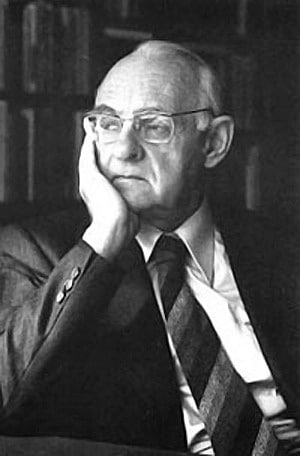
Fr. Raymond Gawronski, S.J. (Dominican School of Philosophy and Theology, Berkeley) REGISTER HERE Open to all graduate and undergraduate students (including non-University of Chicago students). Copies of the readings will be provided. Registration is required as space is limited. Please contact Mark Franzen with any questions. Hans Urs von Balthasar’s distinction between “sitting” and “kneeling” theologies has become paradigmatic. He also thought the split between thinking (dogmatic) and praying (mystical/spiritual) theologies has been the worst tragedy to befall Christianity in its long history. In his Gifford Lectures of 1980-81, Persian born scholar and “perennialist” Seyyed Hossein Nasr surveyed the sweep of Western intellectual history,…