
Reason and Wisdom in Medieval Christian Thought
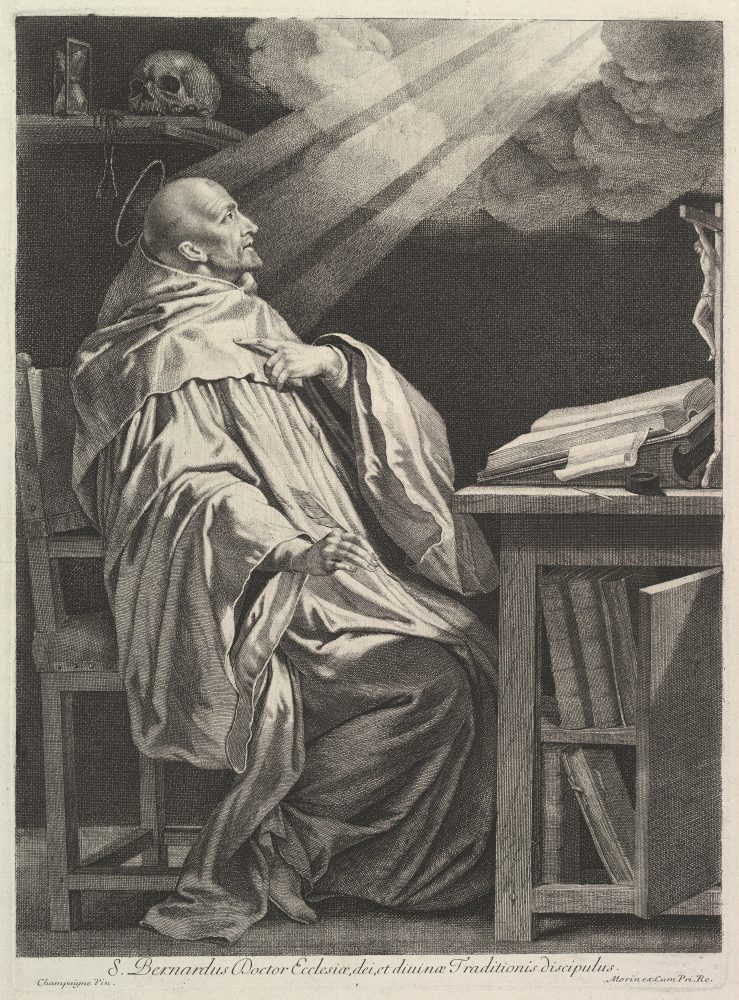
Due to restrictions put in place in response to the spread of COVID-19, our major spring events have been postponed. We are likely unable to host this non-credit course at this time. Stay tuned for updates as we explore our options concrning web-enabled communications. REGISTER HERE 6:00 Dinner | 6:30 Lecture Tuesdays, April 7 – May 26, 2020 This weekly non-credit course is open to current students and faculty. Registrants are free to attend as many sessions as they choose. Sessions do not presuppose previous attendance or prior knowledge of the subject. Dinner is provided. What can reason discover about God? Are…
WEBINAR: On Meister Eckhart
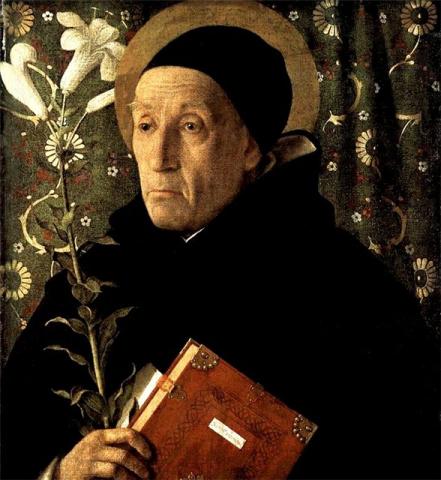
Meister Eckhart (d. ca. 1328) was a famous and popular German mystical writer and preacher. After formal theological training in the University of Paris, following the footsteps of Thomas Aquinas and Bonaventure, Eckhart charted a distinctive mystical dialectical theological in his writings and sermons and drew theological controversy. His thought became an inspiration for a tradition of mystical thought after him and remains a wellspring of religious and theological thought today. Professor Bernard McGinn will introduce the life and some of the principal themes of Eckhart’s enigmatic thought. This lecture is part of our Spring Webinar Series on “Reason and Wisdom in Medieval…
WEBINAR: Christians in Times of Catastrophe: Augustine’s “City of God”
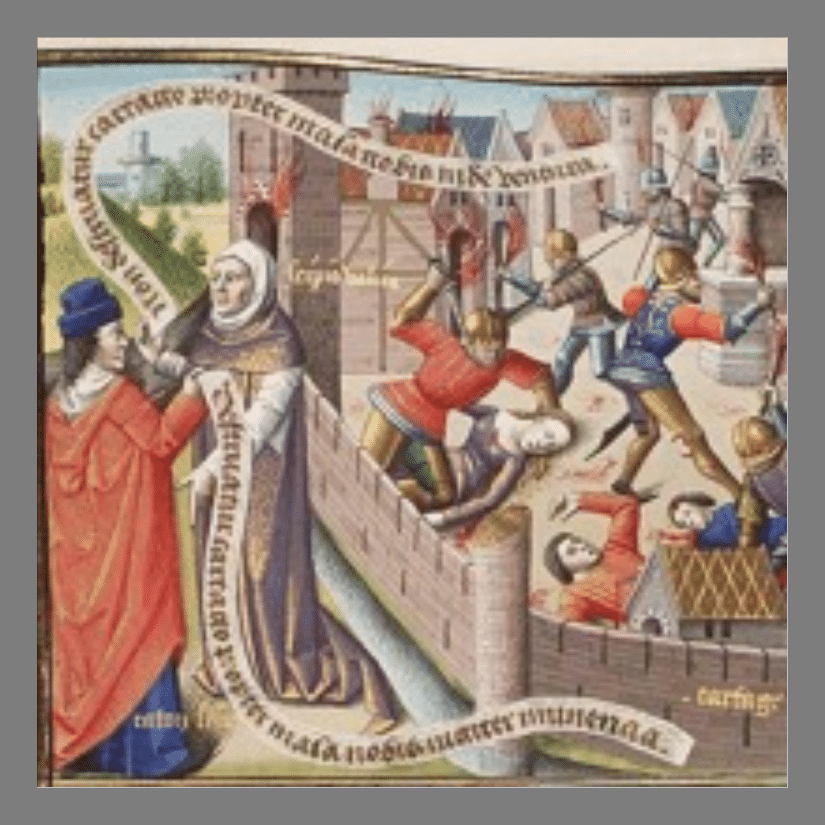
Cosponsored by America Media, the Collegium Institute, the Saint Benedict Institute, the Beatrice Institute, the Nova Forum, the Harvard Catholic Center, the Institute for Faith and Culture, and the Sacred and Profane Love podcast. Augustine of Hippo’s City of God is one of the great theological books of the Christian tradition, laying out a vision of the Church and the Earthly City in parallel and of Christ’s work of salvation in history in the context of the sack of Rome (410) and other calamities. Augustine’s reflections on how Christians can understand and respond to catastrophes has become a wellspring in the Christian intellectual tradition…
WEBINAR: Nicholas of Cusa
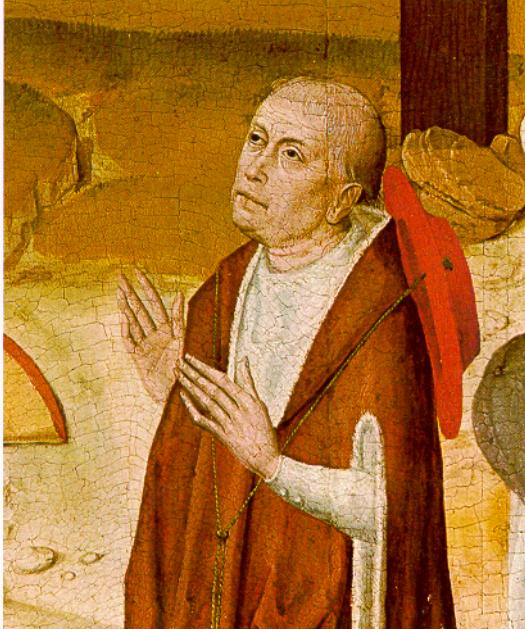
For the final installment of our Spring 2020 lecture series on “Reason and Wisdom in Medieval Christian Thought,” Professor David Albertson leads us in exploring the work of German philosopher, theologian, astronomer, and mystic, Nicholas of Cusa. Nicholas of Cusa (d. 1464) was a great late medieval, early modern thinker and polymath who digested the medieval theological and contemplative traditions and pressed these in new directions. Living in tumultuous times, his career in the Church as a cardinal was occupied by his work as a reformer and his efforts to re-unify the Eastern and Western Churches. Professor David Albertson will offer an introduction…
God and Morality: Francisco Suarez’s Reading of Thomas Aquinas
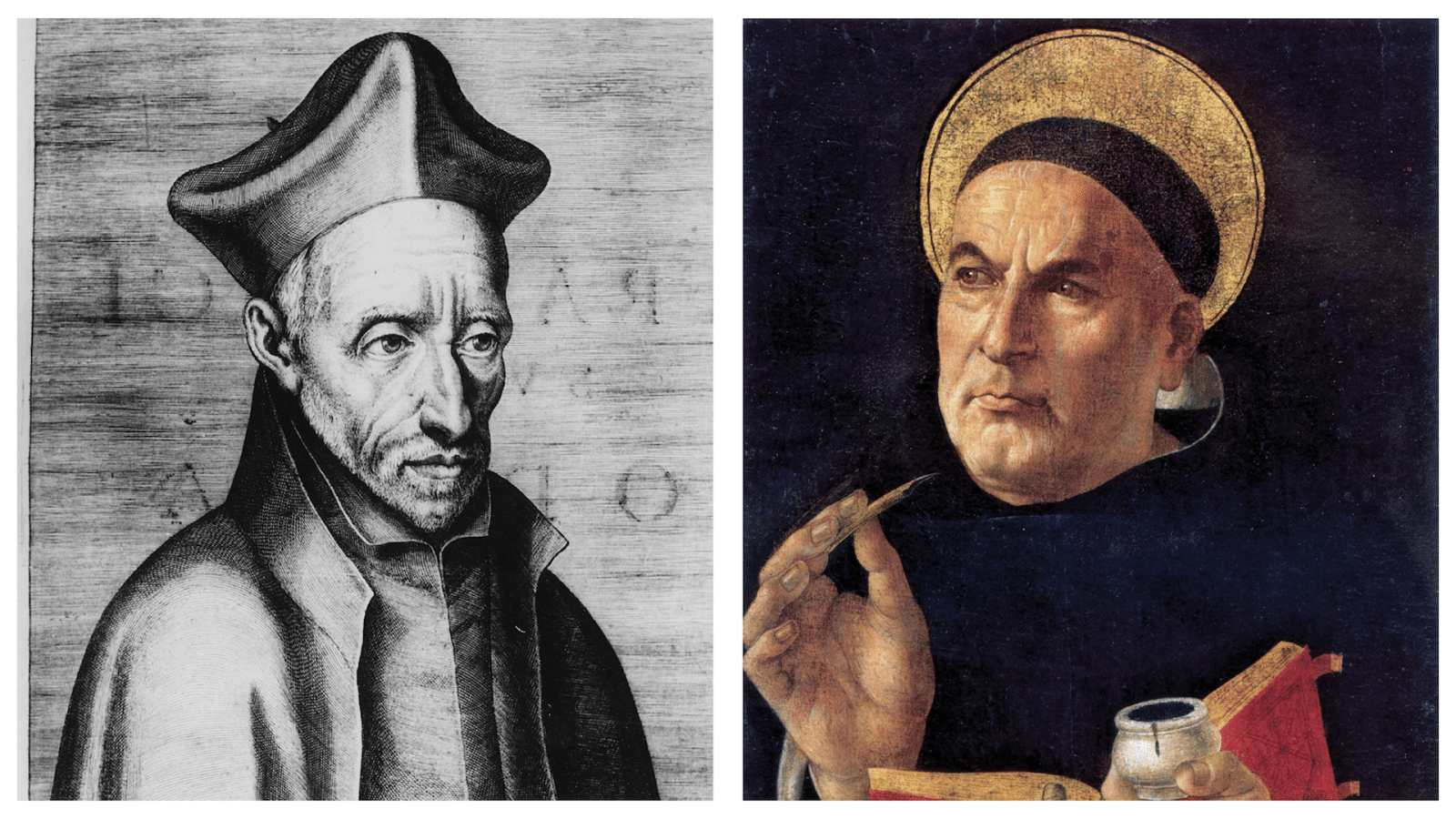
Registration is full. Please contact us if you would like to be put on the waitlist. This master class is open to current graduate students. It will take place online on Zoom. Others interested in participating should contact us. Are wrong actions wrong only because the law of God forbids them, or does it forbid (at least some of) them because they are wrong in themselves? Francisco Suárez famously answers this Euthyphro-like question in a way that steers between rationalism and divine voluntarism. He takes it to be Saint Thomas Aquinas’s way, and so do many after him. In this master class,…
Master Class on Yves Simon on Natural Law
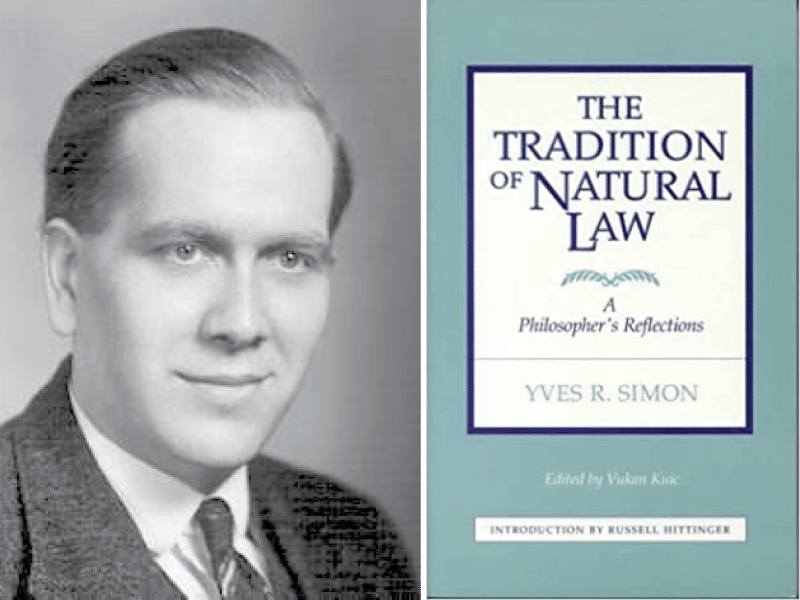
A FOLLOW UP MASTER CLASS ON PART 2 OF THE BOOK WILL BE HELD ON JANUARY 15. Open to current graduate students. It will take place online on Zoom. Copies of the readings will be provided. Others interested in participating should contact us. Join us for a master class on Yves Simon’s The Tradition of Natural Law: A Philosopher’s Reflections (Fordham University Press, 1999). You can watch Professor Hittinger’s lecture on Part 1 of the book here. ABOUT THE BOOK The tradition of natural law is one of the foundations of Western civilization. At its heart is the conviction that there is an…
Master Class on Yves Simon on Natural Law, Part 2
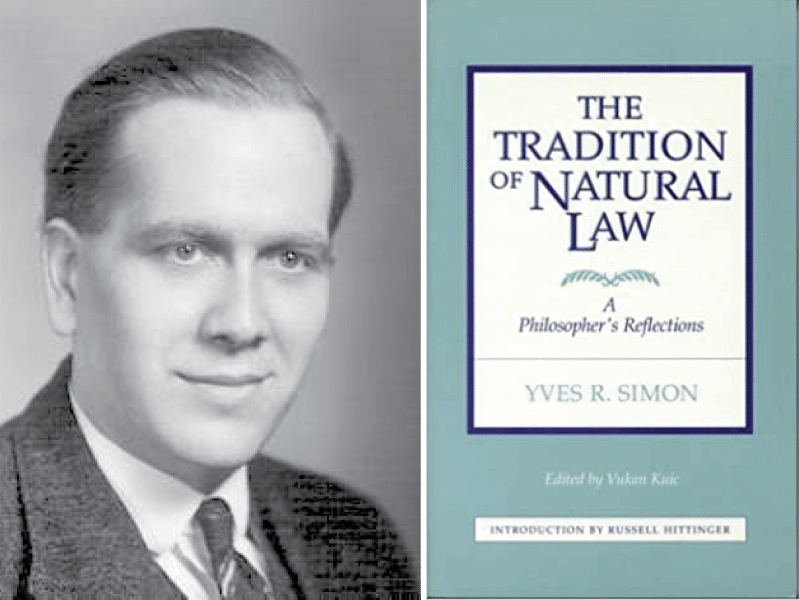
Open to current graduate students. It will take place online on Zoom. Copies of the readings will be provided. Others interested in participating should contact us. Join us for a master class on part II of Yves Simon’s The Tradition of Natural Law: A Philosopher’s Reflections (Fordham University Press, 1999). ABOUT THE BOOK The tradition of natural law is one of the foundations of Western civilization. At its heart is the conviction that there is an objective and universal justice which transcends humanity’s particular expressions of justice. It asserts that there are certain ways of behaving which are appropriate to humanity simply by virtue…
Pledges of the Saints: The Cult of Relics in the Catholic Tradition
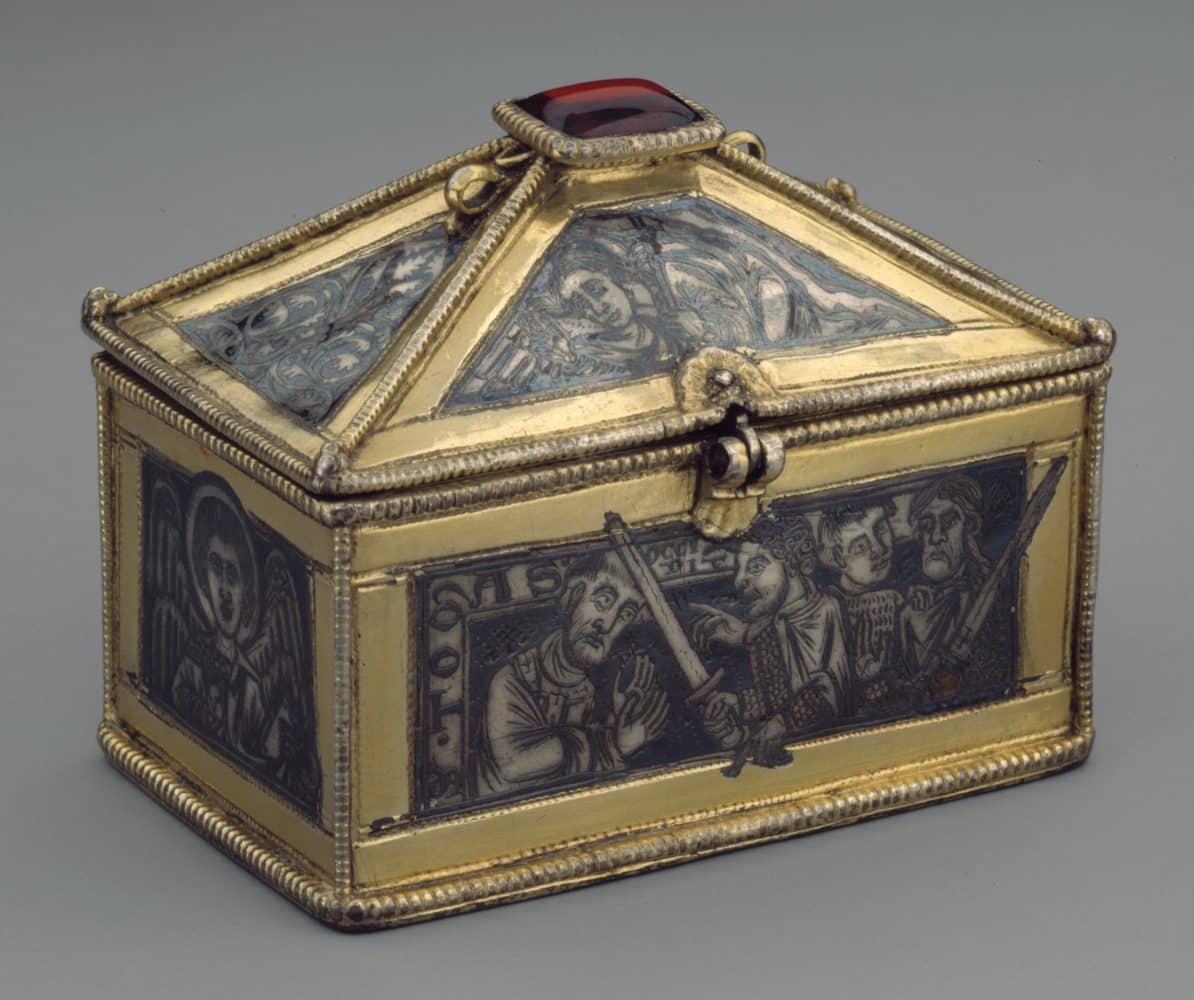
This event is co-presented with the Bollandist Society. This event is co-sponsored by America Media, the Collegium Institute, the Harvard Catholic Forum, the Jesuit School of Theology of Santa Clara University, the Nova Forum, the Institute for Advanced Catholic Studies at USC, the Saint Benedict Institute, and the Hank Center for the Catholic Intellectual Heritage. The physical remains of saints are often referred to as pignora, that is, as security deposits or pledges of the continued concern that the saints, although in heaven, continue to show for those who venerate them. In this lecture will discuss the origin of the cult of…
Conscience and Human Rights in Thomas Aquinas and Some Predecessors
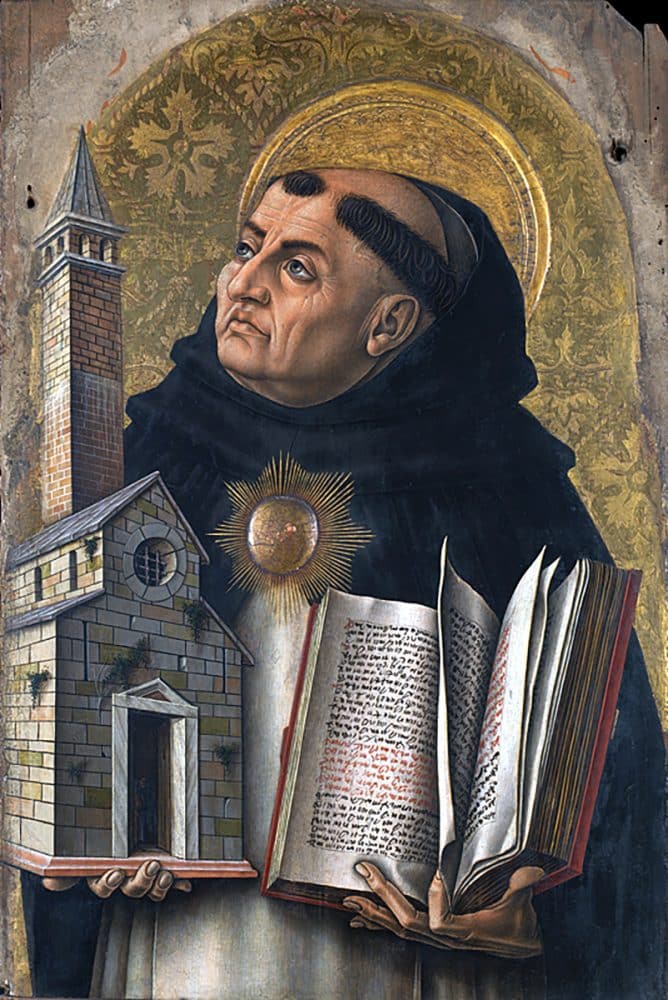
Free and open to the public. Registration is required. Contact us with any questions. Note the time for this event has been changed from 4:30 p.m. to 5:00 p.m. In discussions of the history of the philosophy of human rights, typically a distinction is made between theories that understand rights as objective and those that understand them as subjective (or, to use a more contemporary term, more “personalistic”). This talk relates this issue to the history of reflection, especially by Christian thinkers leading up to the thirteenth century, regarding conscience. It argues ultimately that Thomas Aquinas’s understanding of conscience, influenced as…
The Doctrine of Salvation in Nicholas Cabasilas’s “Life in Christ”
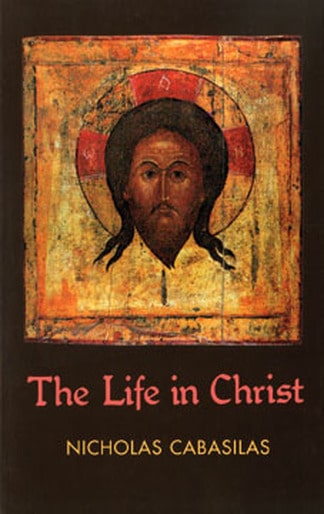
THIS IS AN IN-PERSON EVENT. Open to current graduate students and University of Chicago Undergraduates. Others who are interested in participating should contact us. Copies of Life in Christ will be provided for registrants. Life in Christ “originates in this life and arises from it. It is perfected, however, in the life to come, when we shall have reached the last day. It cannot attain perfection in men’s souls in this life, nor even in that which is to come without already having begun here.” So writes the 14th century Greek theologian Nicholas Cabasilas in The Life in Christ. This work is a classic, synthetic presentation…