
Book Symposium on “Francis of Assisi: A New Biography
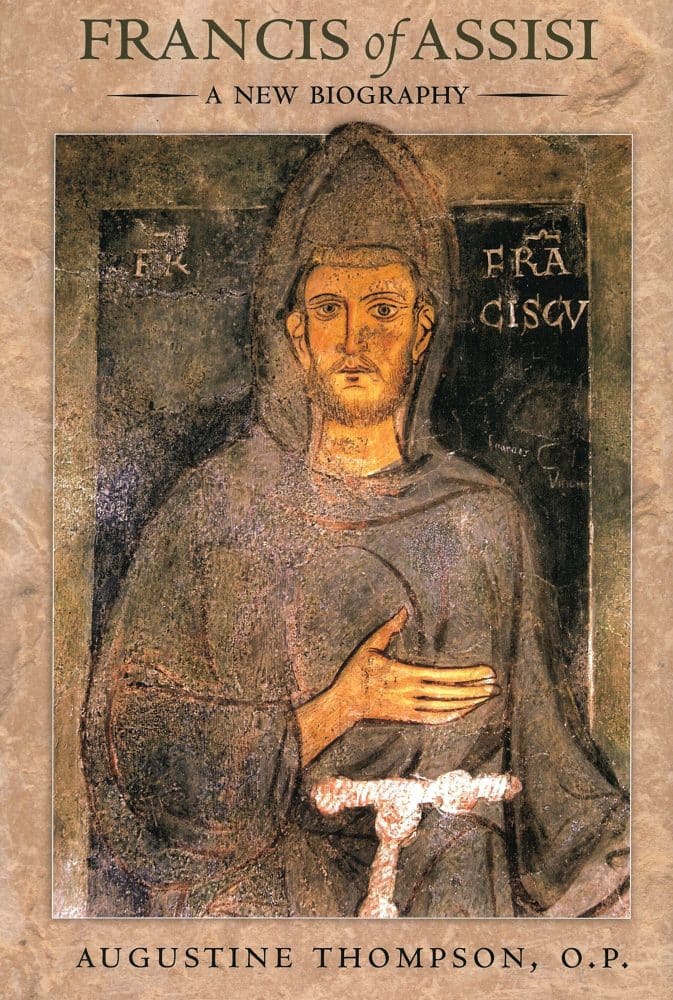
Cosponsored by the Department of History and the Medieval Studies Workshop with Augustine Thompson, O.P., Dominican School of Philosophy and Theology, Berkeley Karen Scott, DePaul University Lawrence Cunningham, University of Notre Dame In this authoritative and engaging new biography, Augustine Thompson, O.P., sifts through the surviving evidence for the life of Francis using modern historical methods. The result is a complex yet sympathetic portrait of the man and the saint. Francis emerges from this account as very much a typical thirteenth-century Italian layman, but one who, when faced with unexpected crises in his personal life, made decisions so radical that they…
“Francis of Assisi: Lost Between Myth and History”
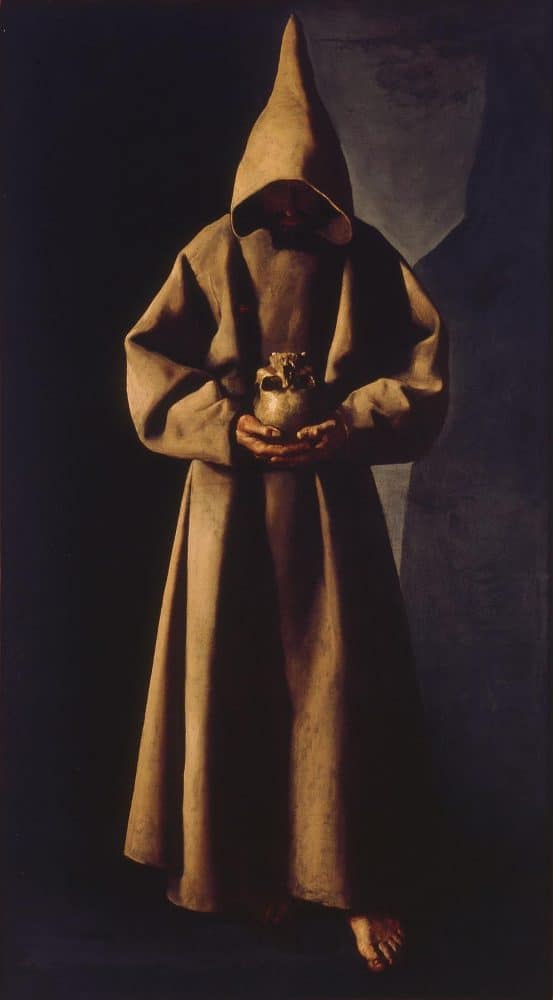
Cosponsored by the Department of History and the Medieval Studies Workshop Among the most beloved of saints, Francis of Assisi is celebrated for his dedication to poverty, his love of nature, and his desire to follow perfectly the teachings and example of Christ. His followers compiled numerous, often legendary, accounts. The man and his own concerns seem lost to view. Fr. Augustine Thompson, O.P. will speak on the “Quest for the Historical Francis” and attempt to portray beyond the legends the man who was Francis of Assisi.
Master Class on St. Francis of Assisi: “How to Write a Biography of a Medieval Saint”
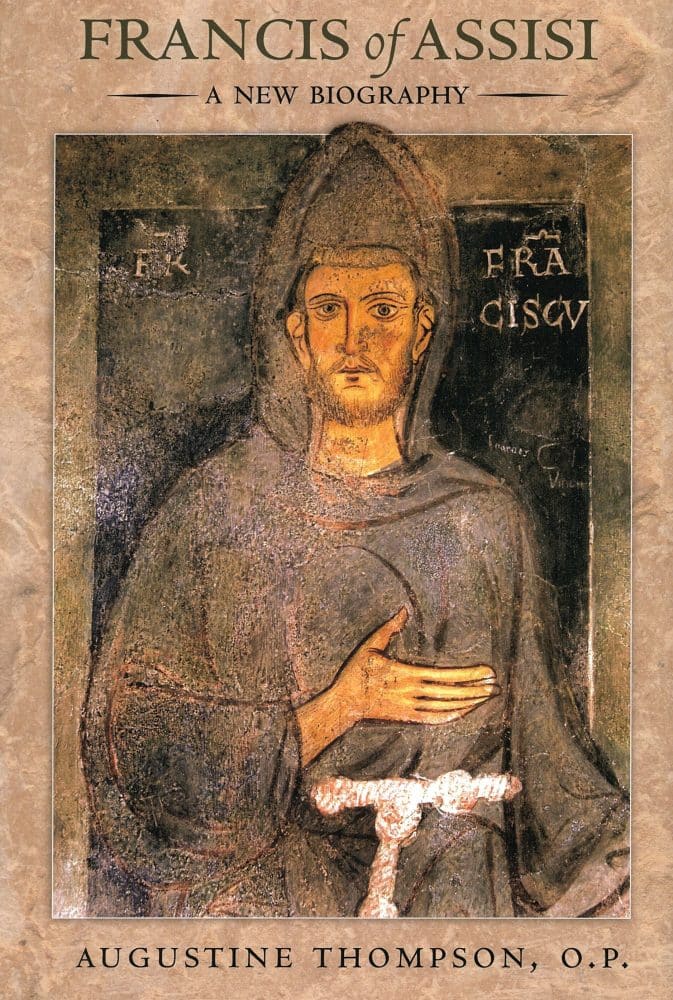
Cosponsored by the Medieval Studies Workshop In his new book, Francis of Assisi: A New Biography, Augustine Thompson, O.P., sifts through the surviving evidence for the life of Francis using modern historical methods. The Francis who emerges here is both more complex and more conflicted than that of older biographies. This one-day master class will consider whether the historical Francis can be recovered from countless modern and medieval appropriations and compare Fr. Thompson’s biography on Francis’s early life with a variety of biographical sources. Among the most beloved saints in the Catholic tradition, Francis of Assisi (c. 1181-1226) is popularly remembered…
“The Capacious Mind of St. Thomas”
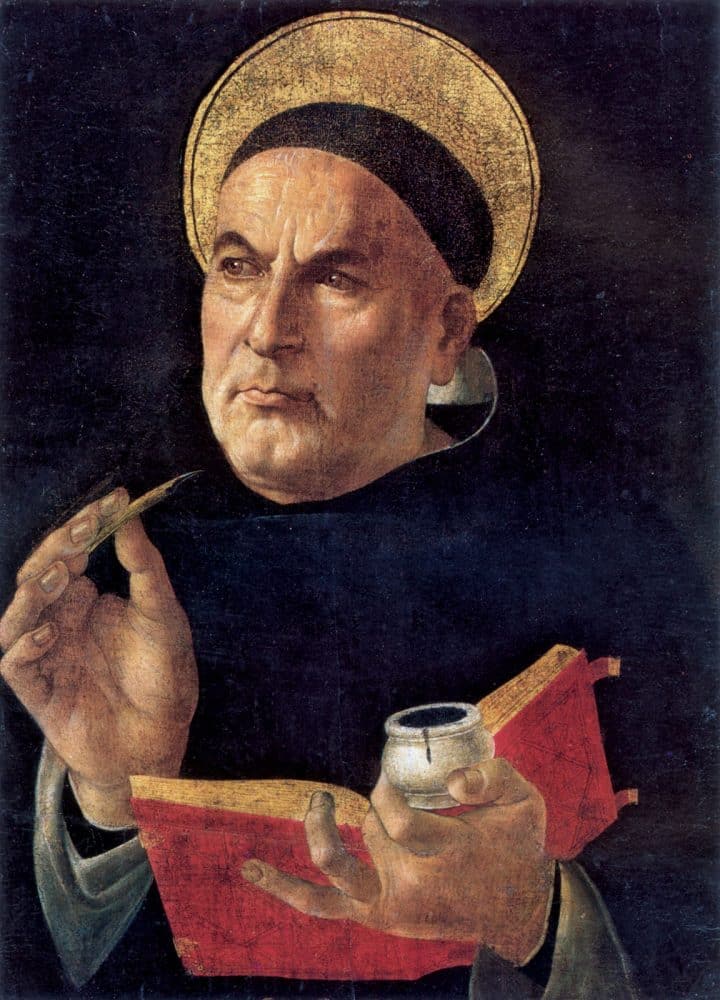
Co-Sponsored by the Medieval Studies Workshop The thought of Thomas Aquinas, especially as it bears upon human action, leads one to make difficult choices. Aquinas insists that a lie even to save the life of another is always a sin. He also insists that one ought not ever by means of a direct act to take the life an innocent human being. Understanding Thomas’s capacious mind” and the nature of the acts in question held us to understand why we should follow him in these matters.
“The Careful Rationality of Monotheism: Thomas Aquinas on Analogical Knowledge of God”
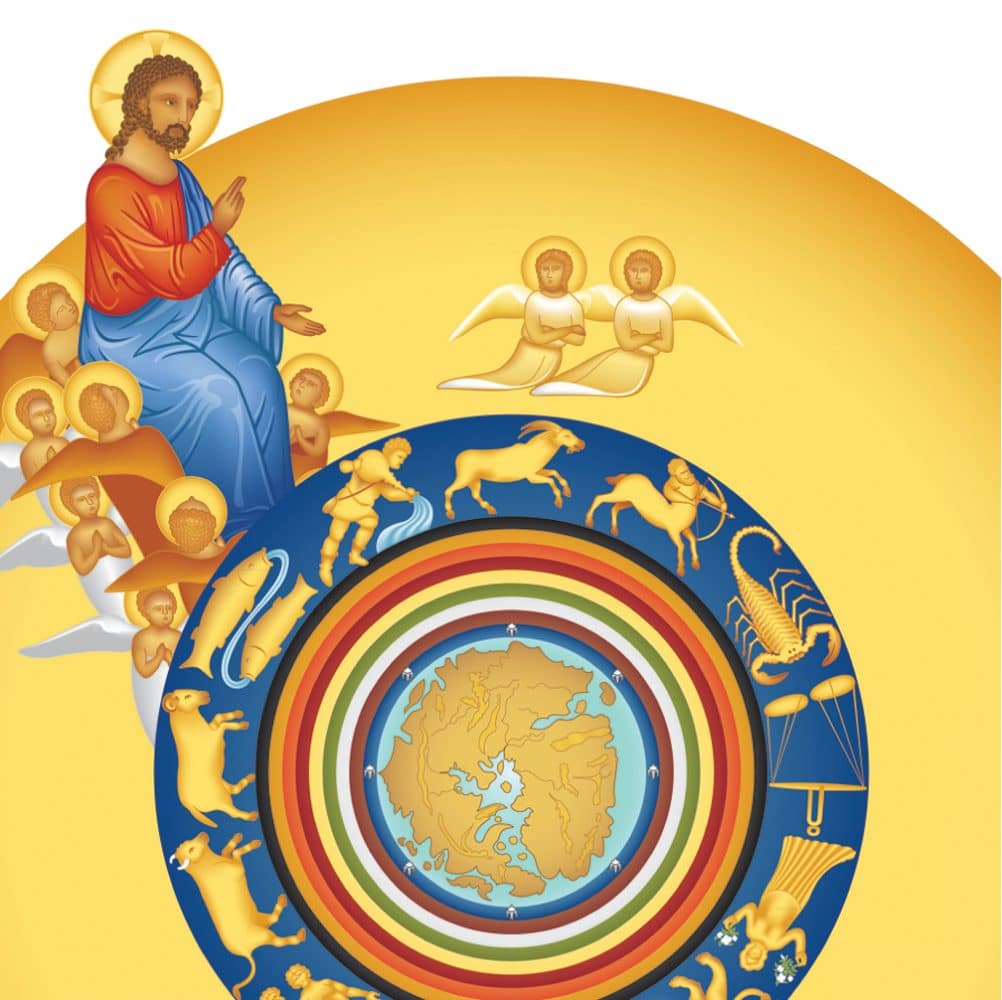
Co-sponsored by the Medieval Studies Workshop How can philosophers speak about God in a reasonable fashion? Does speech about God exceed the capacities of human reason? In responding to these questions, Thomas Aquinas develops a path between the extremes of apophaticism (rejecting the applicability of human language to God) and rationalistic optimism. This lecture will argue for the validity of Thomist doctrine of divine naming and its relevance to contemporary debates in analytic theism and to Heidegger’s critique of onto-theology (the theology of being).
“Shameless”: The Sense of a Pejorative, from St. Augustine until Now
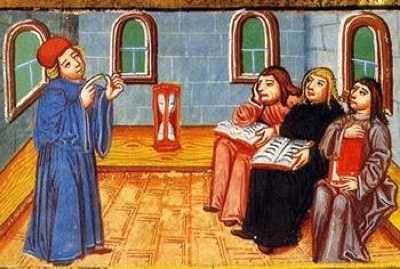
Co-sponsored by the Medieval Studies Workshop Readers interested in the history of Christian writing are often surprised and nonplussed by the uninhibited polemic they find; scholarship often treats such polemics as obviously pathological. This talk takes one common form of medieval denunciation “the habit of calling” certain opinions and practices “shameless,”as a sort of laboratory specimen, showing what it meant, how it worked, and why serious thinkers took to it. It will suggest that the same judgment, in different words, is still part of scholarly discourse today.
Master Class on The Cloud of Unknowing
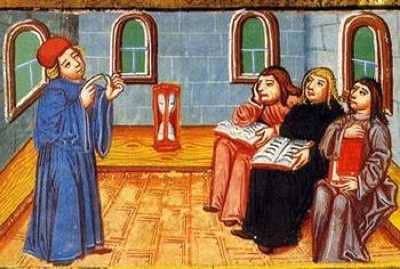
Co-sponsored by the Medieval Studies Workshop This master class is intended for graduate and advanced undergraduate students. If you have any questions, please contact Mark Franzen at mfranzen@lumenchristi.org. The Cloud of Unknowing is a work of spiritual counsel, a guide to a kind of contemplation, by a fourteenth-century English author, now unnamed but with several other works to his credit. It is a recognized masterpiece: serious, brilliant intellectually, and in literary terms cunning and audacious. It is easy to understand but hard to explain: making sense of its doctrine is not difficult, but making sense of what is means by that doctrine,…
The Interior Castle of St. Teresa of Avila: A Map for our Spiritual Journey
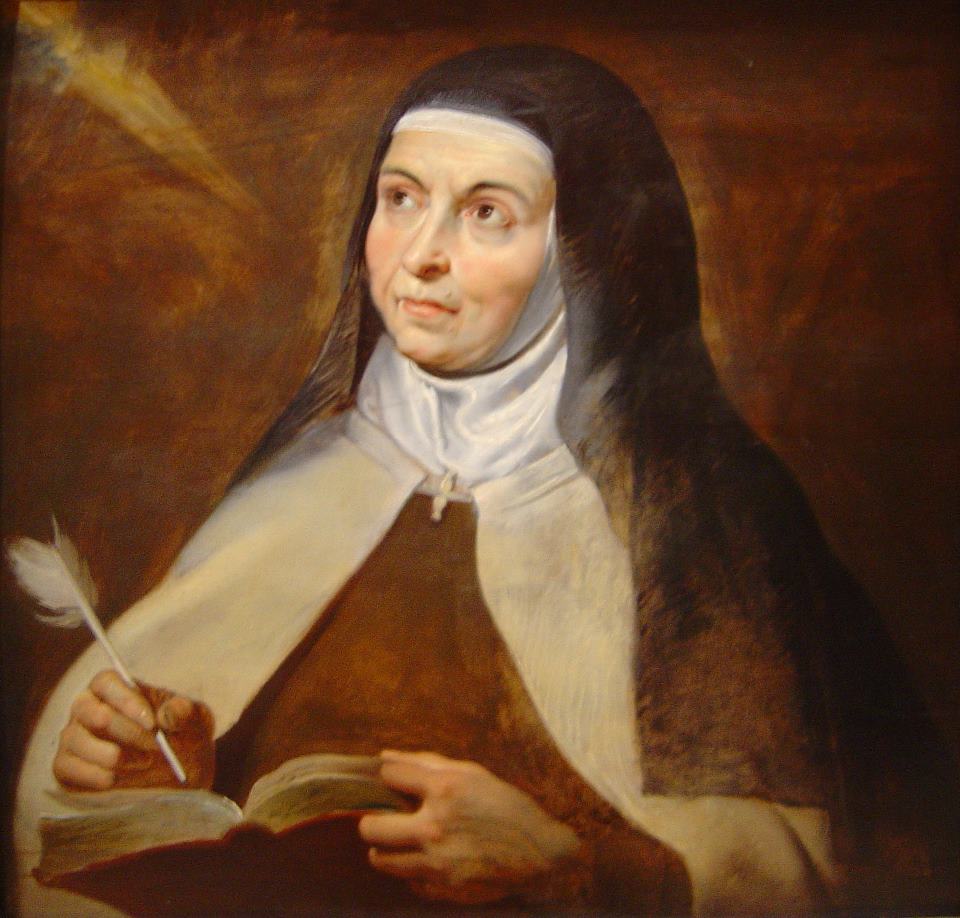
Long before developmental psychologists charted the seasons and passages of our human journey, St. Teresa of Avila mapped the transformation of her personality under the impact of God’s love in 16th century Spain. At age 62, this Carmelite nun wrote The Interior Castle, a classic summary of her prayer experience. She images the soul’s journey through a crystal castle to its center, culminating in intimate union with God. This lecture is cosponsored by the History of Christianity Club and made possible by a grant from the Carmelite Friars at St. Thomas the Apostle.
Bernard of Clairvaux, the Last of the Fathers and the End of the Middle Ages
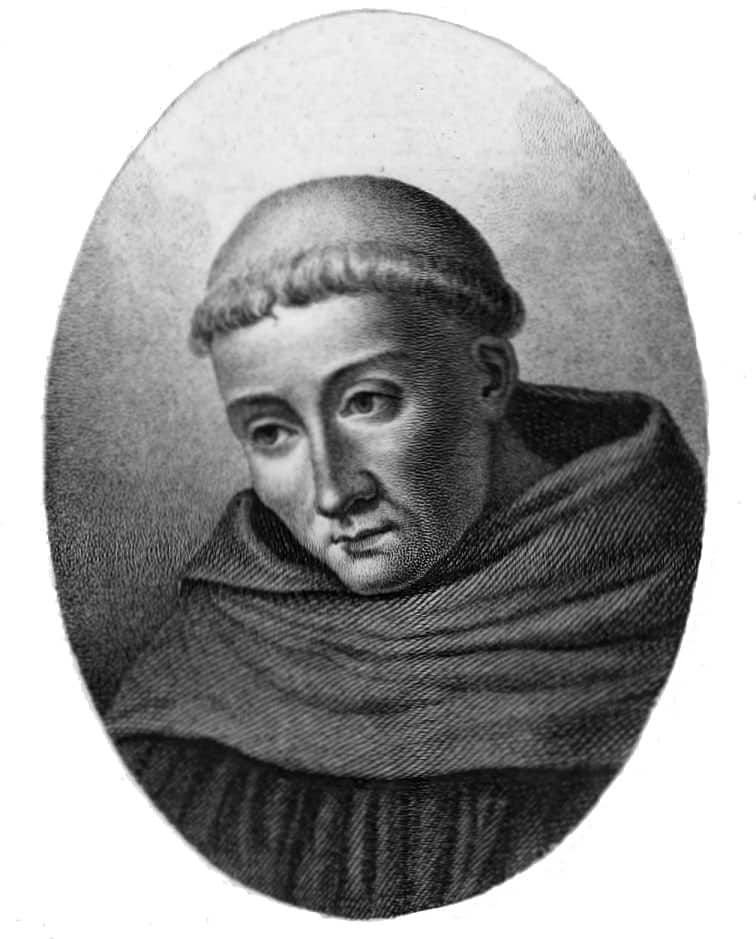
Cosponsored by The Medieval Studies Workshop and The Theology Workshop The 12th century monastic reformer Bernard of Clairvaux recruited hundreds of young men to the cloister or claustrum (enclosure) of Cistercian monastic life. The rhythm of life in the monastic enclosure not only rules the structured existence of the monks but also alters their experience of time from linear to circular while maintaining the goal of the world to come. Bernard’s eloquent insistence on this way of life represents the end of an era and, to an extent, the end of the Middle Ages.
Exile and the canzone in Dante’s Earthly Paradise
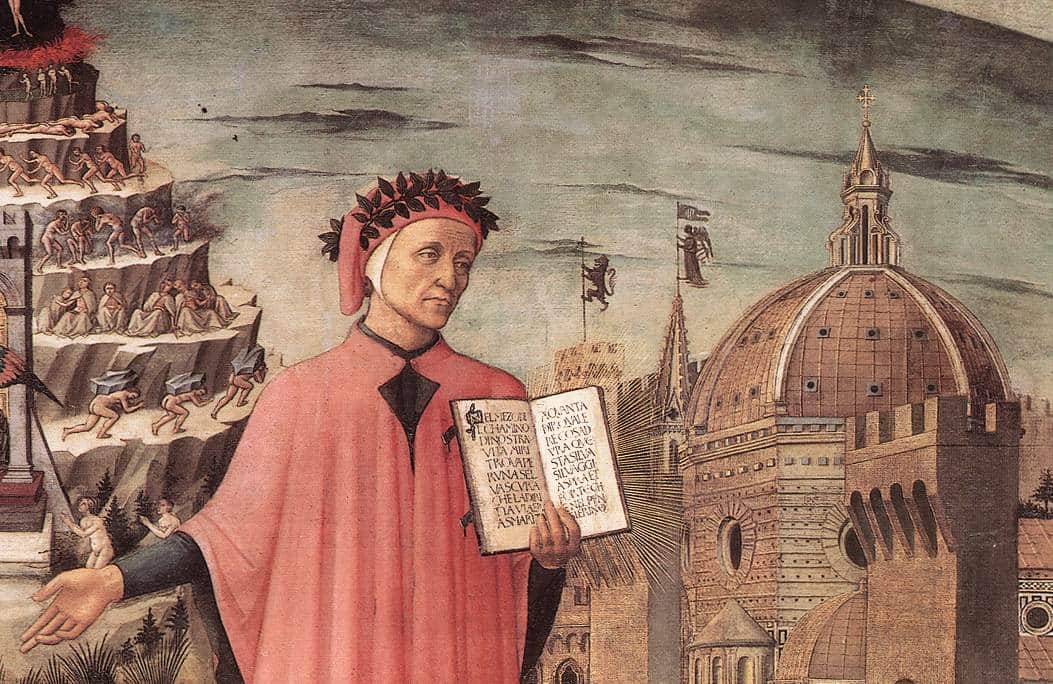
Cosponsored by the Department of Romance Languages & Literatures and the Medieval Studies Workshop Often considered the greatest work of Italian literature, Dante’s Divine Comedy depicts the exiled soul’s journey to God. At the end of thePurgatorio, Dante reaches the Garden of Eden. But, despite the setting of earthly paradise and the reappearance of the poet’s youthful love Beatrice, the protagonist finds remorse in Eden rather than triumph. The Earthly Paradise cantos can be understood as a reclaiming of Dante’s former identity of spiritually exiled lyric poet, wherein both poet and poem exist in a relationship of exile to the world that receives them.