
COVID and the Color Line: Race, Religion, and Public Health
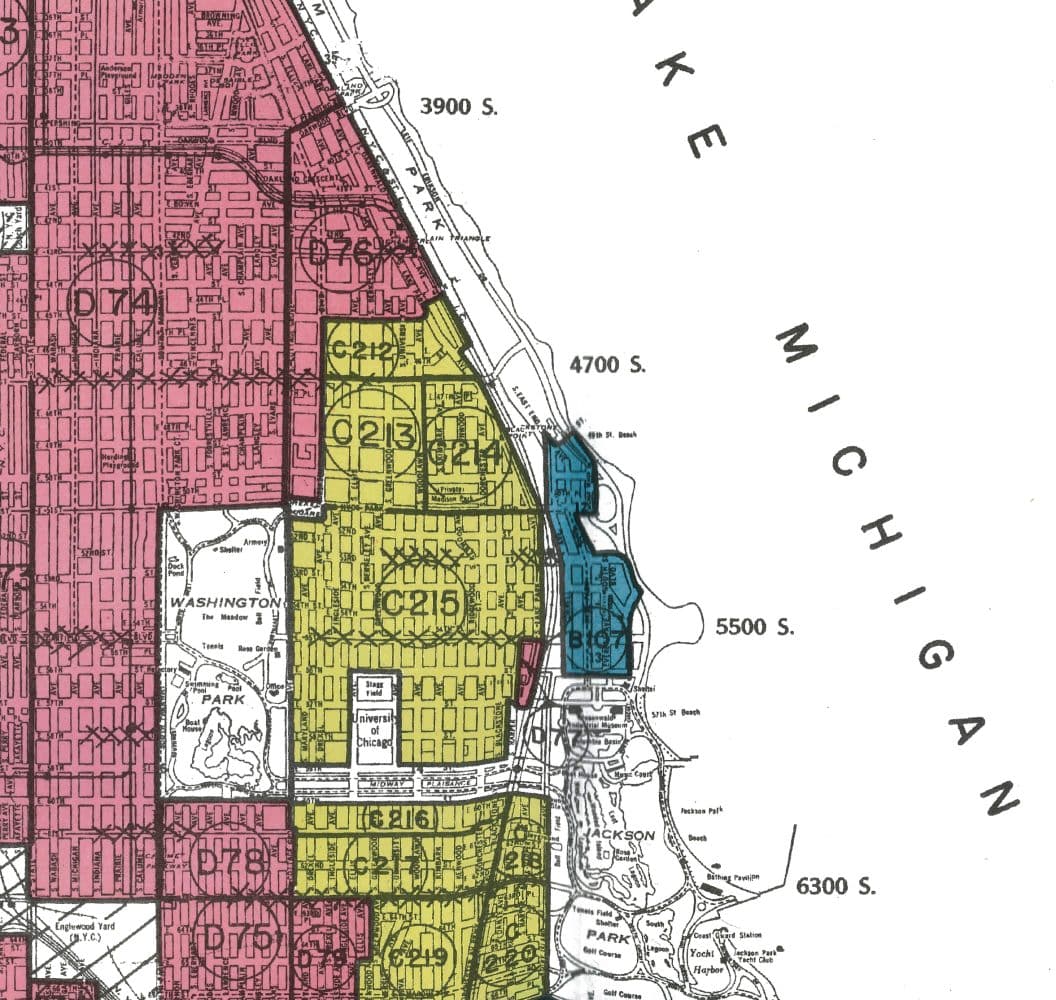
A conversation with Yolonda Wilson (Howard University), Shawnee Daniels-Sykes (Mount Mary University), and Utibe Essein (University of Pittsburgh, School of Medicine), moderated by Vincent Lloyd (Villanova University). Co-organized with the International Academy for Bioethical Inquiry. Cosponsored by America Media and the Gnaegi Center for Health Care Ethics Free and open to the public. The event will be held online over Zoom and will be livestreamed on YouTube. COVID-19 has been described as a great equalizer, affecting all Americans alike. Yet, data collected throughout the pandemic has revealed startling disparities, particularly with communities of color being disproportionately impacted by the virus, suffering from both higher infection…
Pondering Hiroshima
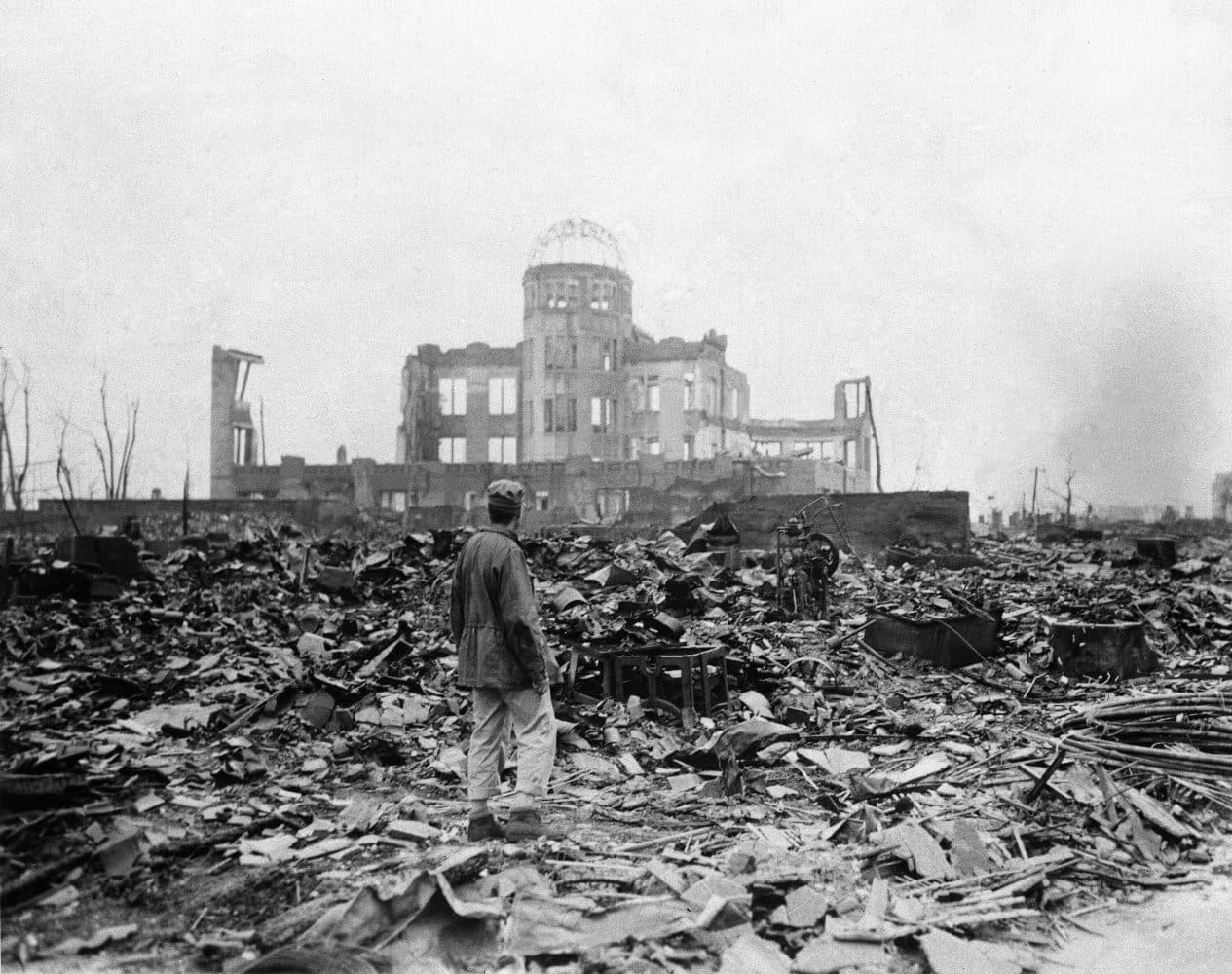
Cosponsored by America Media, the Berkley Center for Religion, Peace, and World Affairs at Georgetown University, and the Institute for Human Ecology at the Catholic University of America. Free and open to the public. The event will be held online over Zoom and will be livestreamed on YouTube. Registrants will also get a specially created booklet drawing on the archives of America Magazine’s coverage of Hiroshima from the past 75 years. On August 6th and 9th, 1945, the United States dropped atomic bombs on Hiroshima and Nagasaki. The bombs destroyed the cities in a flash, and ultimately killed approximately 200,000 people. The Second World…
Fratelli Tutti: Engaging Pope Francis’s New Encyclical on Social Friendship
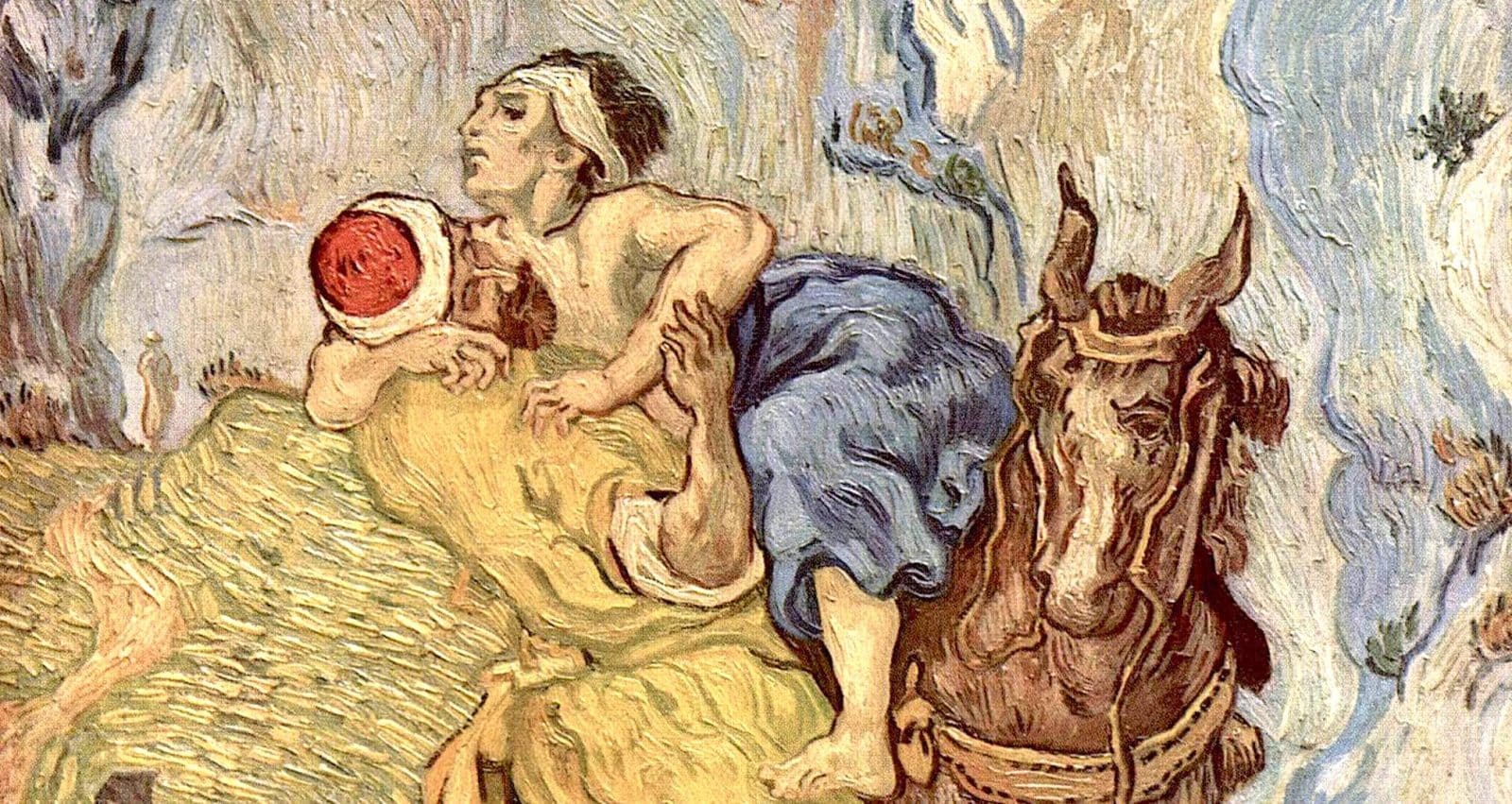
Free and open to the public. Cosponsored by the Institute for Human Ecology at Catholic University of America and America Media. The event will take place online over Zoom and YouTube livestream. Who is my neighbor? Who is my brother and sister? Drawing on central gospel themes found in the Good Samaritan narrative, Pope Francis applies them to the whole “human family,” proposing that the logic of social friendship and neighborly love move beyond the personal to touch on every major social sphere. Join as this panel of experts in Catholic Social Thought discuss Pope Francis’s latest social encyclical, Fratelli Tutti.
Food Insecurity in the U.S.: Insights from Catholic Social Thought and Economics

7:00 PM CST / 8:00 PM EST Free and open to the public. The event will be held online over Zoom and will be livestreamed on YouTube. This event is co-presented with the Catholic Research Economists Discussion Organization (CREDO), and is co-sponsored by America Media, Catholic Charities USA, Catholic Charities of the Archdiocese of Chicago, the Center for Social Concerns at the University of Notre Dame, the Department of Justice, Peace and Human Development for the U.S. Conference of Catholic Bishops, and the Wilson Sheehan Lab for Economic Opportunities (LEO). Food insecurity has become a leading indicator of well-being in the U.S. due to the tens…
Laudato Si at 5-years: Towards an Ecology of Culture
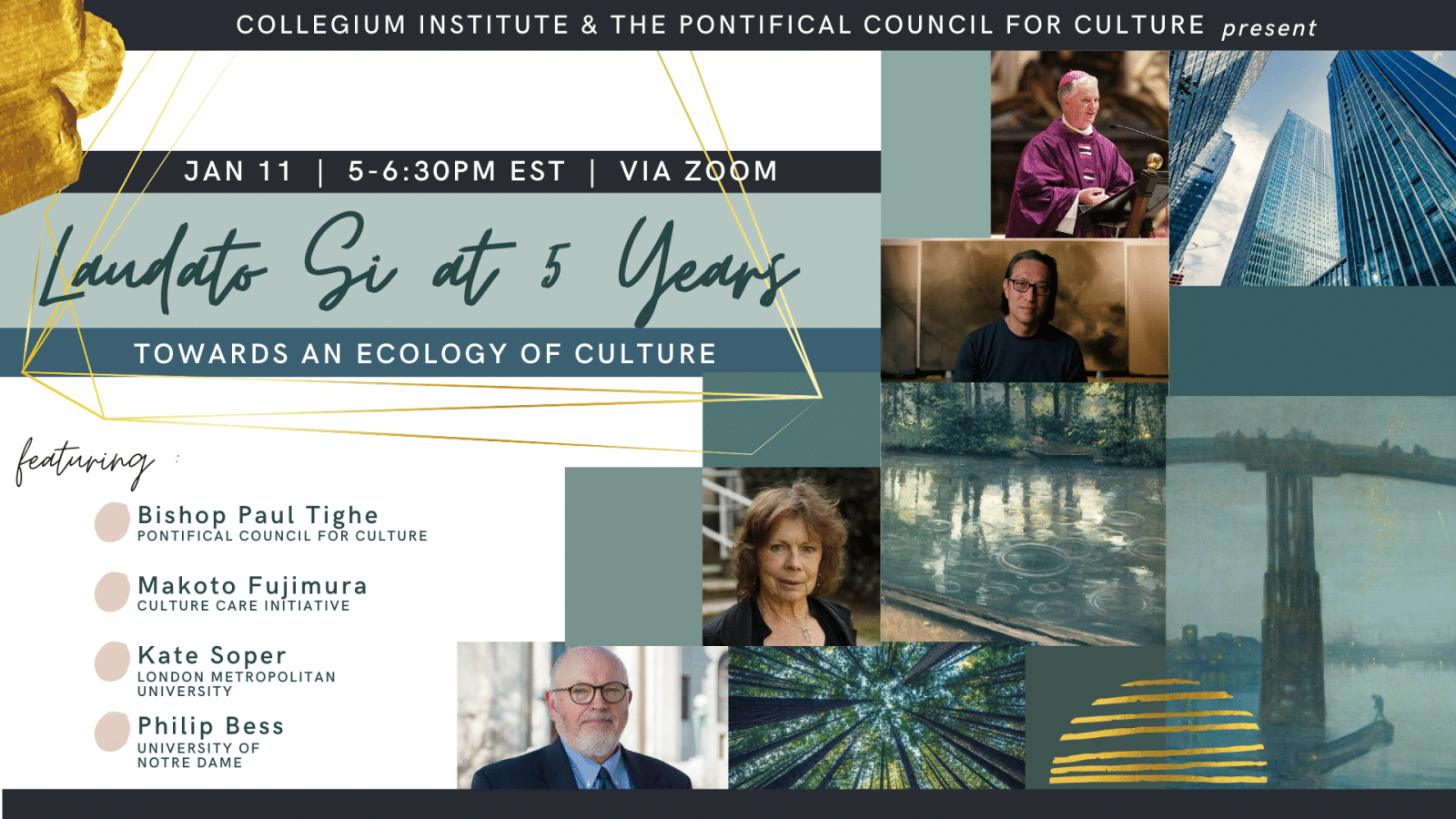
How do we develop a culture marked by an ethic of ecological awareness? In Laudato Si, Pope Francis called for an ecological conversion to just such a culture. The ecological conversion he envisions entails more than just tinkering with technology or the economy; rather, we must reshape our sense of culture and society. Pope Francis has asked that this year be dedicated to a reflection on the continuing importance of Laudato Si. How does an ecologically aware ethic change the ways we live together, create art, and encounter nature? What kind of culture should we be developing to live out…
Beyond Test Scores: Measuring the Contributions of Catholic Schools and Universities

Join us on February 16 for the next event in this series, “Learning Poverty and Education Pluralism: The Global Catholic Education Report 2021.” Catholic schools and universities aim to educate the whole person. Beyond strong academics, they aim to educate towards fraternal humanism. Do we have any evidence that they succeed? Based on recent research for the United States conducted under the new collaborative Global Catholic Education project (www.GlobalCatholicEducation.org), including a set of papers prepared for a special issue of the Journal of Catholic Education, this webinar will explore this question. Topics to be considered include (1) whether parents sending children to…
Learning Poverty and Education Pluralism: The Global Catholic Education Report 2021
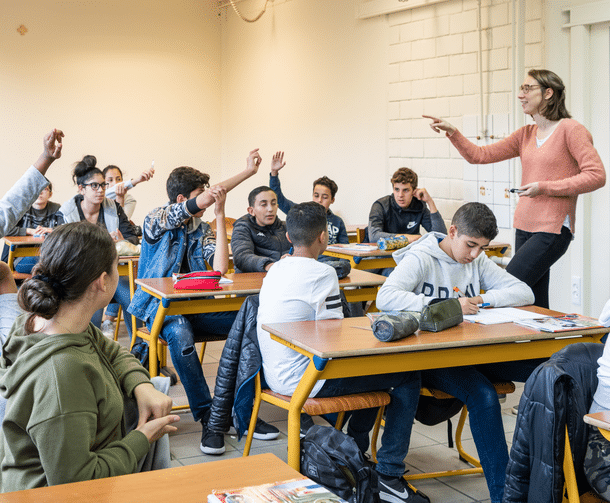
Catholic schools serve close to 62 million students globally at the preschool, primary, and secondary levels, with in addition more than 6 million students enrolled at the post-secondary level. By managing the largest non-governmental network of schools and universities in the world, the Catholic Church plays an important role in efforts to achieve SDG4, especially in low-income countries. In 2020, OIEC released the first Global Catholic Education Report. The second edition of the report for 2021 under the new collaborative Global Catholic Education project (www.GlobalCatholicEducation.org) focuses on learning poverty, education pluralism, and the implications of the COVID-19 Crisis. The report explores the impact…
Themes in Catholic Social Thought: Three Necessary Societies
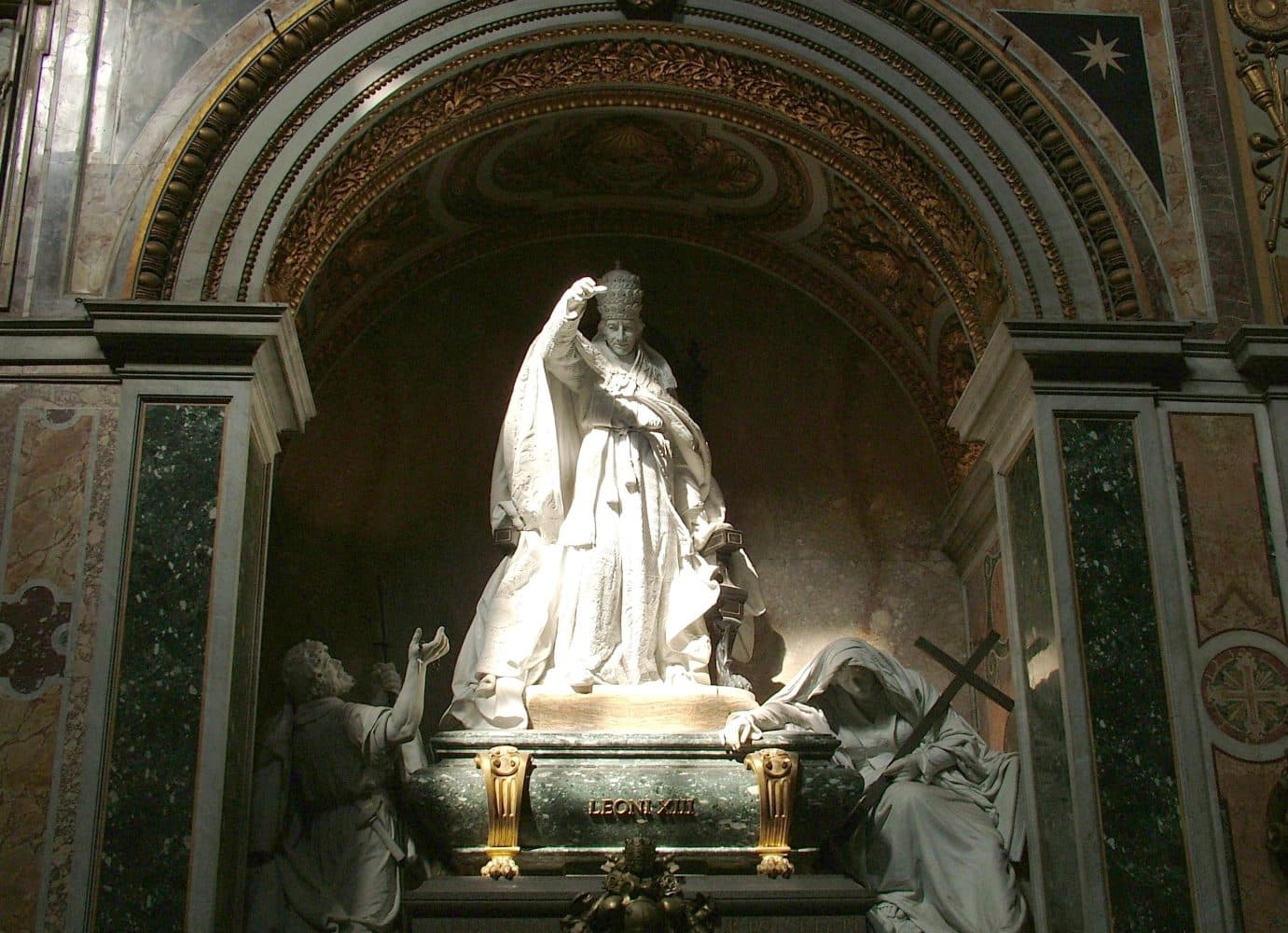
Open to current graduate students. This master class will take place online on Zoom. Copies of the readings will be provided. Others interested in participating should contact us. The modern social magisterium, which emerged during the pontificate of Pope Leo XIII (1878-1903), held that the dignity of human society exemplified in three necessary societies. By nature or grace, human beings are domestic (marriage-family), political, and ecclesial animals. Each has an origin in some kind of necessity, but the necessities are paths to human excellence and happiness. In the first master class we will consider the political and documentary history of the teachings…
Master Class on “Toward an Adequate Anthropology: Social Aspects of Imago Dei”
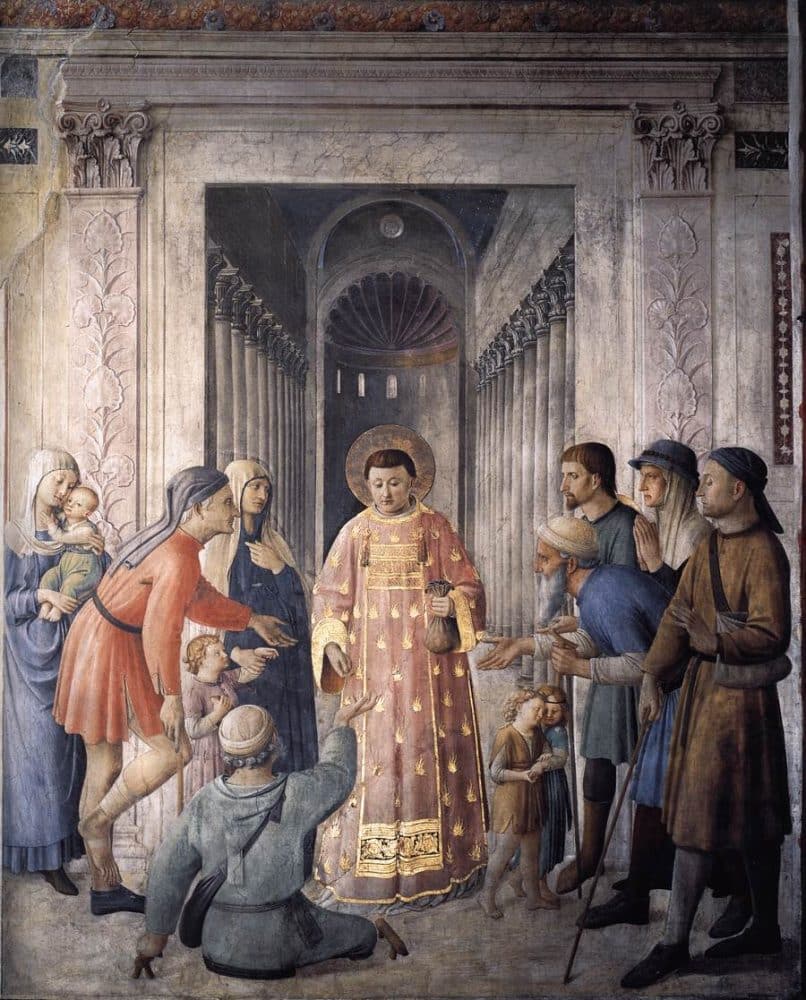
Open to current graduate students. This master class will take place online on Zoom. Copies of the readings will be provided. Others interested in participating should contact us. This master class is a follow-up to the March 26 session on Three Necessary Societies. The first master class considered pontifical teachings about the three societies necessary for human eudaimonia: domestic, political, and ecclesial. Having discussed how that theme evolved in Catholic social teaching, the second master class moves to a deeper metaphysical and theological consideration of social orders. The question is whether social unions are made unto the image and likeness of God….
Automation and the Future of Work: Insights from Economics and Catholic Social Thought

Free and open to the public. This event will be held online through Zoom (registration required) and live-streamed to YouTube. This event is co-presented with CREDO and cosponsored by the Las Casas Institute, Catholics at Booth, and America Media.