
Exile and the canzone in Dante’s Earthly Paradise
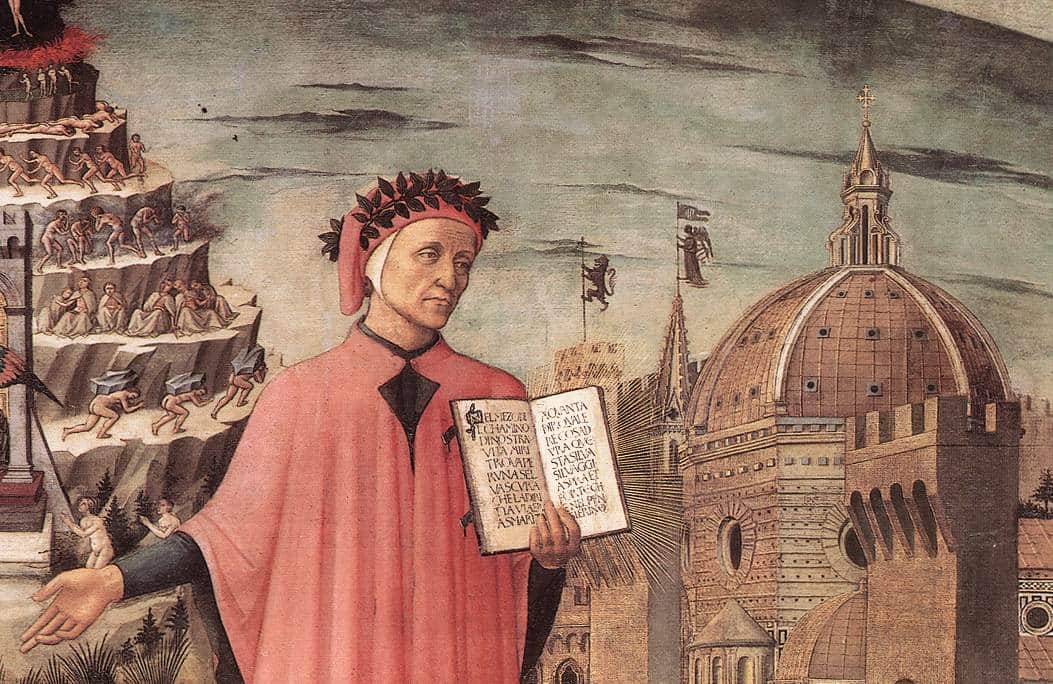
Cosponsored by the Department of Romance Languages & Literatures and the Medieval Studies Workshop Often considered the greatest work of Italian literature, Dante’s Divine Comedy depicts the exiled soul’s journey to God. At the end of thePurgatorio, Dante reaches the Garden of Eden. But, despite the setting of earthly paradise and the reappearance of the poet’s youthful love Beatrice, the protagonist finds remorse in Eden rather than triumph. The Earthly Paradise cantos can be understood as a reclaiming of Dante’s former identity of spiritually exiled lyric poet, wherein both poet and poem exist in a relationship of exile to the world that receives them.
The Divine is Everywhere
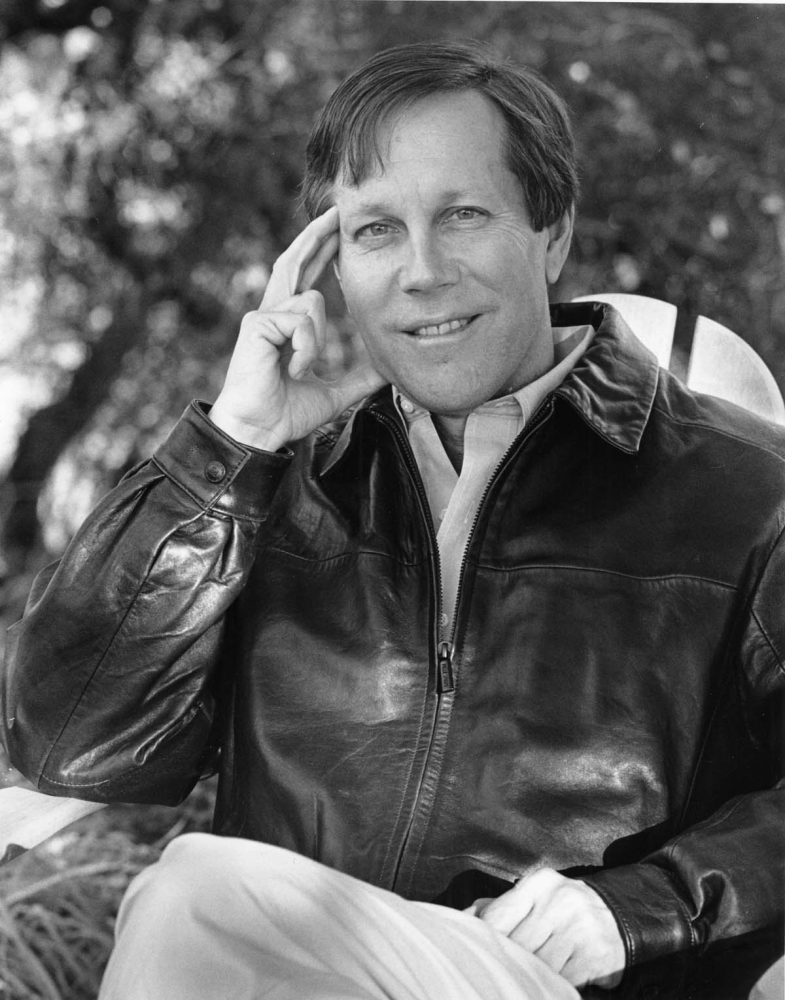
Read the Chicago Maroon article about Dana Gioia’s visit to the University of Chicago HERE. Dana Gioia—award-winning poet (American Book Award, 2002; Notre Dame’s Laetare Medal Recipient, 2010) and former Chairman of the National Endowment for the Arts—takes the faith seriously. During his career as a businessman and later when living in Washington D.C., he drew strength from rereading Augustine’s City of God, helping him resist the lust for wealth, power, and status that tempts many who find themselves in corporate America and the nation’s capital. Gioia eschews an understanding of the faith that is glib and glossy, that doesn’t explore the…
John of the Cross: A Mystic’s Poetry
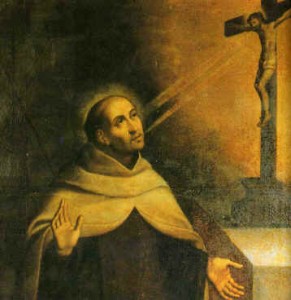
John of the Cross (1542-1591), saint and doctor of the church, is known for his mystical doctrine and his theme of the “dark night.” This lecture explores John’s stunningly beautiful poetry and makes a claim for the primacy of this poetry which was shaped by the erotic poetry of the Song of Songs and which John requested be sung for him as he lay dying. This lecture is made possible in part by a grant from the Carmelite Friars at St. Thomas the Apostle Parish.
A Mother’s Mother: Music for St. Anne
“A Mother’s Mother: Music for St. Anne” Friday, May 9: 7:30pm Bond Chapel, University of Chicago (northeast of Ellis Ave. and 59th St.) Saturday, May 10: 8:00pm St. Clement Church, 642 West Deming Place A concert Featuring Schola Antiqua of Chicago Tickets available online or at the door (cash or credit) $25 adults / $10 student or senior The late Middle Ages was a high water mark of devotion to the Virgin Mary. The proliferation of liturgies, literature, iconography, and music for Mary spilled over to works in honor of her apocryphal mother, St. Anne. Schola Antiqua explores chant and polyphonic music…
Baudelaire and Maistre: the Weight of Original Sin
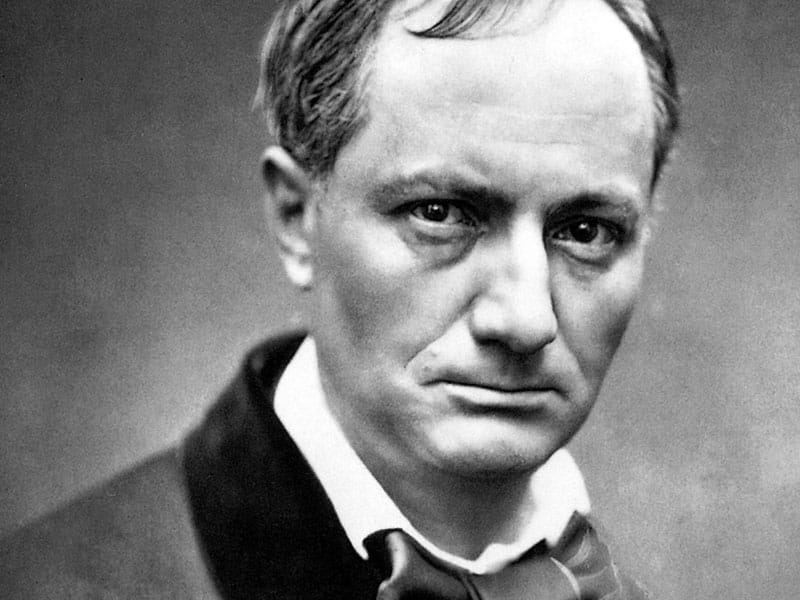
By 1851, the poet Charles Baudelaire had become obsessed — in contrast to his previous anarchist position — with the views of the reactionary and fiercely Catholic Joseph de Maistre. Maistre argued that Original Sin “explains everything,” a perspective that Baudelaire was to adopt, and which markedly changed his poetry. This lecture will consider Baudelaire’s preoccupation with sin in light of Kierkegaard’s treatment of anxiety and sin in The Concept of Anxiety.
Music of the Hours
June 14, 2014, 7:30pm St. Anthony of Padua Church West Harrison, NY June 15, 2014, 2:00pm The Morgan Library & Museum Gilder Lehrman Hall New York City, NY. Order tickets. Schola Antiqua debuts on the East Coast, presenting concerts inspired by prayer books of the late Middle Ages, including the Book of Hours. Roger Wieck, Curator of Medieval and Renaissance Manuscripts at The Morgan Library & Museum, shares stunning devotional art of the early sixteenth century, while the ensemble divulges a sound world prompted by these precious volumes. The Sunday performance at The Morgan Library is given in connection with…
The Modern Scientist as a Palimpsest of Three Fausts
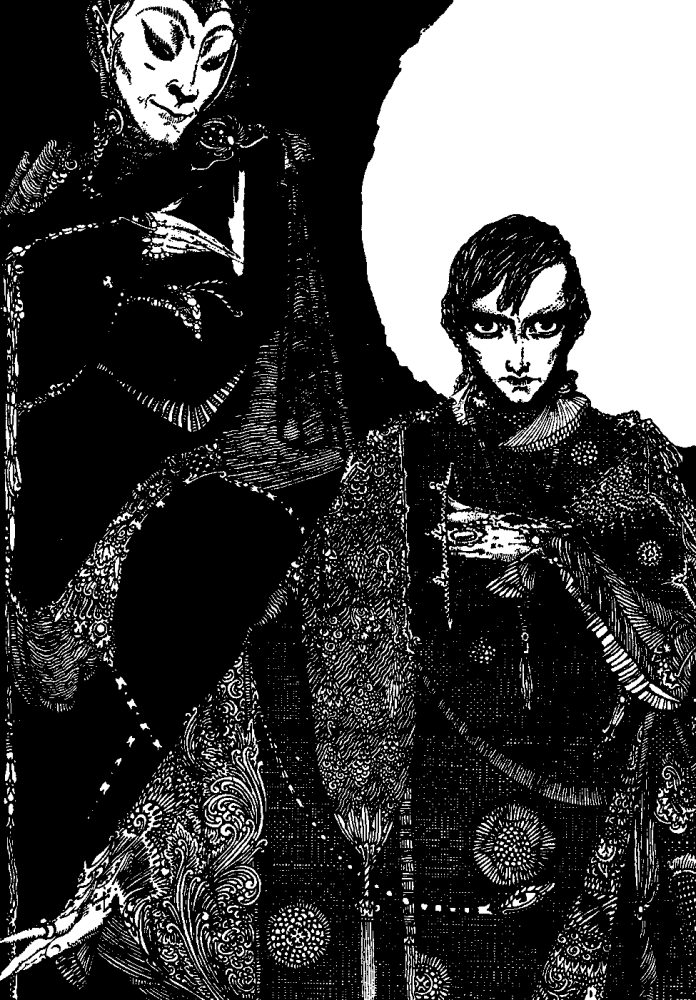
Stephen Meredith (University of Chicago) cosponsored by the Theology & Religious Ethics Workshop A palimpsest is a manuscript or painting produced over a previous work. This lecture will treat “the modern scientist” as a palimpsest of three versions of the Faust story: The Faust Chapbook by an unknown author (1586), Faust by Johann Wolfgang von Goethe (1808/1832), and the late masterpiece by Thomas Mann, Doctor Faustus (1947). While none of these Fausts is purely a scientist (someone who primarily knows or seeks knowledge), the same can be said for those we consider to be scientists today, who deal in various mixtures of science and…
The Suspended Harp: Sounds of Faith in Medieval Jerusalem
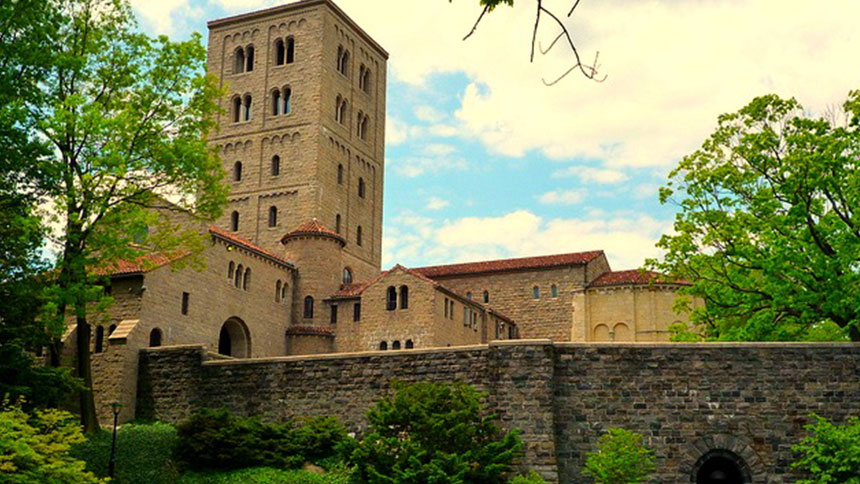
A concert by Schola Antiqua of Chicago (Lumen Christi Institute Artists-in-Residence) BUY TICKETS HERE The vocal ensemble Schola Antiqua of Chicago brings “musicality and sound beyond question” (Early Music America) to the sacred repertoire of Jerusalem: Georgian and Armenian hymns; cantorial psalms; Sufic devotional music; and Jewish, Christian, and Muslim calls to prayer. This program features special guests oudist Amro Helmy, and soprano Nell Snaidas. Other performances: Sun, Oct 23, 3 pm Tickets to this event include Museum admission. This program, made possible by the William S. Lieberman Fund, is presented in conjunction with the exhibition Jerusalem 1000–1400: Every People Under…
Gerard Manley Hopkins, S.J.: The Priest & The Poet
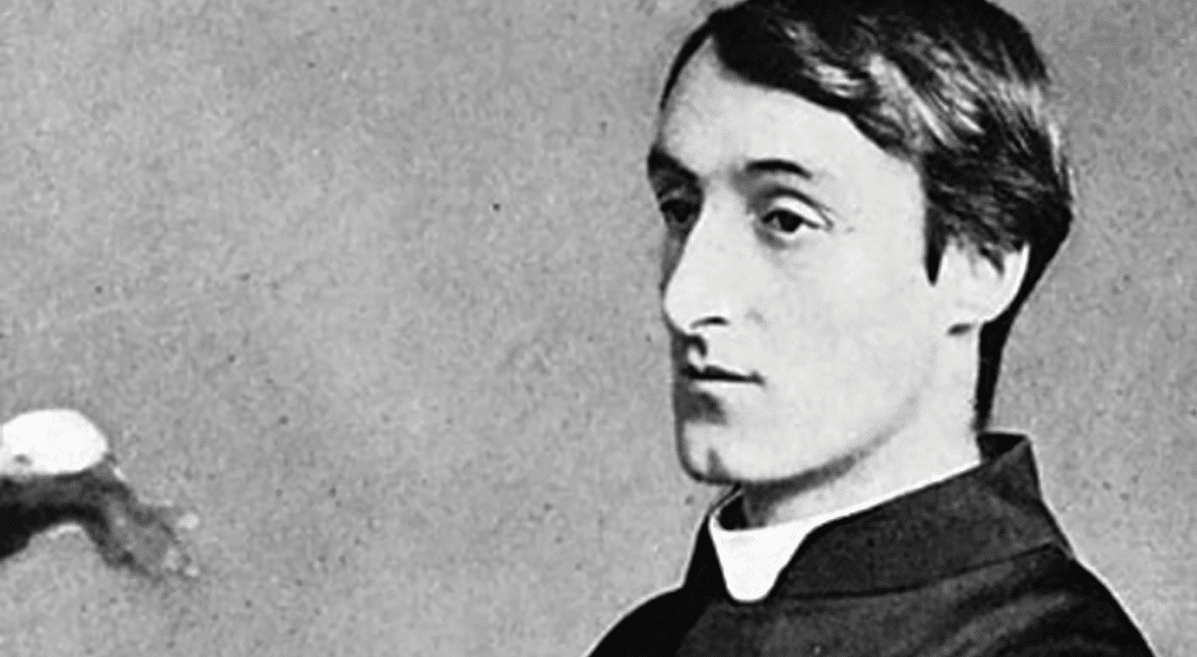
REGISTER HERE 6:00pm Buffet Dinner | 6:30pm Lecture Open to current students. G M Hopkins (1844-1889) converted to the Catholic Church while a university student and later became a Jesuit priest and lecturer in classical Greek. The poems by which he is known today were unpublished in his own lifetime, but in some measure formed — and were formed by — his friendships and his distinctively sacramental view of his own priesthood. This course will consist of seven classes in which, after some brief biographical introduction, two or three poems of Hopkins will be read, together with pertinent material from…
All Things Hold Together: A Great Books Education and the Catholic Tradition
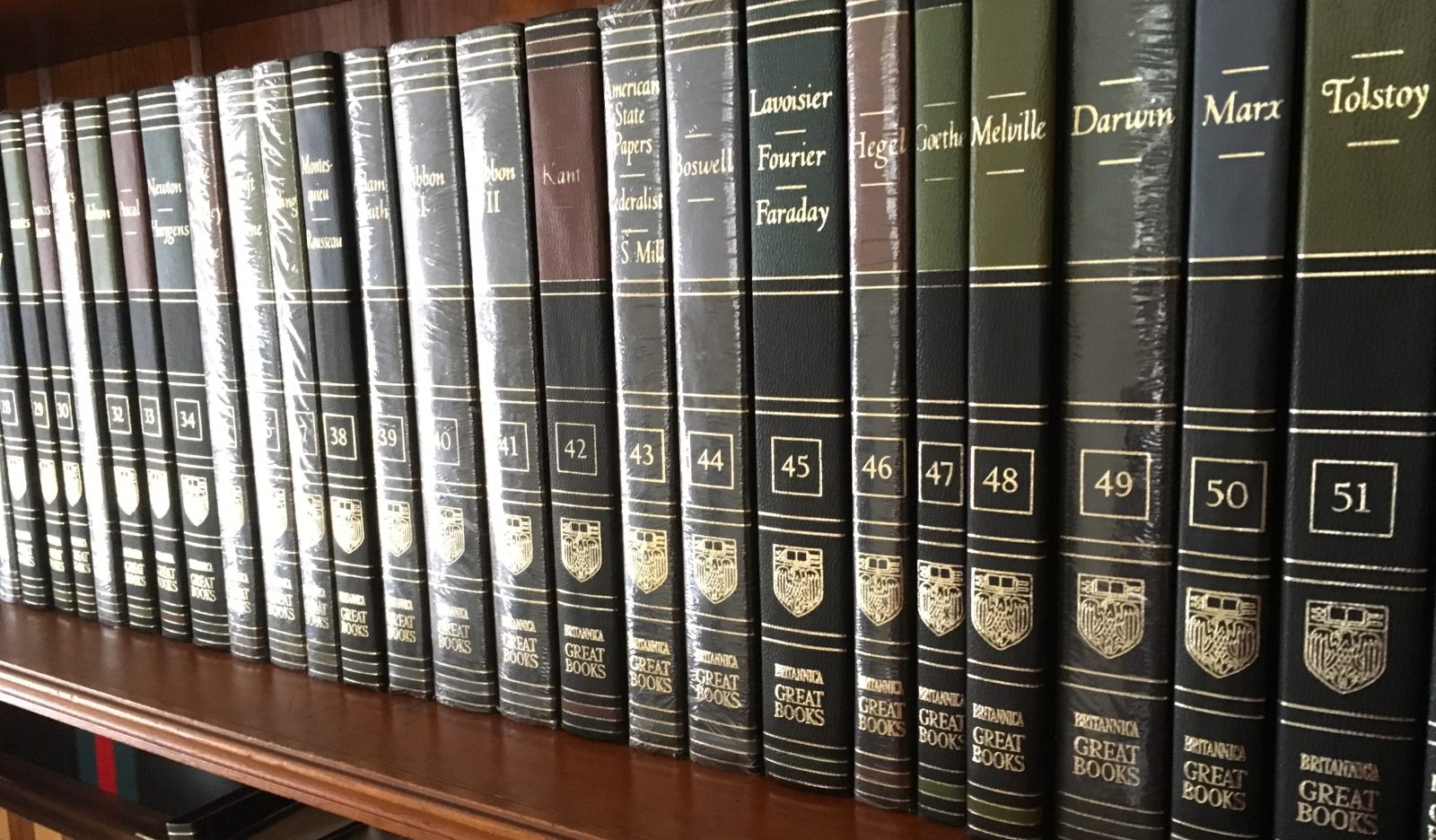
The Great Books can lead us to God and a liberal arts education finds its fulfillment in the liturgy. Yet, the curriculum and culture of many universities today are, by their very structure, inimical to such ends. Reflecting on his own education as a Fundamentals major at the University of Chicago and on the Catholic tradition he now teaches, Professor Ortiz will consider the blessings and limits of a Great Books education and how the Catholic tradition might restore the promise of the liberal arts by providing a vision of the whole and cultivating a habit of praise and thanksgiving.