
Newman, Vatican II, and the Hermeneutic of Continuity
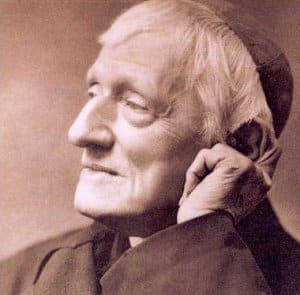
Often called the Father of the Second Vatican Council, Newman both anticipated a number of its teachings and, through his recovery of the thought of the early Church, provides a hermeneutic of continuity for interpreting the Council’s documents.
The Unintended Reformation”
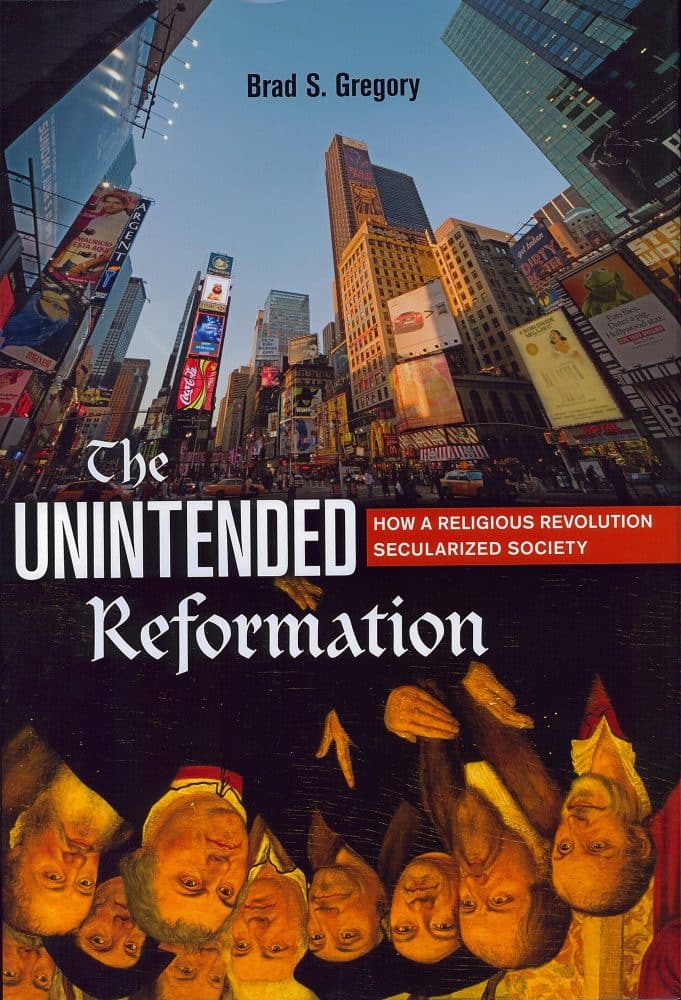
Co-sponsored by the Department of History and The Early Modern Workshop In his latest book, The Unintended Reformation, Brad Gregory identifies the unintended consequences of the Protestant Reformation and traces how it has shaped the modern condition. He argues that hyperpluralism, an absence of a shared sense of the common good, and the triumph of consumerism are each the long-term effects of a distinctive religious movement that marked the end of a period of history in which Christianity provided a framework for a shared intellectual, social, and moral life in the West.
“John Climacus” Non-Credit Course
Lecture, 7:00pm Informal Dinner, 6:30pm Intended for University students, faculty, and recent graduates. Others interested in attending, contact info@lumenchristi.org. May 24 “John Climacus: Cleansing, Death, and Resurrection in his “The Ladder of Divine Ascent” Perry Hamalis (North Central College) Co-sponsored by the Orthodox Christian Fellowship John Climacus (ca. 579-ca. 659) uses a number of analogies to describe the dynamics of spiritual development in his famous ascetical work, The Ladder of Divine Ascent. In addition to the image of a “ladder,” embedded in the work’s title, St. John uses a range of medical imagery, appeals to figures and events from the Hebrew Bible, and even…
“The Making of Thomas Aquinas’ Summa Theologiae”
Co-sponsored by the Medieval Studies Workshop The Summa Theologiae of Thomas Aquinas stands among the finest expressions of the Catholic “understanding of faith” (intellectus fidei). Over a thousand commentaries have been written on it. A leading historian of Medieval Christian thought, Bernard McGinn explores Thomas’s reason for writing the Summa and its principles, structure, and originality.
“The Second Vatican Council and the Church’s Engagement with the Modern World”
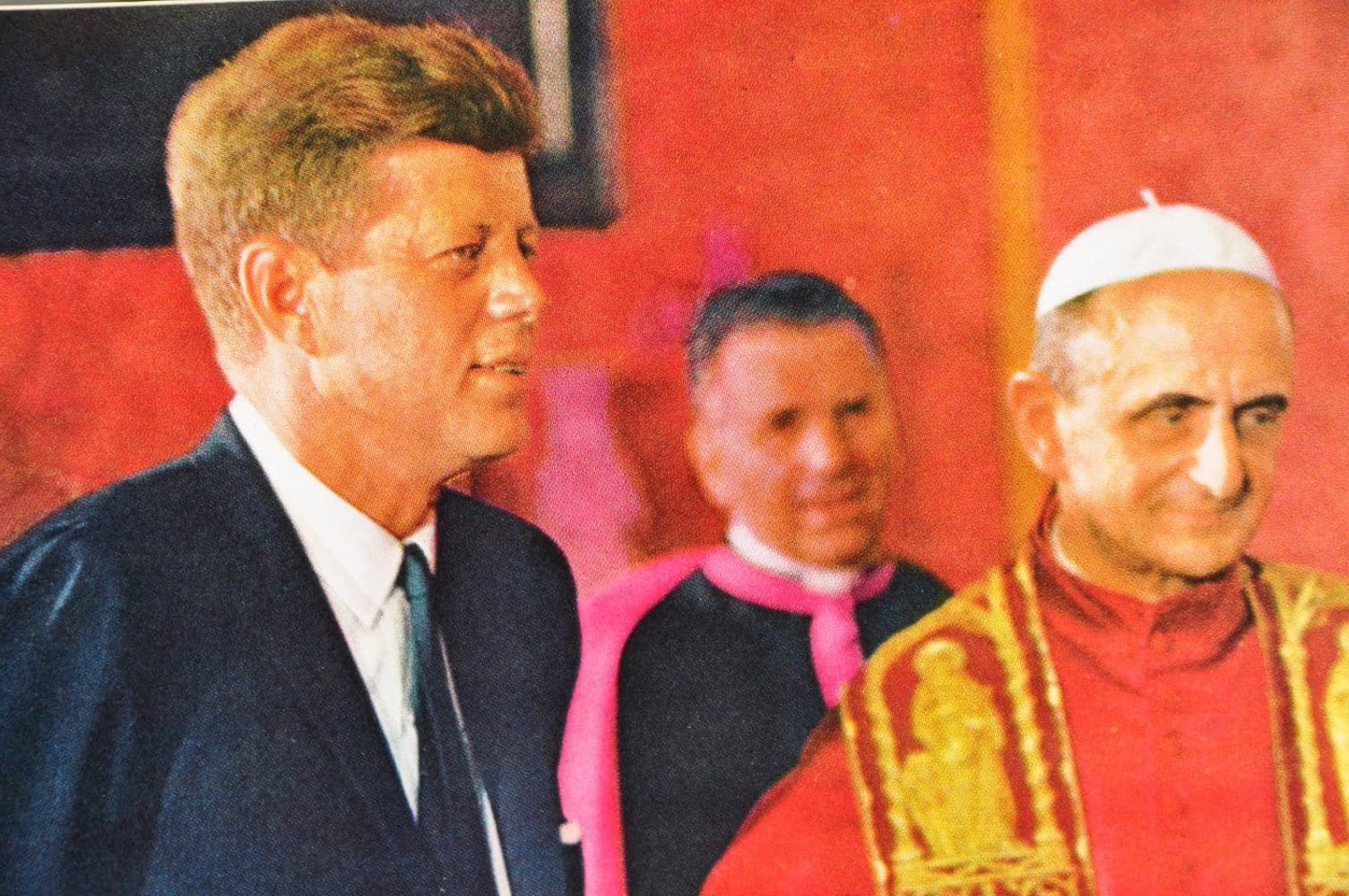
Cosponsored by the University of Chicago Ethics Club After decades of ideological upheaval that often placed the Catholic Church in conflict with modernity, Pope John XXIII convened the Second Vatican Council in part to open a dialogue with modern culture. This lecture will reflect on the theological developments that led to Vatican II’s Pastoral Constitution on the Modern World, Gaudium et Spes, the document’s text itself, and the history of its reception, and offer a perspective on the current health of the Church and its prospects for bringing the light of Christ to the world.
“The Book of Psalms” Non-Credit Course
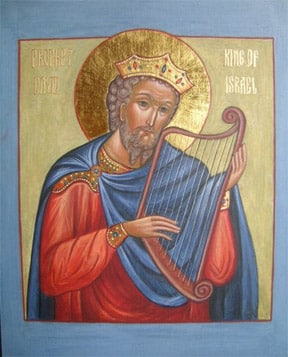
Lecture: 7:00PM Informal Dinner: 6:30PM October 16: The Prayer Book of Jesus What are the psalms and how did they become a psalter? The introductory class will address the nature of Jewish prayer and Hebrew poetry, lay out the various genres of psalms, and discuss the compilation of psalms into a book of the Old Testament and a keystone of the Church’s liturgy. Particular attention will be given Psalms 6, 19, and 27. October 23: Songs of Wrath God’s anger and man’s find full-throated expression in the Psalms, often in ways that shock or bewilder us. In coming to grips with the…
“The Dialogue of Economics and Catholic Social Thought”
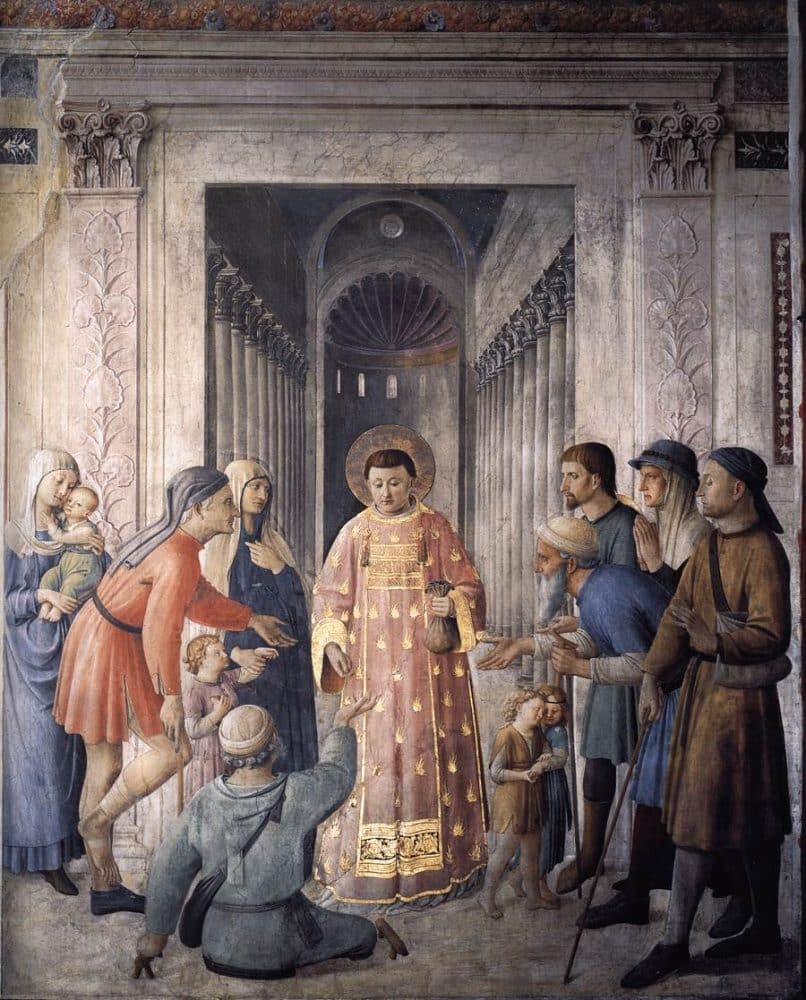
Cosponsored by the University of Chicago Ethics Club The presence of two Catholic candidates for vice-president have raised questions about Catholic social thought and American free market economics. In this symposium, an economist and a theologian consider how the Church’s teaching bears on contemporary economic questions. The questions to be explored will include: What does the Catholic social thought developed by popes from Leo XIII and Pius XI to John Paul II and Benedict XVI say about economic issues? How can economists engage the principles of Catholic Social Thought and reflect on questions such as the just wage, social solidarity and the market…
“Augustine and the Doctrine of Universal Restoration”
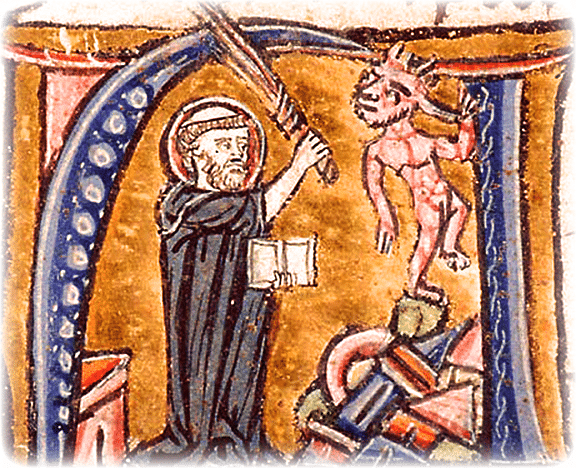
Cosponsored by the History of Christianity Club The great theologian Augustine of Hippo (354-430) is known to have condemned the doctrine of universal restoration and salvation (apokatastasis) devised by Origen of Alexandria (255ca.) as heretical. But in his earlier defense of Christian Orthodoxy against Manicheism, Augustine adhered to this doctrine. This lecture will show how Augustine’s later polemic against the Pelagians and his ignorance of Greek played a significant role in his eventual rejection of Origen’s doctrine.
“Benedict XVI on the Liturgy”
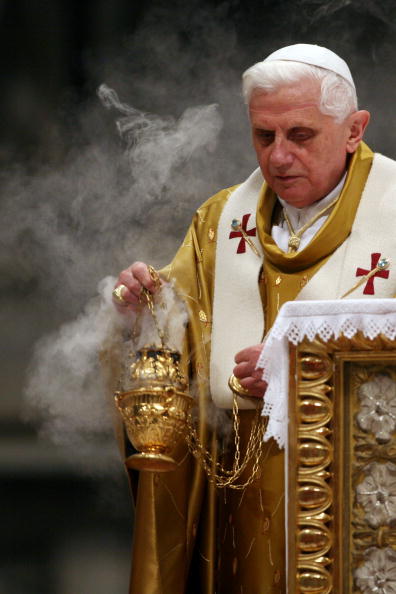
Joseph Ratzinger (Pope Benedict XVI) has long cherished Catholic liturgy, and his writings on the subject illuminate the man as well as the meaning of Christian ritual. This talk is intended as an introduction to the concept of liturgy as understood by Catholics and of the contributions Ratzinger-both as theologian and as worshiper-has made to its authentic development and reception within the Church. This event is intended for University students. An informal dinner will be served. Please contact mfranzen@lumenchristi.org with any questions.
Sacred Study Circle, Introduction to the Devout Life by St. Francis de Sales
Sacred study is the prayerful and attentive reading of a work with the initial goal of understanding it, the intermediate goal of reflectively appropriating it, and the final goal of making its teaching concrete in a life devoted to God. Sacred study is study because it puts questions to the text, as an apprentice questions the master, so as to come to grips with the deeper meanings. With these aims we will study St. Francis de Sales’s Introduction to the Devout Life this winter quarter. In this classic work of spirituality the reader is presented with counsels and practices to aid him…