
Partners in Charity: St. Louise de Marillac and St. Vincent de Paul
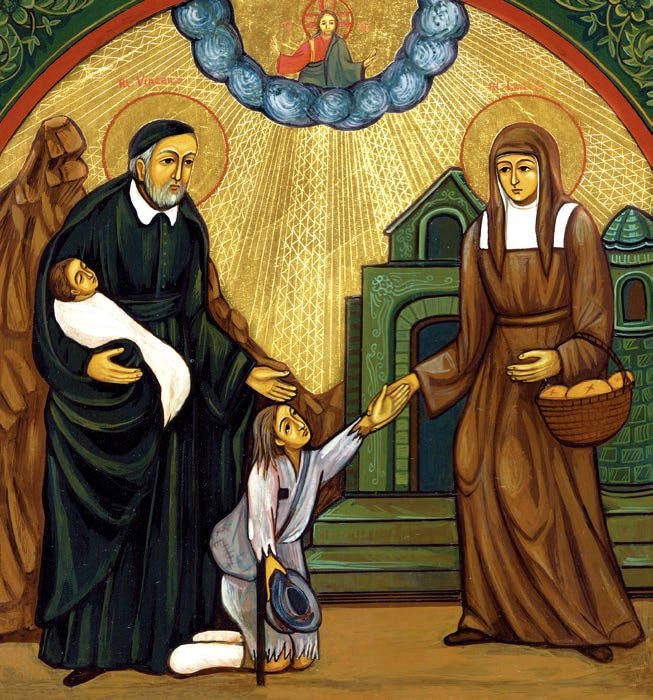
Join us February 13 for the next event in this series on “Pledges of the Saints: the Cult of Relics in the Catholic Tradition.” This event is co-presented with the Bollandist Society In this talk, we will examine side by side the lives and legacies of two major saints of French Catholicism’s seventeenth-century golden age. Louise de Marillac and Vincent de Paul co-founded the Daughters of Charity, one of the most successful socially-oriented women’s congregations in the Church’s history, when the Tridentine-era bishops were attempting to enforce strict claustration for women religious. They also collaborated with a wide circle of lay…
Pledges of the Saints: The Cult of Relics in the Catholic Tradition
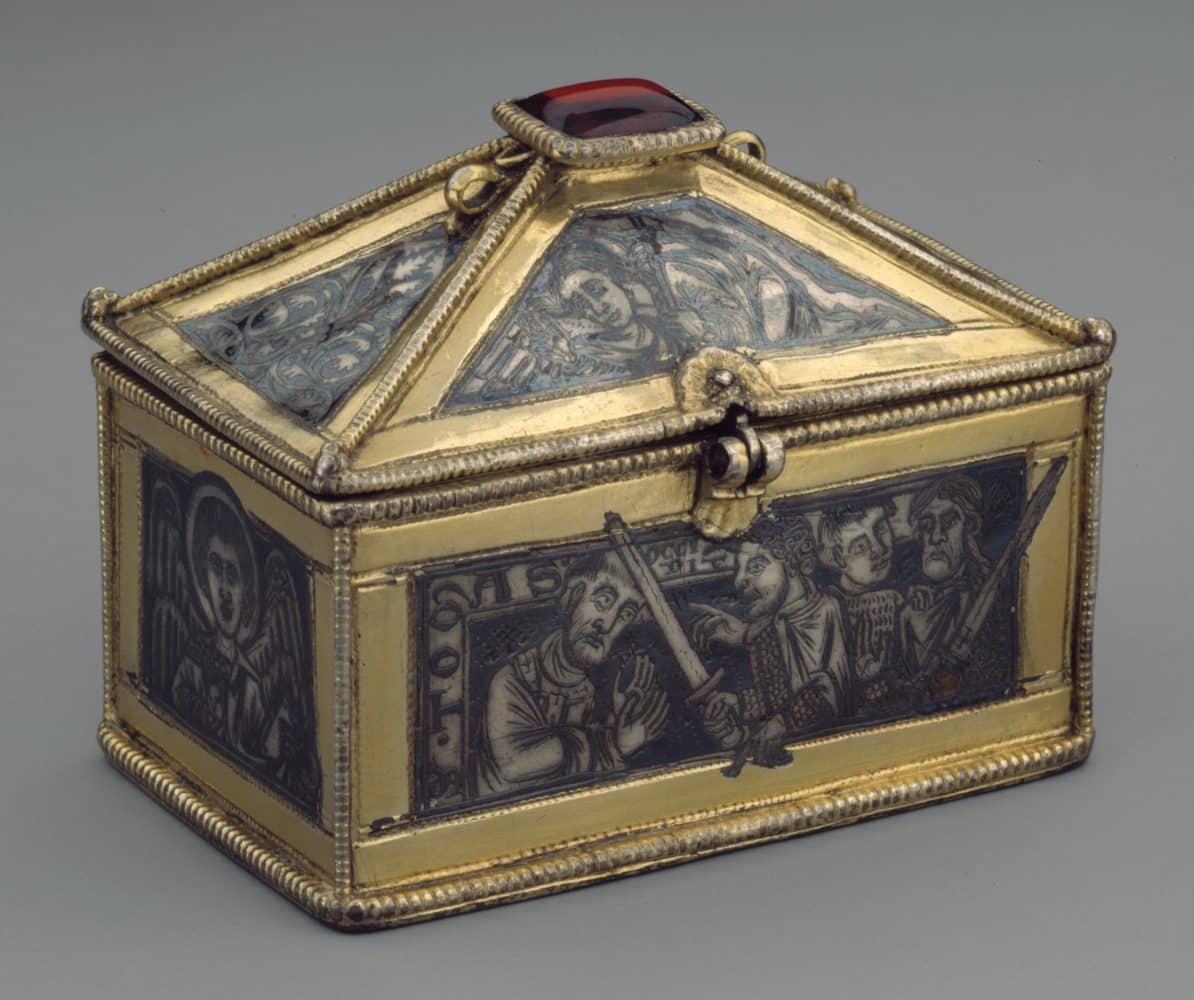
This event is co-presented with the Bollandist Society. This event is co-sponsored by America Media, the Collegium Institute, the Harvard Catholic Forum, the Jesuit School of Theology of Santa Clara University, the Nova Forum, the Institute for Advanced Catholic Studies at USC, the Saint Benedict Institute, and the Hank Center for the Catholic Intellectual Heritage. The physical remains of saints are often referred to as pignora, that is, as security deposits or pledges of the continued concern that the saints, although in heaven, continue to show for those who venerate them. In this lecture will discuss the origin of the cult of…
Spirituality and the Saints
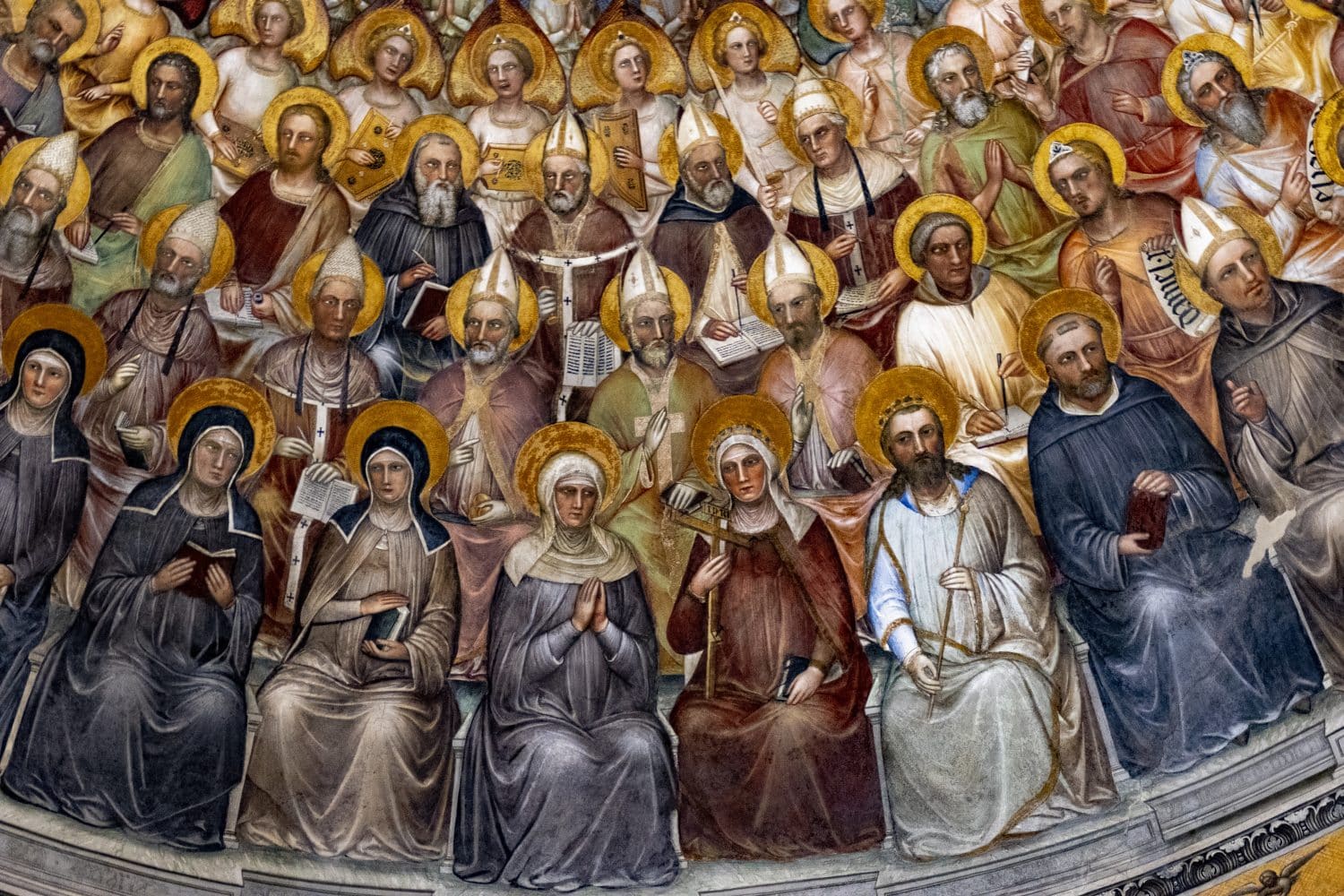
This event is co-presented with the Bollandist Society and co-sponsored by America Media, the Jesuit School of Theology of Santa Clara University, the Institute for Advanced Catholic Studies at USC, the Hank Center for the Catholic Intellectual Heritage, and the Harvard Catholic Forum. In this presentation, Fr. Mark Rotsaert will look to sanctity as a gift of the Spirit and reflect on the different ways one can become a saint and the universal call to holiness according to Pope Francis’ exhortation Gaudete et exsultate. Do saints have a specific kind of spirituality? Is sanctity the same as perfection? Are the saints perfect?
Themes in Catholic Social Thought: Three Necessary Societies
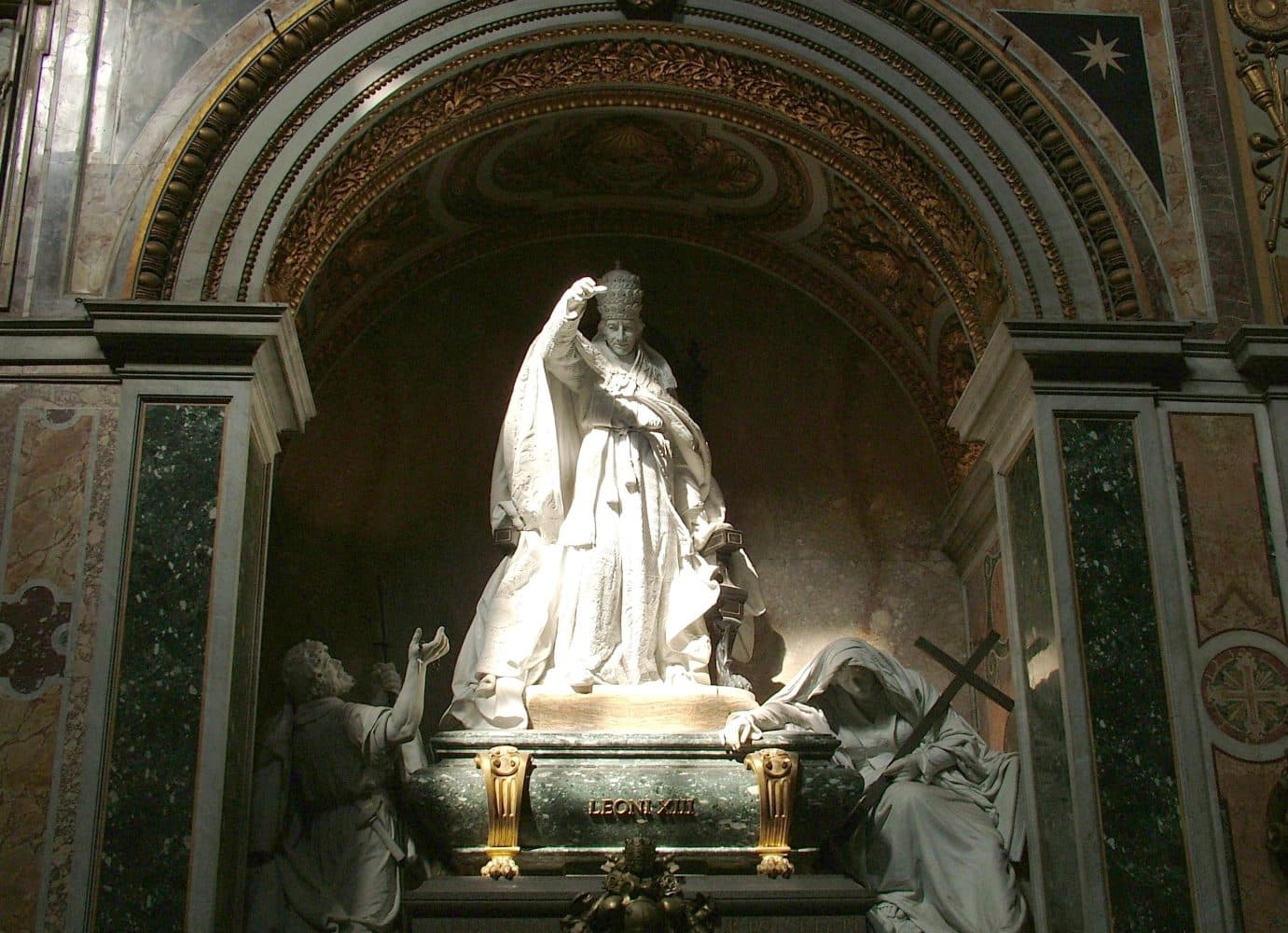
Open to current graduate students. This master class will take place online on Zoom. Copies of the readings will be provided. Others interested in participating should contact us. The modern social magisterium, which emerged during the pontificate of Pope Leo XIII (1878-1903), held that the dignity of human society exemplified in three necessary societies. By nature or grace, human beings are domestic (marriage-family), political, and ecclesial animals. Each has an origin in some kind of necessity, but the necessities are paths to human excellence and happiness. In the first master class we will consider the political and documentary history of the teachings…
How to be a Corinthian
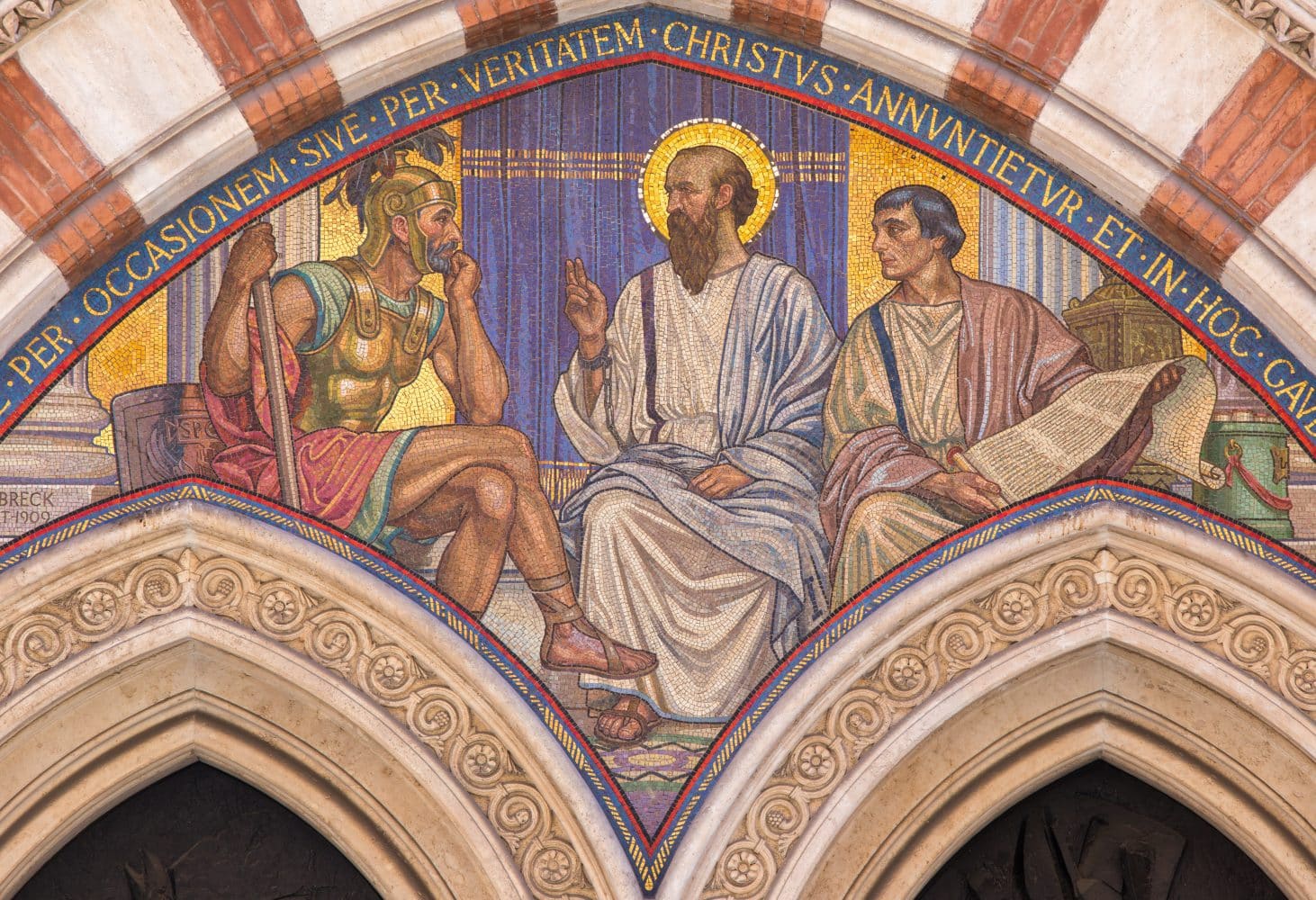
This event is cosponsored by Calvert House Catholic Center. The first recipients of St. Paul’s letters did not keep their letters to themselves; as part of the organic life of the Church that Catholics call “Tradition,” the letters of Paul were collected together and incorporated into the New Testament. One amazing consequence of this Tradition at work is that everyone who reads these letters, regardless of time or place, becomes a Corinthian, or a Roman, or an Ephesian, thanks to the unifying power of the Holy Spirit. This conference will reflect on how the early Church received these letters, and…
Pierre Manent on Natural Law and Human Rights
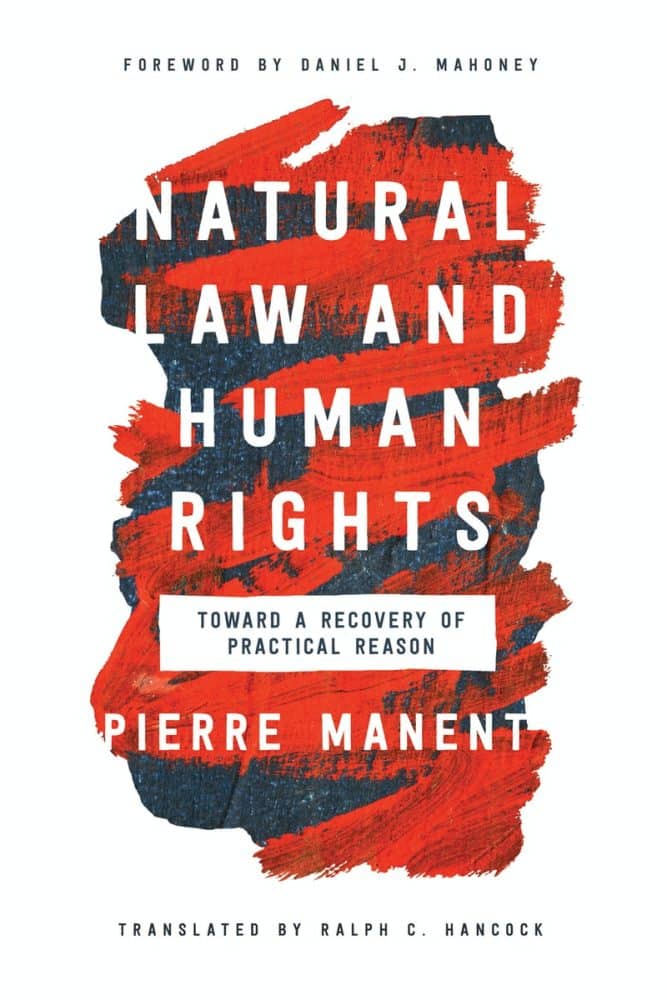
This event is cosponsored by University of Notre Dame Press and the de Nicola Center for Ethics & Culture. Shortly after the promulgation of the U.N.’s Universal Declaration of Human Rights in 1948, Jacques Maritain wrote, “With regard to Human Rights, what matters most to a philosopher is the question of their rational foundations. The philosophical foundation of the Rights of man is Natural Law. Sorry that we cannot find another word!” In his recent book Natural Law and Human Rights: Toward a Recovery of Practical Reason (Notre Dame Press, 2020), leading Catholic political philosopher Pierre Manent takes a different and decidedly more critical approach…
Teaching Catholic Doctrine en Español
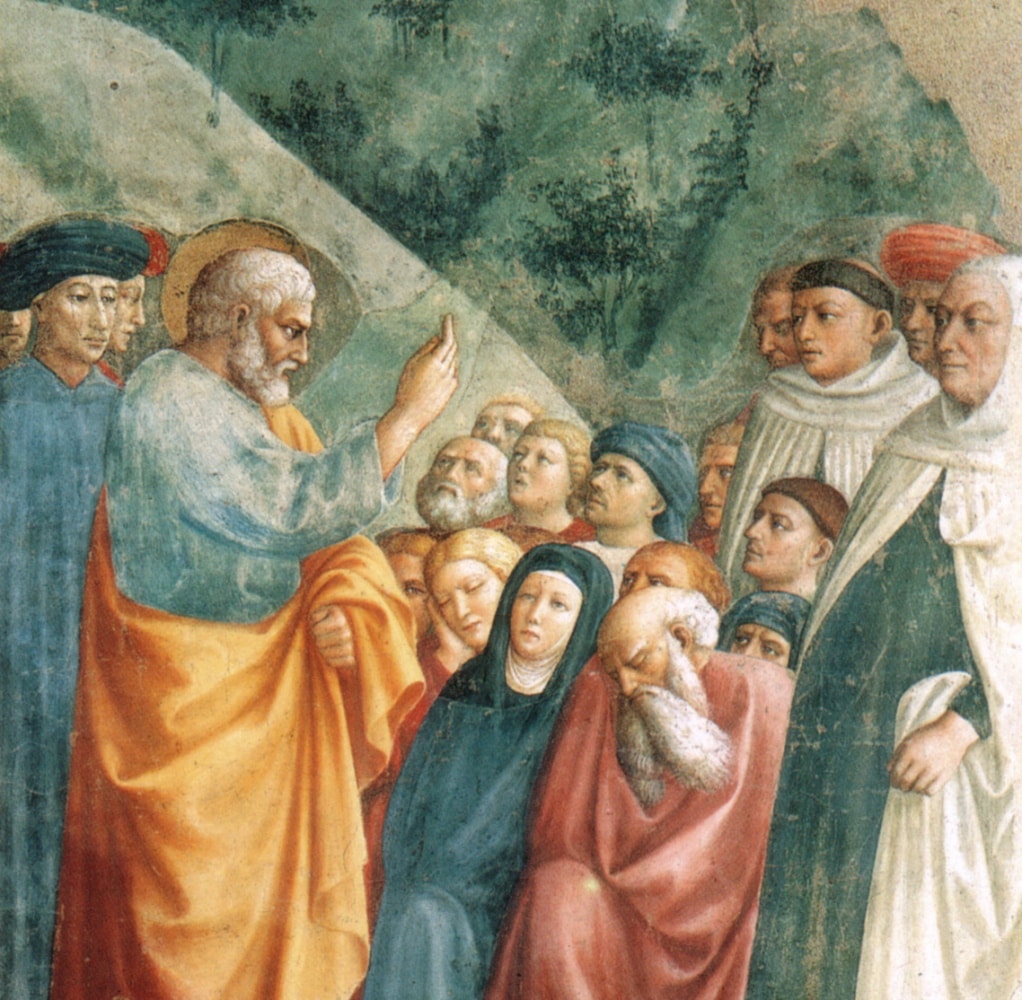
This event is part of a webinar series on Hispanic Theology. This event and series is made possible by a generous grant from the Our Sunday Visitor Institute. Language matters, and it matters much when sharing the best of our faith convictions with one another. Without language there is no communication, understanding or community. Sharing faith in the United States of America in an increasingly Hispanic church demands that we take questions associated with language seriously. Nearly fifteen million Catholics in the U.S. are Spanish-speaking immigrants. Many are raising their children “in Spanish.” Even though the vast majority of Hispanics are U.S….
Globalization from the People: Fratelli Tutti and the Latino Social Teaching of Pope Francis
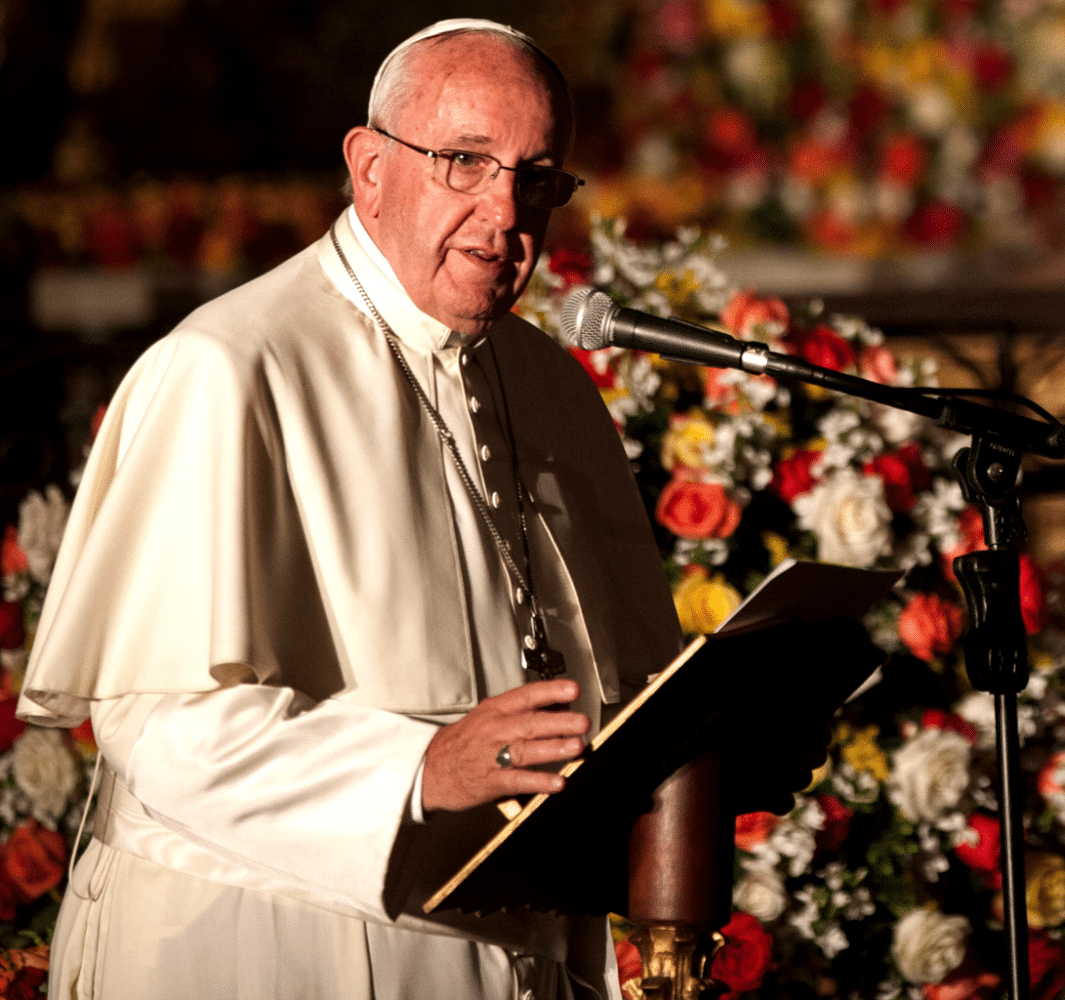
Free and open to the public. This event will be held online through Zoom (registration required) and live-streamed to YouTube. This event is part of a webinar series on Hispanic Theology. This event and series is made possible by a generous grant from the Our Sunday Visitor Institute. The COVID-19 pandemic has been a flash point for globalization as a sign of the times, revealing the best and worst of our interconnected human family. Released during the pandemic, Pope Francis’s Fratelli tutti speaks directly to the political crisis of globalization, following the worldwide financial and ecological crises addressed in the previous two social encyclicals…
Master Class on “Toward an Adequate Anthropology: Social Aspects of Imago Dei”
Open to current graduate students. This master class will take place online on Zoom. Copies of the readings will be provided. Others interested in participating should contact us. This master class is a follow-up to the March 26 session on Three Necessary Societies. The first master class considered pontifical teachings about the three societies necessary for human eudaimonia: domestic, political, and ecclesial. Having discussed how that theme evolved in Catholic social teaching, the second master class moves to a deeper metaphysical and theological consideration of social orders. The question is whether social unions are made unto the image and likeness of God….
Was Something Lost? Thomas Aquinas, Intellectual Disability, and the 16th Century Spanish Colonial Debates
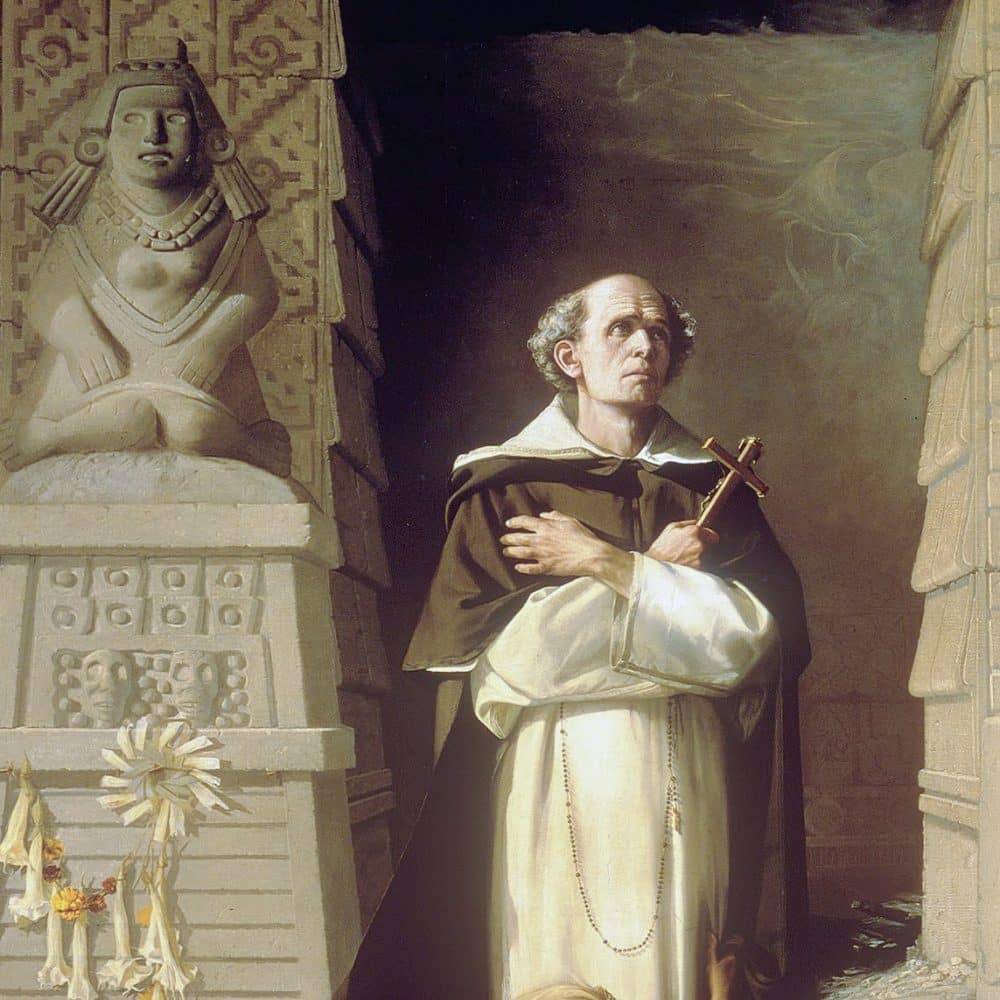
Free and open to the public. This event will be held online through Zoom (registration required) and live-streamed to YouTube. This event is part of a webinar series on Hispanic Theology. This event and series is made possible by a generous grant from the Our Sunday Visitor Institute. This event is cosponsored by the National Catholic Partnership on Disability. Live closed captioning will be made available on Zoom. In the 16th century, there was a subtle shift in the way the Spanish Dominican interpreters of Thomas Aquinas spoke about the anthropological and moral significance of our rational faculties. Historical and textual markers, indicating both the…