
What St. Benedict Taught the Dark Ages: His and Ours
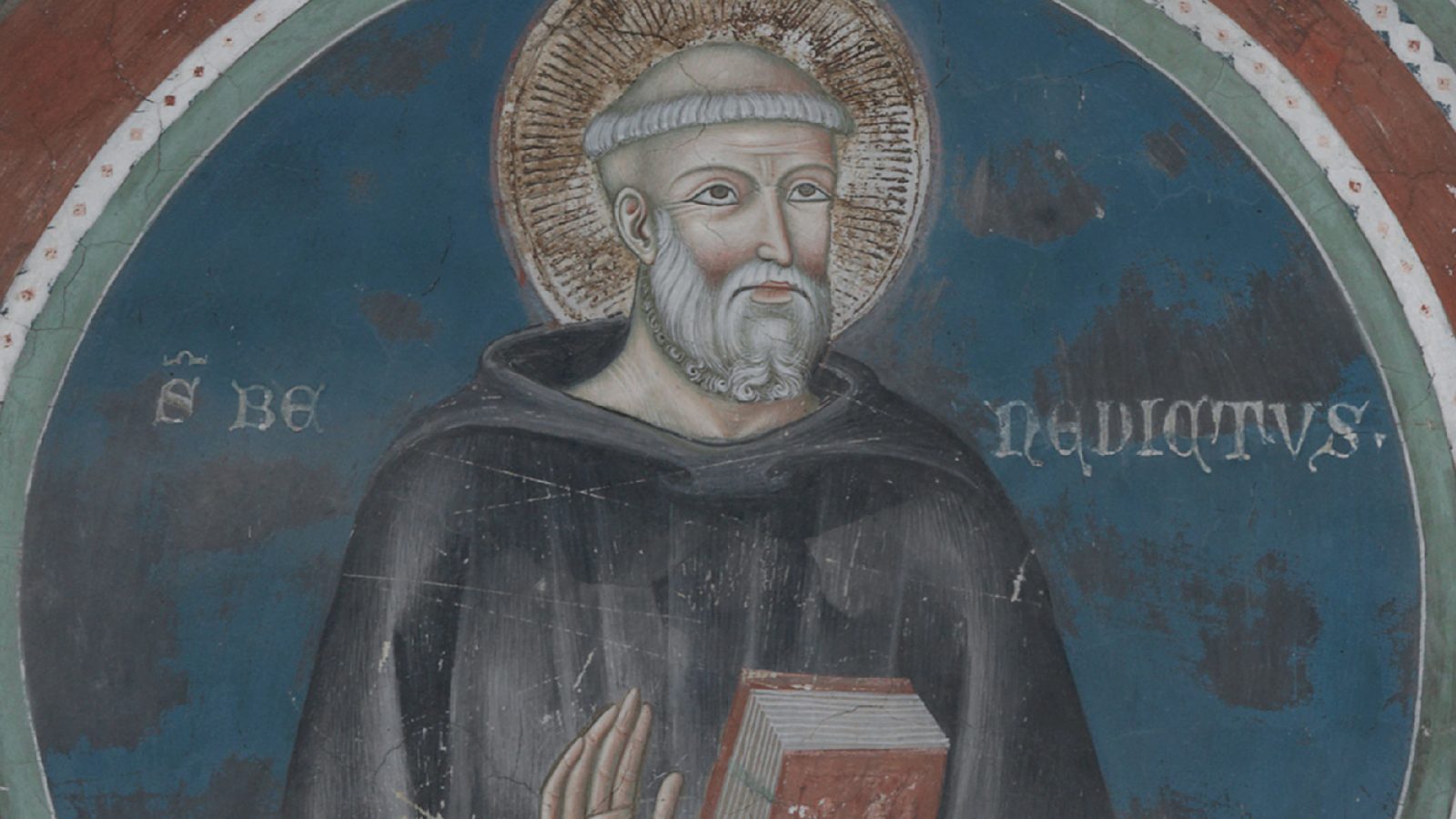
REGISTER HERE Free and open to the public. Cosponsored by the John U. Nef Commitee on Social Thought. Cardinal Newman, who will be canonized on October 13, is well known for his philosophy of education, especially for his masterwork The Idea of University (1853). But his most profound reflections on education are in his minor work “The Mission of St. Benedict” (1858), in which Newman treats the question of how to teach a beginner, even a beginner under the most unfavorable circumstances. Not a novice in dialectic and rhetoric, or in the theoretical or practical sciences, but a beginner in the quotidian…
Master Class on Yves Simon’s “A General Theory of Authority”
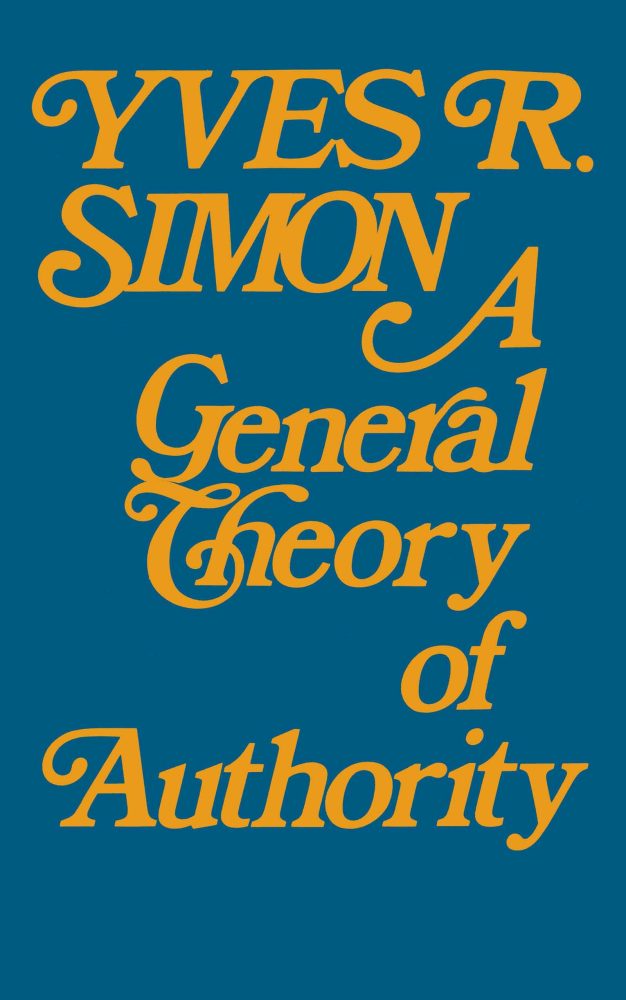
REGISTER HERE Open to current students and faculty. Copies of the book A General Theory of Authority (University of Notre Dame Press, 1980) will be provided for those who register. Professor Hittinger will also give a lecture on October 9 on “What St. Benedict Taught the Dark Ages: His and Ours.” Yves Simon (1903-1961) was a neo-scholastic philosopher who distinguished himself chiefly for his work in moral and political philosophy. A student of Jacques Maritain in Paris, in 1938 he accepted a visiting position at the University of Notre Dame where he was stranded after the outbreak of WWII. In…
Newman’s Apologetics of the Imagination
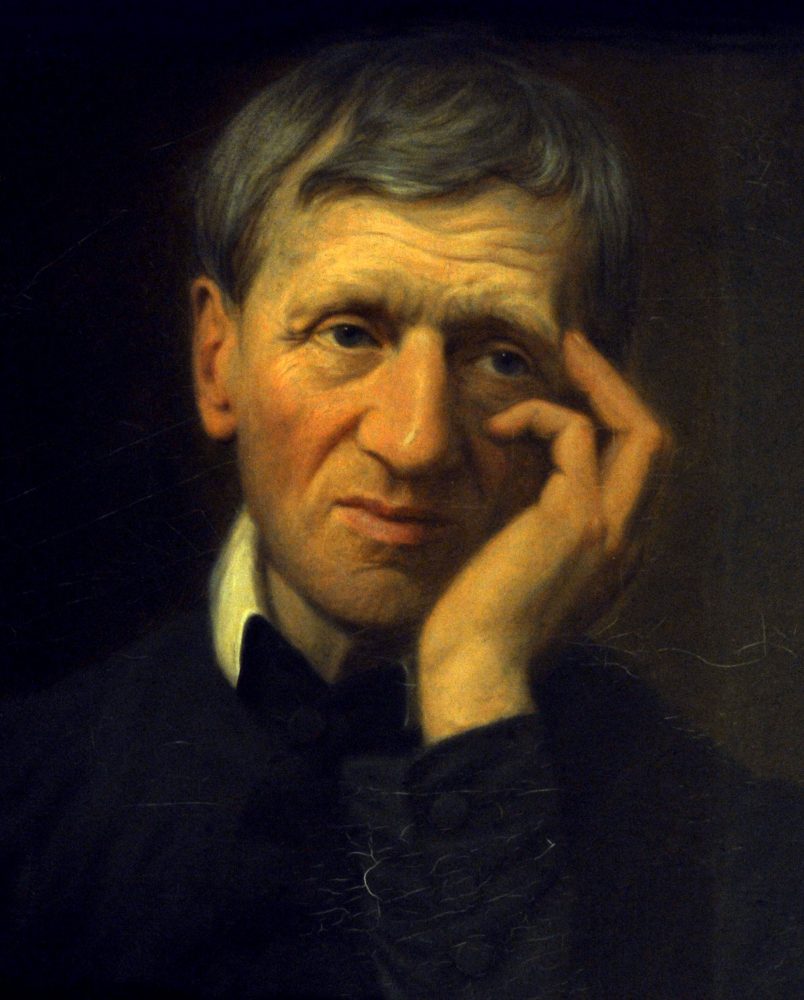
This event was cosponsored by the Nicholson Center for British Studies. John Henry Newman famously insisted that “the heart is commonly reached not through the reason, but through the imagination.” As a theologian, apologist, and the 19th century’s most famous convert, Newman was keenly attentive to the foundations of religious belief. His apologetic career is, in some sense, an appeal to the imagination in contradistinction to the prevailing empiricism of Locke and Hume. In his novels, sermons, lectures, and even his philosophical magnum opus, the Grammar of Assent, Newman defends an understanding of the imagination that harmonizes religious faith and rational inquiry.
The Human Person in an Age of Biotechnology: A Symposium
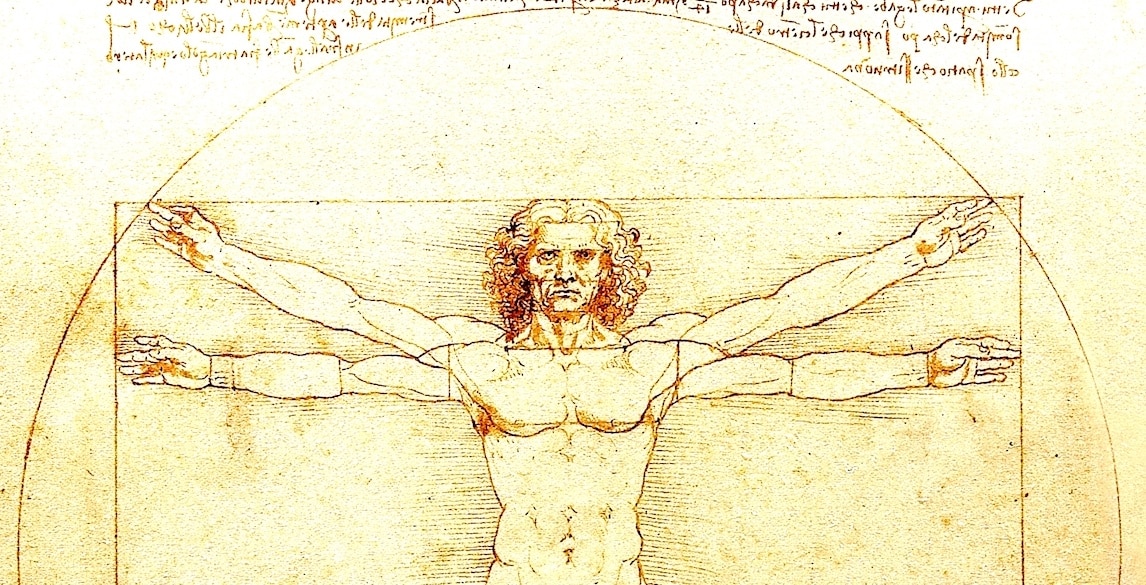
We are at the very outset of the Age of Biotechnology. This presses anew questions regarding the limits of the human person. What is the human species from the point of view of evolutionary biology? How malleable is this definition? Is there such a thing as a species? How does this compare to philosophical perspectives on the person? The questions above are not new, but they have acquired new urgency with recent advances in biotechnology. In ths symposium, six distinguished scholars discuss these and other pressing questions in two panels–the first addressing these issues in the practice of science and application…
Master Class on “Heidegger & Aquinas on the Question Concerning Technology”
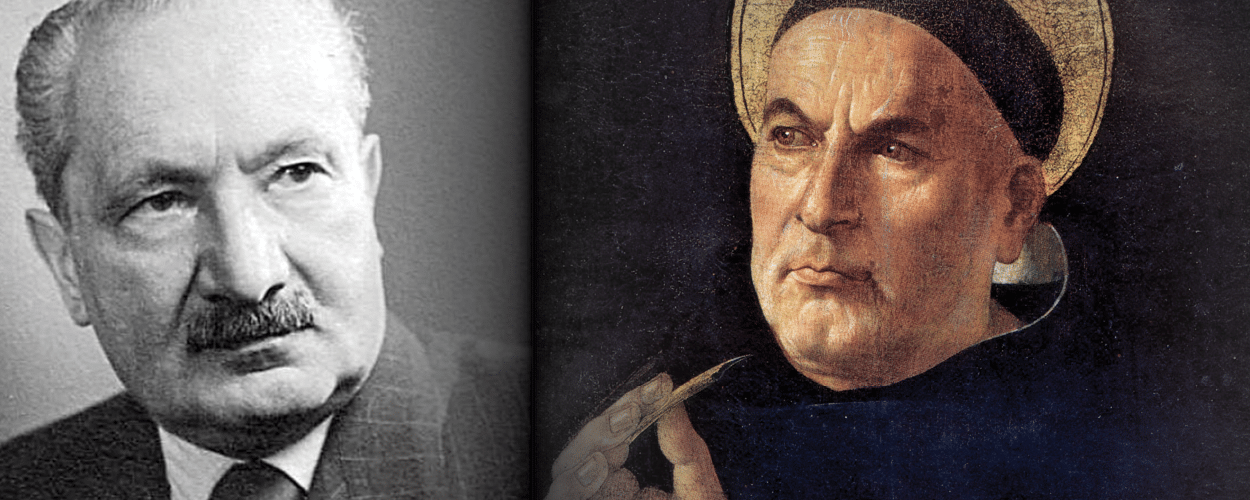
REGISTER HERE Open to current students and faculty. Copies of the readings will be provided for those who register. SCHEDULE 9:30am Coffee & Pastries 10:00am Session I 11:25am Break 11:35am Session II 1:00pm End, lunch REQUIRED READINGS Thomas Aquinas, Summa Theologica, I, Q.47, Art.1-2 (on creation); III, Q.60, Art.2-4 (on sacraments) Martin Heidegger, The Question Concerning Technology RECOMMENDED READINGS Francisco Benzoni. “Thomas Aquinas and Environmental Ethics: A Reconsideration of Providence and Salvation.” The Journal of Religion, Vol. 85, No. 3 (July 2005), pp. 446-476. Bernard Stiegler, Technics and Time, 1 (Stanford University Press, 1998) pp. 1-27.
Non-Credit Course on Modern Science and Christian Faith
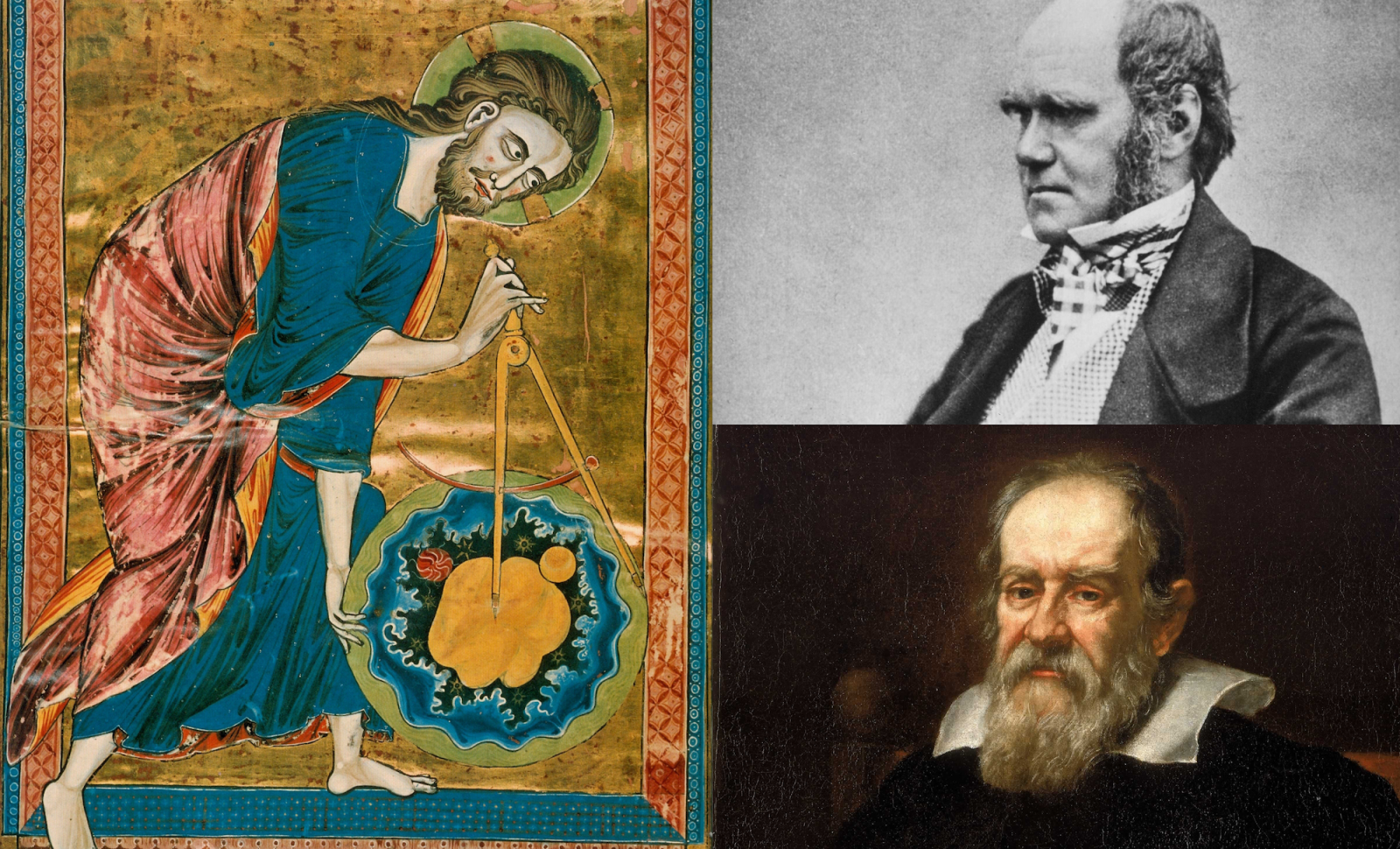
6:00 Dinner | 6:30 Lecture This weekly non-credit course is open to current students and faculty. Registrants are free to attend as many sessions as they choose. Sessions do not presuppose previous attendance or prior knowledge of the subject. This program is made possible by a grant from the John Templeton Foundation and The Our Sunday Visitor Institute. People of faith have been deeply involved in the pursuit of science throughout the history of the discipline, from pioneering advances like the Big Bang and the building blocks of modern genetics, to the everyday, incremental toil of research. Yet, it is…
Iris Murdoch on Philosophy and Literature
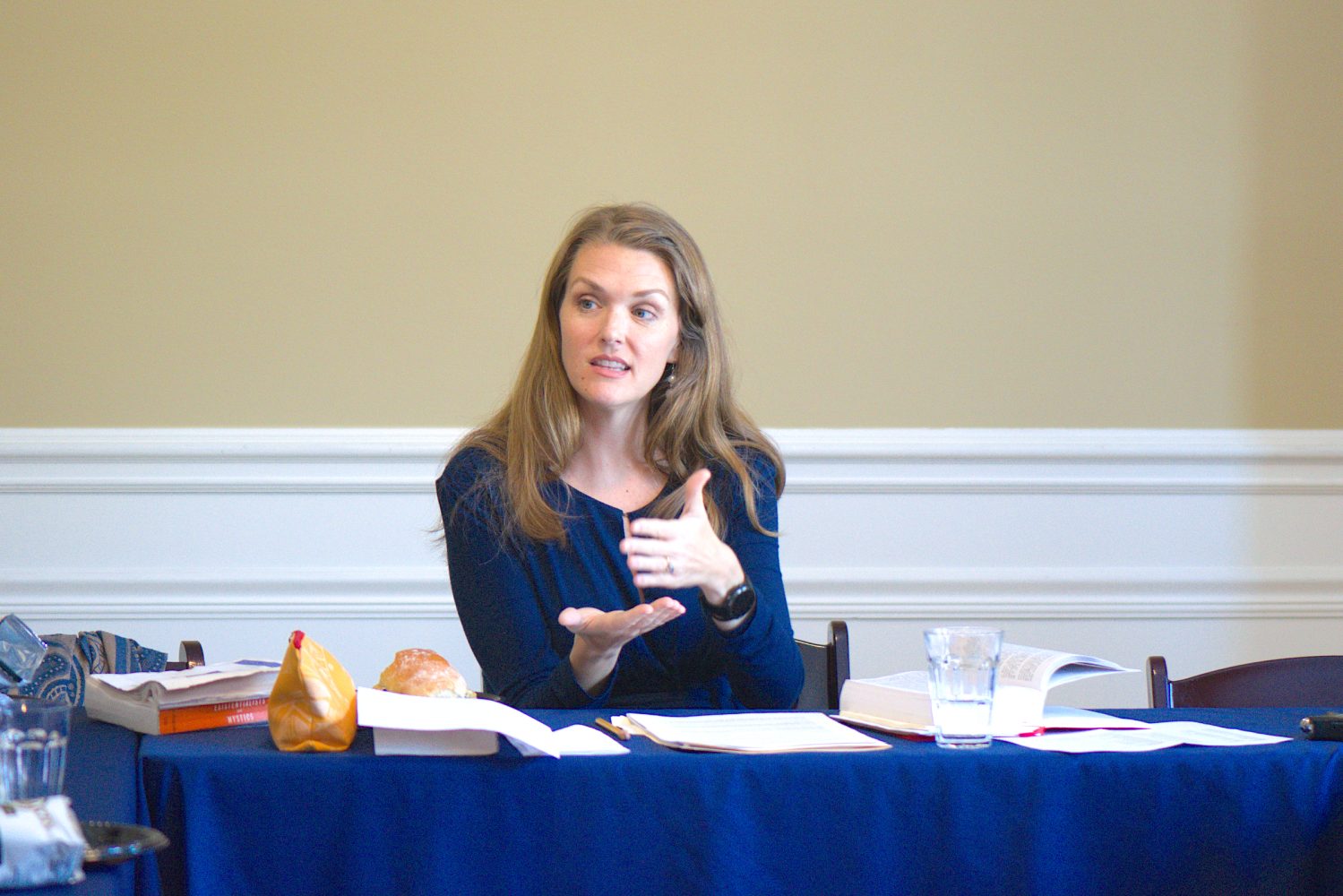
This luncheon seminar for students and faculty examined essays by Dame Iris Murdoch on literature, philosophy, morality, virtue, and the concept good. The focus of discussion centered on why Murdoch thinks truth, understood as a clear vision of reality, is the fundamental goal of literature, philosophy, and virtue. Iris Murdoch studied at Oxford and Cambridge (where she studied with Wittgenstein) and was close friends with the philosophers Elizabeth Anscombe and Philippa Foot. Murdoch was for many years a fellow of St. Anne’s College, Oxford, where she taught philosophy. In addition to two substantial books of philosophical essays, she also wrote twenty-six novels. Her…
Is it Rational to Believe in Miracles? A Discussion of David Hume’s Argument Against Believing in Miracles
Can one be rational and also believe in miracles? The philosophers of the Enlightenment held that it was impossible for the laws of nature to allow such ruptures: to believe in miracles was to be de-facto irrational. Voltaire said that a miracle was a “contradiction in terms,” and Thomas Jefferson famously cut all the miracles out of his Gospels with a razor. David Hume presented a famous argument against the rationality of believing in miracles in his Enquiry Concerning Human Understanding (Chapter 10). Over dinner on Saturday evening, Dr. Jason Cather (University of Chicago) will lead a discussion on Hume’s argument. Does it…
CANCELED: A Master Class on the Social and Political Thought of Pope Benedict XVI
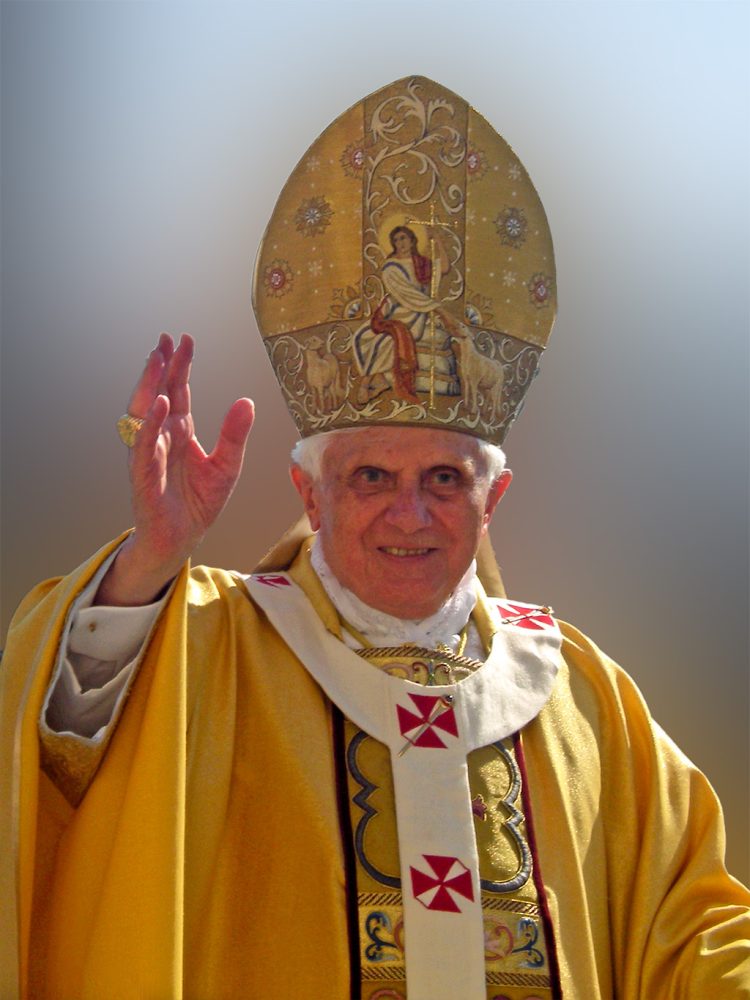
Due to travel restrictions in light of the spread of COVID-19, Msgr. Schallenberg will not be traveling to the US and thus will not be available to lead a master class. This event has been canceled, and we look forward to rescheduling this event for a later date. — Open to current students, faculty, and staff. Copies of the reading will be provided to registrants. Schedule: 9:30am Coffee & Pastries 10:00am Session I 11:25am Break 11:35am Session II 1:00pm End, lunch
CANCELED: Plato, Aristotle, Augustine, & Aquinas on the Soul

Due to restrictions put in place in response to the spread of COVID-19, this event has been postponed. We look forward to scheduling similar programming in the future. Further details TBA