
Irony and Humanity: A Dialogue between Jonathan Lear and Alasdair MacIntyre
Presented by the Committee on Social Thought and the Department of Philosophy. Co-sponsored by the Lumen Christi Institute. In his most recent book, A Case for Irony, Jonathan Lear argues that becoming a human being is a difficult task, and that developing a capacity for irony is essential to doing it well. He claims that ironic experience is a form of truthfulness that is constitutive of human flourishing, such that a capacity for irony is a kind of virtue or human excellence. Alasdair MacIntyre will join Lear in a conversation about his book.
“Thomas Aquinas on God and Evil”
Many people find that they cannot reconcile belief in the existence of God with the reality of evil; for if an all powerful and perfectly good God exists, then why is there so much suffering and injustice? Brian Davies, in his most recent book, Thomas Aquinas on God and Evil, argues that Aquinas gives us the proper theoretical framework for dealing with these tensions.
“A Critical Look at Ayn Rand”
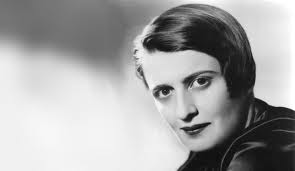
The continuing success of the books of Ayn Rand, even among Catholics, reveals the influence of her thought in debates on the role of the individual, community, market, and state in modern societies. At the same time, Rand’s success may have obscured fundamental flaws in her thought. A closer look at her philosophical, moral, political, and economic positions brings into question both the legitimacy of her success as well as the credulity of her disciples and the American public. Is it possible for anyone to be a legitimate philosopher in an age of clever marketing and mass consumption?
“Emotion and Virtue in Thomas Aquinas”
Co-sponsored by the Templeton Foundation and The Philosophy Department Abstract: For Aquinas, ethics is nothing other than the study of human psychology insofar as it flourishes or fails to flourish. Consequently, his thought on emotion is crucial to his account of virtue. This lecture will discuss Aquinas’s theory of the emotions and its implications for his virtue theory.
Newman, Vatican II, and the Hermeneutic of Continuity
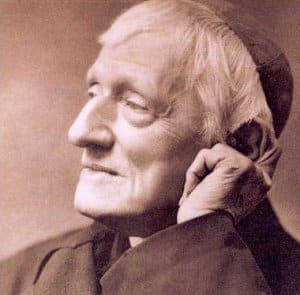
Often called the Father of the Second Vatican Council, Newman both anticipated a number of its teachings and, through his recovery of the thought of the early Church, provides a hermeneutic of continuity for interpreting the Council’s documents.
G.K. Chesterton on Humor
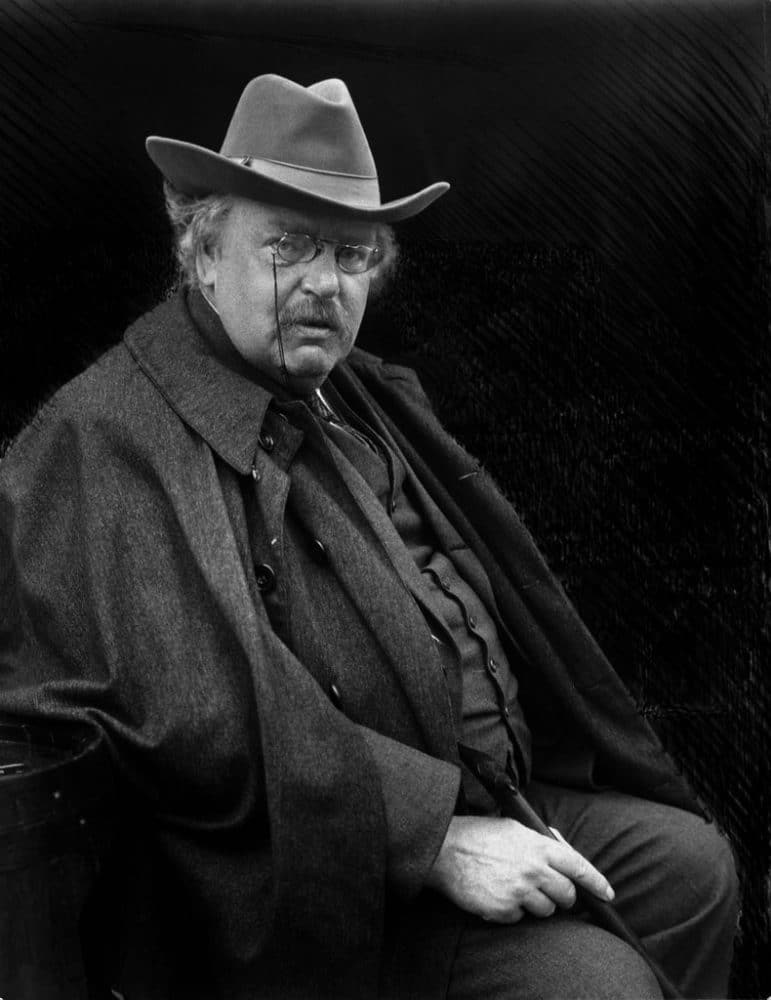
Co-sponsored by The Nicholson Center for British Studies, The American Chesterton Society, and the Literature and Philosophy Workshop Chesterton regarded comedy as important an art form as tragedy. He thought humor was integral to Christianity as opposed to paganism, and it was an essential part of his philosophy of wonder.
The Catholic Roots of Religious Freedom
Co-sponsored by the St. Thomas More Society The roots of modern ideas of religious freedom are as much religious as they are political and philosophical. The American political leaders who first championed these ideas were well aware of the religious sources supporting their views. This lecture explores how early Christian thinkers developed a theological understanding of religious freedom.
The Unintended Reformation”
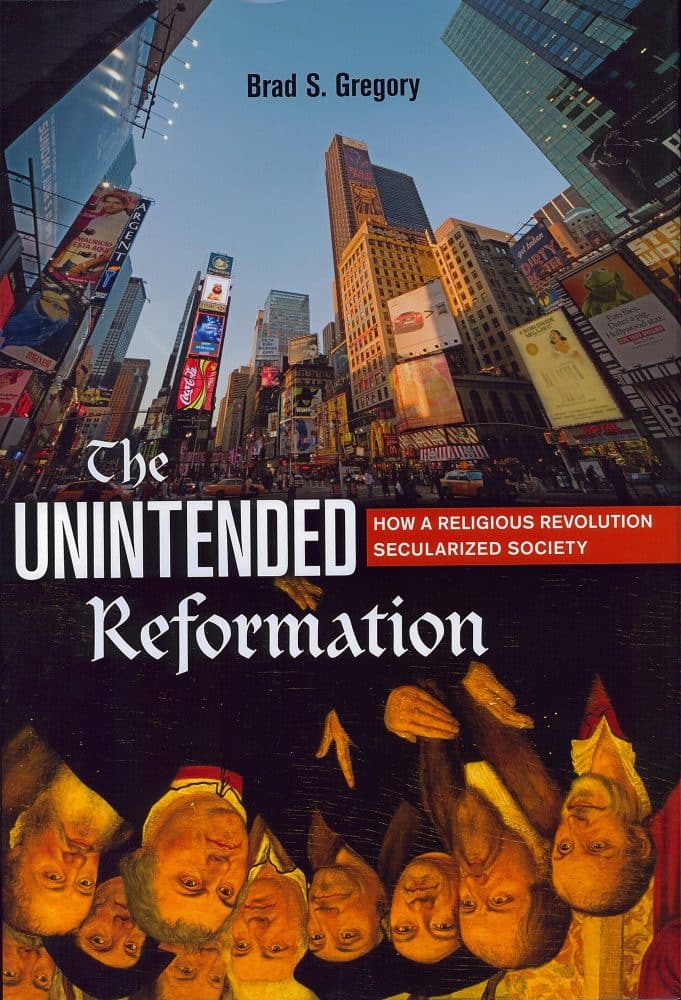
Co-sponsored by the Department of History and The Early Modern Workshop In his latest book, The Unintended Reformation, Brad Gregory identifies the unintended consequences of the Protestant Reformation and traces how it has shaped the modern condition. He argues that hyperpluralism, an absence of a shared sense of the common good, and the triumph of consumerism are each the long-term effects of a distinctive religious movement that marked the end of a period of history in which Christianity provided a framework for a shared intellectual, social, and moral life in the West.
“The Making of Thomas Aquinas’ Summa Theologiae”
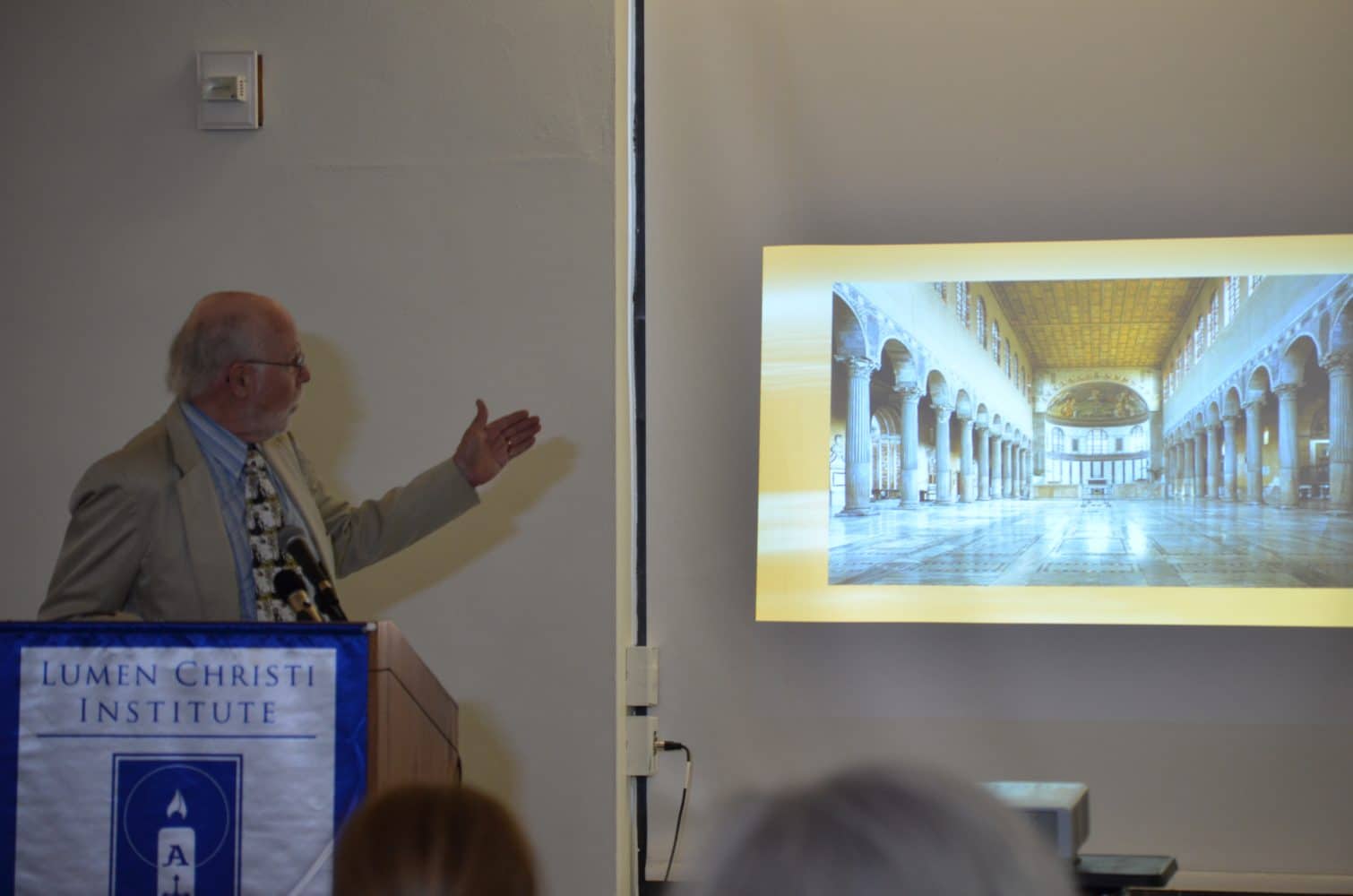
Co-sponsored by the Medieval Studies Workshop The Summa Theologiae of Thomas Aquinas stands among the finest expressions of the Catholic “understanding of faith” (intellectus fidei). Over a thousand commentaries have been written on it. A leading historian of Medieval Christian thought, Bernard McGinn explores Thomas’s reason for writing the Summa and its principles, structure, and originality.
A Conversation on Faith and Science, with Mark Wyman and Minyoung Wyman
This event is intended for college students. Dinner will be served. Contemporary culture is built in part on a mythology of the natural sciences. This mythology characterizes Christianity, particularly Catholicism, as a reactionary force clinging to a pre-modern worldview that brave men and women have replaced with a modern, scientific one. Two postdoctoral researchers at the University of Chicago’s theoretical cosmologist and an evolutionary biologist will explain why this myth is false. Each will give a brief account of their own experience as scientists and reflect on the compatibility of faith and modern science. Ample time for questions and discussion will…