
Master Class on “Heidegger & Aquinas on the Question Concerning Technology”
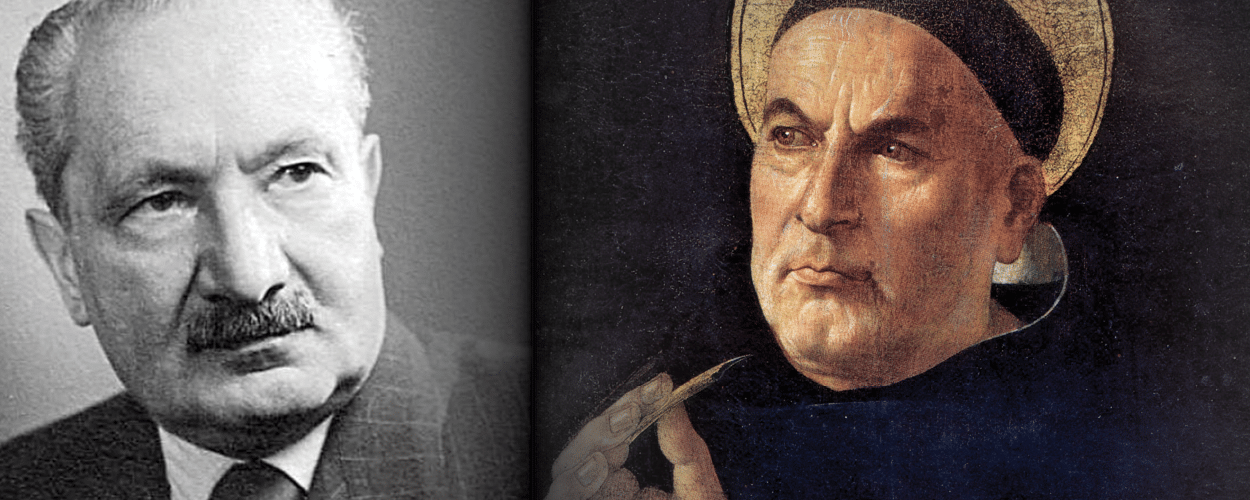
REGISTER HERE Open to current students and faculty. Copies of the readings will be provided for those who register. SCHEDULE 9:30am Coffee & Pastries 10:00am Session I 11:25am Break 11:35am Session II 1:00pm End, lunch REQUIRED READINGS Thomas Aquinas, Summa Theologica, I, Q.47, Art.1-2 (on creation); III, Q.60, Art.2-4 (on sacraments) Martin Heidegger, The Question Concerning Technology RECOMMENDED READINGS Francisco Benzoni. “Thomas Aquinas and Environmental Ethics: A Reconsideration of Providence and Salvation.” The Journal of Religion, Vol. 85, No. 3 (July 2005), pp. 446-476. Bernard Stiegler, Technics and Time, 1 (Stanford University Press, 1998) pp. 1-27.
WEBINAR: Gregory the Great on Reading Scripture for Wisdom
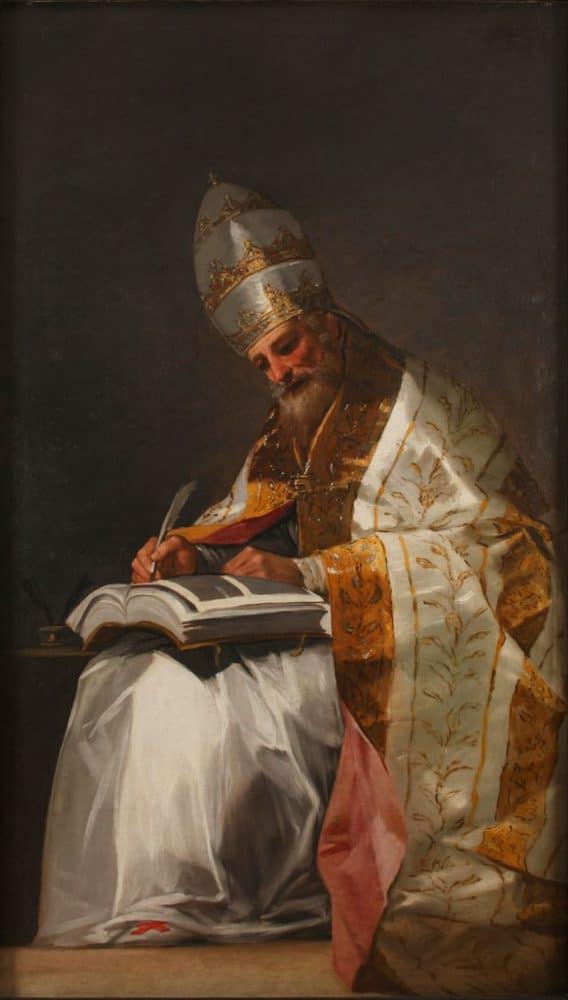
This event is free and open to the public. Online registration is required. Registrants will receive an email witha link to join the webinar on Zoom. How can scripture guide our search for wisdom? Bernard McGinn, professor emeritus in the Divinity School of the University of Chicago, begins our webinar series on Reason and Wisdom in Medieval Christian Thought by presenting on Gregory the Great and reading scripture for wisdom. Pope Saint Gregory the Great lived in an age of tumult–war, waves of disease, economic depression, and civil deterioration. Alongside his administrative reforms and leadership, Gregory described a spirituality that centered around…
WEBINAR: Anselm of Canterbury on the Rationality of Faith
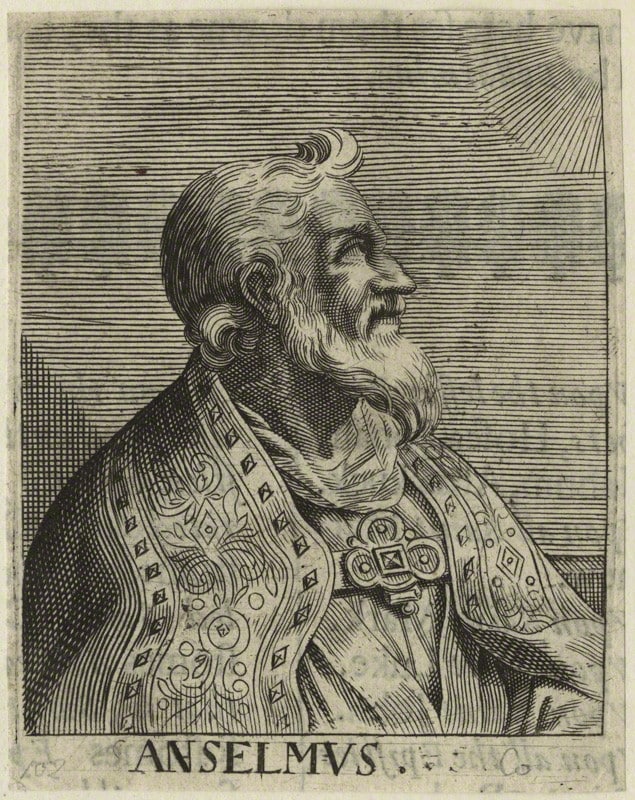
This event is free and open to the public. Online registration is required. Registrants will receive a link to the webinar via email. You can also watch the live stream of the lecture on our YouTube Channel. Join us for the second installment of our Spring Webinar Series. Professor Aaron Canty, who teaches theology and medieval thought at Saint Xavier University, will present on the thought of Saint Anselm of Canterbury (d. 1106). Anselm was a startlingly original monastic writer and thinker who drank deeply of Augustinian and patristic theology but formulated his own theological and philosophical writings in spare…
WEBINAR: Thomas Aquinas on Ways to Know God
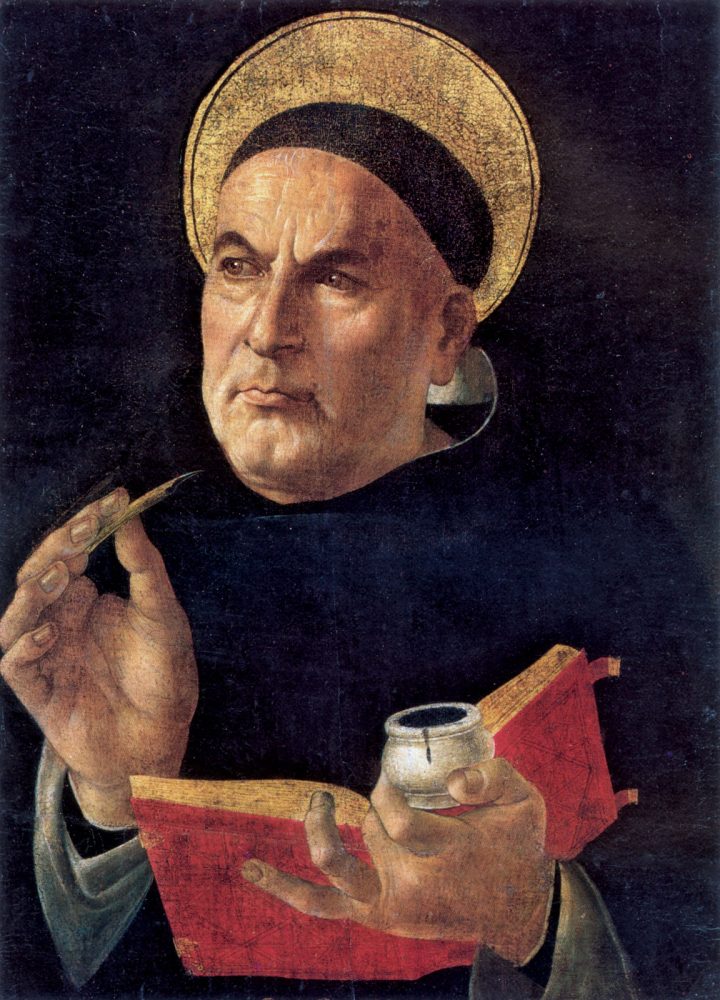
Join us for the third installment of our Spring Webinar Series. Professor Brian Carl, who teaches philosophy at the University of St Thomas in Houston, will present on the thought of Saint Thomas of Aquinas, O.P. (d. 1274) on the ways to know God. Thomas was a friar of the Order of Preachers whose capacious mind bequeathed many treasures for the Christian tradition, including scriptural commentaries, philosophical treatises and commentary, his Summa theologiae, and devotional and liturgical texts. Thomas’ approach to the knowledge of God is complex, acknowledging dialectical, rational, as well as revelatory, gracious, and mystical modes. This lecture…
WEBINAR: Hildegard of Bingen
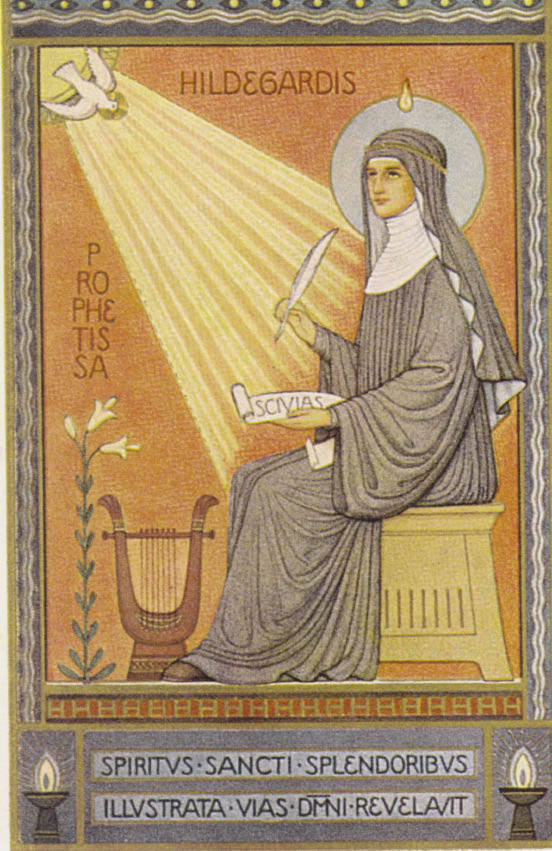
Join us for our fourth Spring Webinar Series lecture with renowned medievalist Barbara Newman, who will introduce us to the life of Hildegard of Bingen (1098-1169). A German Benedictine Abbess, Hildegard produced works of visionary theology drawn from her mystical vision and one of the largest surviving collections of medieval musical compositions. As a female religious in the 12th century, she held a remarkable influence in the Church through preaching tours across Germany and correspondence with popes, emperors, and other monastic reformers. In 2012, she was named a Doctor of the Church by Pope Benedict XVI. This lecture is part of…
WEBINAR: On Peter Abelard and Bernard of Clairvaux
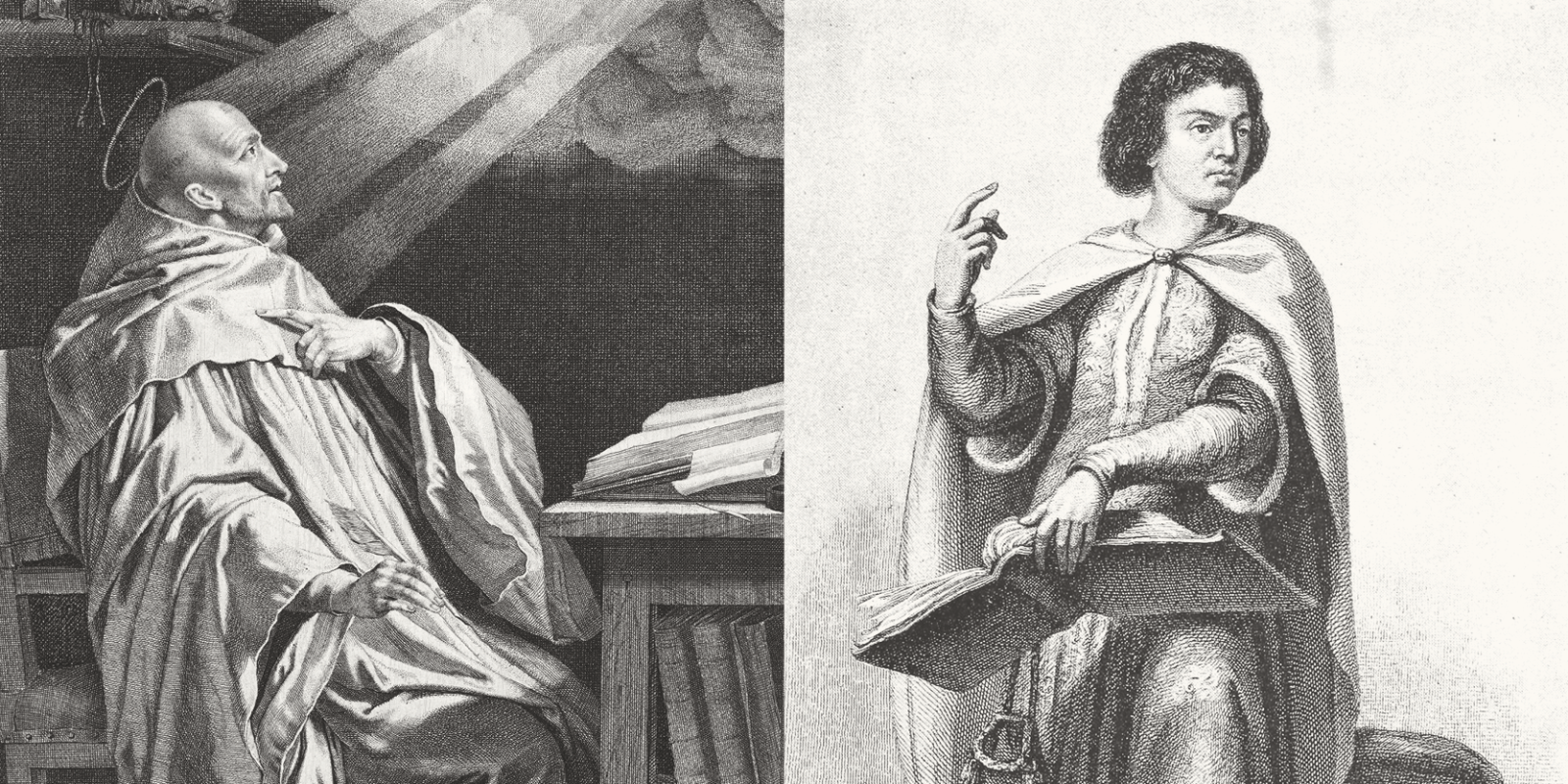
Peter Abelard (d. 1142) and Bernard of Clairvaux (d. 1153) were contemporaries who both emerged from the new twelfth-century schools. But their dispositions, personalities, and eventual conflict have come to represent a conflict between the rising scholastic and the traditional monastic cultures of learning. Professor Willemien Otten will introduce these iconic twelfth-century personalities, the direction of their work, and the theological controversy that put them on opposing sides. This lecture is part of our Spring Webinar Series on “Reason and Wisdom in Medieval Christian Thought” What can reason discover about God? Are there other possible ways to know God? Medieval Christians undertook great…
CANCELED: Brian Patrick McGuire on St. Bernard of Clairvaux
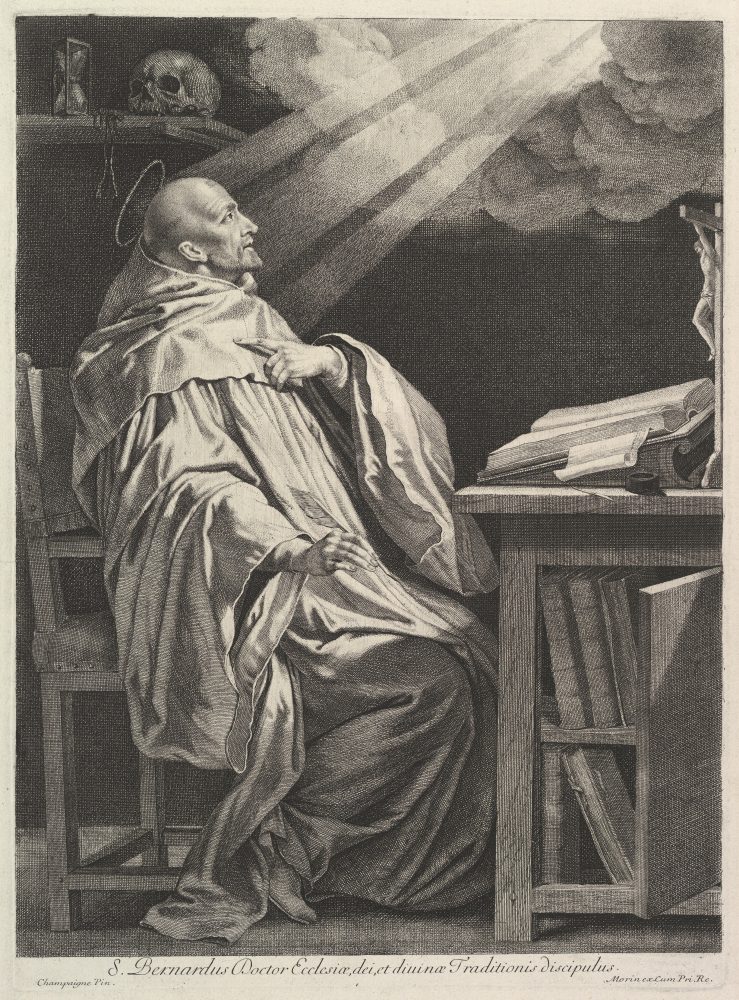
Due to restrictions put in place in response to the spread of COVID-19, this event has been postponed. We look forward to scheduling similar programming in the future. Details for this event TBA
WEBINAR: The Wisdom of Enclosure in Julian of Norwich’s Showings
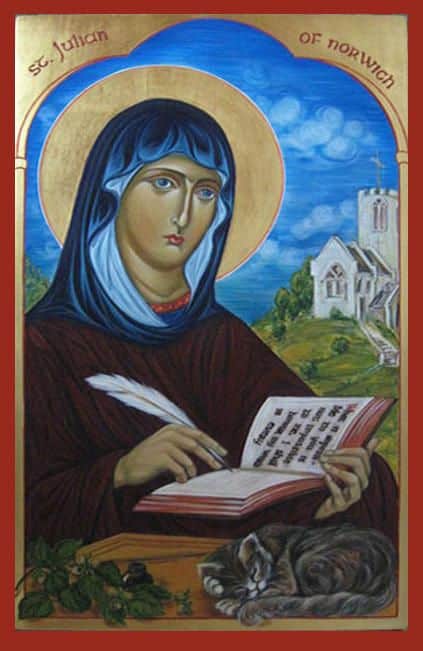
Julian of Norwich (d. ca. 1416) was a widely respected and sought-out English thinker and spiritual counsellor. She lived as an anchorite, enclosed in a cell attached to a church in Norwich, Julian’s Showings are a book of spiritual visions that emerged from her life of prayer and that wrestle with the profound theological mysteries of fitting evil and suffering with God’s mercy and love. Professor Katie Bugyis will examine Julian’s thought in the context of her vocation of enclosed prayer. This lecture is part of our Spring Webinar Series on “Reason and Wisdom in Medieval Christian Thought” What can reason discover about…
WEBINAR: Apocalypticism in Times of Crisis
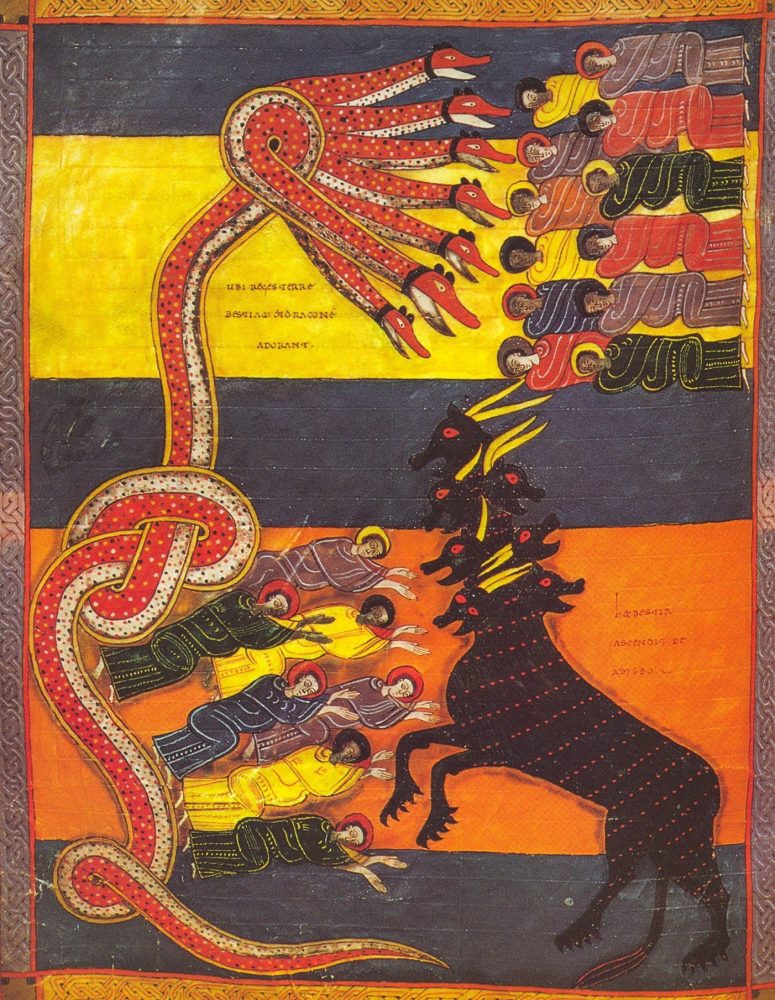
Cosponsored by America Media, the Saint Benedict Institute, the Nova Forum, the Collegium Institute, the Beatrice Institute, the Institute for Faith and Culture, the Harvard Catholic Center, Saint Paul’s University Catholic Center, and the Martin Marty Center for the Public Understanding of Religion at the University of Chicago Divinity School. Plague, political turmoil, famine—throughout Christian history, local catastrophes spurred on a sense of cosmic crisis, judgement, and prophetic fulfillment. What role has this apocalyptic imagination played for Christian communities? How does it continue to shape Christian responses to today’s global pandemic? Join for a conversation with scholars of medieval Christianity Bernard McGinn…
WEBINAR: St. Bonaventure
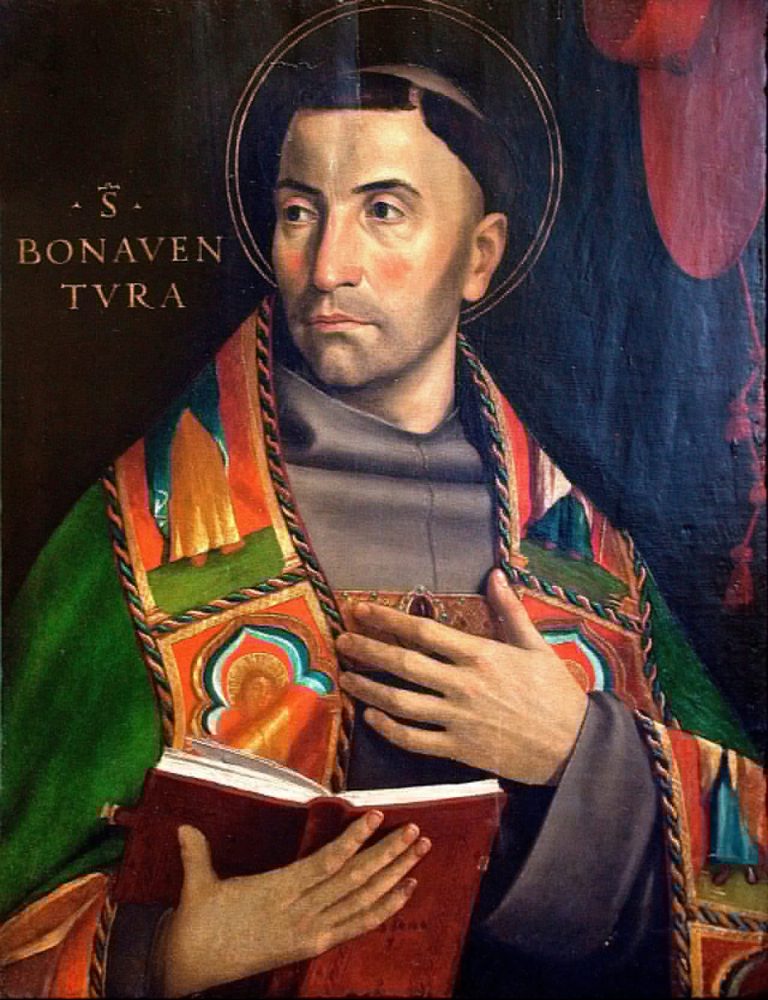
Bonaventure (d. 1274) was a pivotal figure whose complex responded effectively to the challenges of his day and inspired both theological and philosophical thought up to the present day. As a contemporary of fellow mendicant St Thomas Aquinas, Bonaventure also taught at the University of Paris and formulated an original approach to the new Aristotelian thought. Later known as the Seraphic Doctor, Bonaventure fused profound theological thought with heart-felt spirituality and set out a vision of the life and charism of the recent St Francis of Assisi to provide peace-making leadership for the new Franciscan order. Professor Kevin Hughes will…