
Being, Nature, Grace: Clashing Visions in Milbank and Aquinas
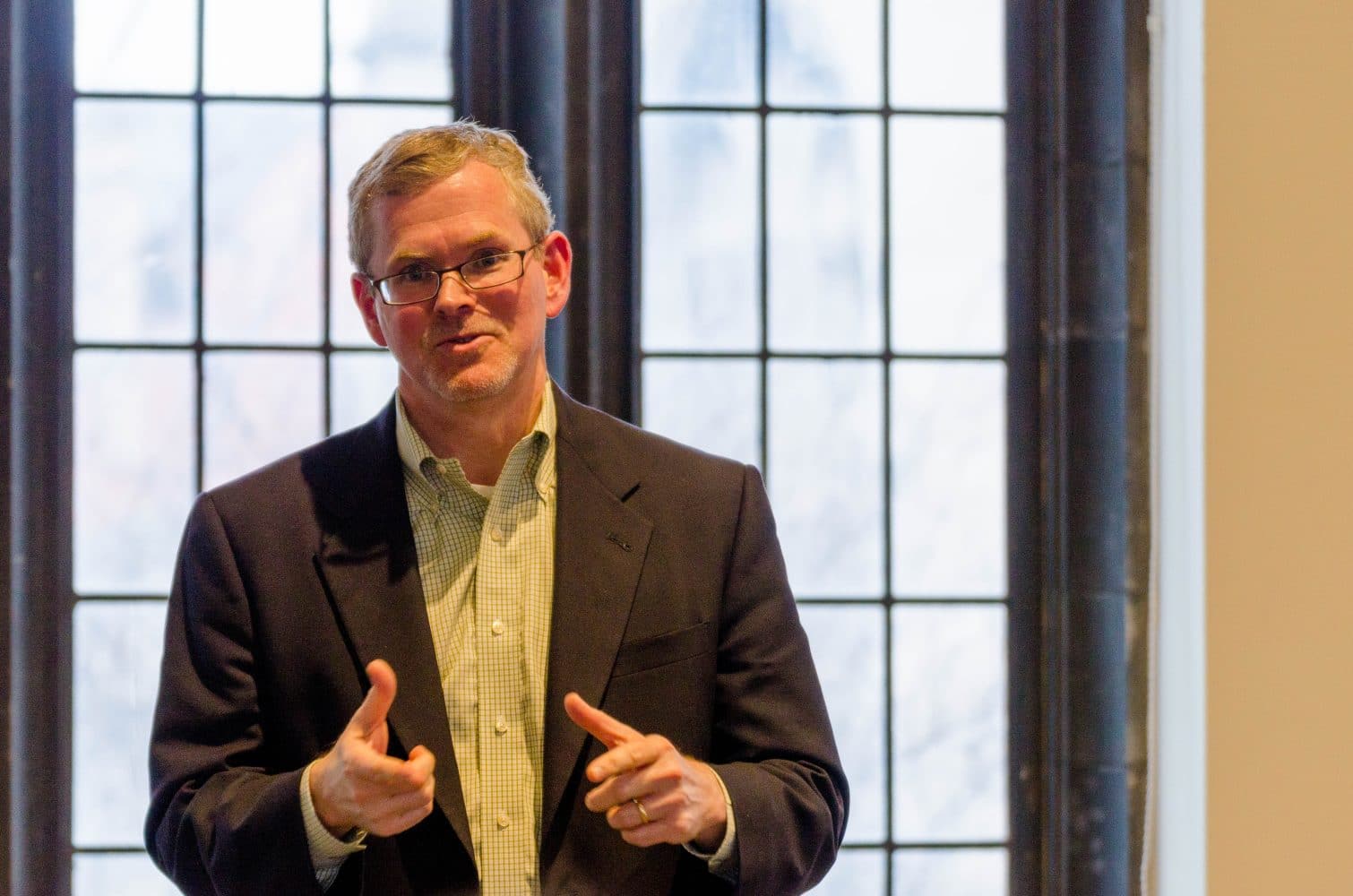
To view photos of the lecture, visit Lumen Christi’s Facebook page. Free and open to the public. Cosponsored by the Martin Marty Center for the Public Understanding of Religion at the University of Chicago Divinity School and the Theology Club of the University of Chicago Divinity School. Persons with disabilities who may need assistance should contact us at 773-955-5887 or by email. Drawing from a chapter taken from a book in draft, in this talk DeHart will critically evaluate John Milbank’s understanding of the relationship between creation and divine grace and offer an alternative, sourced in Aquinas, that he considers more adequate.
Master Class on “Heidegger & Aquinas on the Question Concerning Technology”
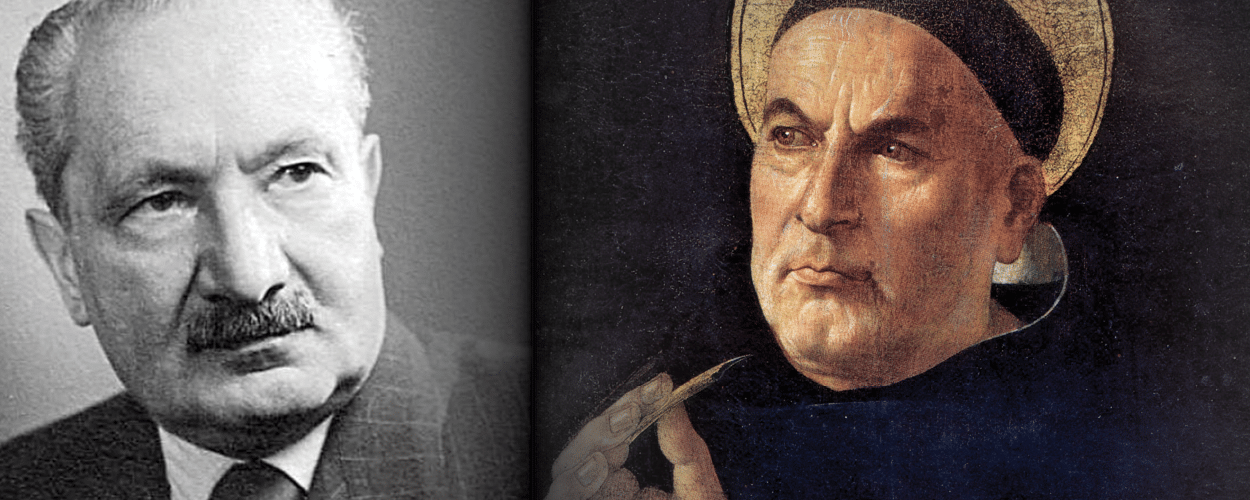
REGISTER HERE Open to current students and faculty. Copies of the readings will be provided for those who register. SCHEDULE 9:30am Coffee & Pastries 10:00am Session I 11:25am Break 11:35am Session II 1:00pm End, lunch REQUIRED READINGS Thomas Aquinas, Summa Theologica, I, Q.47, Art.1-2 (on creation); III, Q.60, Art.2-4 (on sacraments) Martin Heidegger, The Question Concerning Technology RECOMMENDED READINGS Francisco Benzoni. “Thomas Aquinas and Environmental Ethics: A Reconsideration of Providence and Salvation.” The Journal of Religion, Vol. 85, No. 3 (July 2005), pp. 446-476. Bernard Stiegler, Technics and Time, 1 (Stanford University Press, 1998) pp. 1-27.
WEBINAR: Thomas Aquinas on Ways to Know God
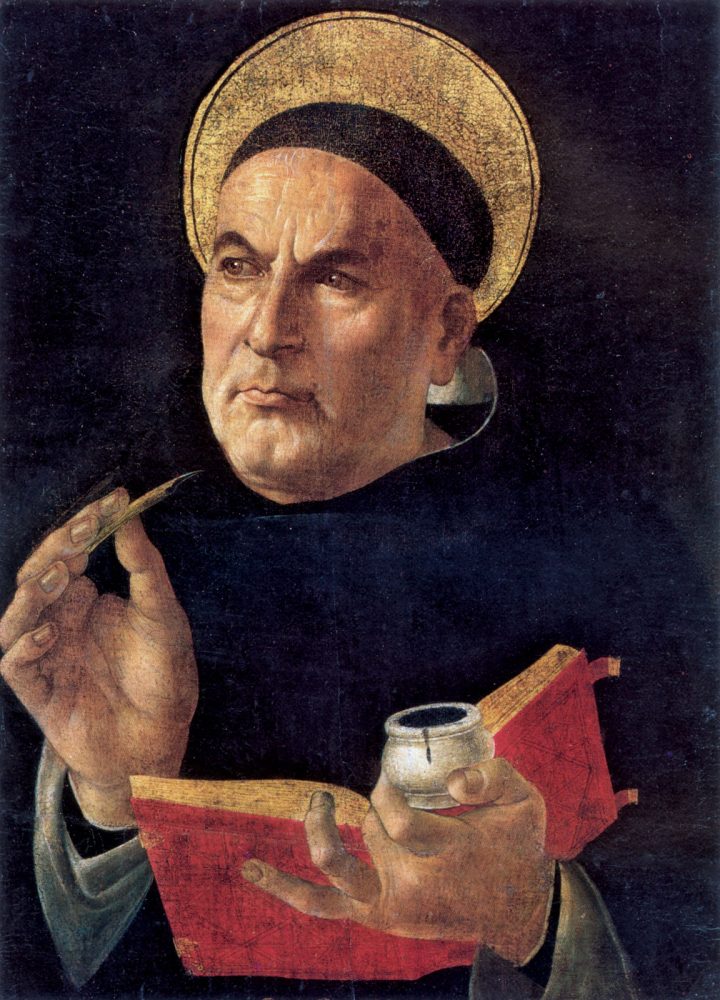
Join us for the third installment of our Spring Webinar Series. Professor Brian Carl, who teaches philosophy at the University of St Thomas in Houston, will present on the thought of Saint Thomas of Aquinas, O.P. (d. 1274) on the ways to know God. Thomas was a friar of the Order of Preachers whose capacious mind bequeathed many treasures for the Christian tradition, including scriptural commentaries, philosophical treatises and commentary, his Summa theologiae, and devotional and liturgical texts. Thomas’ approach to the knowledge of God is complex, acknowledging dialectical, rational, as well as revelatory, gracious, and mystical modes. This lecture…
God and Morality: Francisco Suarez’s Reading of Thomas Aquinas
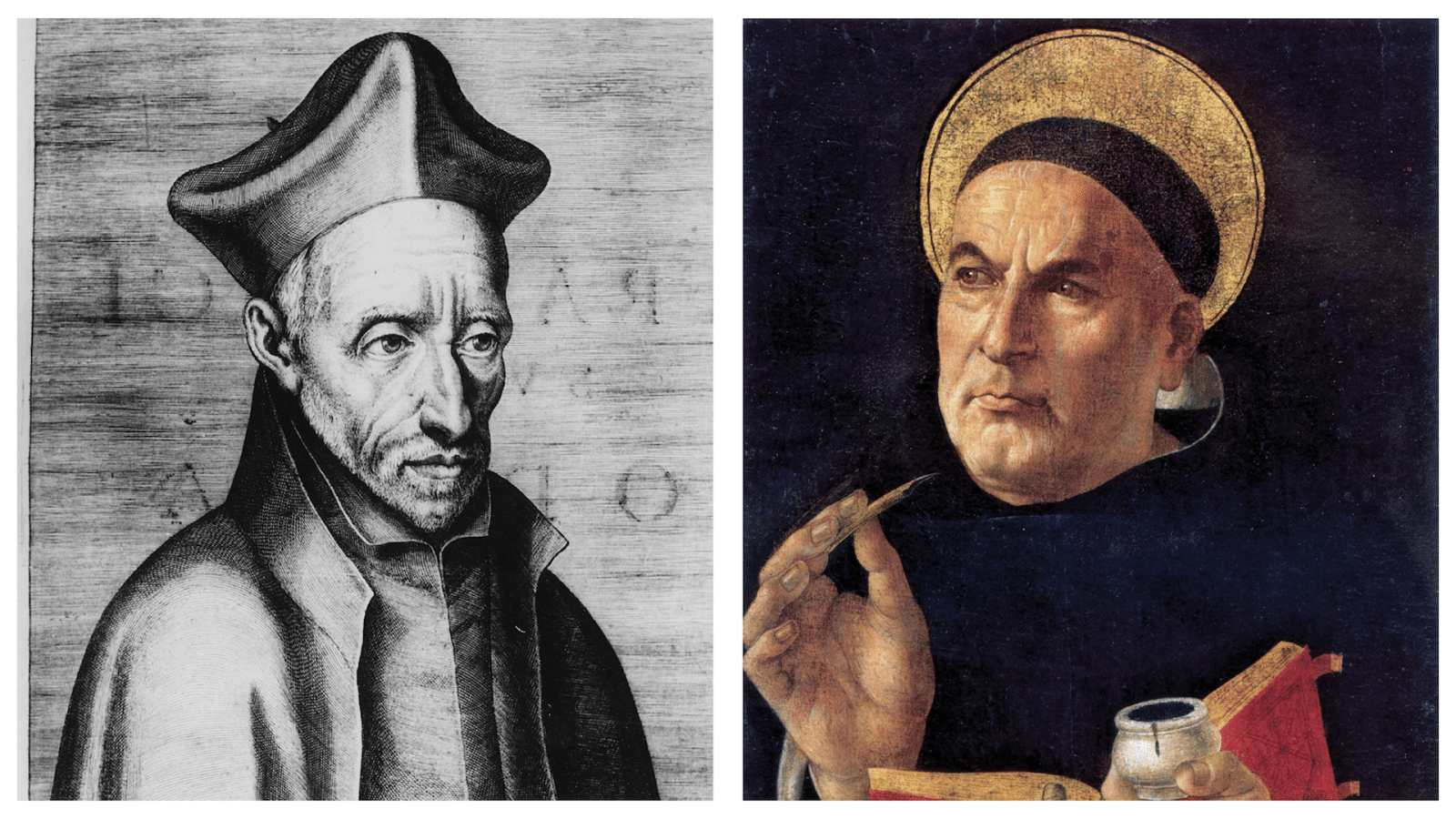
Registration is full. Please contact us if you would like to be put on the waitlist. This master class is open to current graduate students. It will take place online on Zoom. Others interested in participating should contact us. Are wrong actions wrong only because the law of God forbids them, or does it forbid (at least some of) them because they are wrong in themselves? Francisco Suárez famously answers this Euthyphro-like question in a way that steers between rationalism and divine voluntarism. He takes it to be Saint Thomas Aquinas’s way, and so do many after him. In this master class,…
On the Eternity of the World: Aristotle, Bonaventure, Aquinas, Kant
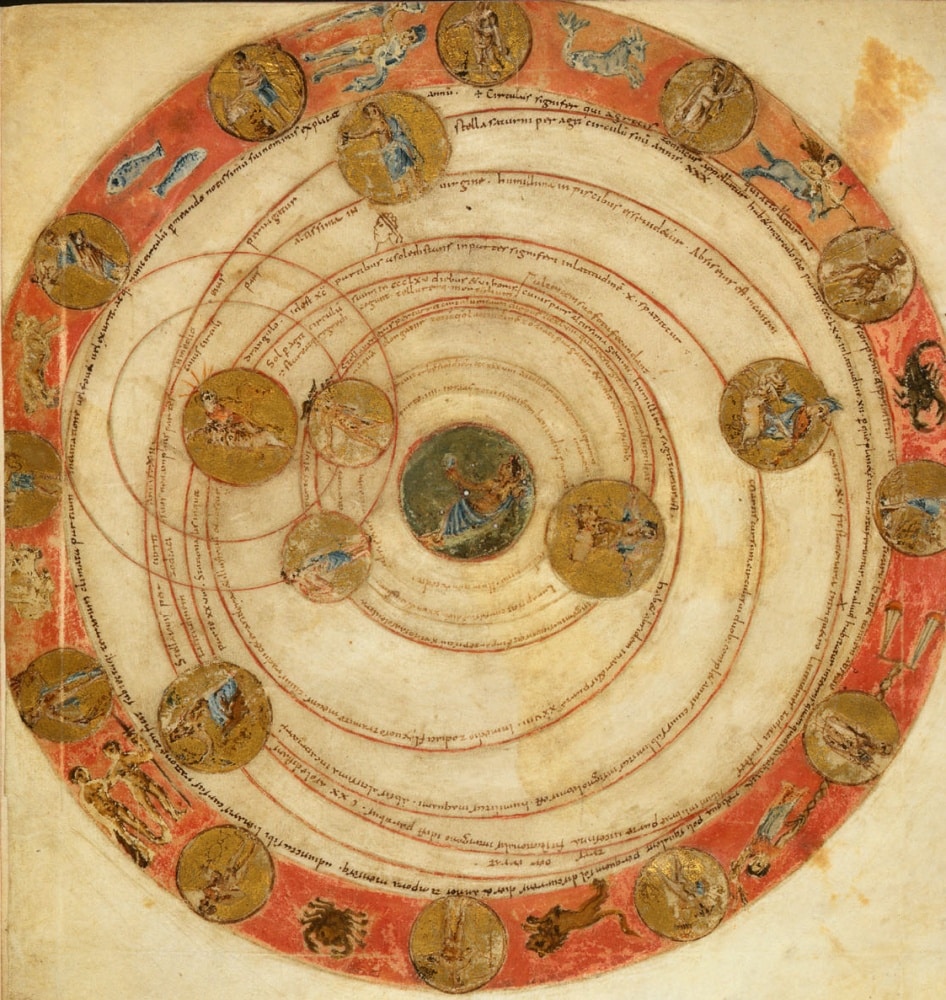
This master class is open to current graduate students and uper-level University of Chicago undergraduates. It will take place online via Zoom, in four sessions, over two days. Toward the end of his Physics, Aristotle argued that the motion in the physical world, and with it the world itself, never began and will never cease. Medieval Christian thinkers agreed that this position conflicted with revelation, but they assessed it in a wide variety of ways. In modernity, Kant used the problem of the world’s duration as evidence of the boundaries of mere reason. In this master class, we will go through…
Was Something Lost? Thomas Aquinas, Intellectual Disability, and the 16th Century Spanish Colonial Debates
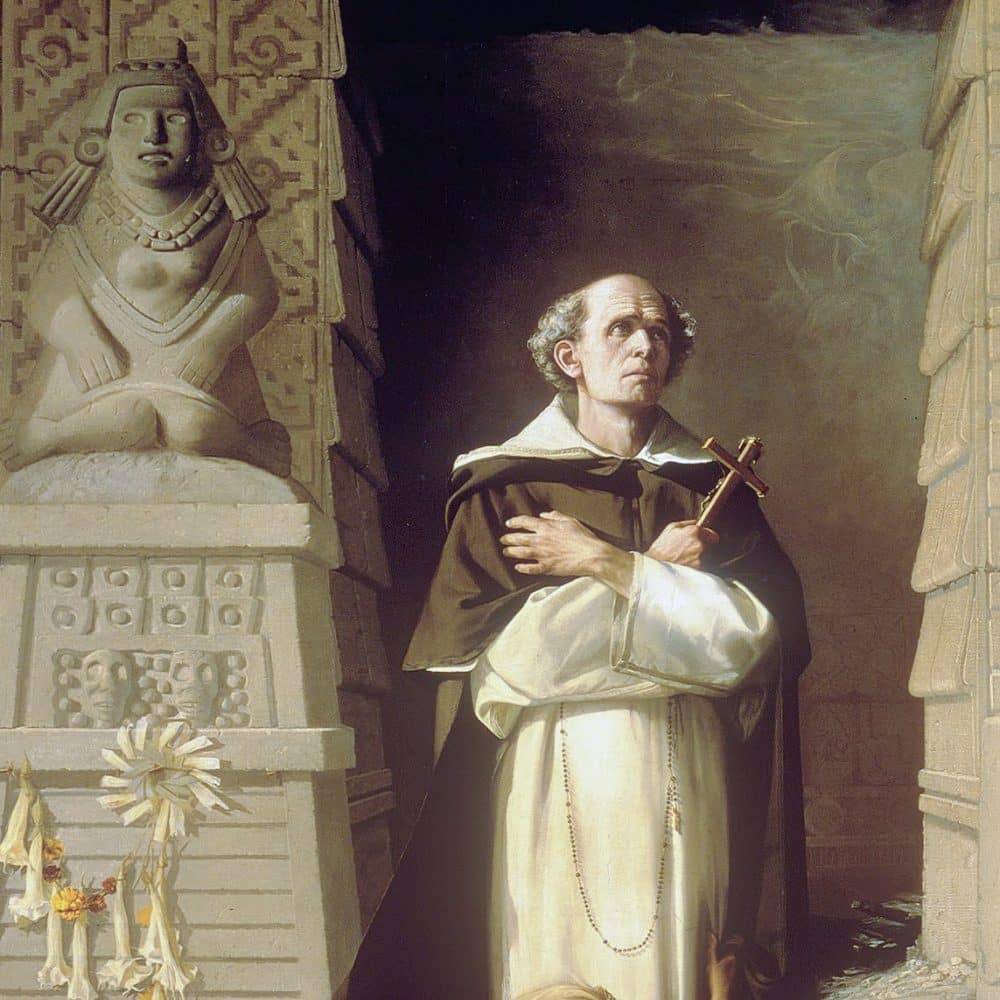
Free and open to the public. This event will be held online through Zoom (registration required) and live-streamed to YouTube. This event is part of a webinar series on Hispanic Theology. This event and series is made possible by a generous grant from the Our Sunday Visitor Institute. This event is cosponsored by the National Catholic Partnership on Disability. Live closed captioning will be made available on Zoom. In the 16th century, there was a subtle shift in the way the Spanish Dominican interpreters of Thomas Aquinas spoke about the anthropological and moral significance of our rational faculties. Historical and textual markers, indicating both the…
Conscience and Human Rights in Thomas Aquinas and Some Predecessors
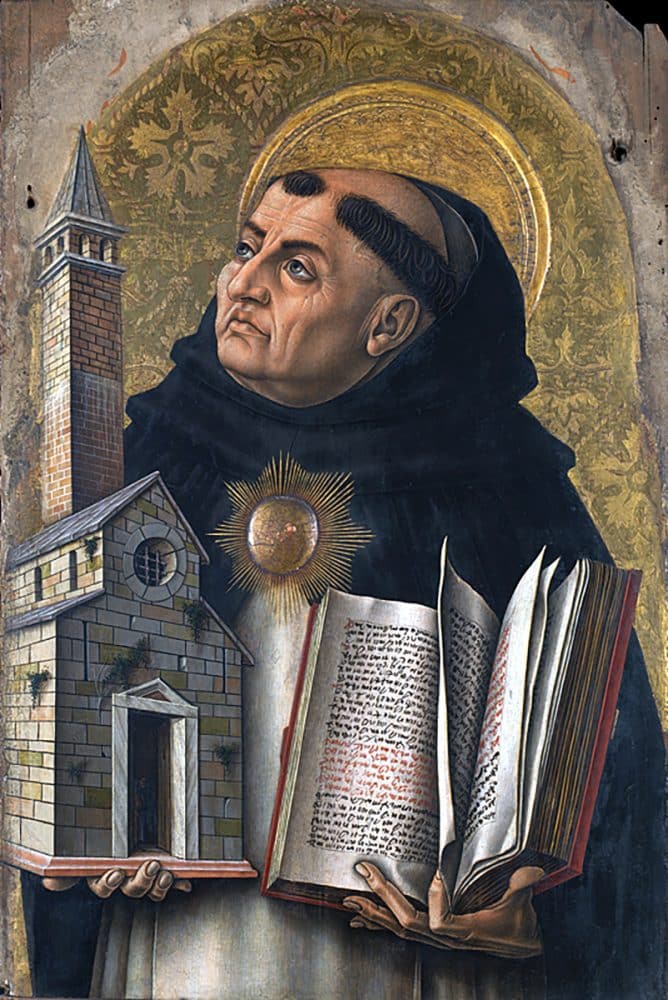
Free and open to the public. Registration is required. Contact us with any questions. Note the time for this event has been changed from 4:30 p.m. to 5:00 p.m. In discussions of the history of the philosophy of human rights, typically a distinction is made between theories that understand rights as objective and those that understand them as subjective (or, to use a more contemporary term, more “personalistic”). This talk relates this issue to the history of reflection, especially by Christian thinkers leading up to the thirteenth century, regarding conscience. It argues ultimately that Thomas Aquinas’s understanding of conscience, influenced as…
Symposium on “The Light that Binds: A Study in Thomas Aquinas’s Metaphysics of Natural Law”
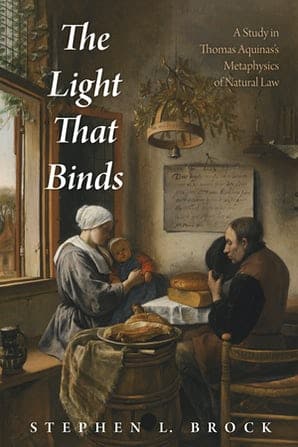
A symposium on The Light that Binds: A Study in Thomas Aquinas’s Metaphysics of Natural Law by Fr. Stephen L. Brock (Wipf and Stock, 2020). Free and open to the public. Registration is required. Cosponsored by Wipf and Stock Publishers, the Department of History at the University of Chicago, and the Seminary Co-op Bookstore. Contact us with any questions. ABOUT THE BOOK If there is any one author in the history of moral thought who has come to be associated with the idea of natural law, it is Saint Thomas Aquinas. Many things have been written about Aquinas’s natural law teaching, and from…
Retribution and St. Thomas Aquinas’s Teaching on Justice
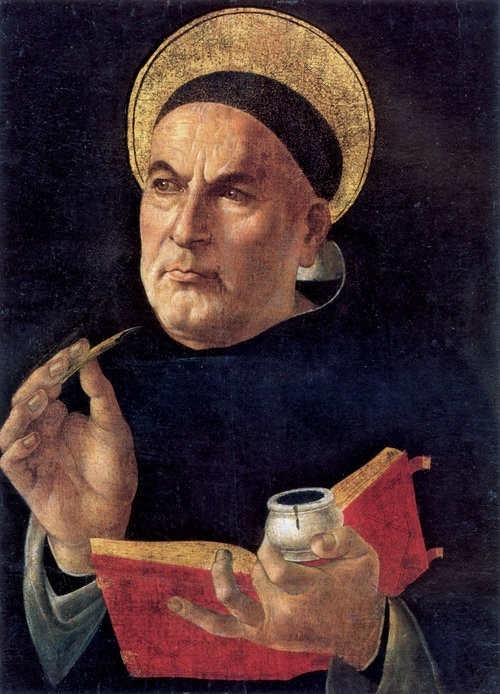
Open to current students and faculty. This event is co-sponsored by the St. Thomas More Society at the University of Chicago Law School. Others interested in participating should contact info@lumenchristi.org. This event is in-person only. All registrants will receive pdfs of the selected readings, which should be read in advance of the class. An optional wine and cheese reception will follow. Thomas Aquinas assigns two functions to punishment, retributive and medicinal. He sees the retributive function as the primary one, pertaining to the very idea of punishment, and it will be the focus of this master class. The aim will…
Can We Be Good On Our Own? Ancient Pagans and Modern Scientists on Thomistic Moral Virtue
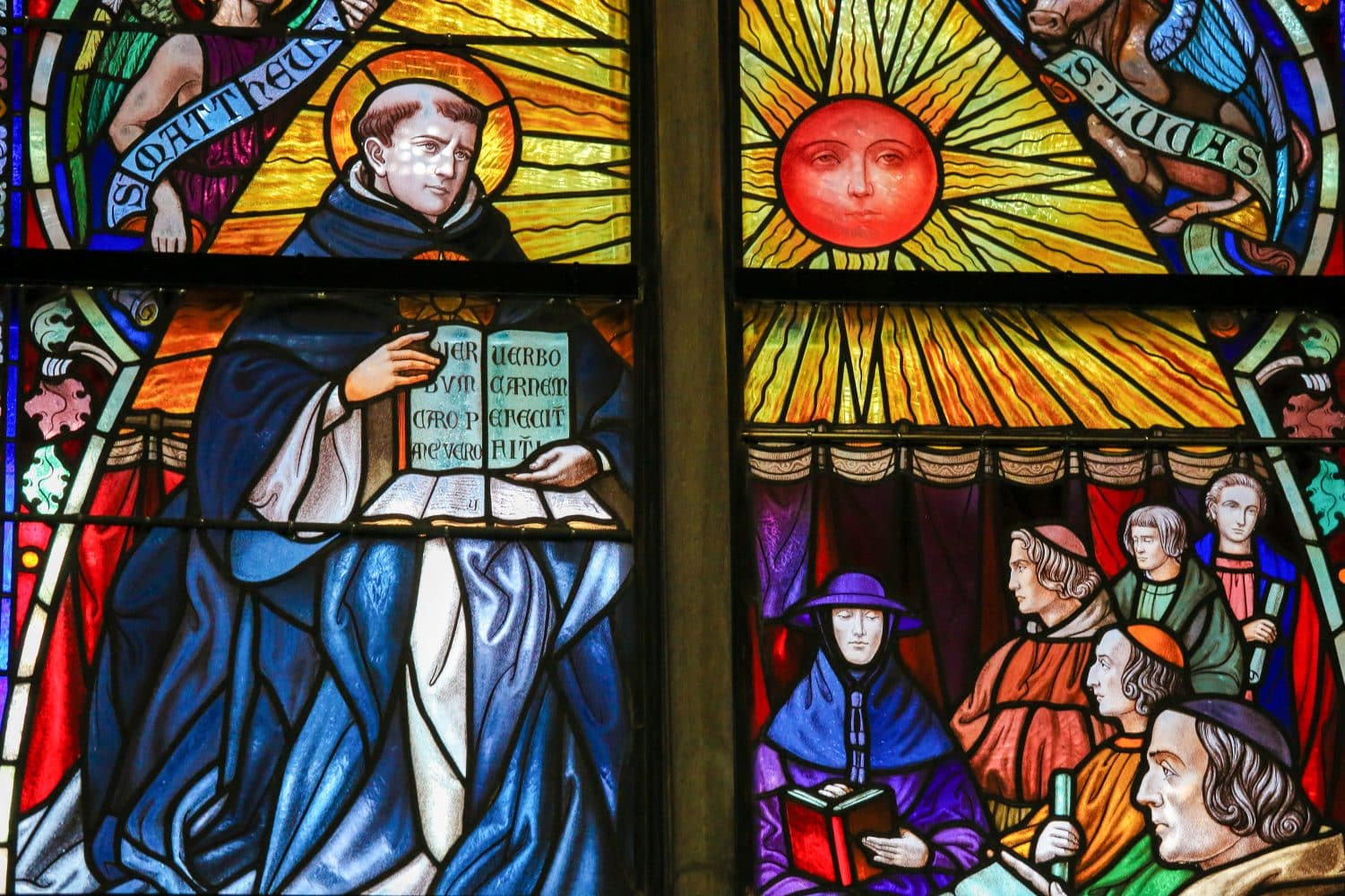
Open to students and faculty. For more information, contact dstrobach@lumenchristi.org. This event is cosponsored by the University of Notre Dame Press and made possible through the support of ‘In Lumine: Supporting the Catholic Intellectual Tradition on Campuses Nationwide’ (Grant #62372) from the John Templeton Foundation. Thomas Aquinas, like a good Aristotelian, holds that the moral virtues can be cultivated in human beings by habitual moral action. And like a good Christian, he also holds that God can gift (or ‘infuse’) the moral virtues into a human being. Can humans become good on their own? Or do they require external assistance? …