
Expanding the Archive: Syriac Literature and the Study of Early Christianity Today
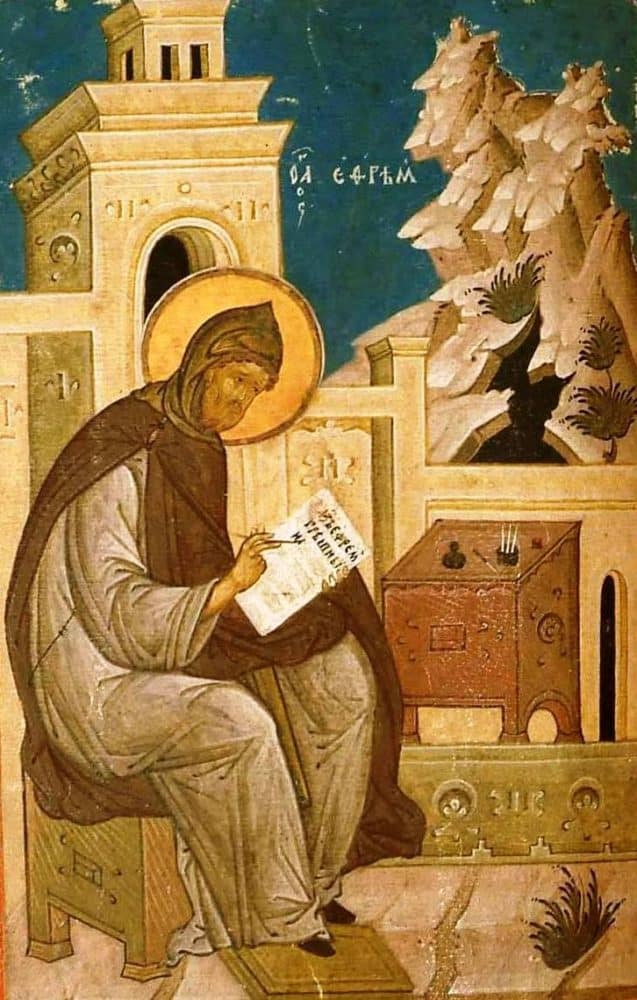
Through the work of editing and translating Syriac manuscripts, scholars continue to enrich our historiography of the formative centuries of Christianity. This research has been particularly fruitful in the areas of biblical interpretation, asceticism, the history of doctrine, and the role of women within the church. Dr. Walsh will provide a brief overview of these developments before focusing on the importance of poetry for biblical storytelling and spiritual formation. Using examples from the poetry of Narsai and Jacob of Serugh, Dr. Walsh will explore the ways poets inherited the legacy of Ephrem and applied their own artistic brilliance to articulate…
Master Class on Yves Simon on Natural Law
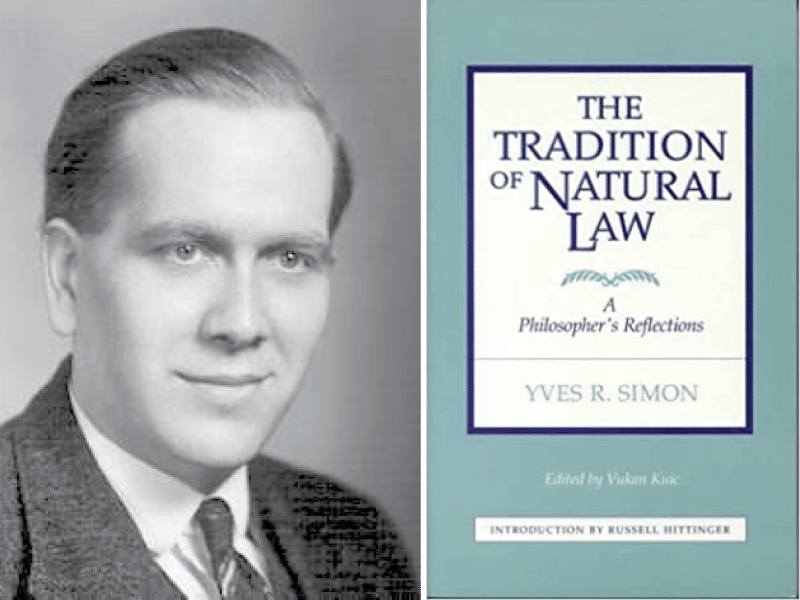
A FOLLOW UP MASTER CLASS ON PART 2 OF THE BOOK WILL BE HELD ON JANUARY 15. Open to current graduate students. It will take place online on Zoom. Copies of the readings will be provided. Others interested in participating should contact us. Join us for a master class on Yves Simon’s The Tradition of Natural Law: A Philosopher’s Reflections (Fordham University Press, 1999). You can watch Professor Hittinger’s lecture on Part 1 of the book here. ABOUT THE BOOK The tradition of natural law is one of the foundations of Western civilization. At its heart is the conviction that there is an…
Master Class on Yves Simon on Natural Law, Part 2
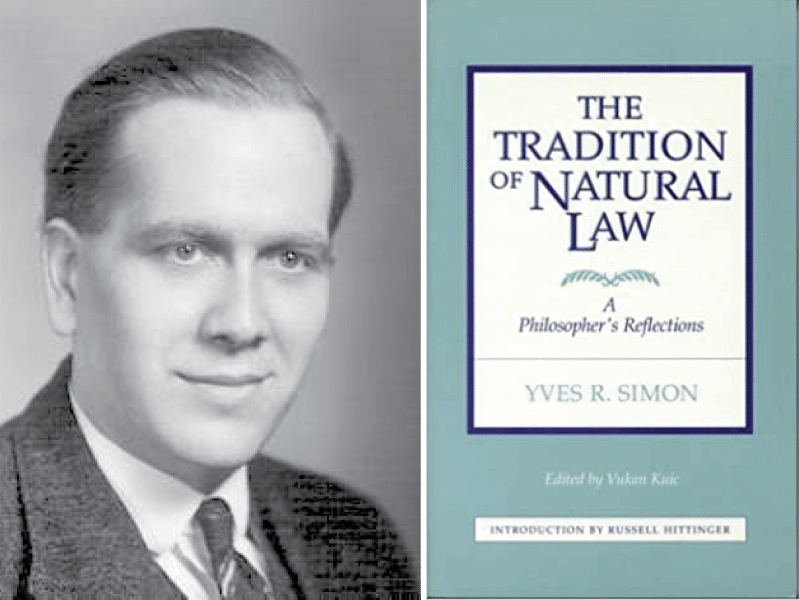
Open to current graduate students. It will take place online on Zoom. Copies of the readings will be provided. Others interested in participating should contact us. Join us for a master class on part II of Yves Simon’s The Tradition of Natural Law: A Philosopher’s Reflections (Fordham University Press, 1999). ABOUT THE BOOK The tradition of natural law is one of the foundations of Western civilization. At its heart is the conviction that there is an objective and universal justice which transcends humanity’s particular expressions of justice. It asserts that there are certain ways of behaving which are appropriate to humanity simply by virtue…
Conscience and Human Rights in Thomas Aquinas and Some Predecessors
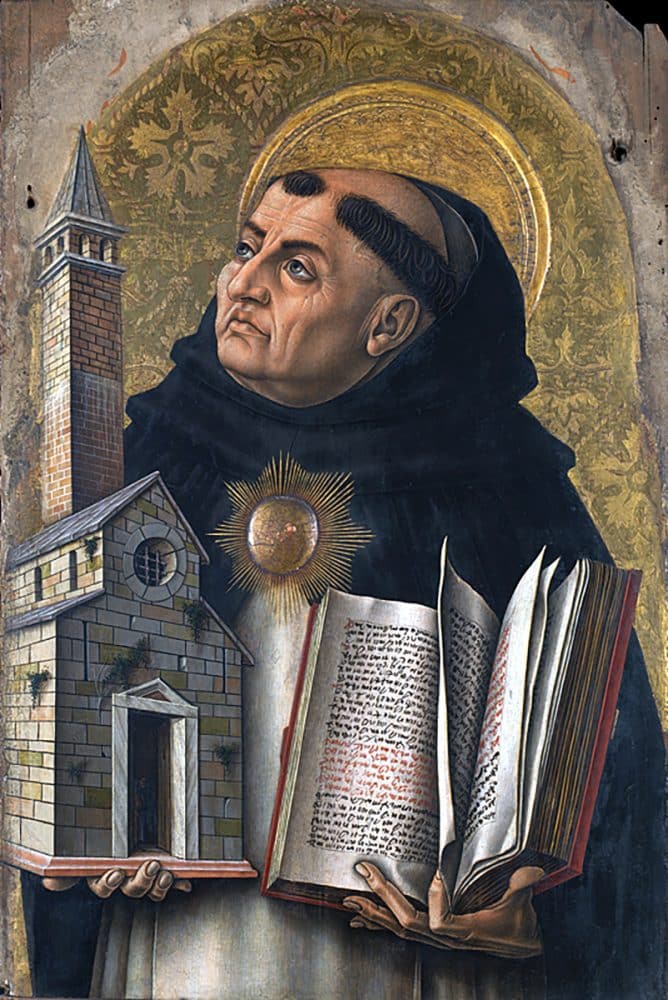
Free and open to the public. Registration is required. Contact us with any questions. Note the time for this event has been changed from 4:30 p.m. to 5:00 p.m. In discussions of the history of the philosophy of human rights, typically a distinction is made between theories that understand rights as objective and those that understand them as subjective (or, to use a more contemporary term, more “personalistic”). This talk relates this issue to the history of reflection, especially by Christian thinkers leading up to the thirteenth century, regarding conscience. It argues ultimately that Thomas Aquinas’s understanding of conscience, influenced as…
The Salvific Power of the Inner Life of Christ: The Witness of the Ecumenical Councils
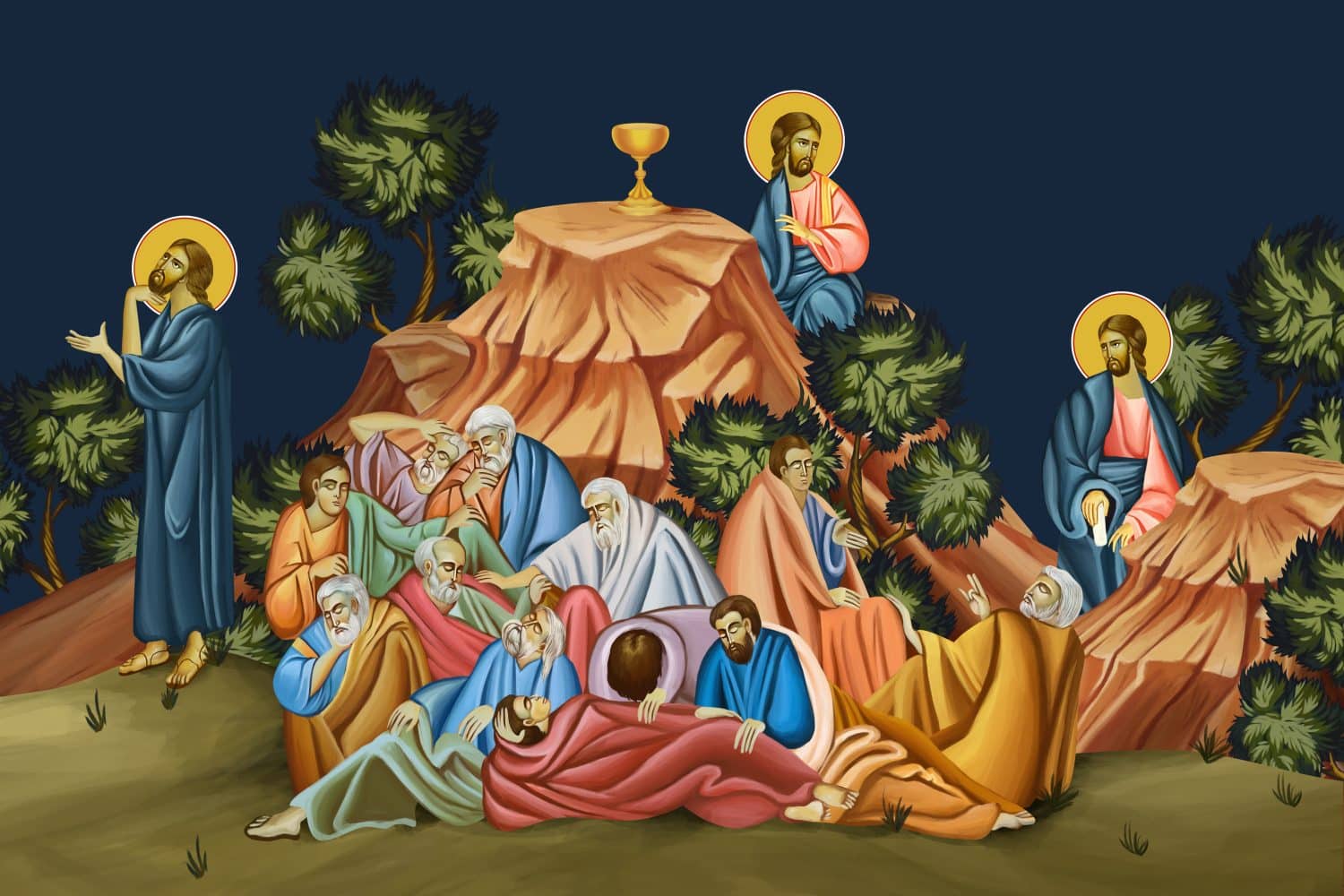
Free and open to the public. Registration for in-person attendance is not required, but requested. Contact us with any questions. Note the time for this event has been changed from 4:30 p.m. to 5:00 p.m. This event is cosponsored by the Harvard Catholic Forum. Standard accounts of salvation in both East and West typically do not include a consideration of how Christ’s inner life-his thoughts, feelings, and intentions- are salvific. Such an omission is inconsistent with the witness of both the Scriptures and the ecumenical councils. In affirming the necessity for human salvation of Christ’s human mind and will, the ecumenical councils…
Fall Non-Credit Course: “The Living Jesus at the Intersection of History and Faith”
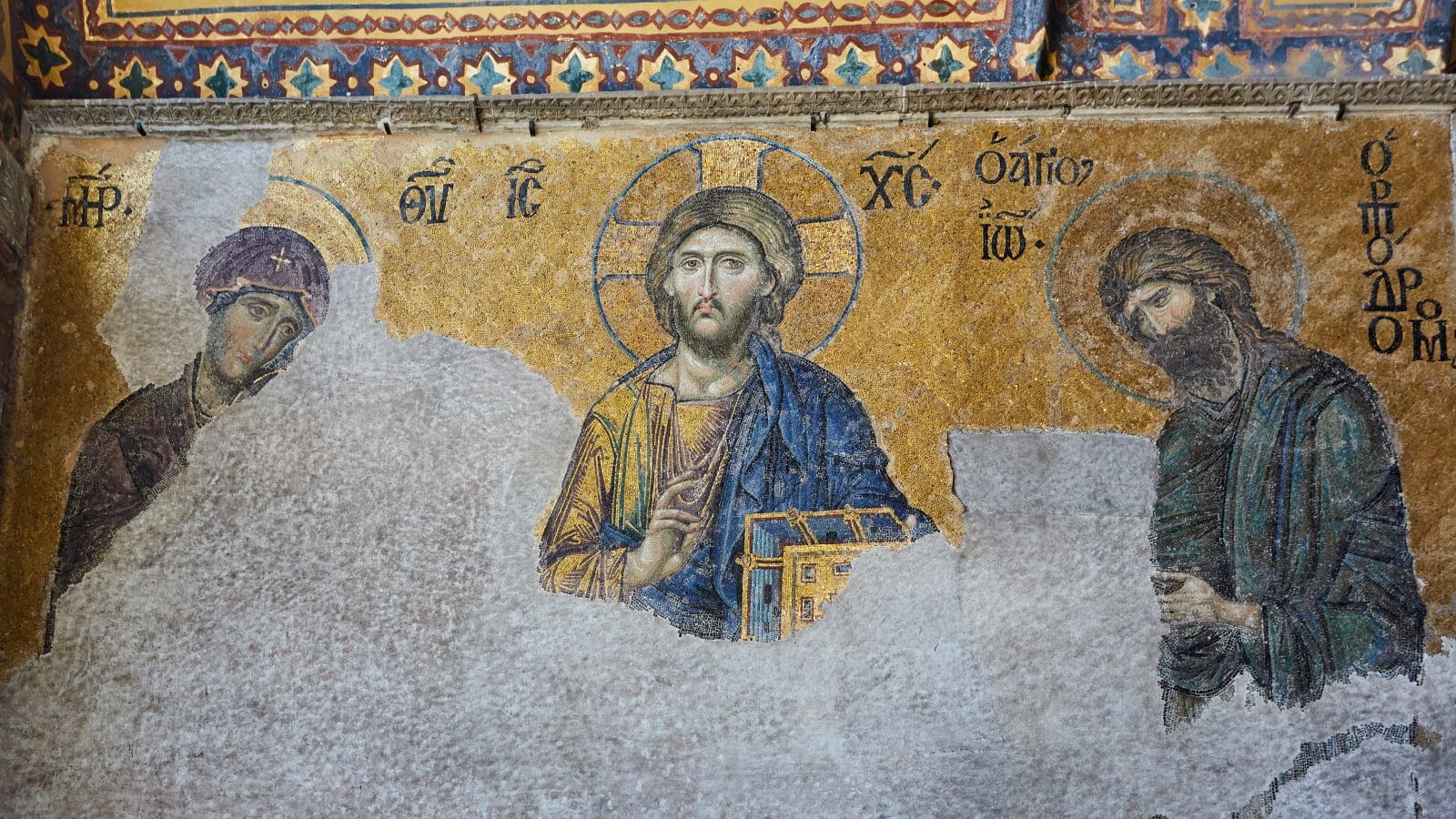
REGISTER HERE 6:00 Dinner | 6:30 Lecture This weekly non-credit course is open to current students and faculty. Registrants are free to attend as many sessions as they choose. Sessions do not presuppose previous attendance or prior knowledge of the subject. Jesus of Nazareth, a Galilean Jew crucified in a remote corner of the Roman Empire nearly 2,000 years ago, is considered one of the world’s greatest teachers and the founder of its oldest institution. More books and films have been produced about Jesus than any other historical person. This non-credit class will consider both what historical methods can ascertain about Jesus…
Magis Series on Faith and Reason
Free and open to the public. Presented by the Lumen Christi Institute and Saint Ignatius College Prep. What does it mean to believe? Does one believe because of evidence? In spite of evidence? Is belief the beginning of wisdom or the opposite of science? For over two thousand years, the Catholic Church has defended the rich interrelation between faith and reason. As Pope John Paul II said in his encyclical, Fides et Ratio, “Faith and reason are like the two wings on which the human spirit rises to the contemplation of truth.” Faith without reason leads to superstition. Reason without…
Negotiating Tragedy and the Tragic: Discursive, Performative, and Interpretive Strategies in Late Ancient Christian Literature
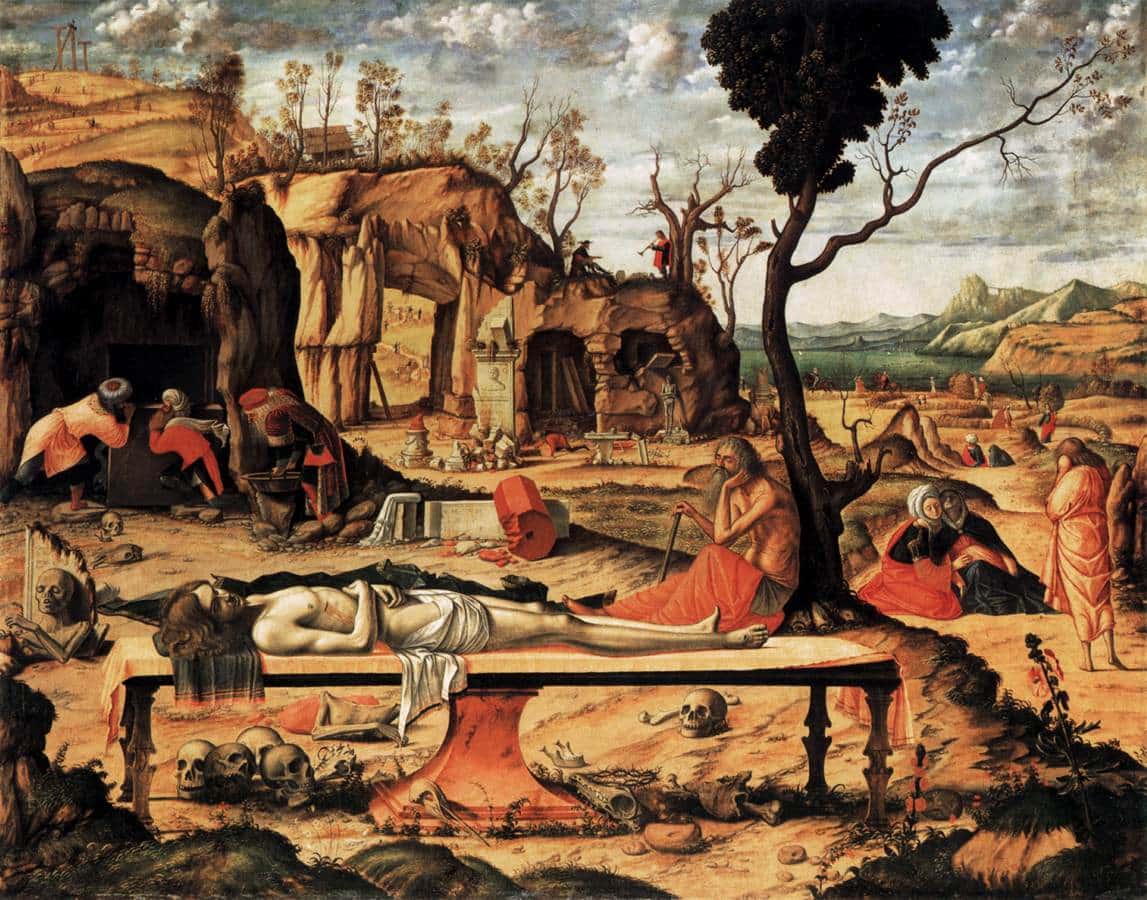
Free and open to the public. Early Christian authors rarely composed tragedies, but they did discern elements of “the tragic” both in the background of sacred history and in the foreground of mundane experience. As a rhetorical, literary, and even theological artform, the mimesis of tragedy took shape concurrently in biblical interpretation and preaching, in autobiographical and hagiographical writing, in the framing of Christian moral response to human anguish and indignities, and in theological reflection on interrelated issues of providence, freedom, fate, and hope. This lecture will sample each of these dimensions, concentrating especially on works of the Cappadocian Fathers, John…
Finding Tragedy in the Bible with Its Early Christian Interpreters
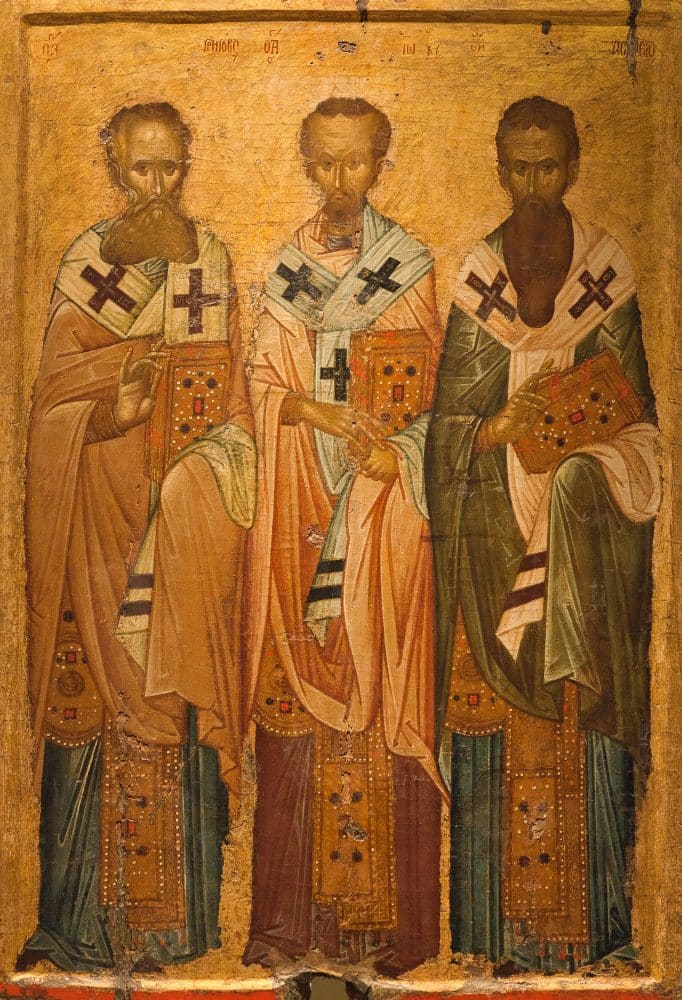
Open to current students and faculty. Box lunches will be served. Prof. Blowers will also give a lecture on “Negotiating Tragedy and the Tragic: Discursive, Performative, and Interpretive Strategies in Late Ancient Christian Literature” on March 30. For all events held at Gavin House, the Lumen Christi Institute follows Chicago Department of Public Health Guidance for in-person gatherings. Please see here for the city’s most up-to-date guidelines. These are guidelines subject to change. If you have any questions, please contact us.
Recovering Hymnography Symposium
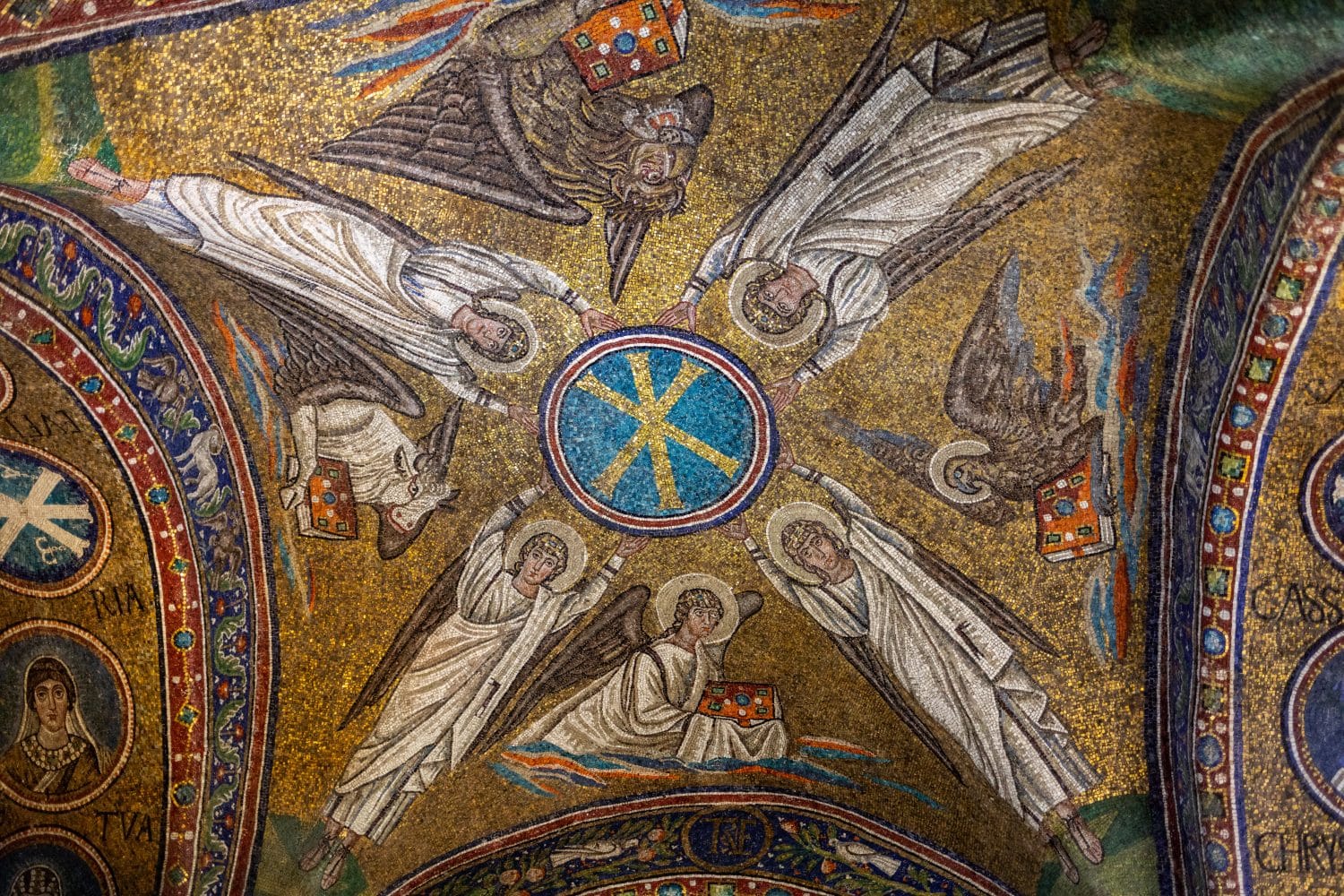
The Lumen Christi Institute, The Sheptytsky Institute of Eastern Christian Studies, and the Fordham Center for Orthodox Christian Studies Present: Recovering Hymnography Symposium May 15-16, 2022 | University of Chicago Free and open to the public. Please note you must register for each day separately. This symposium will explore the tradition of hymnography as both prayer and pedagogy, sharing insights about how biblical interpretation, ethical injunction, and theological reflection are combined with ritual reenactment in the texts they consider. Papers on early Christian liturgical hymnography in the Greek, Syriac, and Latin traditions will be shared and discussed with expert respondents….