
Master Class on “Plato’s Leaky Myths: How the Erotic Dialogues use Plato’s Literary Predecessors”
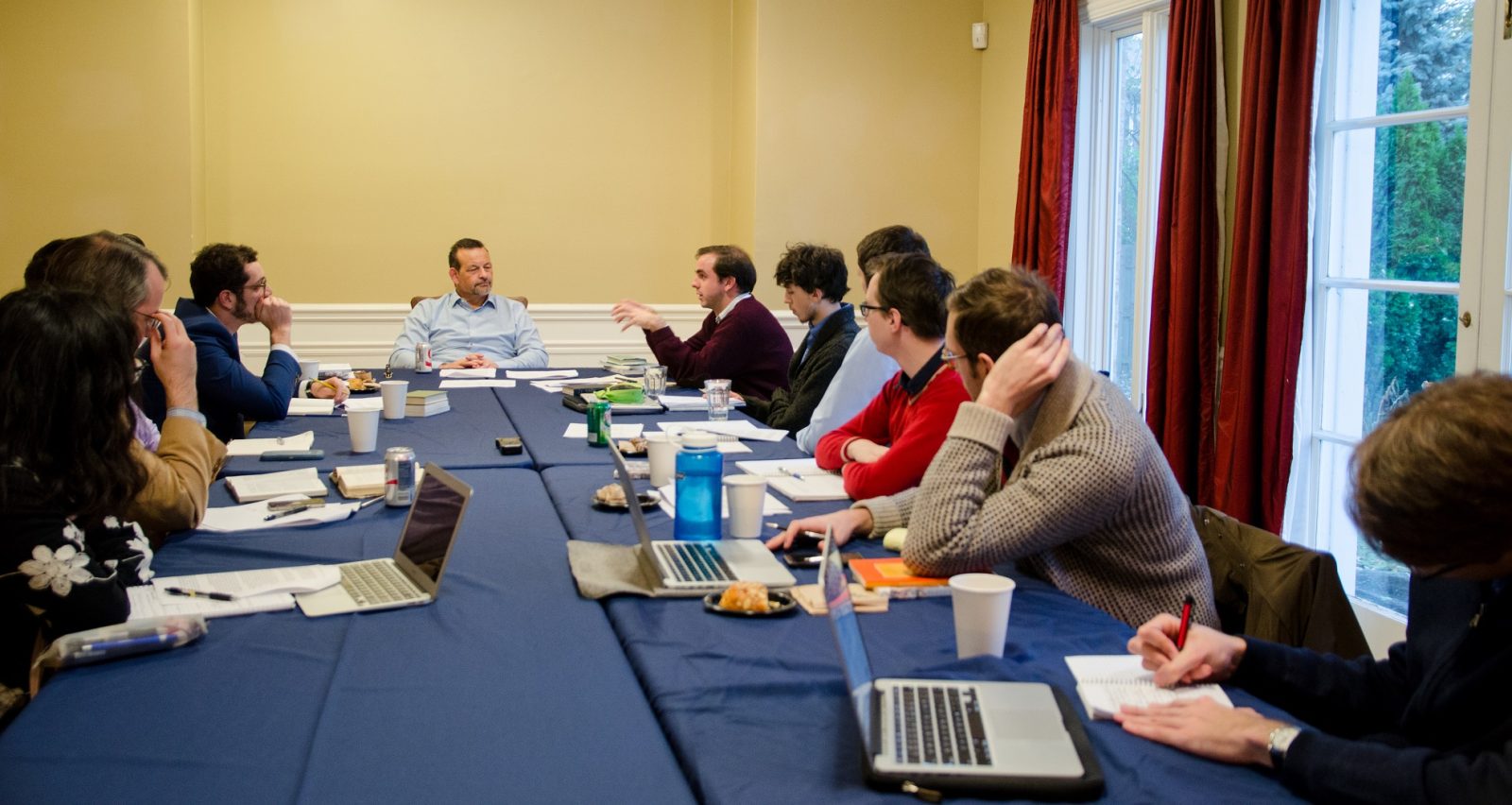
Registration Required. Open to current students and faculty. This seminar will look at striking examples of how in the Symposium and Phaedrus Plato read and re-wrote the myths available in the literary culture of his time. We will be especially interested in how the literary templates that seem to underlie the dialogues complicate their surface “doctrine.” SCHEDULE 1:30pm Coffee & Pastries 2:00pm Session I 3:25pm Break 3:35pm Session II 5:00pm End, wine and cheese reception To view photos of the master class, visit Lumen Christi’s Facebook page.
Athens, Jerusalem—and Alexandria: Christian Wisdom between the Bible and Greek Philosophy
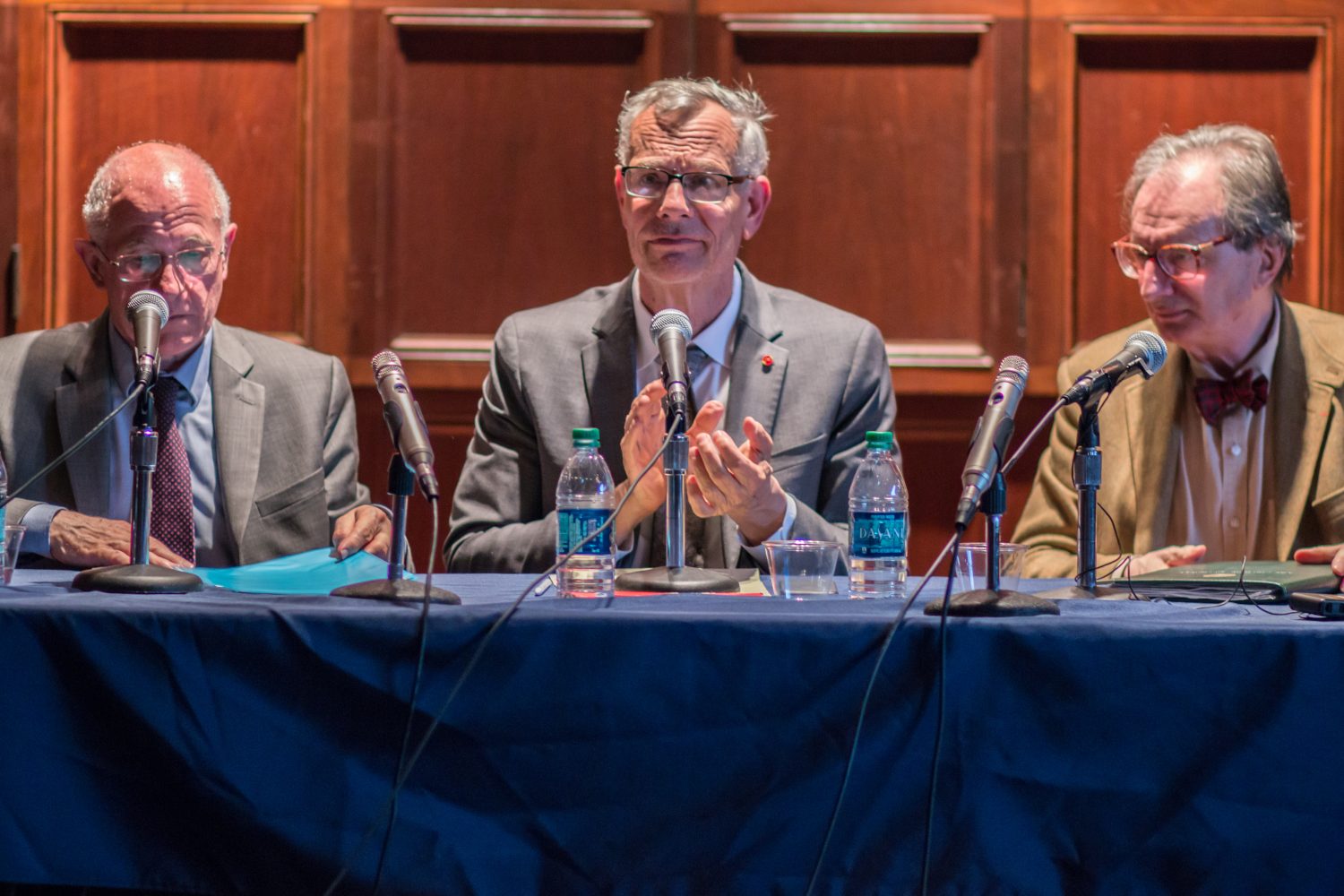
A lecture by Rémi Brague with a response by Jean-Luc Marion. Free and open to the public. Cosponsored by the Ethics Club at the Divinity School. This lecture will be audio and video recorded and accessible via this webpage shortly after the event. Persons with disabilities who need an accommodation in order to participate in this event should contact us by email or call 773-955-5887. Christian wisdom could work its way through the Hebrew Bible and Greek philosophy and produce some sort of “Alexandrian” synthesis by focusing on the Logos, a concept explicitly central to Greek philosophy and implicitly fundamental to…
Weekly Non-Credit Course: “Who Do You Say That I Am? Visions of Christ in the Christian Tradition”
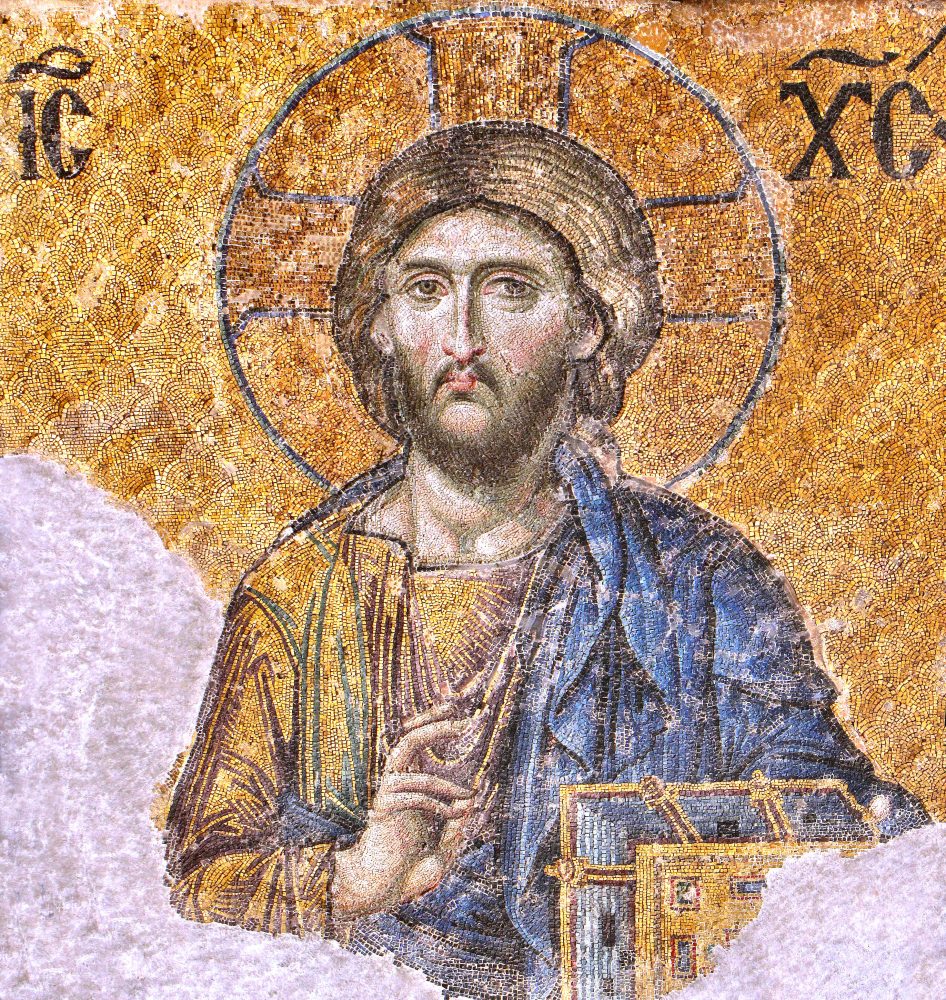
REGISTER HERE 6:00 Dinner | 6:30 Lecture This weekly non-credit course is open to current students and faculty. Registrants are free to attend as many sessions as they choose. Sessions do not presuppose previous attendance or prior knowledge of the subject. “But what about you? Who you say that I am?” (Lk 9.20) The Christian tradition arose in response to the question of the person of Jesus Christ, and in every generation Christians have struggled, debated, and developed answers to that question. This course will feature a selection of biblical, ancient, and medieval Christian thinkers who gave distinctive and highly…
Weekly Non-Credit Course: “The Prophets and Christian Prayer”
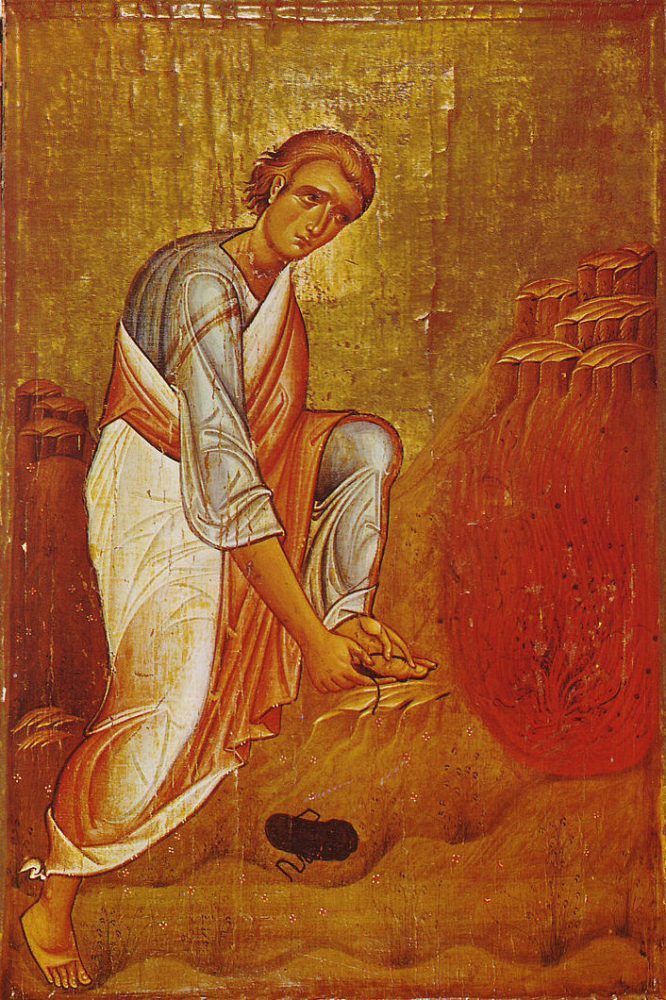
REGISTER HERE 6:00 Dinner | 6:30 Lecture This weekly non-credit course is open to current students and faculty. Registrants are free to attend as many sessions as they choose. Sessions do not presuppose previous attendance or prior knowledge of the subject. In its broadest sense, biblical prophecy—in both the Old and New Testaments—includes the activities and utterances of seers, dreamers, ecstatics, diviners, mystics, and declaimers of unmediated divine discourse: oracles, instruction, admonition, consolation. This course will examine literary and non-literary prophecy as a supernaturally accomplished conduit of God’s will, along with the various instruments by which that will is communicated….
Symposium on “The Cross: History, Art, and Controversy”
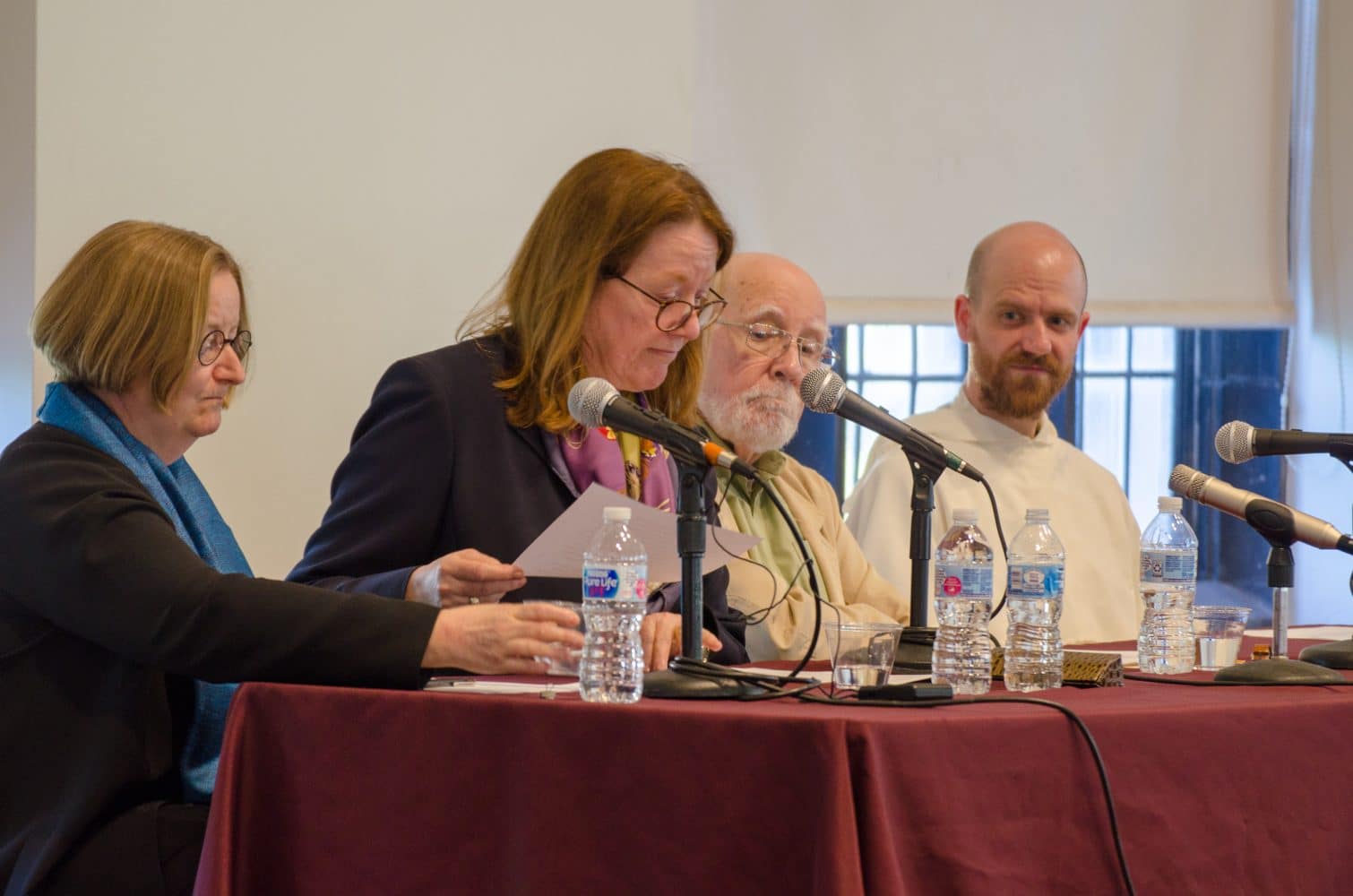
Listen to the symposium as a podcast episode. You can subscribe to the Lumen Christi Institute Podcast via our Soundcloud page, iTunes channel, Stitcher, TuneIn, ListenNotes, Podbean, Pocket Casts, and Google Play Music. To view photos of the symposium, visit Lumen Christi’s Facebook page. Cosponsored by the Martin Marty Center for the Public Understanding of Religion, the Medieval Studies Workshop, the Early Christian Studies Workshop, and the Research in Art and Visual Evidence Workshop. Free and open to the public. Copies of the book will be available for sale at the event by the Seminary Coop Bookstore. Persons with disabilities who may need assistance should contact us at 773-955-5887…
What St. Benedict Taught the Dark Ages: His and Ours
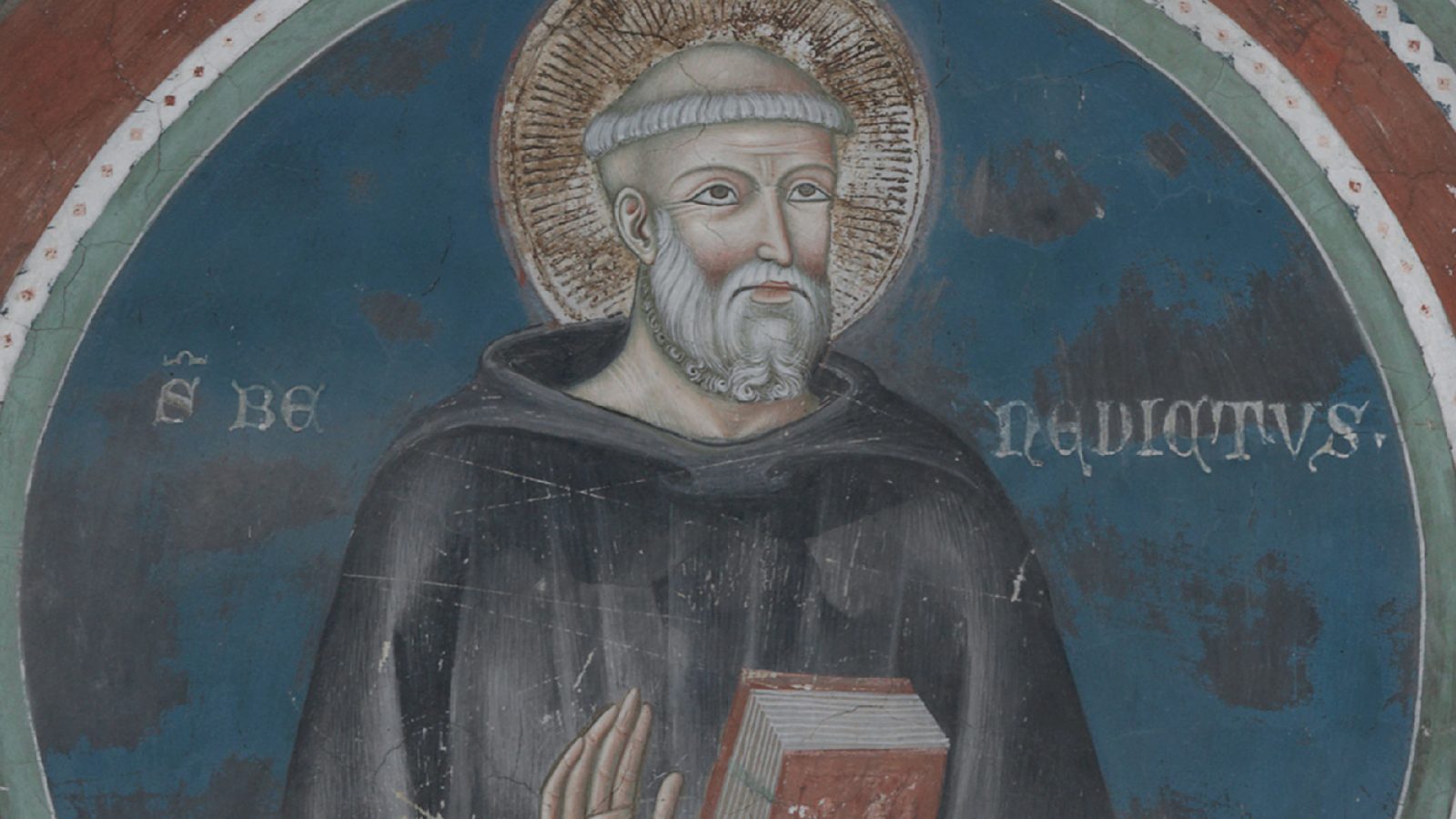
REGISTER HERE Free and open to the public. Cosponsored by the John U. Nef Commitee on Social Thought. Cardinal Newman, who will be canonized on October 13, is well known for his philosophy of education, especially for his masterwork The Idea of University (1853). But his most profound reflections on education are in his minor work “The Mission of St. Benedict” (1858), in which Newman treats the question of how to teach a beginner, even a beginner under the most unfavorable circumstances. Not a novice in dialectic and rhetoric, or in the theoretical or practical sciences, but a beginner in the quotidian…
Becoming Human in Light of the Gospel of John
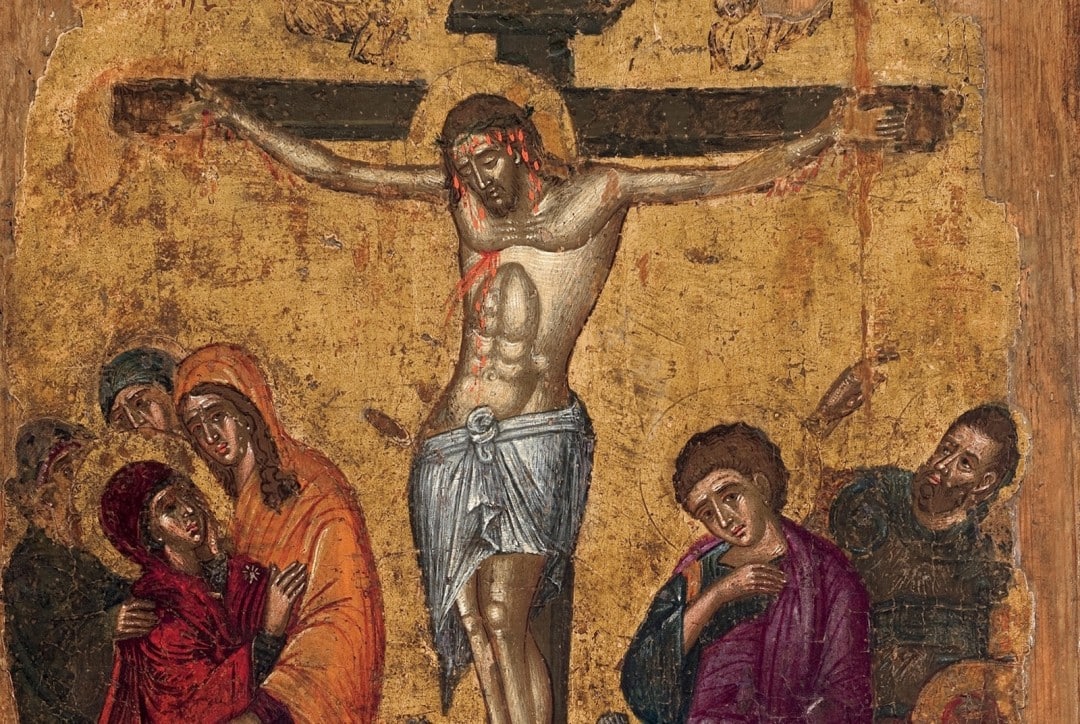
This event was Cosponsored by the Theology and Ethics Workshop, the Orthodox Christian Fellowship, and St. Makarios the Great Orthodox Mission. Fr. Behr also led a master class for students and faculty on January 17 on Maximus the Confessor. On his way to Rome, Ignatius of Antioch urges the Christians there not to interfere with his impending martyrdom: ‘hinder me not from living, do not wish me to die, allow me to receive the light, when I will have arrived here, I will be a human being’! In this lecture, Fr John Behr will explore how the Gospel of John alludes…
Master Class on Maximus the Confessor
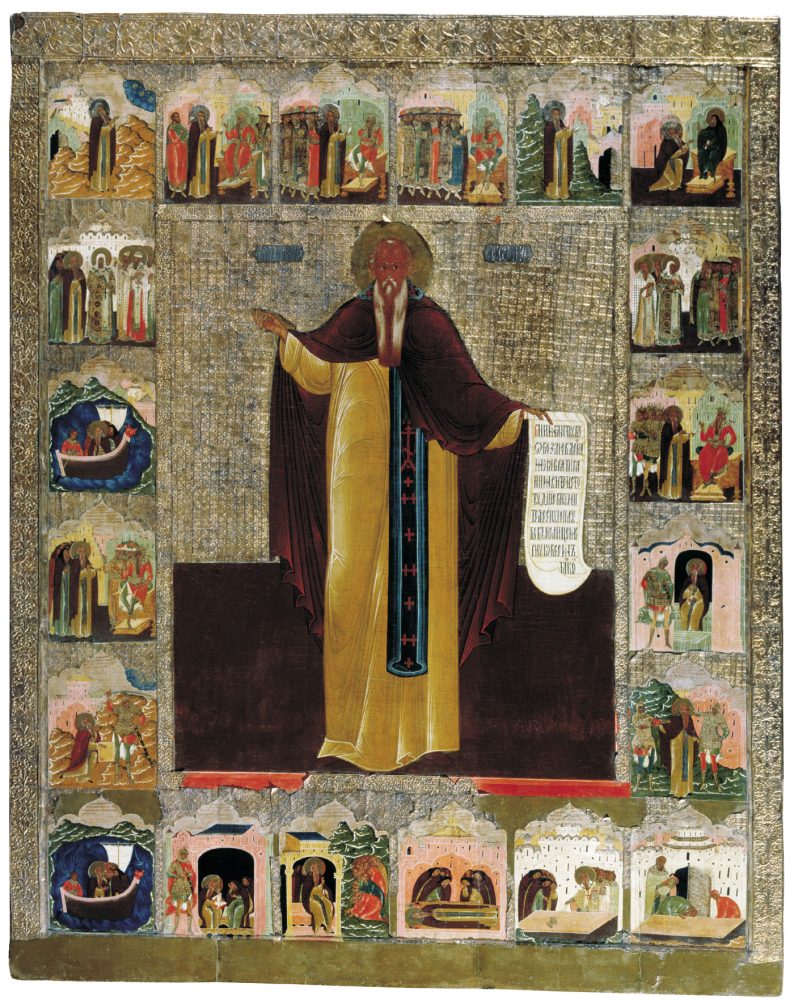
St. Maximus the Confessor is rapidly becoming one of the most studied of all early Christian theologians; the depths and richness of his writings and theology are being ever more appreciated. This masterclass focused on one specific—and short—text, Ambiguum 41, perhaps the richest of them all and certainly the one for which is best known. It speaks of five fundamental differences or divisions within being, with the vocation of the human being to unite them: Uncreated and created; intelligible and sensible; heaven and earth; paradise and the inhabited world; male and female. We will work through the Greek text (with a…
Winter Non-Credit Course, “Saint Paul: The Life and Letters of the Apostle to the Nations”
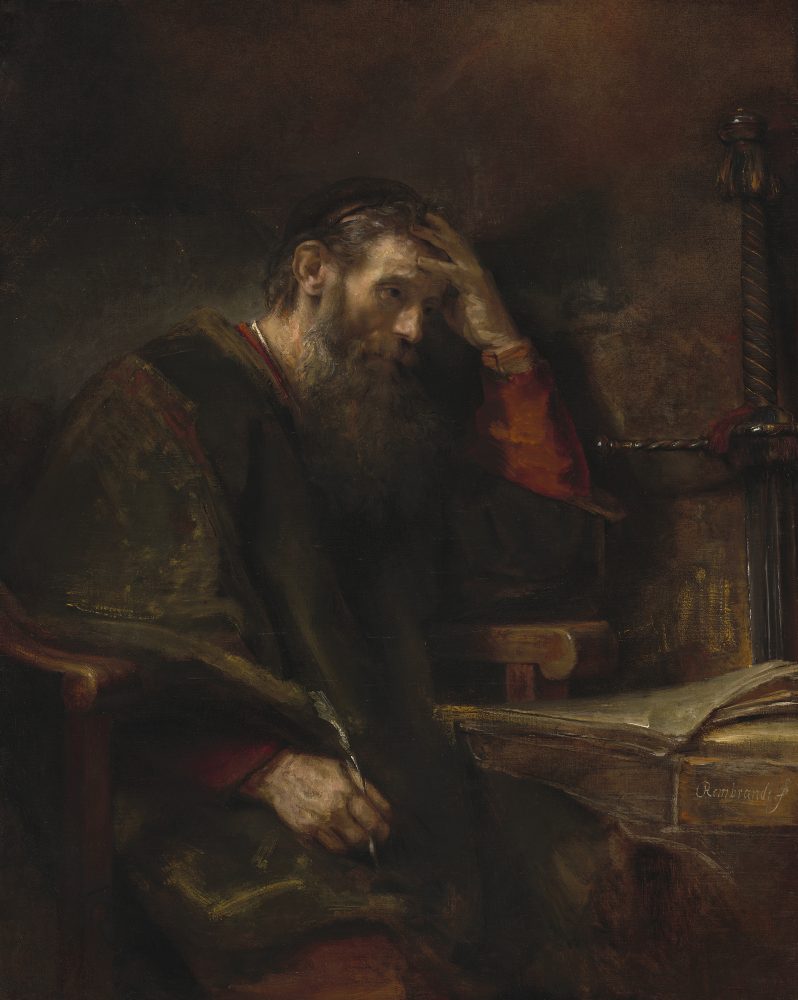
6:00 Dinner | 6:30 Lecture This weekly non-credit course is open to current students and faculty. Registrants are free to attend as many sessions as they choose. Sessions do not presuppose previous attendance or prior knowledge of the subject. Who was Paul and what was his ‘good news’? What does he mean by faith or by “principalities and powers”? After Jesus himself, perhaps no Christian personality has evoked such admiration, so much controversy, and so many questions. This course will examine the life and thought of the Apostle Paul through focused presentations on several of his letters. The first presentation…
WEBINAR: Christians in Times of Catastrophe: Augustine’s “City of God”
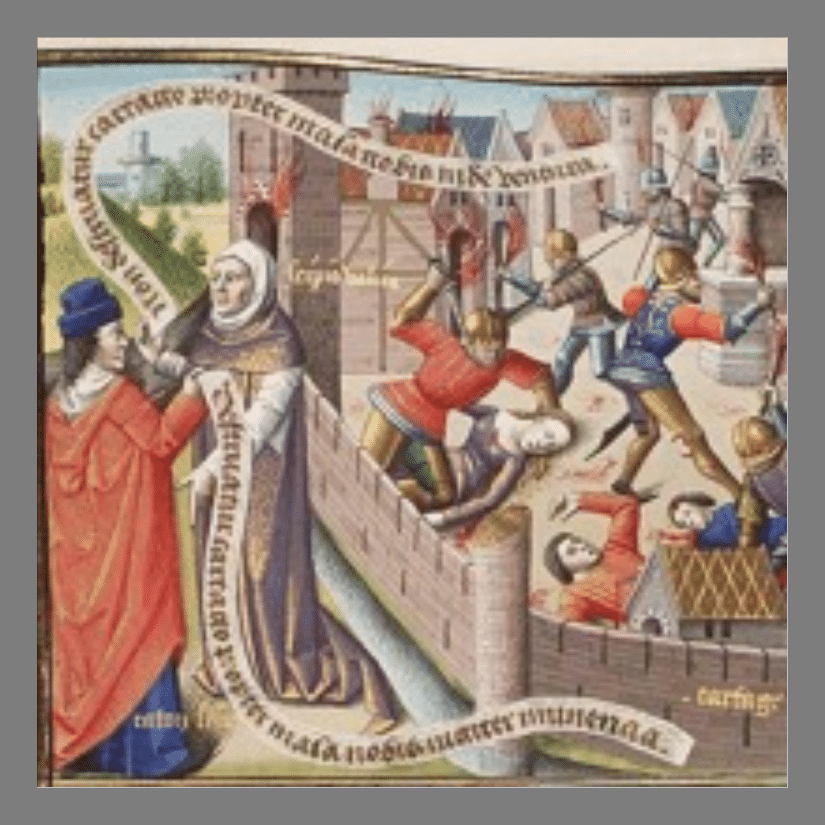
Cosponsored by America Media, the Collegium Institute, the Saint Benedict Institute, the Beatrice Institute, the Nova Forum, the Harvard Catholic Center, the Institute for Faith and Culture, and the Sacred and Profane Love podcast. Augustine of Hippo’s City of God is one of the great theological books of the Christian tradition, laying out a vision of the Church and the Earthly City in parallel and of Christ’s work of salvation in history in the context of the sack of Rome (410) and other calamities. Augustine’s reflections on how Christians can understand and respond to catastrophes has become a wellspring in the Christian intellectual tradition…