
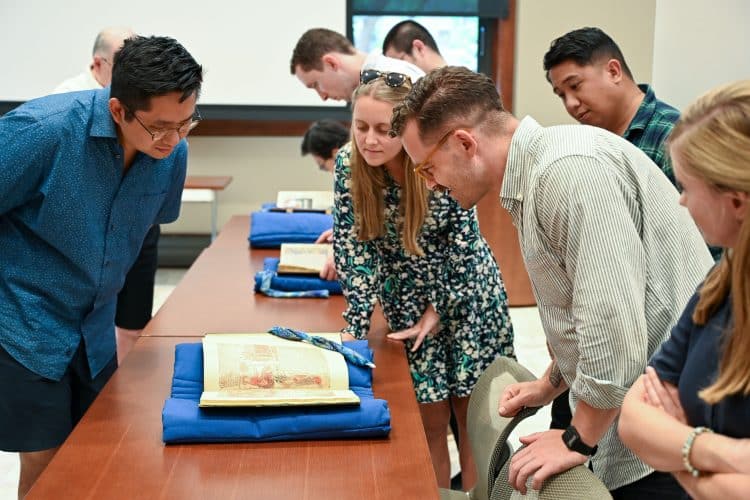
This summer the Lumen Christi Institute continued its annual summer seminar program with seven intensive seminars. The seminars covered topics from antiquity to the present, across many disciplines such as patristics, economics, and contemporary philosophy. Among these was a brand-new seminar: “The Vocation of the Catholic Scholar” for newly-minted PhDs.
The seminar was catalyzed by LCI’s Postdoctoral Fellows Program in Catholic Studies, which launched this fall. For the inaugural cohort of fellows, the institute was only able to accept two out of a pool of nearly seventy, highly-qualified candidates. This week-long seminar was born out of the interest of so many talented young Catholic scholars, seeking intellectual community and greater connection with the Church’s rich tradition. The seminar made it possible to bring an additional eleven of these young scholars for a week of formation, friendship, and discussion about the meaning of the role in the Church to which God has called them.
Each morning, Fr. Stephen Fields, SJ (Georgetown University) led a conversation on the seminar’s primary text: St. John Henry Newman’s The Idea of a University. Each afternoon, senior scholars shared their own reflections on research and teaching in the university in the light of their faith. They encouraged seminar participants to consider how the Catholic tradition enriches the scholarly vocation.
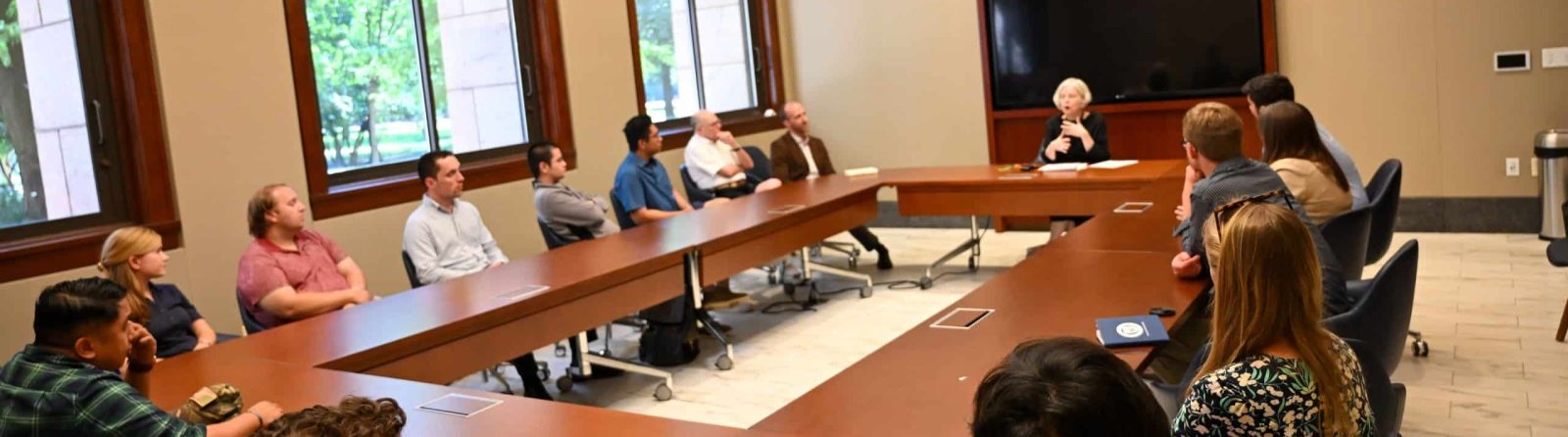
All LCI seminars aim to help students master content from the Catholic intellectual tradition, while also creating a space for Catholic community and academic engagement. “The Vocation of the Catholic Scholar,” however, took this a step further and marked a new phase in LCI’s accompaniment of students.
The summer seminar program has long focused on its mission to ‘teach the teachers.’ The formation LCI students receive during graduate school, however, can only go on to impact their future students if they successfully become professors themselves. These new postdoctoral offerings are intended to help make this trtansition. Both the seminar and the postdoctoral fellowship mark an initial foray into bridging the gap between when a student completes graduate studies and begins a faculty position.
Drawing on Newman allowed them to think about what is distinctive about being a Catholic scholar, rather than simply a scholar who is Catholic. “What makes someone a Catholic scholar is the recognition that the person of the teacher matters,” said Michael LeChevallier, the director of LCI’s National Catholic Scholars program. “Their life and their mode of engaging with students is how they communicate what they believe about truth. Forming students to think is actually forming them to be who they are.”
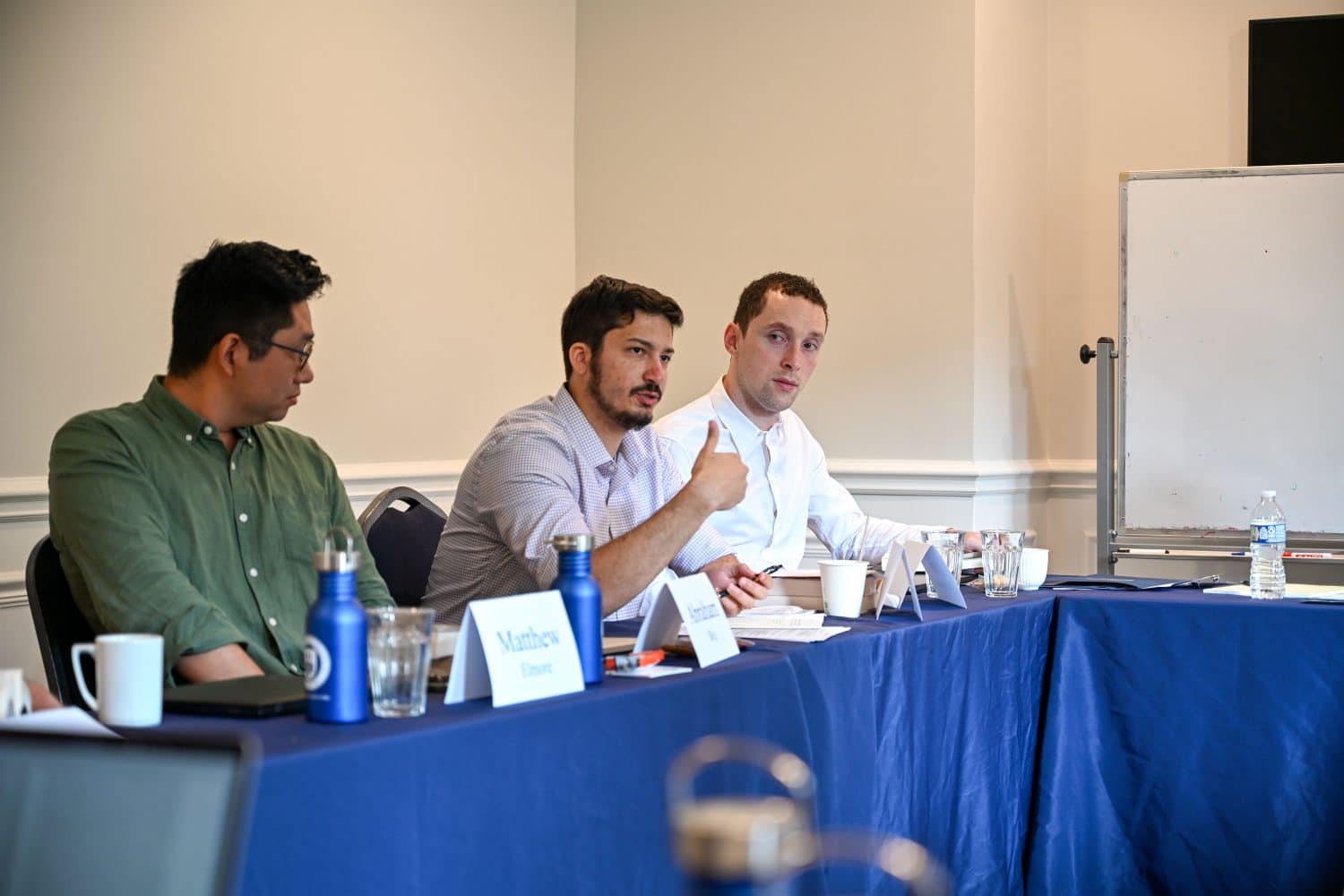
It matters also what kind of community teachers create for their students. Building and fostering community is essential, not accidental, to true Catholic academic engagement. Participant and LCI postdoctoral fellow Cassandra Sever agreed: “My favorite part about the Lumen Christi Institute is the people. As a scholar, the community is as important as the literature.”
Participants were challenged to think about the state of academia today. The consensus in their discussions was that the relationship between students and their studies is breaking down. Only when students understand the purpose of learning and how it relates to who they are, will they approach it with commitment and hope. It is the educator’s responsibility to teach students how to truly think, and so form them into who God created them to be.
This seminar, like the other summer seminars, created community through formal excursions, as well as informal lunches and free time for the participants to become friends. On the second morning participants began to speak with vulnerability about the academic market and the reality of rejection. “They brought their full selves to the discussion,” LeChevallier said. “And that is something that you cannot force.”
Many of these participants began teaching at colleges and universities across the country this fall. Going forward, LCI will seek to support these young scholars in their vocations to research and teaching by creating a community of practice. They will meet monthly in a virtual format to support one another and foster their own growing understanding of the important work they are doing for the Church and the world. Teachers, just as much as their students, need community and friendship. Particularly as they transition from students to teachers, LCI desires to provide these young scholars with a place where they are known and valued as whole persons, and where friendships grow from a shared devotion to truth in Christ.