
[Message from our Executive Director, Daniel Wasserman-Soler]
Dear friends,
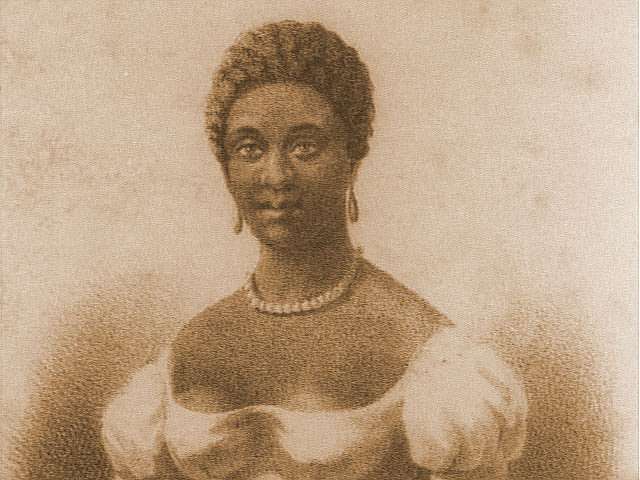
On June 19, our country remembers the emancipation of enslaved African Americans. To commemorate this moment, I would like to share with you an excerpt from a poem by Phillis Wheatley (1753-84). An abolitionist whose poems circulated widely during her lifetime, Wheatley addressed this poem at age 14 to students at Harvard:
To you, Bright youths! he points the heights of Heaven
To you, the knowledge of the depths profound.
Above, contemplate the ethereal Space
And glorious Systems of revolving worlds.
Still more, ye Sons of Science! you’ve received
The pleasing Sound by messengers from heaven,
The Saviour’s blood, for your Redemption flows.
See Him, with hands stretched out upon the Cross!
Divine compassion in his bosom glows.
He hears revilers with oblique regard.
What Condescension in the Son of God!
When the whole human race, by Sin had fallen;
He deigned to Die, that they might rise again,
To live with him beyond the Starry Sky
Life without death, and Glory without End.
Wheatley describes “the whole human race” as fallen because of sin. Notably, she makes no distinction here between black and white — all are fallen. And yet, through the “divine compassion” of God, all are invited “to rise again, to live with him beyond the Starry Sky”. Because all humans have a heavenly calling, Wheatley urges her readers to consider higher things: to “contemplate the ethereal space” and to “see Him with hands stretched out upon the Cross!”
Over 250 years ago, Phillis Wheatley issued a challenge that remains pressing today: May we answer her call to know and love the Savior.
You can read the full poem here.
Yours in Christ,

Daniel Wasserman-Soler
Executive Director
Lumen Christi Institute