Our Events

Featured Events & News

Views Navigation

Event Views Navigation

This Month

Filters

Changing any of the form inputs will cause the list of events to refresh with the filtered results.

Calendar of Events

Latest Past Events

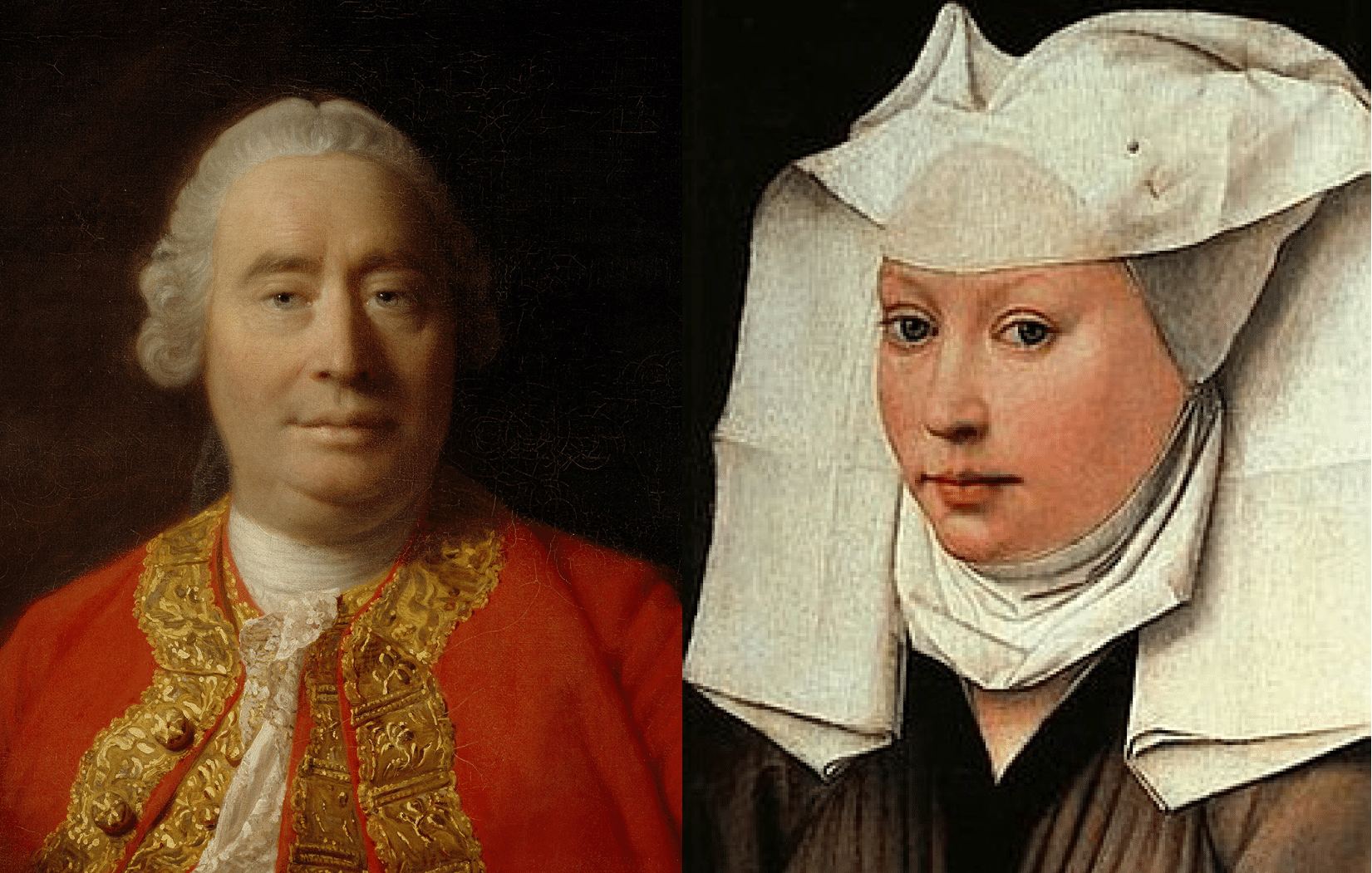
Master Class: David Hume, Julian of Norwich, and the Problem of Evil

Faculty House at Columbia University 64 Morningside Drive, New York

REGISTER HERE This master class is open to current graduate students and faculty. Others interested in participating should contact us. Digital copies of the readings will be made available to participants. More info TBA
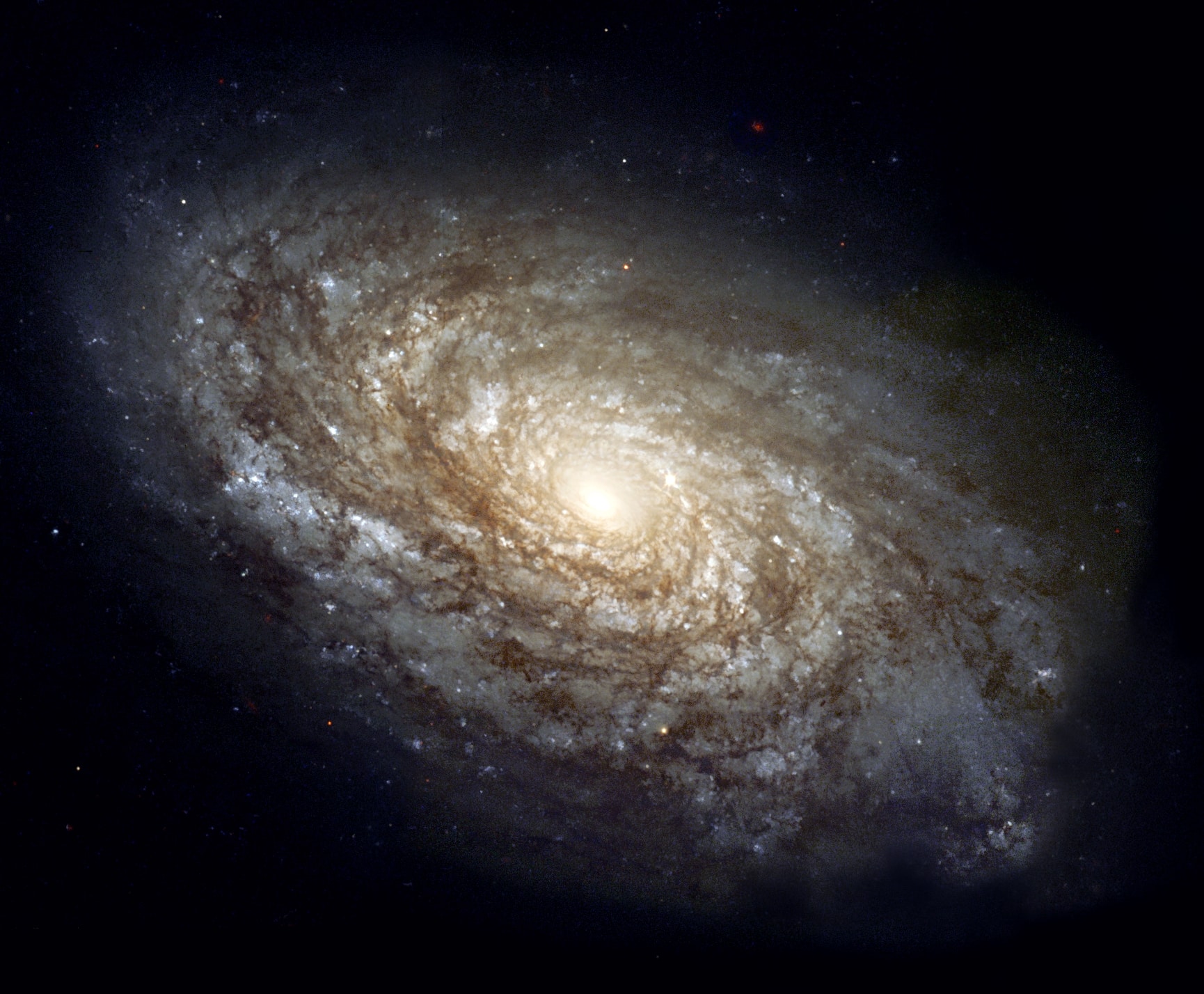
Reductionism in Science: Order from Chaos or Order from Ideas?

Gavin House 1220 E 58th St., Chicago

REGISTER HERE Open to current university students and faculty. Lunch will be served. Join us for a discussion with physicist Stephen Barr on his article from First Things on the philosophical assumptions behind a tendency toward reductionism in the natural sciences. "This tendency to downgrade and diminish reflects a metaphysical prejudice that equates explanatory reduction with a grim slide down the ladder of being. Powerful explanatory schemes reveal things to be simpler than they appear. What simpler means in science is much discussed among philosophers—it is not at all a simple question. But to many materialists it seems to mean...

Evolution and the Catholic Faith

Kent Hall, Room 107 1020 E 58th St. Chicago, IL 60637, Hyde Park

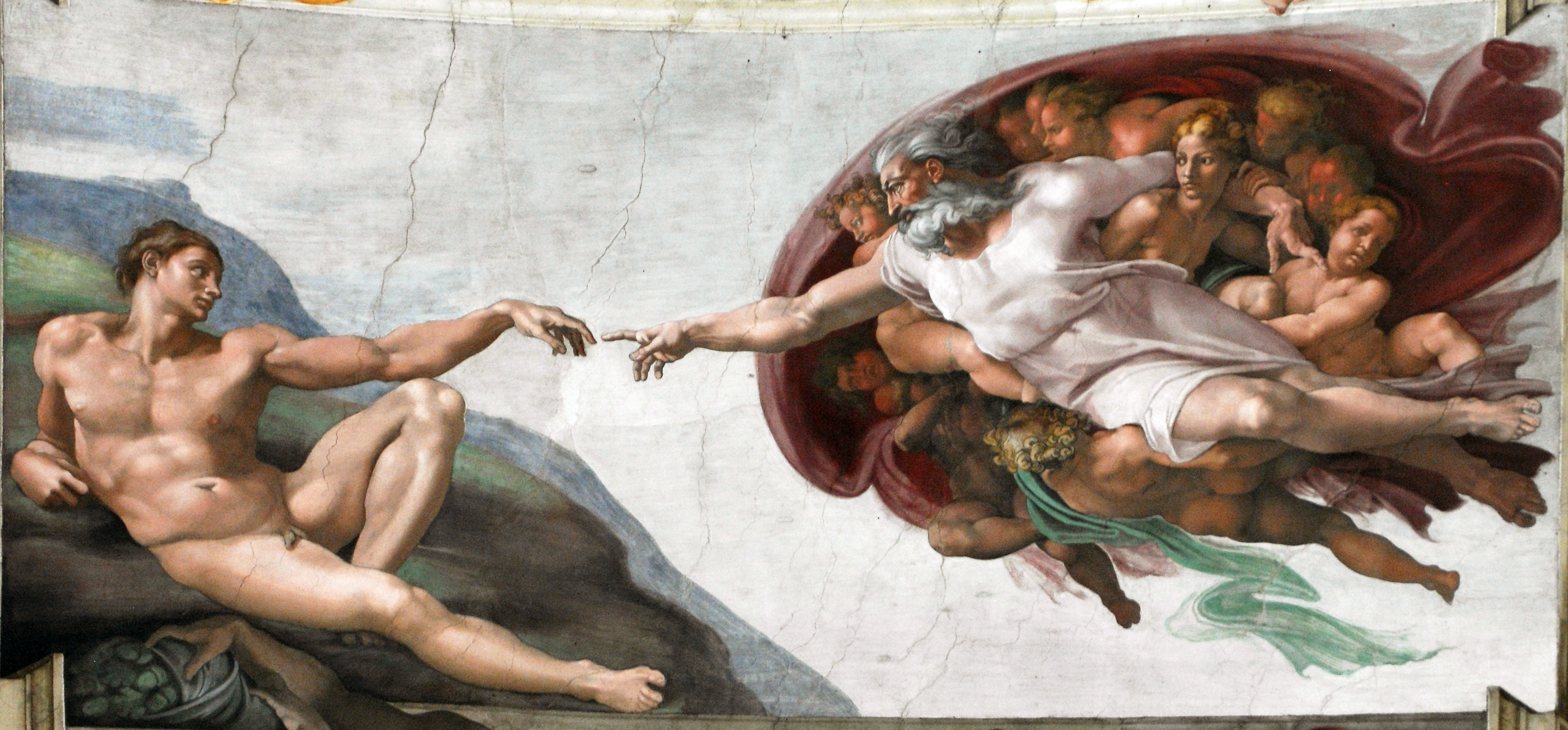
REGISTER HERE Many people imagine that the Catholic Church was historically opposed to the theory of evolution or that there is something dangerous or dubious about Darwinian evolution from the viewpoint of Catholic theology.  These ideas are based on a variety of confusions and misconceptions.  This talk will show how Catholic thinkers and Catholic Church authorities looked at evolution. It will also respond to the arguments some Christians make against it, and examine some of the more subtle issues, such as the relation of chance to divine providence, and the questions surrounding human origins and human distinctiveness.